GeoLog

Planetary and Solar System Sciences

Imaggeo On Monday: Blue Olivine in an unusual basalt
Imaggeo On Monday: Blue Olivine in an unusual basalt
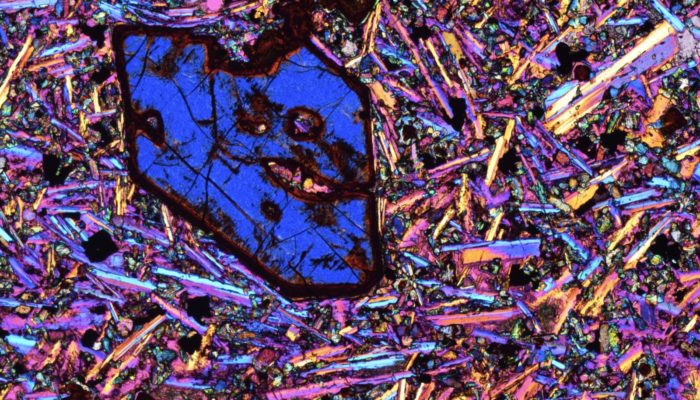
Blue Olivine set in a matrix of pyroxene, magnetite and plagioclase in a basalt collected by the photographer, Bernardo Cesare, on the shore of the Sea of Galilee, Israel. Polarized light photomicrograph. Crossed polarizers and red tint plate. Width c. 2.7 mm. Who may have been throwing this stone a couple millennia ago?   Description by Bernardo Cesare, after the description on imaggeo.egu.e ...[Read More]

Imaggeo On Monday: Emoji from meteorites; impact spherule

Imaggeo On Monday: Emoji from meteorites; impact spherule

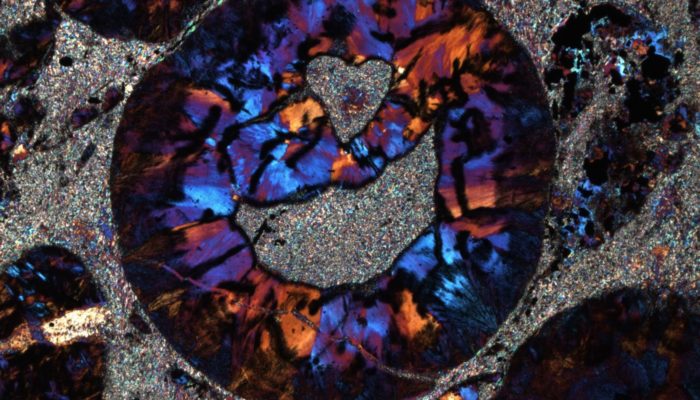
This is a crossed polarized light photomicrograph of an impact spherule; a small mineralisation made when a meteorite hits the Earth and melts the rock at the point of impact, from Barberton Greenstone Belt, in South Africa. These spherules are the only remnants of Early Earth’s meteorite impact history, from between of 3.2 and 3.5 billion years ago. In this photo you can see the K-feldspar ...[Read More]

#shareEGU20: meet the EGU Early Career Scientist Representatives (pt3)!

#shareEGU20: meet the EGU Early Career Scientist Representatives (pt3)!

Now #shareEGU20 has come to an end, division officers have changed and this includes the Early Career Scientists (ECS) Representatives. Time to meet them!   Union-level and Deputy Union-level ECS Representatives Anouk Beniest and Anita Di Chiara Display "Anouk and Anita" from YouTube Click here to display content from YouTube. Learn more in YouTube’s privacy policy (opens in a new t ...[Read More]

Winners of the EGU Best Blog Posts of 2019 Competition

Winners of the EGU Best Blog Posts of 2019 Competition

2019 was a brilliant year for our blogging network here at EGU. Across the EGU’s official blog, GeoLog, as well as the network and division blogs there were so many interesting, educational and just downright entertaining posts this year it was hard to get the blog editors to choose their favourites! Nevertheless in December, to celebrate the excellent display of science writing across the network ...[Read More]

Conversations on a century of geoscience in Europe: Part 2

Conversations on a century of geoscience in Europe: Part 2

When you think about the last century of geoscience, what comes to mind? Perhaps Alfred Wegener’s theory of continental drift? Or Inge Lehmann’s discovery of Earth’s solid inner core? Over the last 100 years, geoscientists have made incredible contributions to our understanding of the Earth, the solar system, and beyond. The science community has explored uncharted territory, challenged previously ...[Read More]

Imaggeo on Mondays: How do Earth’s Northern Lights form?

Imaggeo on Mondays: How do Earth’s Northern Lights form?

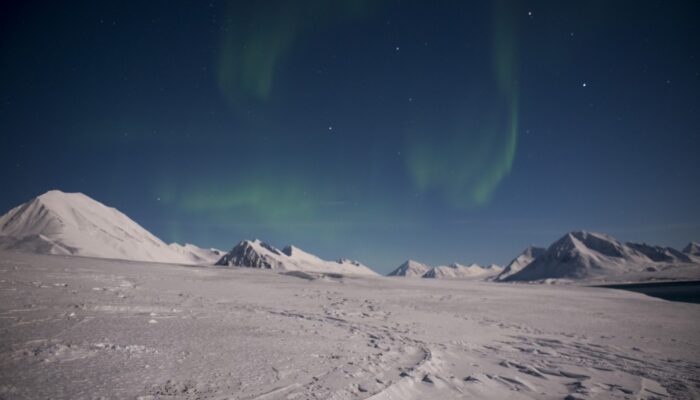
Aurora Borealis, which means Northern Lights are caused by electrically charged particles from the sun, which enter the Earth’s atmosphere and collide with gases such as oxygen and nitrogen. When the charged particles are blown towards the Earth by the solar wind, they are largely deflected by the Earth’s magnetic field. However, the Earth’s magnetic field is weaker at the poles and therefore some ...[Read More]

July GeoRoundUp: the best of the Earth sciences from around the web

July GeoRoundUp: the best of the Earth sciences from around the web

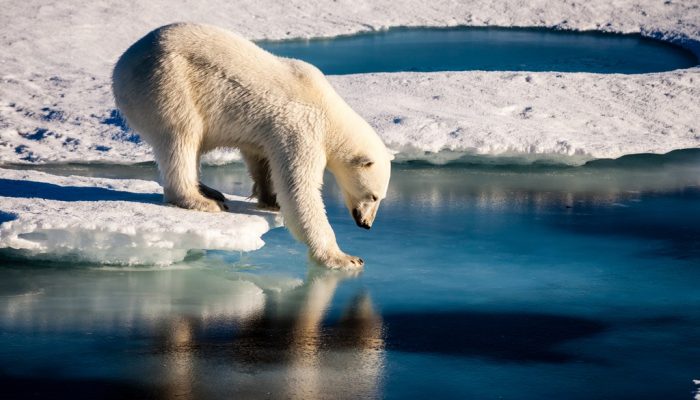
Drawing inspiration from popular stories on our social media channels, major geoscience headlines, as well as unique and quirky research, this monthly column aims to bring you the latest Earth and planetary science news from around the web. Major story The world soaks up the sun This summer our planet experienced the hottest June in recorded history, with the average global temperature reaching 16 ...[Read More]

Imaggeo on Mondays: Sunset and moonrise at Yosemite

Imaggeo on Mondays: Sunset and moonrise at Yosemite

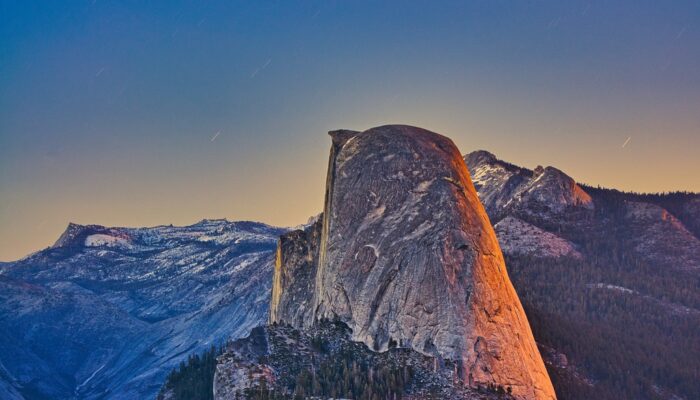
This side view of Half Dome at Yosemite National Park (California, USA) was taken from Washburn Point, a less frequented overlook a few hundred meters away from the popular Glacier Point outlook. The sun just on the right side behind the camera, which gave the orange tint to the back side of Half Dome. At the same time a full moon was mere minutes from bursting in the background, which resulted in ...[Read More]

IGLUNA: students work towards building an icy human habitat on the Moon!

IGLUNA: students work towards building an icy human habitat on the Moon!

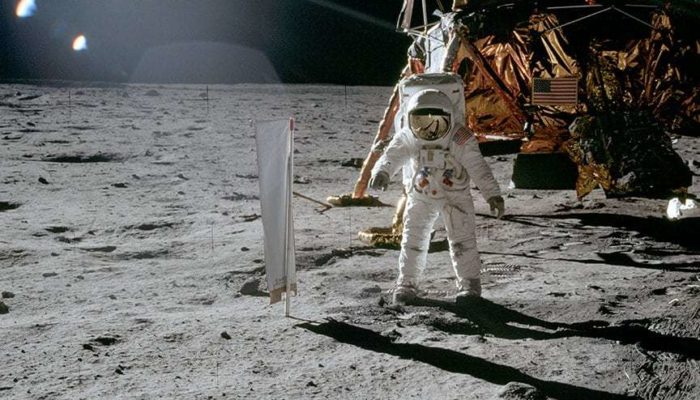
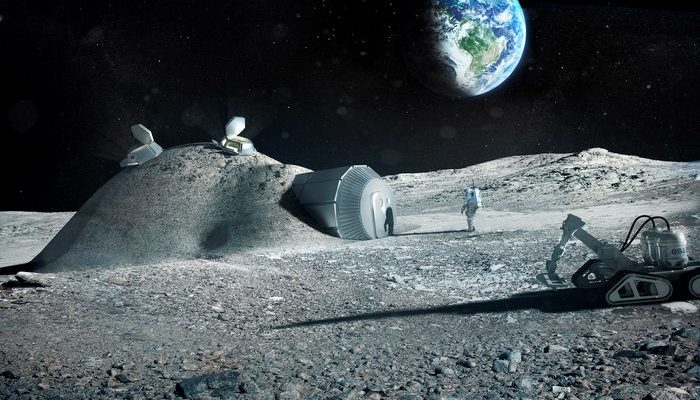
What does it take to build a habitat in ice on the Moon? An international group of university students and professionals is working together to provide this answer and develop a sustainable and operational habitat in lunar ice. The project is called IGLUNA and is organised by the Swiss Space Center and the European Space Agency (ESA) as the first initiative from ESA_Lab, an ESA interuniversity res ...[Read More]