Your research deserves recognition beyond your peer-reviewed paper. While academia is often considered the hallmark for knowledge generation, the dissemination of your work should take further steps so that your scientific research can reach the people it is meant to help. Because your audience may not always be experts in your field and may require …[Read More]
Media
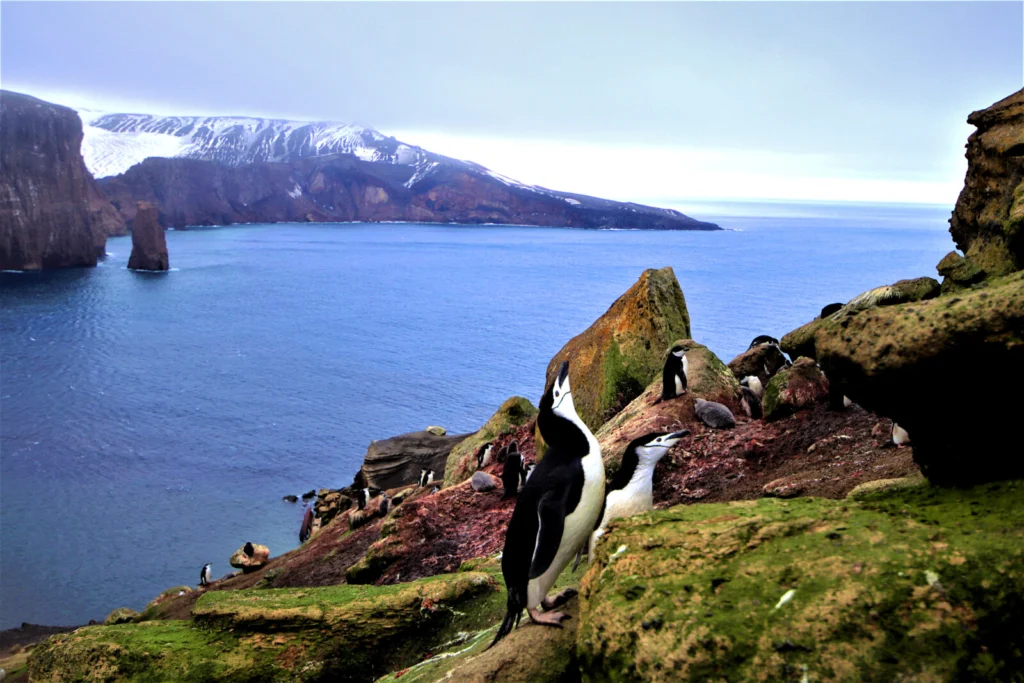
Predators or gardeners: how penguins fertilise Antarctica’s biodiversity
On the desolate Antarctic peninsula, a colony of penguins creates a hub of biodiversity. One may ask, how exactly do those aquatic birds help maintain and enrich the variety of different kinds of organisms from plants and animals, to a wide range of insects and micro-organisms that live on our planet? The answer is quite …[Read More]
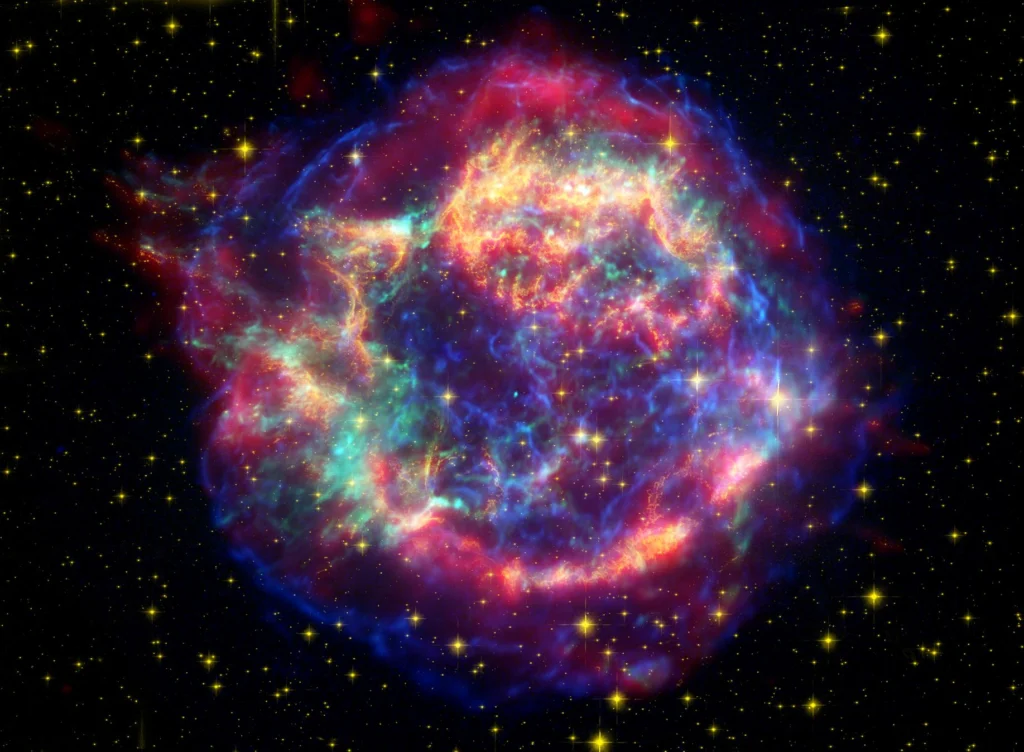
Looking for answers towards the stars: stone tools and nuclides unveil the earliest solid evidence of humans in Europe
When stars explode, supernova-style, the explosion sets off streams of high energy particles across the universe, mainly protons and alpha particles, that after millions of years reach us here on Earth. Secondary cosmic rays pass through our bodies and almost everything around us, and they penetrate a few meters into the ground where they interact …[Read More]
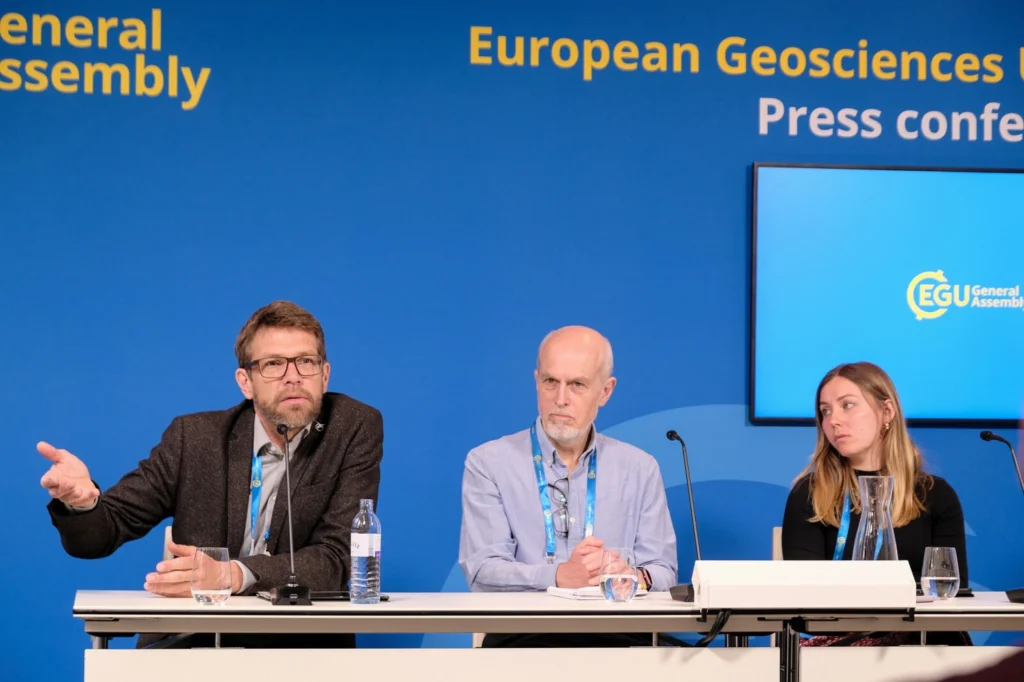
Past ice and future predictions – scanning and drilling the changing Antarctic ice
Did you know that some of the scientists of each General Assembly get invited to a press conference to face a group of curious journalists? I did not – but as press assistant for the #EGU24, I had the unique chance to attend the press conference “Unveiling Antarctica’s secrets: new research brings us one step …[Read More]
What’s beneath Tenerife? Innovative Monitoring Techniques Reveal the Island’s Volcanic Activity
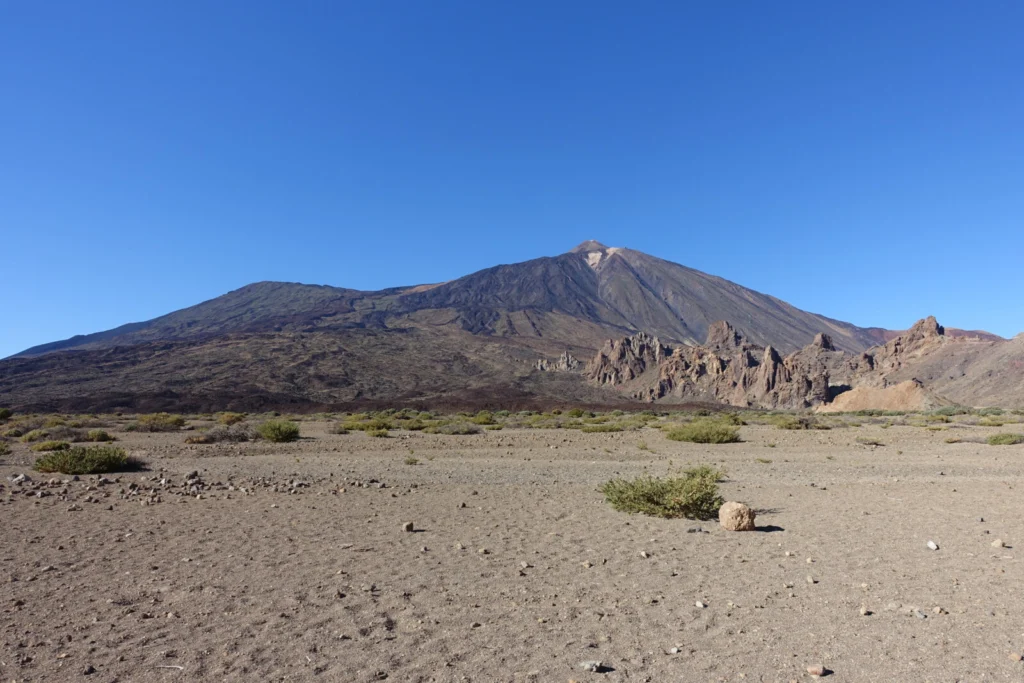
Tenerife, the largest active volcanic island in the Canarian archipelago, encompasses a diverse landscape shaped by volcanic activity. This picturesque island of the Mediterranean not only boasts stunning vistas but also harbours a dynamic volcanic system that requires diligent monitoring. In recent years, an international team of researchers from Instituto Volcanológico de Canarias (INVOLCAN), Instituto …[Read More]
GeoTalk: Gillian D’Souza reflects on her time as EGU’s Media Relations Manager
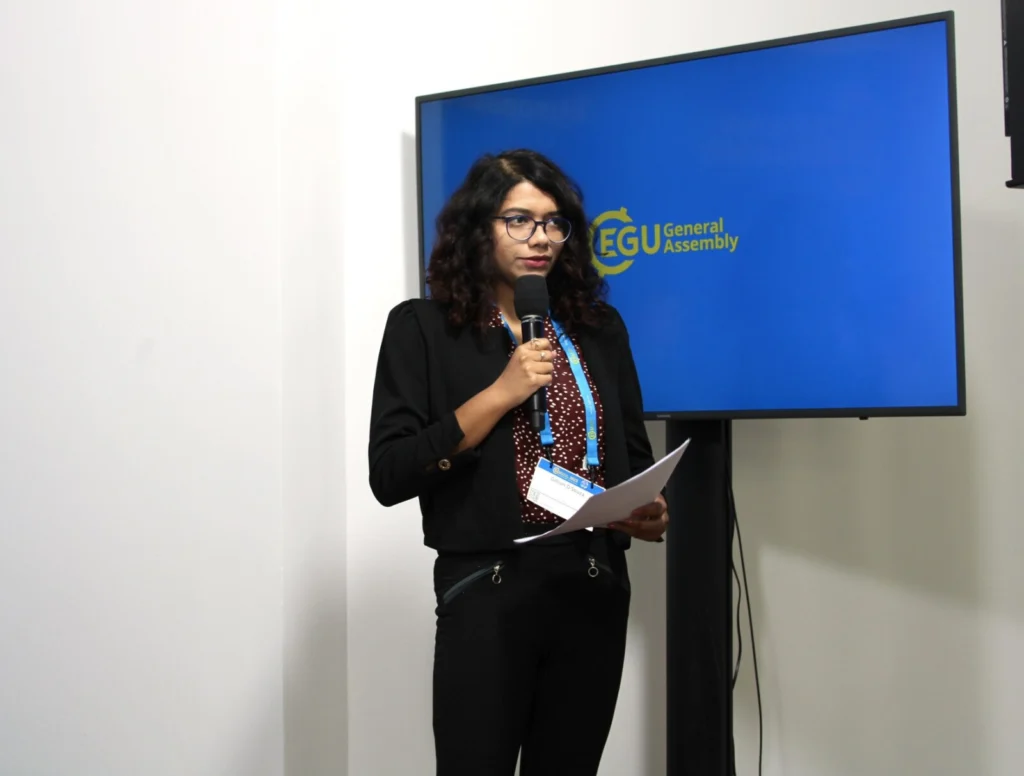
Gillian D’Souza is the European Geosciences Union’s outgoing Media Relations Manager. During her time at EGU Gillian deftly handled the Union’s media interaction and made strides in developing how the Union works with journalists. With Gillian now leaving EGU, we asked her to reflect on her time working for the Union at the science-media interface. …[Read More]
Congratulations to the winners of the best EGU blogs of 2023!
If you’re a regular reader of the EGU blogs, you may notice a certain annual tradition of ours: we like to celebrate the contribution of our science writers and bloggers over the year gone by. And 2023 was no exception of course; we had a number of inspiring and thought-provoking blog posts published across the …[Read More]
AI-based tools in scientific publishing: to what extent can we rely on them?
Academic publishing has considerably evolved in response to technological developments. Current discussions revolve around the rise of generative Artificial Intelligence (AI) tools or Large Language Models (LLM). They exceed the capabilities of simple spelling and grammar checkers or translation software and their use in the publication process has several implications that need to be considered. …[Read More]
The many ways of using art for science education: by artist and illustrator Heike Jane Zimmermann
This week – on 24 January – the world observed the International Day of Education. At EGU, it felt like the perfect time for us to explore the intersection of science and art, and how they can be used in creative ways to educate and inform people regardless of their age and background. I spoke …[Read More]
The Global South Climate Database: one thousand experts in one year!
Climate change is one of the most urgent problems facing humanity today. Every corner of the planet is already feeling the impacts of climate change, from devastating heatwaves to sweeping floods. The wealthy and powerful are responsible for the lion’s share of greenhouse gas emissions. Yet, the impacts of climate change are disproportionately felt by …[Read More]