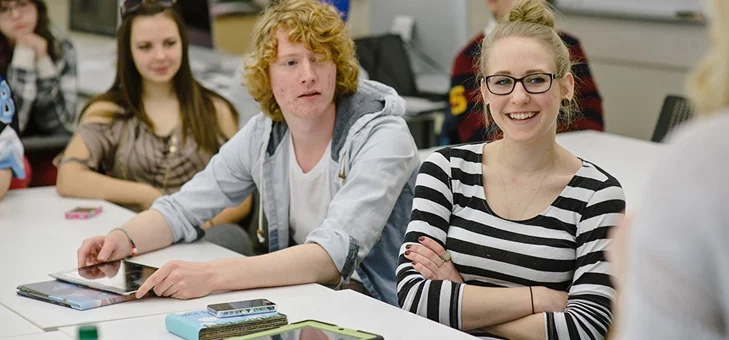
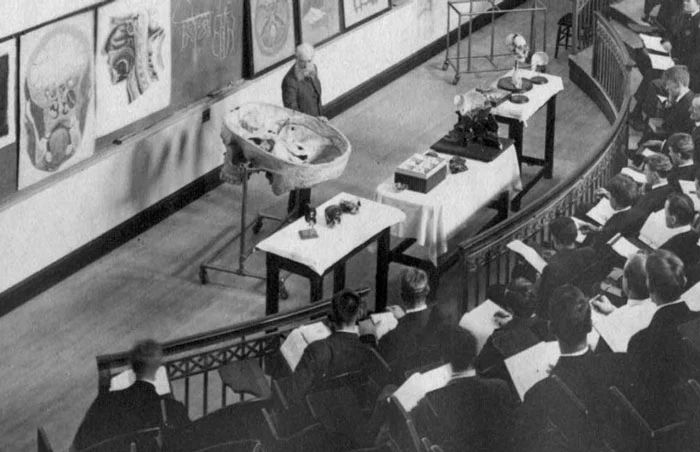
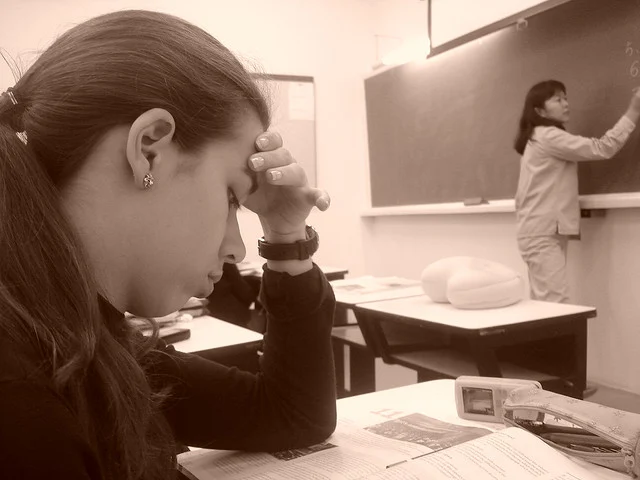
Engaging students (regardless of age) during lessons can be difficult with a whole host of factors influencing their disposition to listen and learn. The same is true when carrying out public outreach and engagement activities. In both instances the key is to captivate the full attention of the audience and make the subject you are trying to teach come to life. A task often easier said than done. ...[Read More]
GeoEd: A Framework Too Far?
In this month’s edition of GeoEd, Sam Illingworth, former ECS PC representative and Lecturer of Science Communication at Manchester Metropolitan University, talks about a new framework introduced by the UK government to measure the quality of teaching at higher education institutions. Although Sam explores the issue from a UK perspective, there is no doubt cross over within the European realm. Als ...[Read More]
GeoEd: EGU General Assembly and GIFT 2015
The most recent issue (Winter/Spring 2015) of the Teachers Clearinghouse for Science and Society Education Newsletter includes a piece, by Earth Science Correspondent, Michael J. Passow, on the 2015 General Assembly and the GIFT (Geosciences Information For Teachers) Workshop. Passow gives an account of this year’s workshop, on the topic of mineral resources, and outlines the participating teacher ...[Read More]
GeoEd: Social Communications
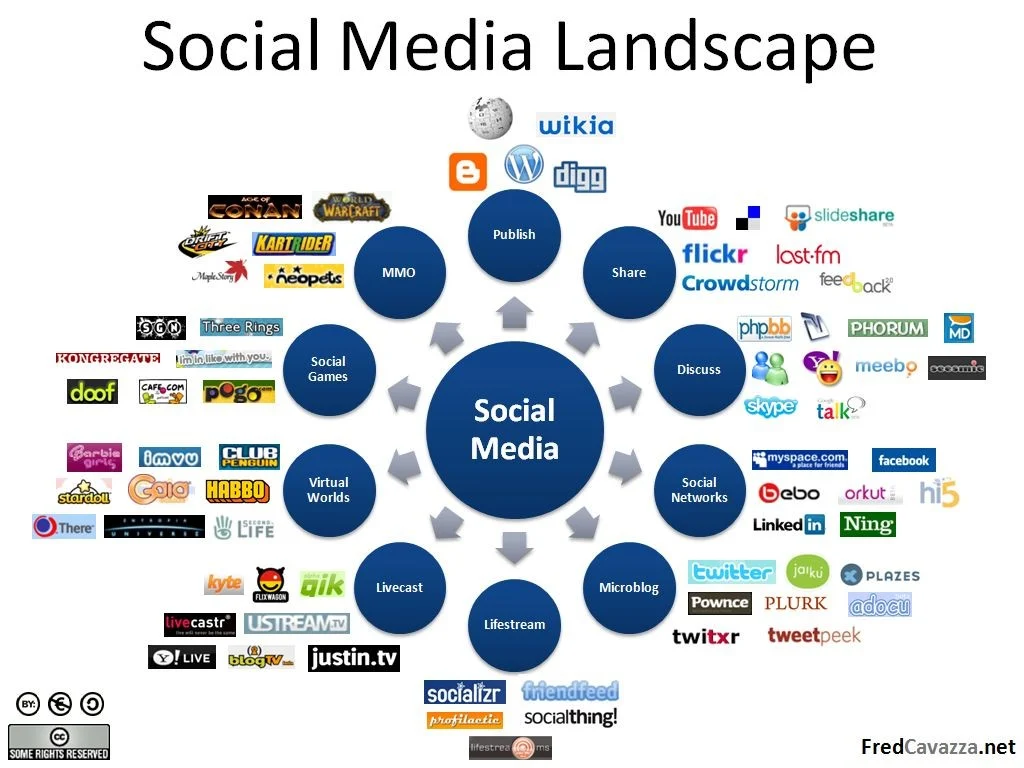
We all know that social media is an excellent way in which we can communicate our research (and indeed our rants, dreams, and favourite cat pictures) to the general public, but can we also use it to communicate our research in the classroom? From kindergarten to higher education, social media can be a fantastic learning tool, which can help to open up digital windows into the world of geosciences. ...[Read More]
GeoEd: I’m a Geoscientist 2015
Imagine a talent show where contestants get voted off depending on their skills in their area of choice. Then imagine that this talent show is populated by geoscientists with school students voting them off based on the scientist’s ability to communicate their research well. This is the basis of an educational initiative called I’m a Geoscientist, a spinoff of UK’s I’m a Scientist. I’m a Geoscient ...[Read More]
GeoEd: Why So Serious?
In this edition of GeoEd, Sam Illingworth, a lecturer in science communication at Manchester Metropolitan University, explores the benefits of a more informal teaching style and how the incorporation of play into everyday teaching can help to engage and enthuse students who oterhwise struggle to connect with the sciences. Despite the hard work, there are some real perks to being a scientists: fiel ...[Read More]
GeoEd: Lessons from the EGU 2014 GIFT Workshop
Today’s GeoEd post is brought to you by Susan Tate, an 8th grade teacher from Michigan in the USA. Susan attended the GIFT workshop held during the General Assembly last year. The GIFT programme offers primary school to high school teachers the opportunity to upgrade their knowledge in geophysical themes and to shorten the time between new discoveries and textbook information. After three d ...[Read More]
GeoEd: Education vs. Communication
In this guest blog post, Sam Illingworth, discusses the perceived differences between science education and science communication in light of a recent publication on this very subject. If you are involved in either of these, we’d love to hear your opinions on how you think they differ (if at all) and how the approach to engaging the public might differ too! We look forward to your comments. The Jo ...[Read More]
GeoEd: A risky business
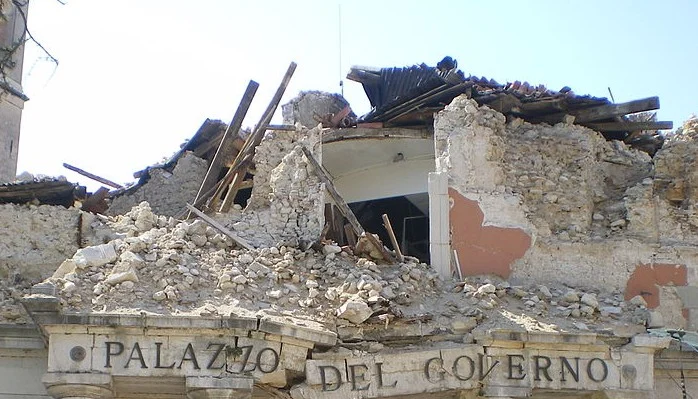
In this month’s GeoEd post, Sam Illingworth explores the pitfalls of being a scientist in the public eye. Following the recent acquittal of 6 geoscientists on manslaughter charges after ‘failing’ to predict the 2009 L’Aquila earthquake, is it time we thought about improving how risk is communicated to the wider public? At the beginning of November of this year, six Italian scientists were acquitte ...[Read More]
Connecting Earth scientists and school students – Apply to take part in I’m a Geoscientist!
What and when Imagine a talent show where contestants get voted off depending on their skills in their area of choice. Then imagine that this talent show is populated by scientists with school students voting them off based on the scientist’s ability to communicate their research well. This is the basis of a recent EGU educational initiative that launched earlier in 2014, and that will return in 2 ...[Read More]