GeoLog

Ocean Sciences

Mangroves at the edge: Coastal ecosystems in a year of climate extremes
Mangroves at the edge: Coastal ecosystems in a year of climate extremes
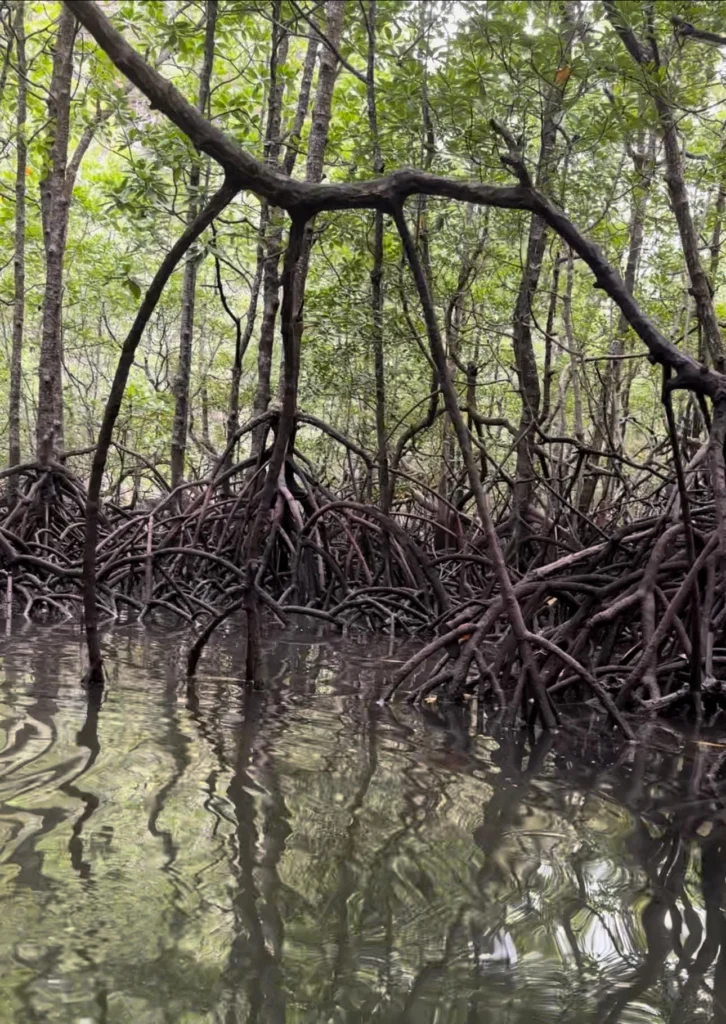
This Sunday, July 26, marks the International Day for the Conservation of the Mangrove Ecosystem. We are currently experiecing critical crossroads globally, where groundbreaking data on global forest recovery collides with the immediate threats of an escalating climate crisis.El Niño is pushing Pacific sea surface temperatures toward levels that rank among the highest on record, and climate specia ...[Read More]

Taking Pride in our planet: Protecting oceans for queer and trans survival

Taking Pride in our planet: Protecting oceans for queer and trans survival

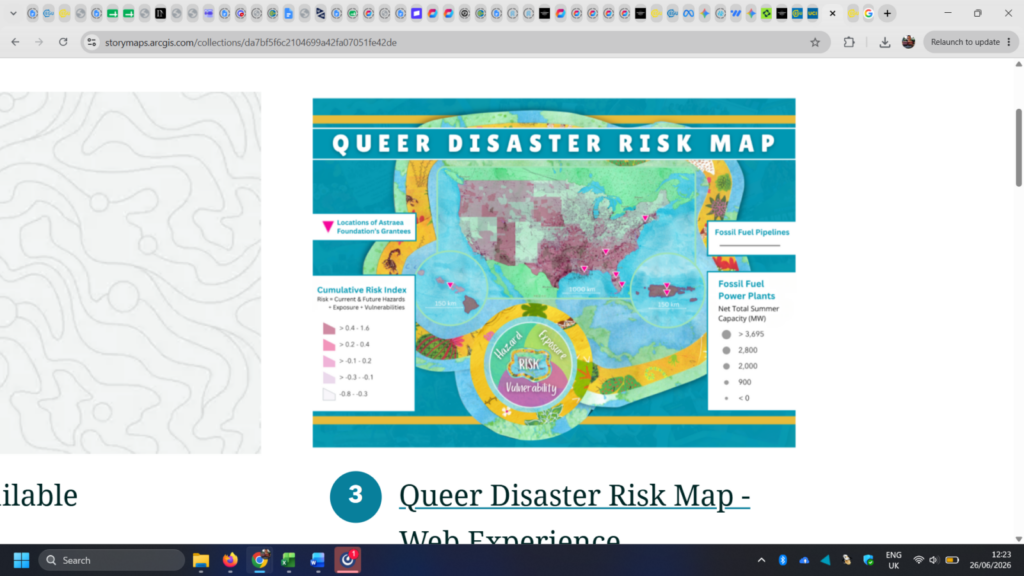
In Spring of 2025, just as I was preparing to release the Queer Climate Justice StoryMap I had been building for two years, I received a difficult email from my lead community collaborator, an LGBTQ+ foundation, describing the devastating legal and financial situation the newly inaugurated Trump administration had put them in. We decided to set the project to private to protect the queer and trans ...[Read More]

Footprints reveal climate’s mark on mudflats

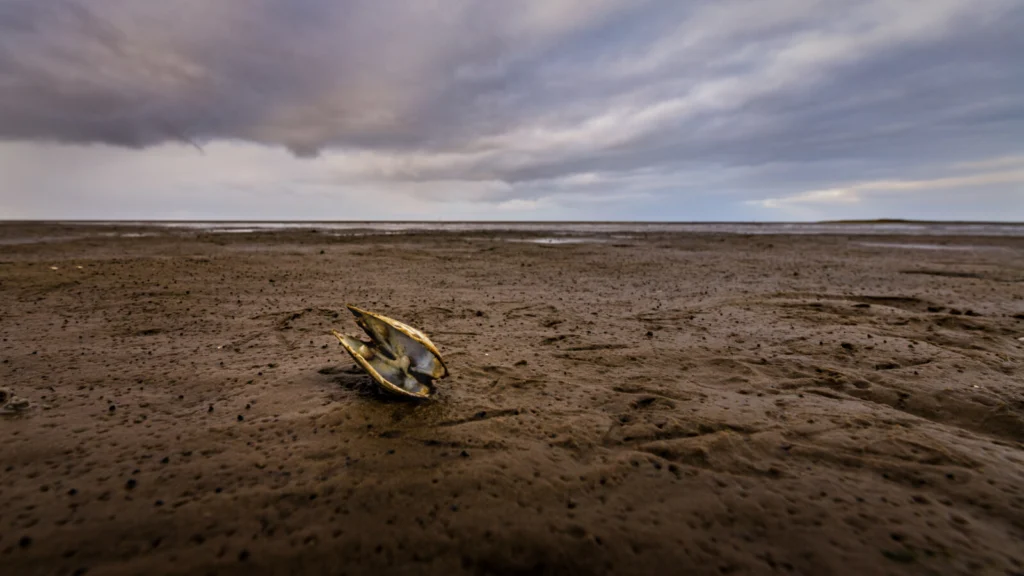
Footprints reveal climate’s mark on mudflats

Tidal flats, the muddy reaches of estuaries unveiled at low tide, support rich ecosystems and fisheries worldwide. But these habitats are under threat from climate change, as sea level rise overwhelms the landscape and heavy rainfall scours away the sediment – impacts that scientists are only just beginning to explore. In an effort to understand how shellfisheries are affected by climate change, a ...[Read More]

The International SeaKeepers Society Powers NOAA’s Groundbreaking Ocean Mapping Breakthrough for Seabed 2030

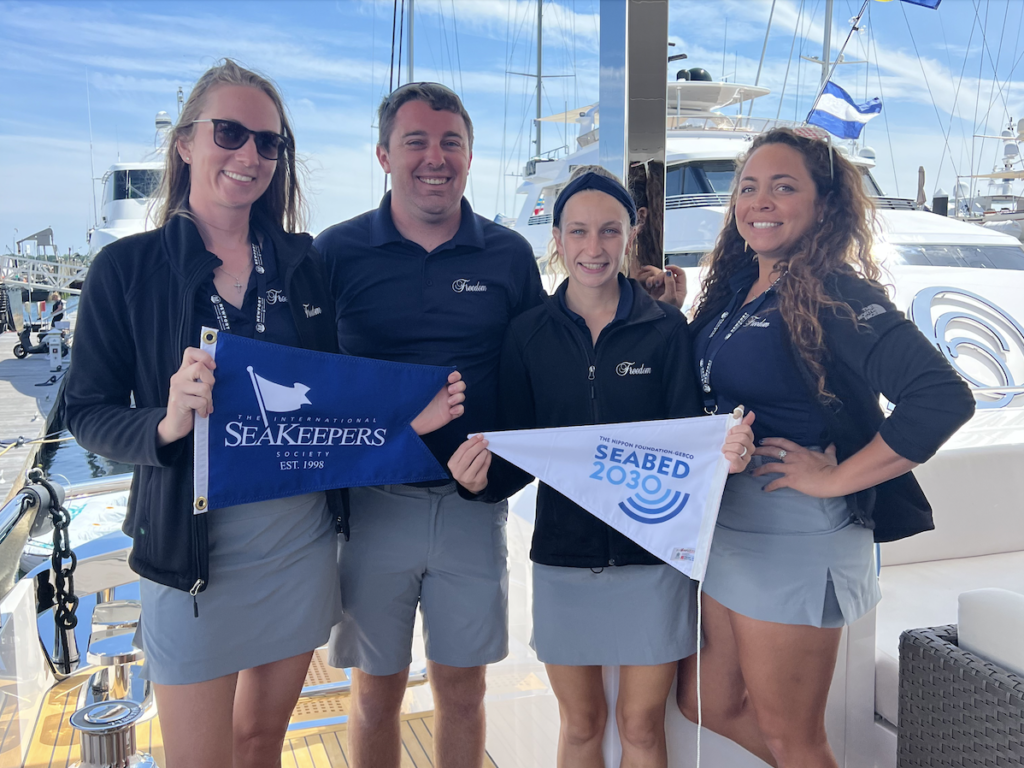
The International SeaKeepers Society Powers NOAA’s Groundbreaking Ocean Mapping Breakthrough for Seabed 2030

In a bold leap toward mapping Earth’s final frontier, the seafloor, The International SeaKeepers Society (SeaKeepers), a global non-profit organisation, is proud to support a historic advancement in this effort. As part of the global Nippon Foundation-GEBCO Seabed 2030 Project, SeaKeepers has been mobilising private yachts through its DISCOVERY Fleet since 2021 to collect vital seafloor data. Sinc ...[Read More]

Can seabed mapping help restore our blue planet?

Can seabed mapping help restore our blue planet?

Some humans are racing to map the moon, Mars, and the stars, yet the very ground beneath our oceans remains largely unknown. What does it say about us, that we can chart the craters of distant planets before we bother to understand the seafloor that feeds us, cools us, and regulates our climate? In an age of climate breakdown, ecological collapse, and blue economy buzzwords, the seabed has become ...[Read More]

Surf’s up and so are marine heatwaves! How AI is forewarning the Mediterranean’s ocean sizzle

Surf’s up and so are marine heatwaves! How AI is forewarning the Mediterranean’s ocean sizzle

Imagine you’re standing on a rocky Mediterranean shore, early morning sun warming the air, the sea is calm and glassy. But away from sight and beneath that serene surface, there is a silent storm brewing. Marine heatwaves are sweeping across the basin, warming the water in ways that disrupt ecosystems, hit fisheries, and threaten everything from coral reefs to coastal livelihoods. That’s whe ...[Read More]

Ocean hypoxia: what does the increase of dead zones mean for marine life?

Ocean hypoxia: what does the increase of dead zones mean for marine life?

When runoff from farmland and urban areas enters our streams and rivers, it carries a heavy load of fertilizers and nutrients. These substances accumulate and flow into our coastal oceans, triggering a series of reactions that can create hypoxic ‘dead zones’. Dead zones are low-oxygen, or hypoxic, areas in the world’s oceans and lakes. Because most organisms need oxygen to live, very f ...[Read More]

GeoTalk: meet Alessandro Silvano, winner of the 2024 Ocean Sciences Division Outstanding ECS Award!

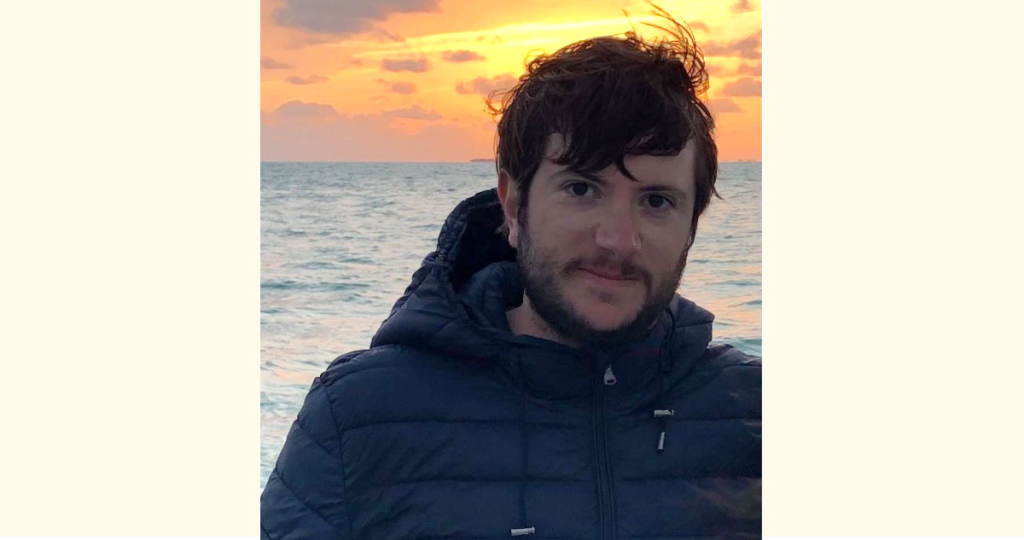
Alessandro Silvano

Hello Alessandro. Thank you for joining me for this edition GeoTalk! Could you tell our readers about your background before we dive in?  I am an oceanographer based at the University of Southampton (UK). I am interested in polar oceanography and ice-ocean interactions. The focus of my work is to understand the processes that control ocean heat transport toward rapidly-melting Antarctic glaciers. ...[Read More]

The world of hydrography calls for more hands on deck

The world of hydrography calls for more hands on deck

This week on 21st June, governments around the world observed World Hydrography Day to celebrate the role of hydrography in understanding the seas. Though initially thought to be a field limited to the navigation of ships, hydrography is being increasingly recognized for its knowledge contribution to the oceans, seas, coastal areas, lakes and rivers, as well as with predicting their change over ti ...[Read More]

GeoTalk: meet Freija Mendrik, researcher of microplastics pollution in coral reefs!

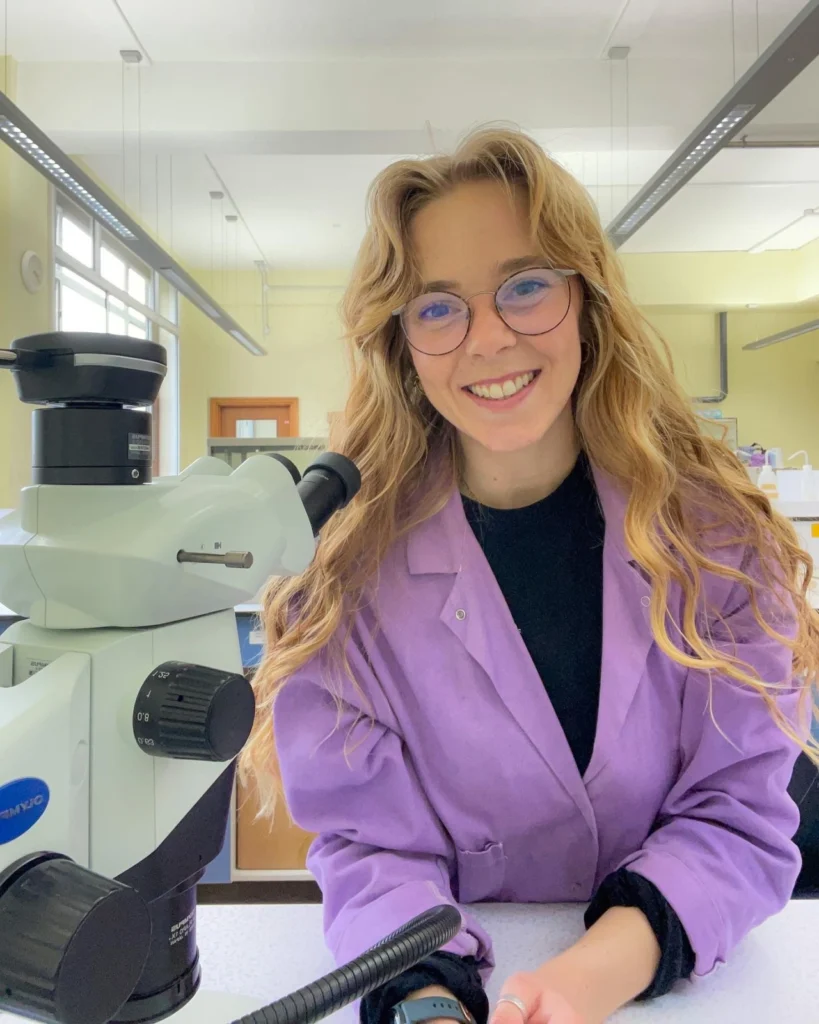
Freija Mendrik

Hi Freija. Thank you for joining us today! Could you tell our readers a bit about yourself before we dive in? Hi Simon, thanks for inviting me! I’m a marine scientist based in the UK specialising in microplastic pollution but my work has taken me across many different disciplines from physical geography to ecotoxicology. Recently my research has focused on trying to understand what impacts the tra ...[Read More]