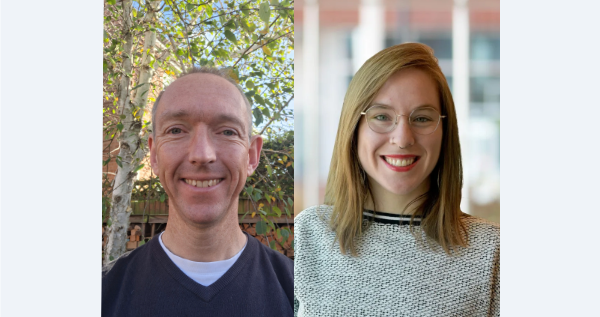
Welcome to GeoTalk, Caitlyn and John! Could you please briefly introduce yourselves to our readers? John Hillier (Interim Division President): I have a very mixed research background. I started off in marine geophysics and then I moved to glacial geomorphology. At the end of that I worked for an insurance company as a catastrophe modeller, …[Read More]
Education
“Buried Alive by the National Coal Board”: Commemorating the 60th Anniversary of the Aberfan Mining Disaster
Aberfan is located in the South Wales Valleys and developed as a coal mining village during the industrial revolution in the mid-1800s. The village is much like any of the other villages scattered across the region – rows on rows of small terrace houses, nestled into the sides and bottom of steep, glacially eroded valleys. …[Read More]
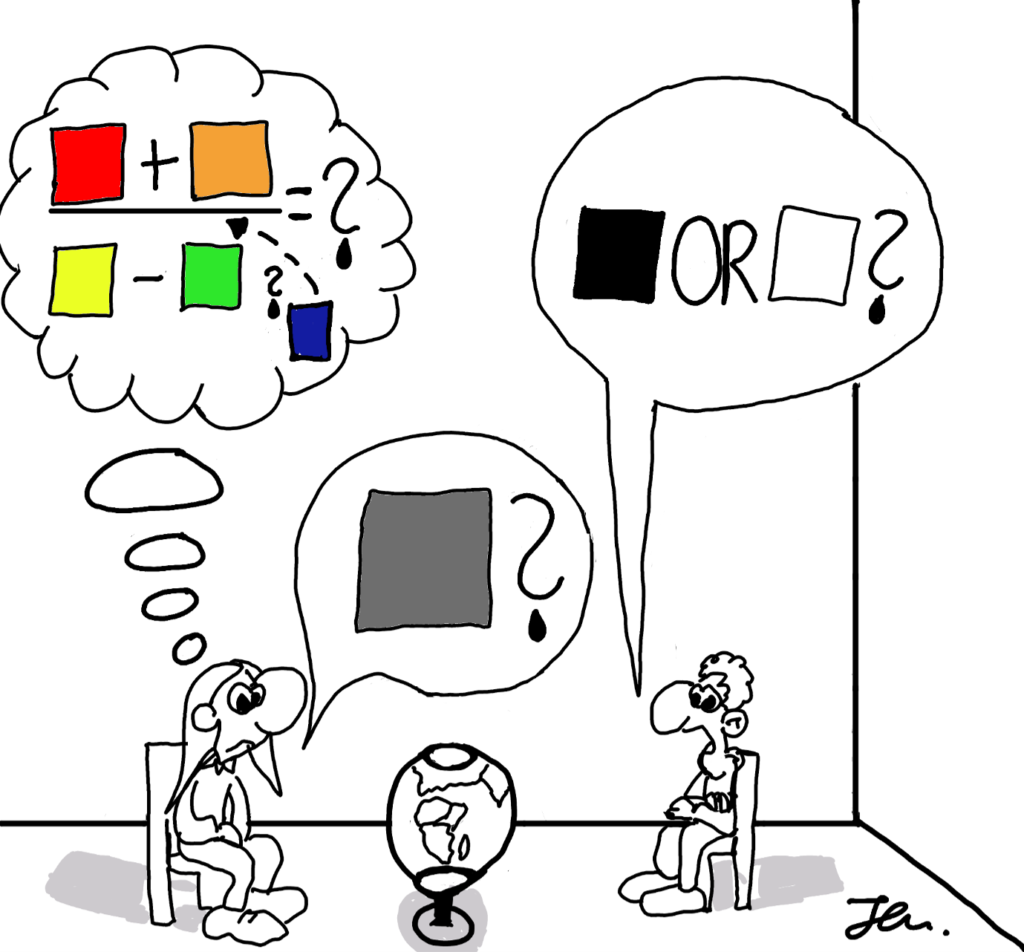
In defence of uncertainty: Why we can’t avoid it and why we need it
Welcome to the second post in our GeoLog series on communicating uncertainty! Written by students from an interdisciplinary course at the University of Tübingen led by Dr. Solmaz Mohadjer, this series highlights how reframing the unknown as a strength can transform science communication. In this piece, Ana Isidora Ciobanu and Sarah Lind show why uncertainty …[Read More]
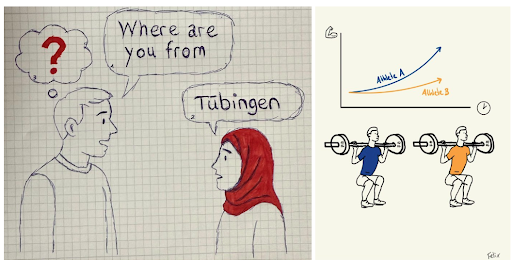
Communicating uncertainty in science : A pandemic of uncertainty?
Welcome to the first post in our new GeoLog series on communicating uncertainty! Written by students from an interdisciplinary course at the University of Tübingen led by Dr. Solmaz Mohadjer, this series explores how reframing uncertainty as a strength can enhance science communication. In this opening piece, Berenice Schramm and Benni Suchalla examine one of …[Read More]
Communicating uncertainty in science: Student perspectives from the University of Tübingen
Welcome to a new series on GeoLog dedicated to one of the most critical yet frequently misunderstood aspects of research: Communicating uncertainty in science. Over the coming months, we will feature six guest posts written by students from a summer course at the University of Tübingen. Bringing together 13 students across diverse disciplines, the course …[Read More]
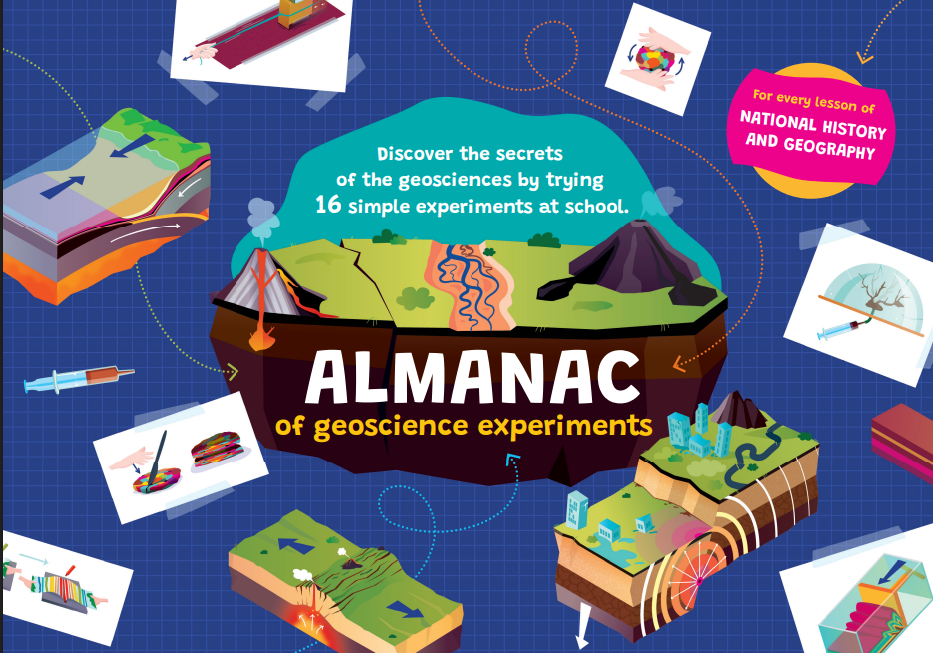
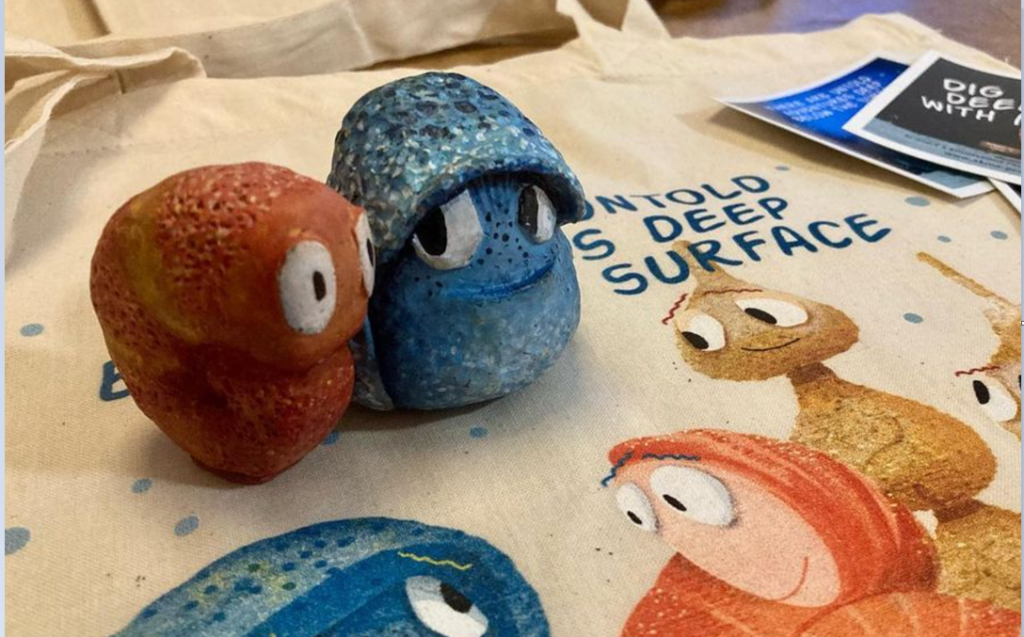
The day I realised I had nothing to offer teachers: The story behind Almanac of Geoscience experiments
For more than a decade, I have spent a large part of my time not only doing research in planetary science, but also visiting schools, science festivals, public events, and talking to children, teachers, and everyone interested in geosciences. During these outreach activities I repeatedly encountered the same problem. People were genuinely curious about volcanoes, …[Read More]
What can EGU do for you? A guide to funding, waivers and assistance
The European Geosciences Union (EGU) is Europe’s leading organisation supporting Earth, planetary, and space science researchers. As a non-profit, we help over 20,000 researchers connect, discuss and share their work through meetings, publications and events, but do you know all the ways EGU has funding and opportunities that can support you? Travel support! EGU has many …[Read More]
EGU support beyond the General Assembly: funding, workshops and more this Summer!
The European Geosciences Union isn’t all about the General Assembly, but delivers opportunities to learn, develop and network all year long! With many driven and developed by our volunteers in our committees and working groups, our initiatives cover a breadth of topics and formats, including training, funding, and more. The list below covers just some …[Read More]
AI in science: the ethical experiment we didn’t design
Artificial Intelligence, and its rapid incursion into the (geo)sciences, was already impossible to ignore at last year’s EGU General Assembly. (you can read my reflections then in this blog post) This year, unsurprisingly, it felt equally present. On Thursday, I attended the Great Debate on “The ethics of using AI in Geosciences: opportunities and risks”, …[Read More]
What’s on at EGU26: highlights from the Outreach and Education Committees
There are so many great events to participate in at EGU26 this year, in both on-site and virtual formats, that it can be very easy to feel overwhelmed. Whilst we encourage you to make good use of your Personal Programme to help organise your activities, we also reached out to several of EGU’s Committees that …[Read More]