GeoLog

Cryospheric Sciences

Imaggeo on Mondays: the remotest place on Earth?

Imaggeo on Mondays: the remotest place on Earth?

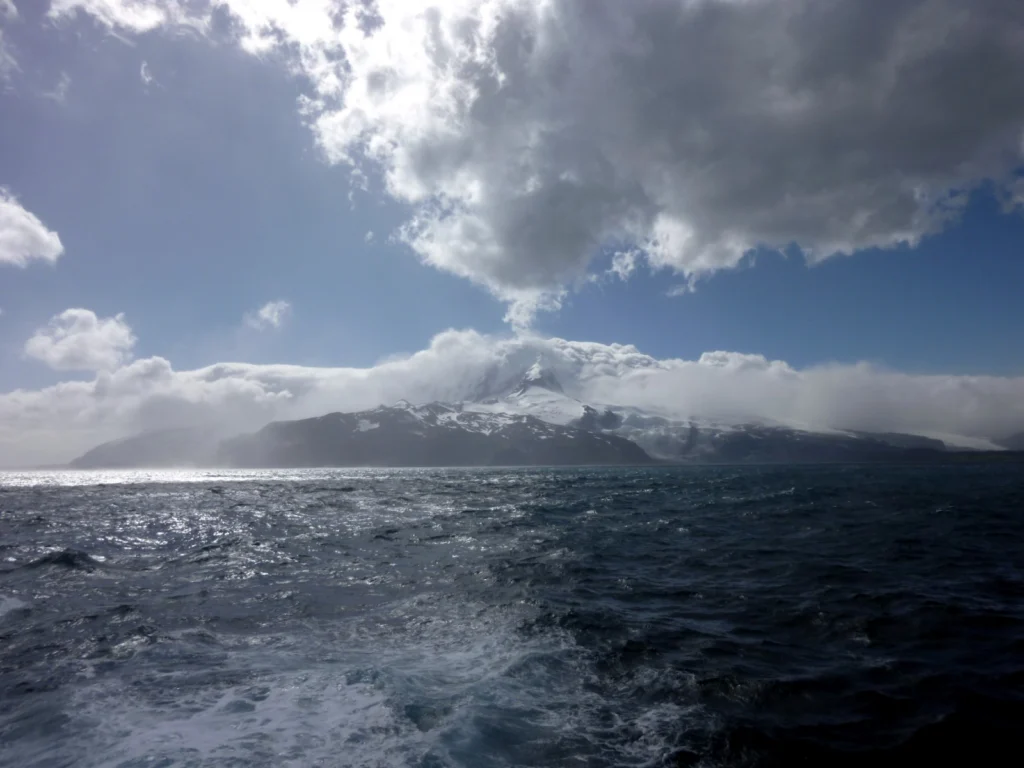
Perhaps a bold claim, but at over 4,000 km away from Australia and 4,200 km from South Africa, Heard Island is unquestionably hard to reach. The faraway and little know place is part of a group of volcanic islands known as HIMI (comprised of the Heard Island and McDonald Islands), located in the southwest Indian Ocean. Shrouded …[Read More]

The best of Imaggeo in 2016: in pictures

The best of Imaggeo in 2016: in pictures

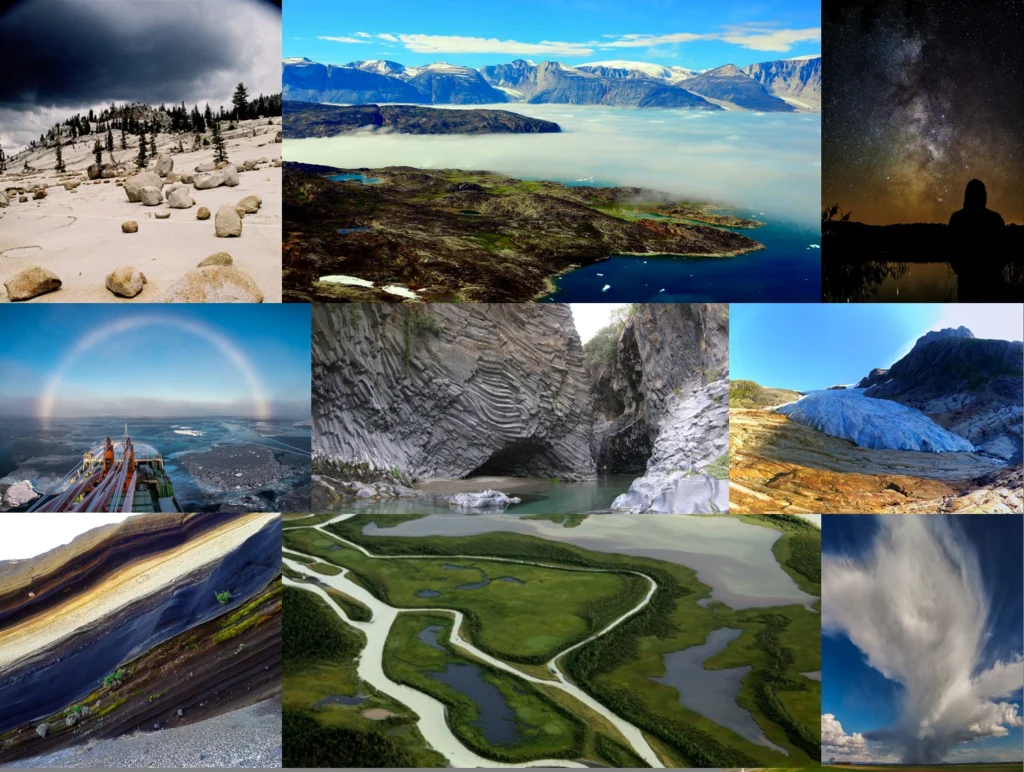
Imaggeo, our open access image repository, is packed with beautiful images showcasing the best of the Earth, space and planetary sciences. Throughout the year we use the photographs submitted to the repository to illustrate our social media and blog posts. For the past few years we’ve celebrated the end of the year by rounding-up some …[Read More]

Looking back at the EGU Blogs in 2016: a competition

Looking back at the EGU Blogs in 2016: a competition

The past 12 months has seen an impressive 360 posts published across the EGU’s official blog, GeoLog, as well as the network and division blogs. From a lighthearted Aprils Fools’ Day post featuring an extreme chromatic phenomenon (otherwise known as FIB); through to how climate change is affecting mountain plant’s sex ratios; features on natural …[Read More]

Imaggeo on Mondays: White rainbow in the Arctic

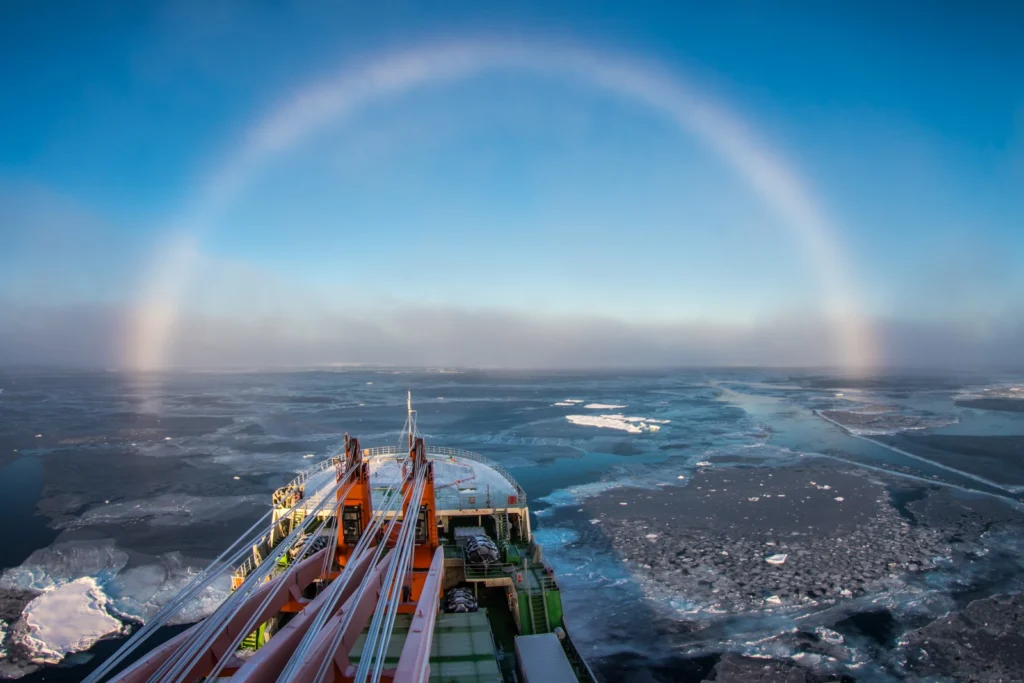
“Above the foggy strip, this white arch was shining, covering one third of the visible sky in the direction of the ship's bow,” he explains. “It was a so-called white, or fog rainbow, which appears on the fog droplets, which are much smaller then rain droplets and cause different optic effects, which is a reason of its white colour.”

Despite heading into the long polar night – the time when the sun doesn’t shine in the globe’s most northerly latitudes and when temperatures drop and thick sheets of sea ice form -the Arctic is reported to be 20° C warmer than average for this time of year.  Never has it been more important to …[Read More]

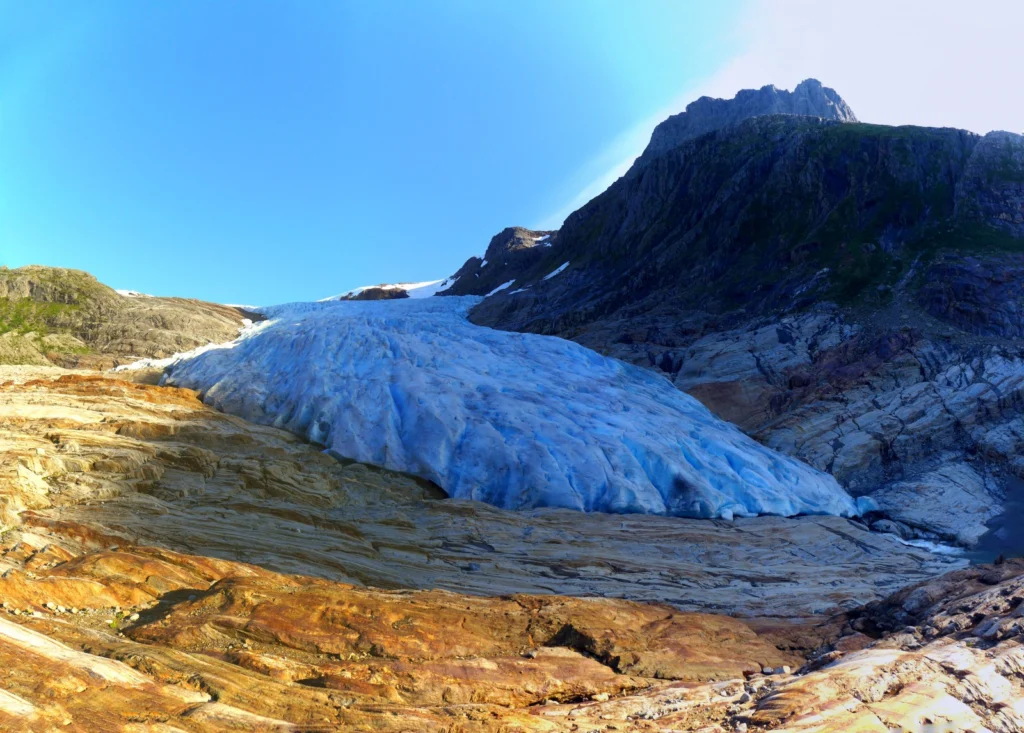
Imaggeo on Mondays: Why does a Norwegian glacier look blue?

Imaggeo on Mondays: Why does a Norwegian glacier look blue?

This picture shows the outlet glacier Engabreen running down from the plateau of Svartisen in Norway. Svartisen ice cap comprises two glacier systems of which the Vestre (western) Svartisen is Norway’s second largest glacier. Located right at the polar circle, Svartisen covers a total of 369 km² of the Nordland region. These coastal mountains accumulate …[Read More]