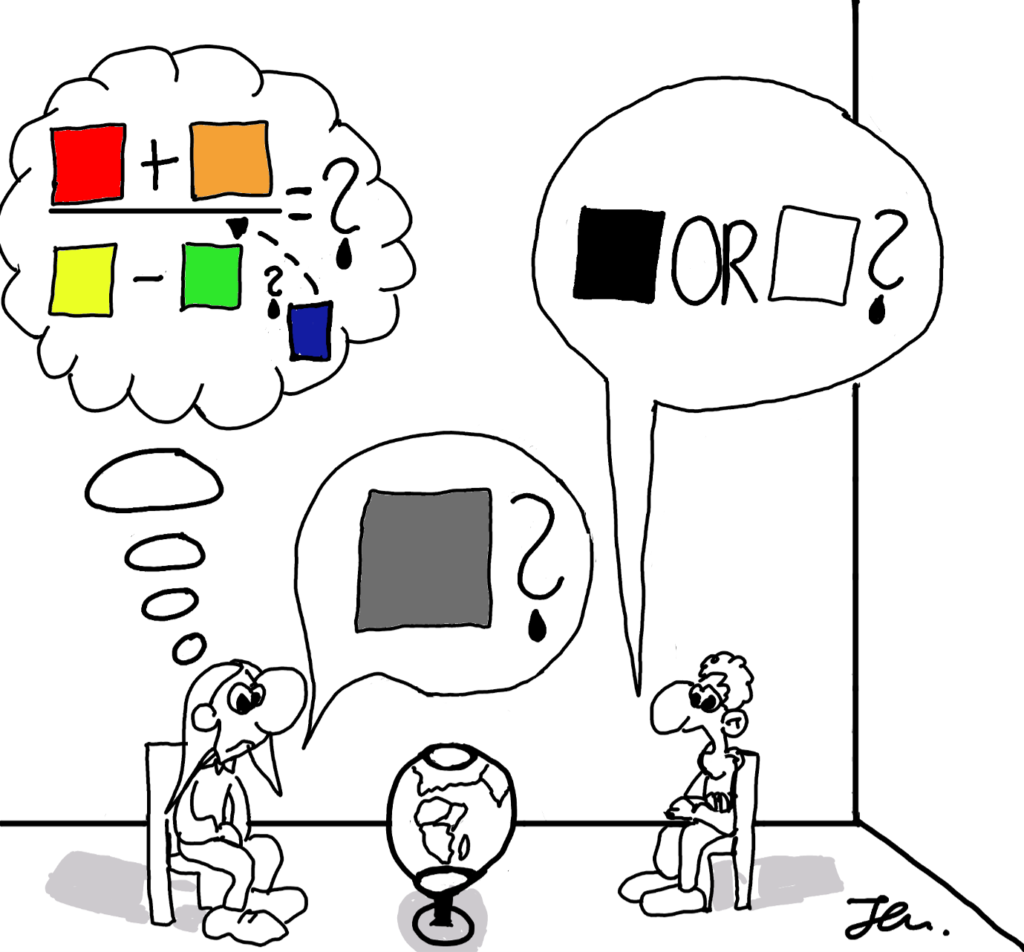
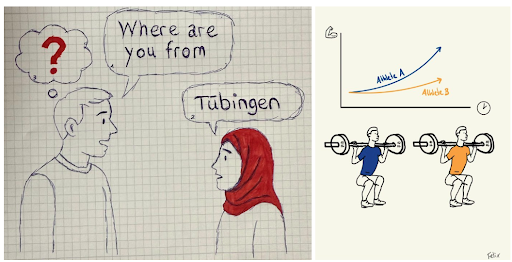
Welcome to the first post in our new GeoLog series on communicating uncertainty! Written by students from an interdisciplinary course at the University of Tübingen led by Dr. Solmaz Mohadjer, this series explores how reframing uncertainty as a strength can enhance science communication. In this opening piece, Berenice Schramm and Benni Suchalla examine one of …[Read More]
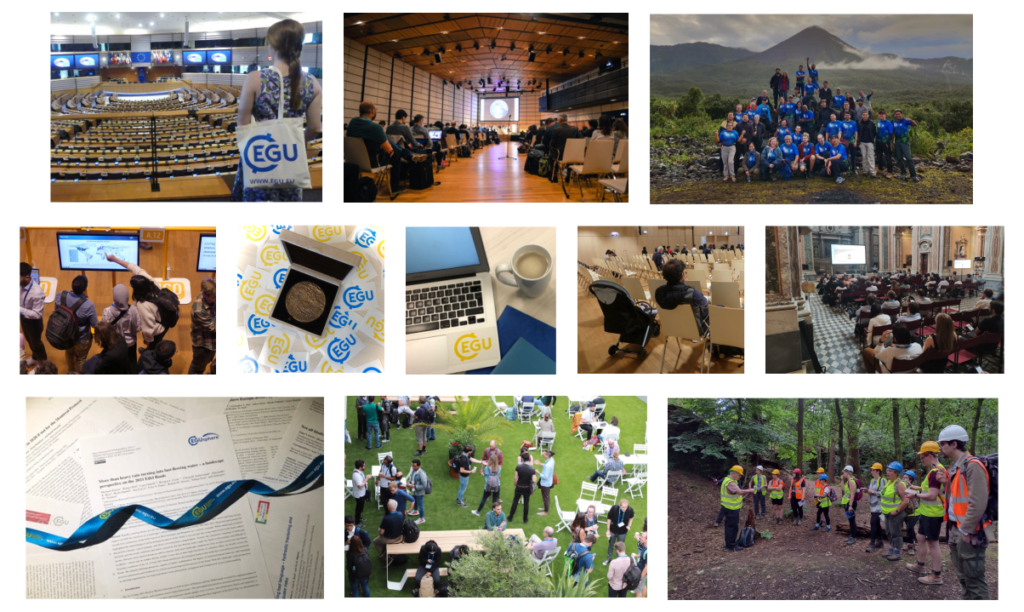
Accessibility and inclusivity at EGU
Communicating uncertainty in science: Student perspectives from the University of Tübingen
Welcome to a new series on GeoLog dedicated to one of the most critical yet frequently misunderstood aspects of research: Communicating uncertainty in science. Over the coming months, we will feature six guest posts written by students from a summer course at the University of Tübingen. Bringing together 13 students across diverse disciplines, the course …[Read More]
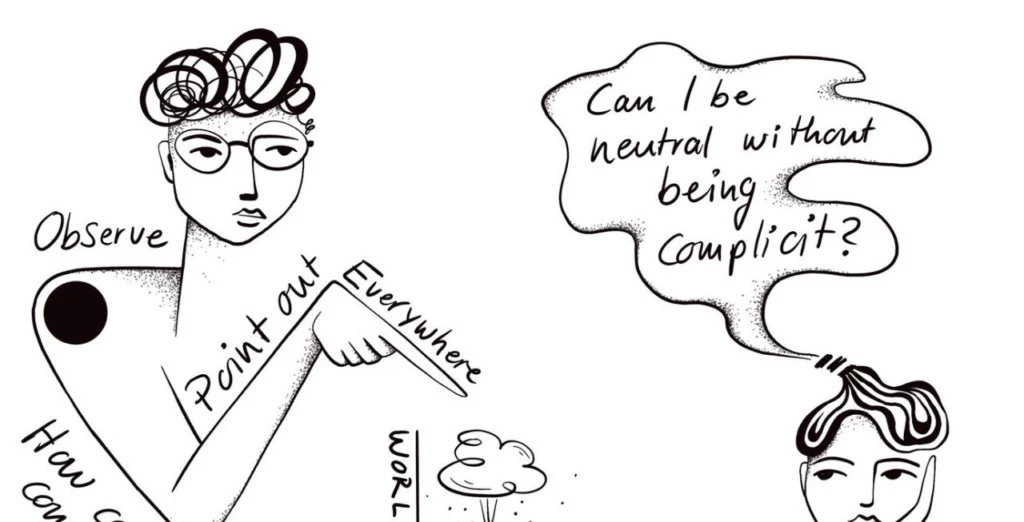
The myth of scientific neutrality: A vacuum we can no longer ignore
Another General Assembly has come to an end, and perhaps, many would agree on how inspiring and enriching the week was. Yet this year, being inside the EGU bubble felt particularly strange while the world outside is quite literally on fire. Wars, systemic violations of international laws and the acceleration of environmental crises continue to …[Read More]
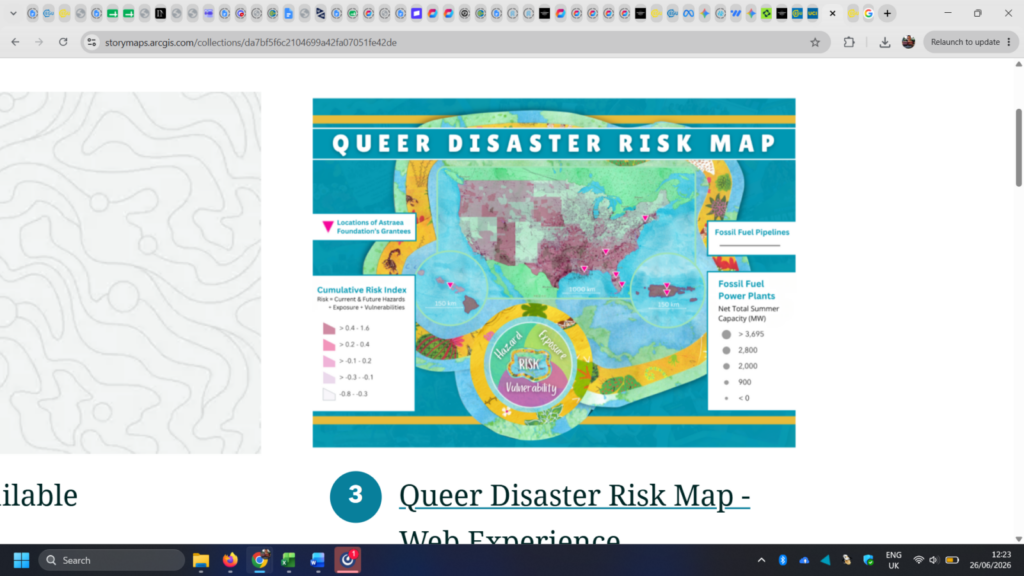
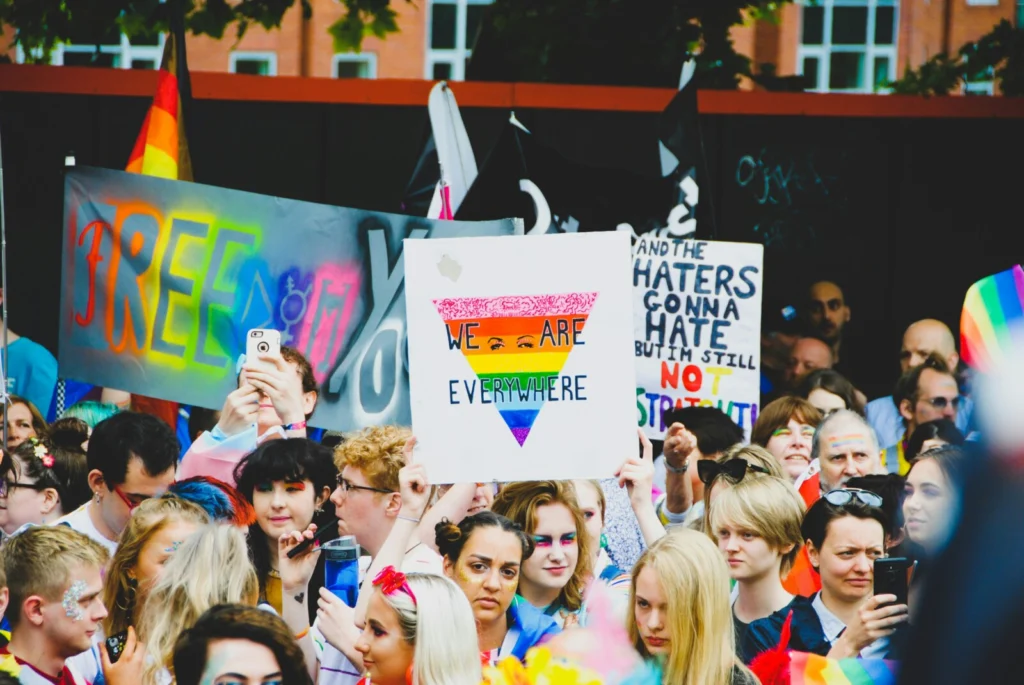
Taking Pride in our planet: Protecting oceans for queer and trans survival
In Spring of 2025, just as I was preparing to release the Queer Climate Justice StoryMap I had been building for two years, I received a difficult email from my lead community collaborator, an LGBTQ+ foundation, describing the devastating legal and financial situation the newly inaugurated Trump administration had put them in. We decided to set …[Read More]
The day I realised I had nothing to offer teachers: The story behind Almanac of Geoscience experiments
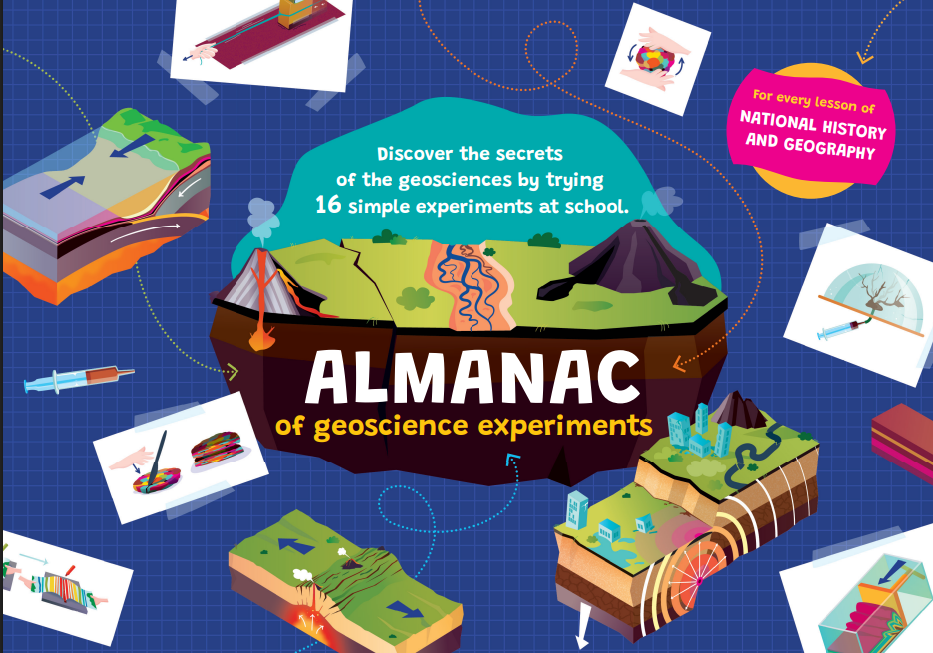
For more than a decade, I have spent a large part of my time not only doing research in planetary science, but also visiting schools, science festivals, public events, and talking to children, teachers, and everyone interested in geosciences. During these outreach activities I repeatedly encountered the same problem. People were genuinely curious about volcanoes, …[Read More]
What can EGU do for you? A guide to funding, waivers and assistance
The European Geosciences Union (EGU) is Europe’s leading organisation supporting Earth, planetary, and space science researchers. As a non-profit, we help over 20,000 researchers connect, discuss and share their work through meetings, publications and events, but do you know all the ways EGU has funding and opportunities that can support you? Travel support! EGU has many …[Read More]
Yes, Nature is transgender too! Between fish, fluidity and finding myself as a trans marine biologist
The journey to a Ph.D. is never smooth sailing, plenty who have dared to tackle it will agree. But what if this strenuous, maybe even torturous, endeavor is the easiest part of your life? Welcome to my journey, which I am calling “Transitioning during your PhD”. Let’s start with a quick backstory. My doctoral journey …[Read More]
Allyship is a choice: A letter from small town Brazil to the world on how my allyship is action
I thought a lot about how to write this piece because it is not easy to think of myself as an ally to my queer friends. This is only because it is, to me, completely unfathomable that we, in this century, in 2026, still need to be allies. Honestly, there is convenience in moving on …[Read More]
Pride month in the era of DEI rollbacks: Reflections on resilience, and why pride was a riot after all
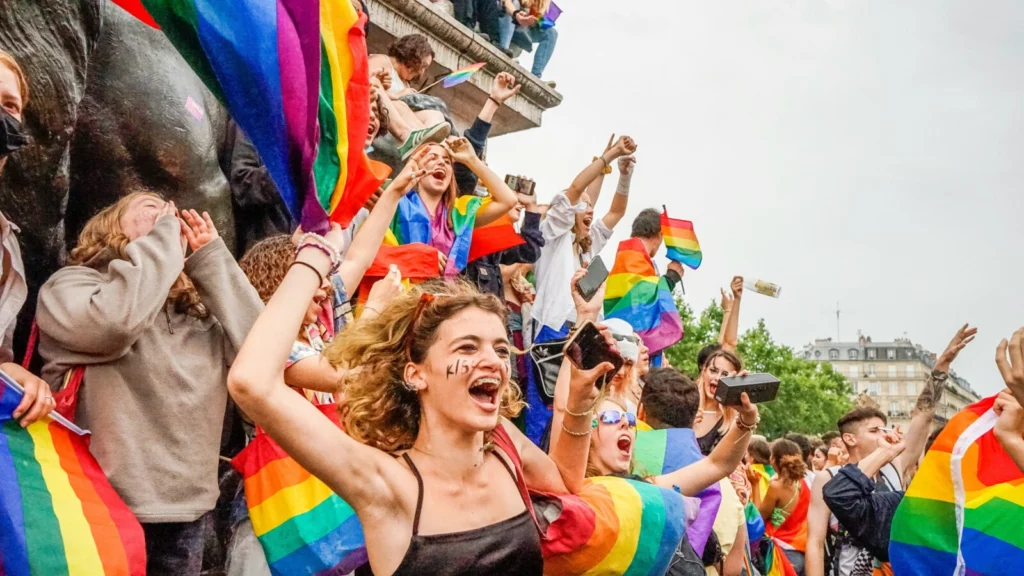
Pride month arrives this year against a backdrop of institutional irony. In the United States, federal research funding has been thoroughly weaponised and forced a massive scientific brain drain across the Atlantic. In Europe, a multi-million-euro effort to capture that exiled talent is underway, even as Europe’s own domestic politics fracture along the exact same …[Read More]
AI in science: the ethical experiment we didn’t design
Artificial Intelligence, and its rapid incursion into the (geo)sciences, was already impossible to ignore at last year’s EGU General Assembly. (you can read my reflections then in this blog post) This year, unsurprisingly, it felt equally present. On Thursday, I attended the Great Debate on “The ethics of using AI in Geosciences: opportunities and risks”, …[Read More]