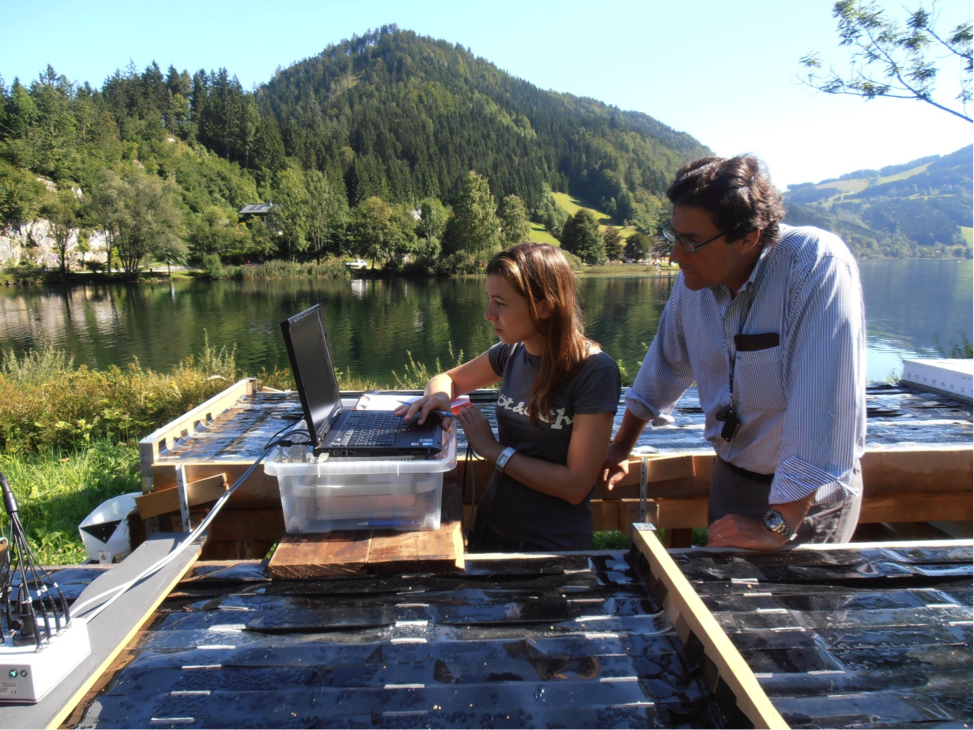
Geotalk is a regular feature highlighting early career researchers and their work. In this interview we speak to Serena Ceola, a hydrologist and assistant professor at the University of Bologna, Italy, who studies interactions between humans and river systems. At the upcoming General Assembly she will be recognised for her research contributions as the recipient …[Read More]
Presenting at the General Assembly 2019: A quick ‘how to’ from the EGU
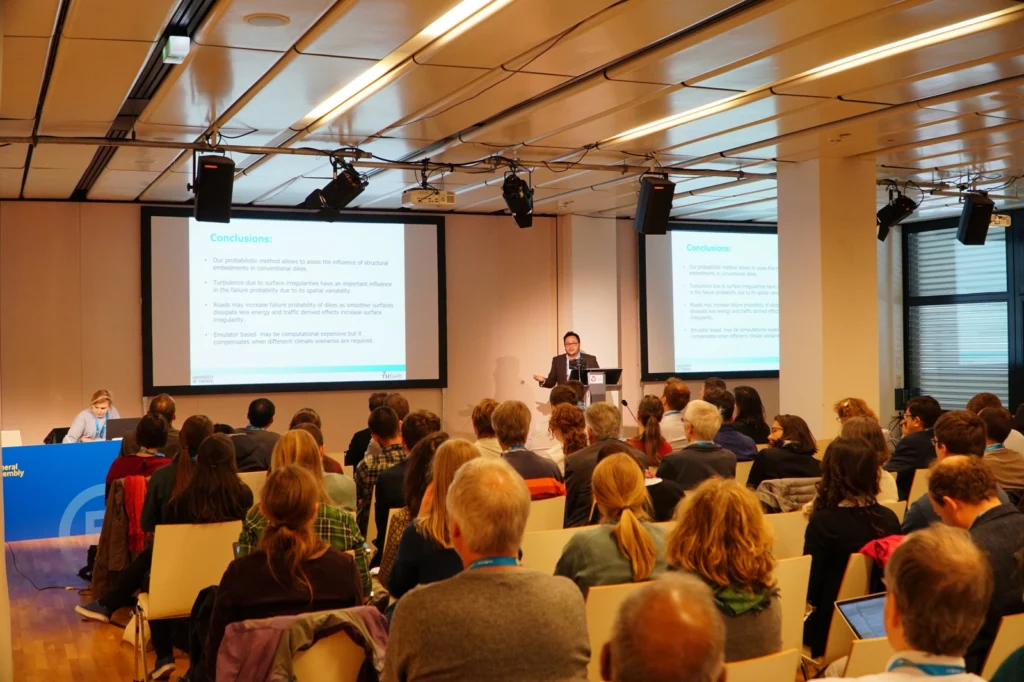
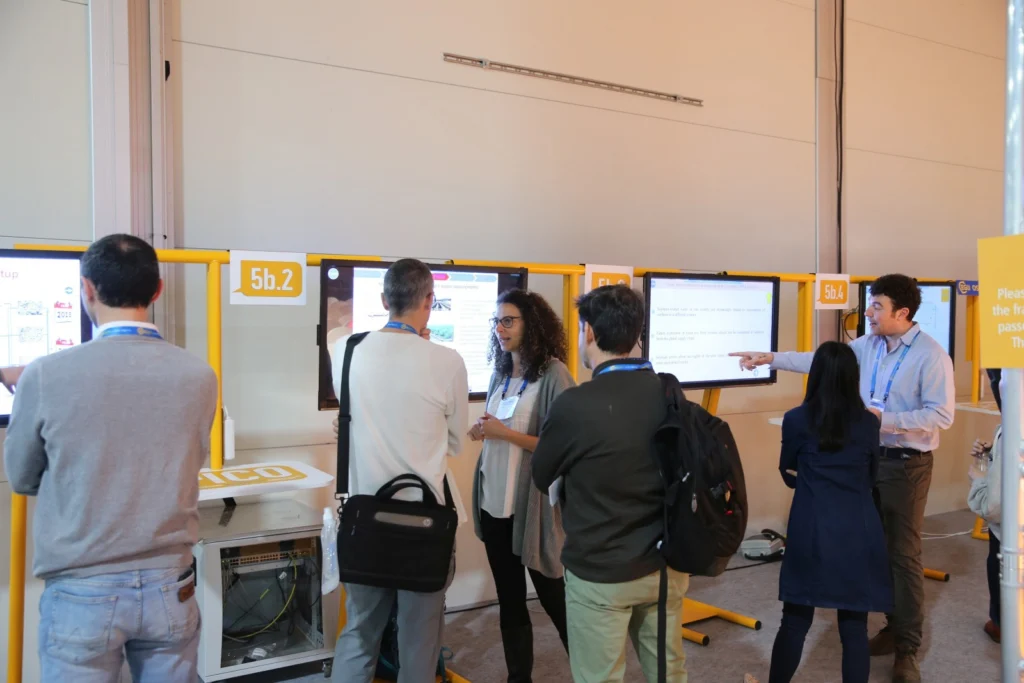
The schedule is out, presentation slots have been assigned and it’s time to start thinking about putting yours together. Whether you have an oral, poster or PICO slot, we have a suite of simple guidelines to get you ready for the conference! Orals The guidelines for oral presentations are online. All oral presentations should have the dimensions 16:9 or 4:3 …[Read More]
Imaggeo on Mondays: Exploring the underground cryosphere
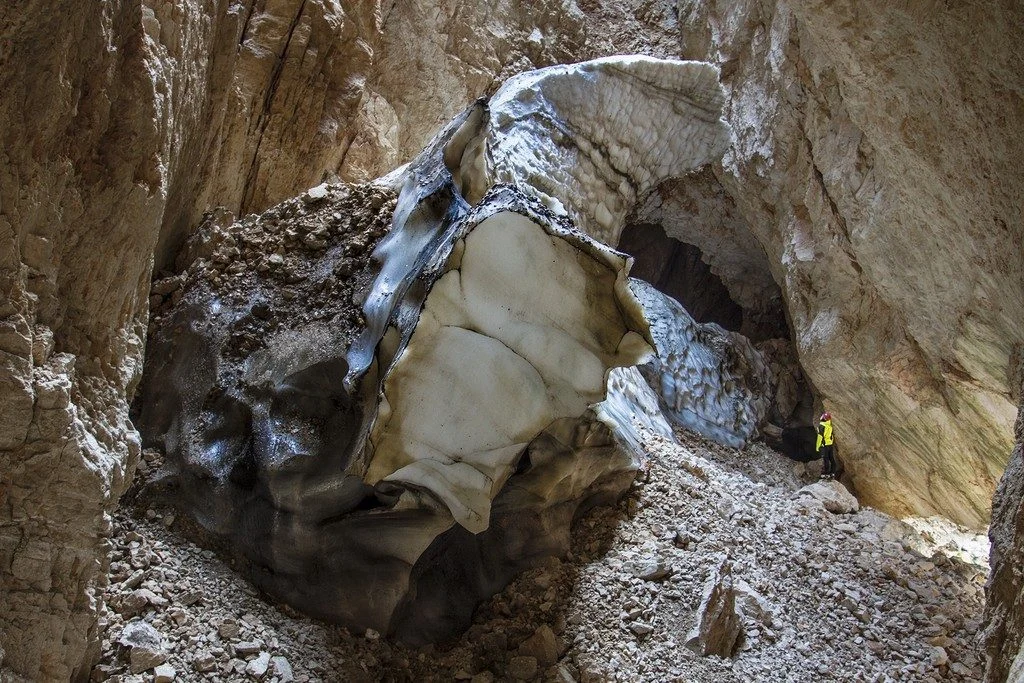
The winter season is a good time to take advantage of cold weather activities, whether that’s hitting the ski slopes or warming up by a fire, but for Renato R. Colucci, it’s also one of the best time’s to study the Earth’s underground cryosphere. Colucci, who took this featured photograph, is a researcher at Italian …[Read More]
EGU 2019: Connect at the Networking & Early Career Scientists’ Zone
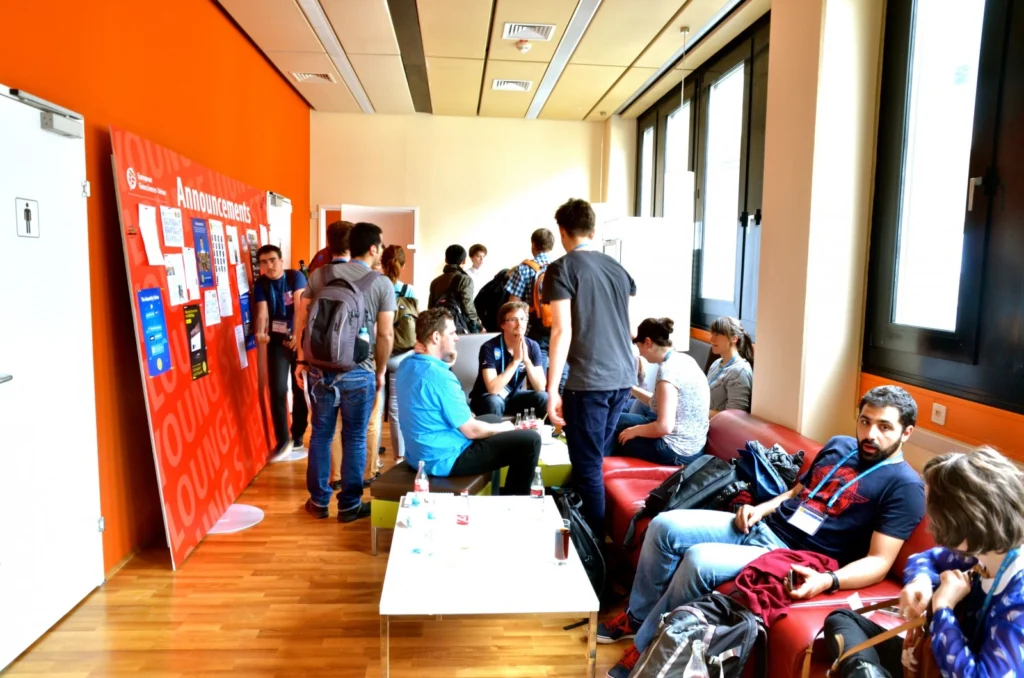
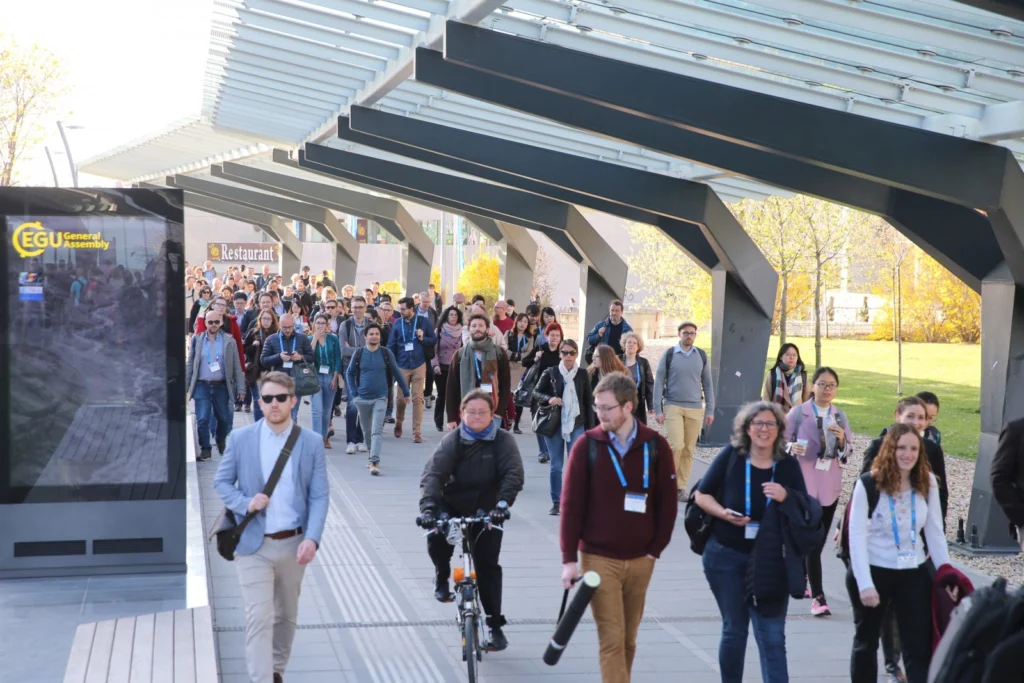
The EGU General Assembly, the largest geoscience conference in Europe, attracts more than 15,000 participants every year. While there are countless opportunities throughout the week to meet new people and reconnect with colleagues, the convention centre can be overwhelming, especially for early career scientists (ECS) and first-time attendees. The Networking & Early Career Scientists’ Zone …[Read More]
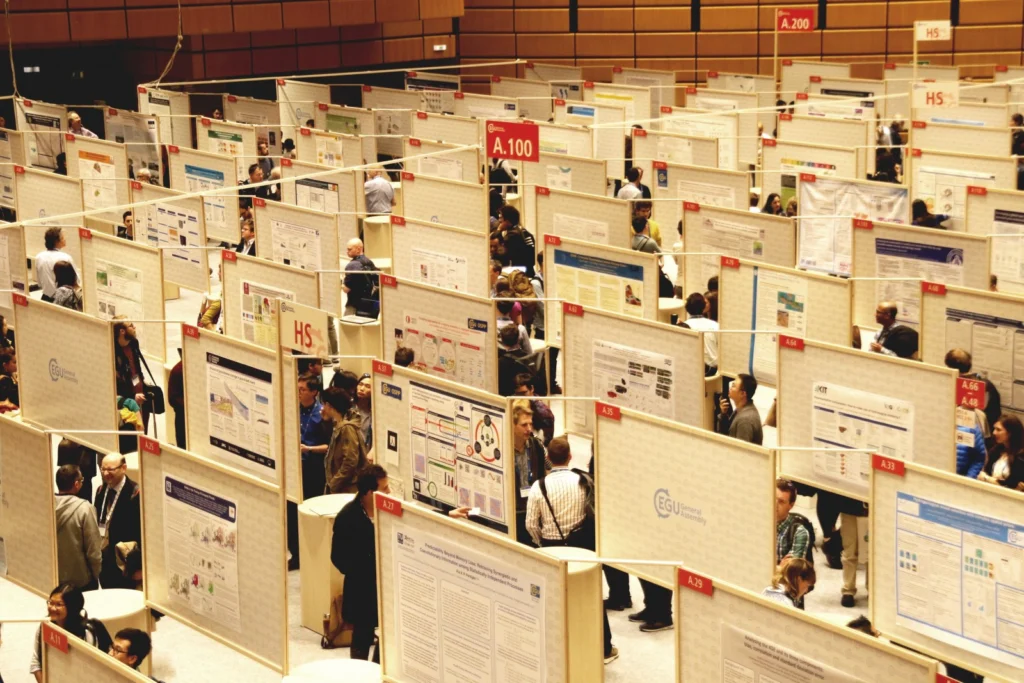
Making a poster or PICO presentation: top tips from the Outstanding Student Poster and PICO (OSPP) Award judges
Every year at the General Assembly hundreds of students present their research at the conference with a lot of time and effort going into preparing these presentations. With the aim to further improve the overall quality of poster presentations and more importantly, to encourage early career scientists to present their work in the form of …[Read More]
Make your EGU 2019 experience more environmentally friendly
The annual EGU General Assembly, the largest geoscience conference in Europe, attracts more than 15,000 attendees to Vienna, Austria every year. With such a large number of participants, many flying to the Austrian capital to attend, the meeting has a large environmental impact. Given this, the EGU is implementing a number of initiatives towards minimising …[Read More]
EGU 2019: Getting to Vienna, getting to sleep and getting to know the city
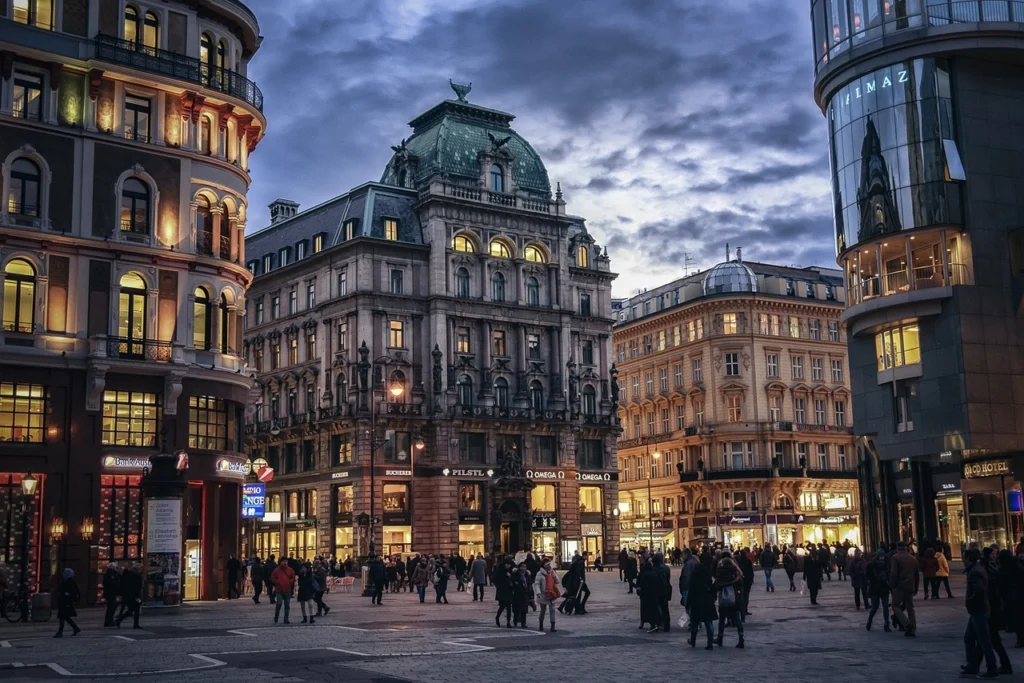
With the conference only a few weeks away here is a brief, and by no means comprehensive, introduction of how to get to Vienna and what to do when you’re there! Getting here Vienna’s International Airport is served by many of the major European airlines. If you would like to consider reaching Vienna by train or bus …[Read More]
Geosciences Column: Scientists pinpoint where seawater could be leaking into Antarctic ice shelves
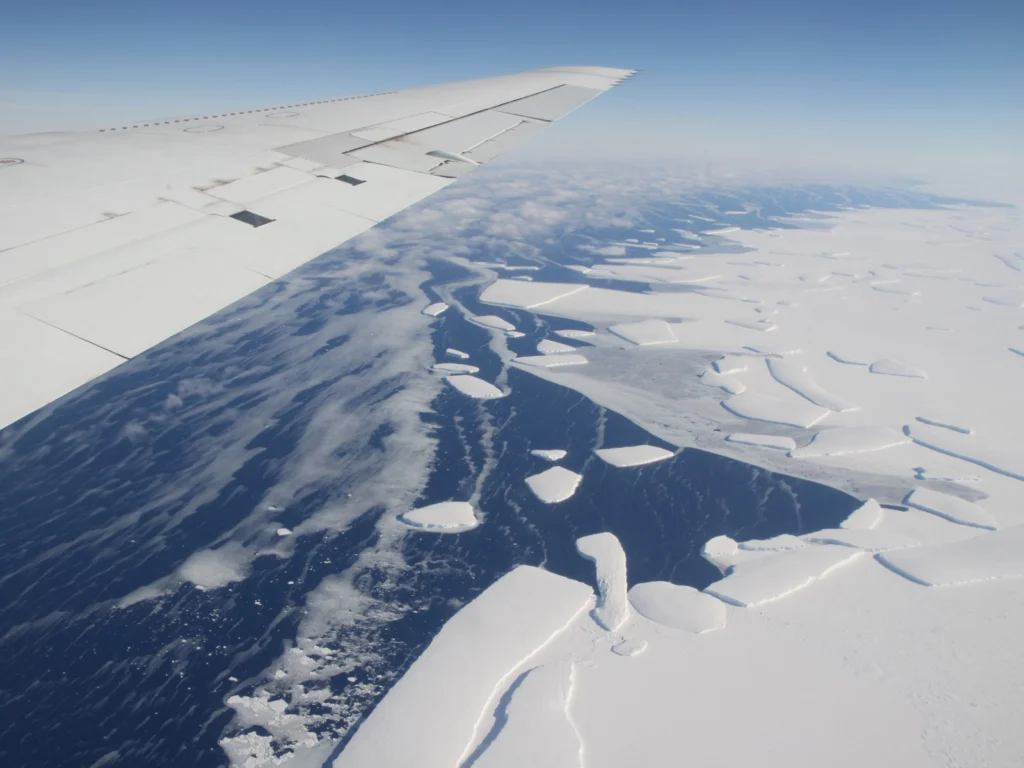
Over the last few decades, Antarctic ice shelves have been disintegrating at a rapid rate, likely due to warming atmospheric and ocean temperatures, according to scientists. New research reveals that one type of threat to ice shelf stability might be more widespread that previously thought. A study recently published in EGU’s open access journal The …[Read More]
EGU 2019 General Assembly programme is now online!
The EGU General Assembly 2019 programme is available here. Take a look and – if you haven’t already – register for the conference by 28 February to make the early registration rates! This year’s scientific programme of the General Assemby includes Union-wide Sessions, such as the medal lectures, great debates, short courses, education and outreach sessions, as well as townhall and splinter …[Read More]
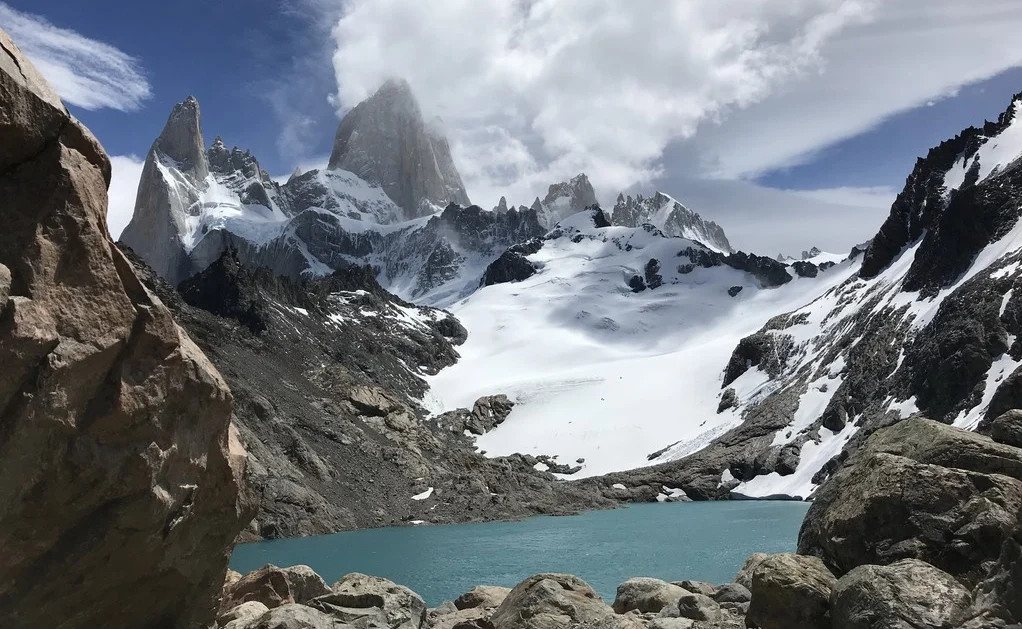
Imaggeo on Mondays: The changing landscape of Patagonia
Pictured here is a snapshot of an environment in transition. Today’s featured photo was taken at the foot of Monte Fitz Roy, a jagged Patagonia mountain located in Los Glaciares National Park on the border between Argentina and Chile. The Patagonia region in South America is the second biggest source of glaciers in the southern …[Read More]