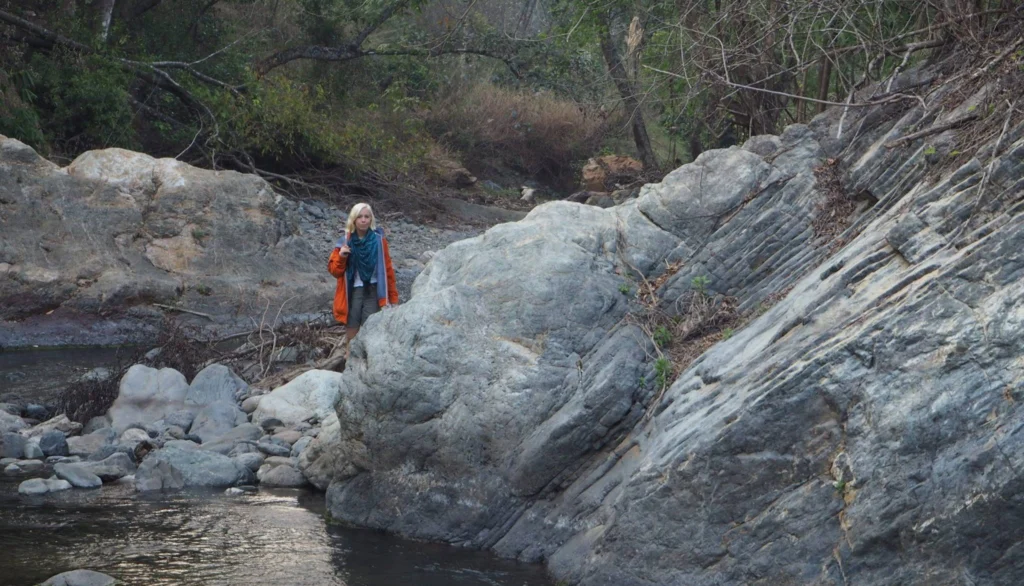
This edition of Minds over Methods article is written by Sarah Kachovich and discusses how tiny fossils can be used to address large scale tectonic questions. During her PhD at the University of Brisbane, Australia, she used radiolarian biostratigraphy to provide temporal constraints on the tectonic evolution of the Himalayan region – onshore and offshore on board …[Read More]
Earthquakes
Minds over Methods: Experimental seismotectonics
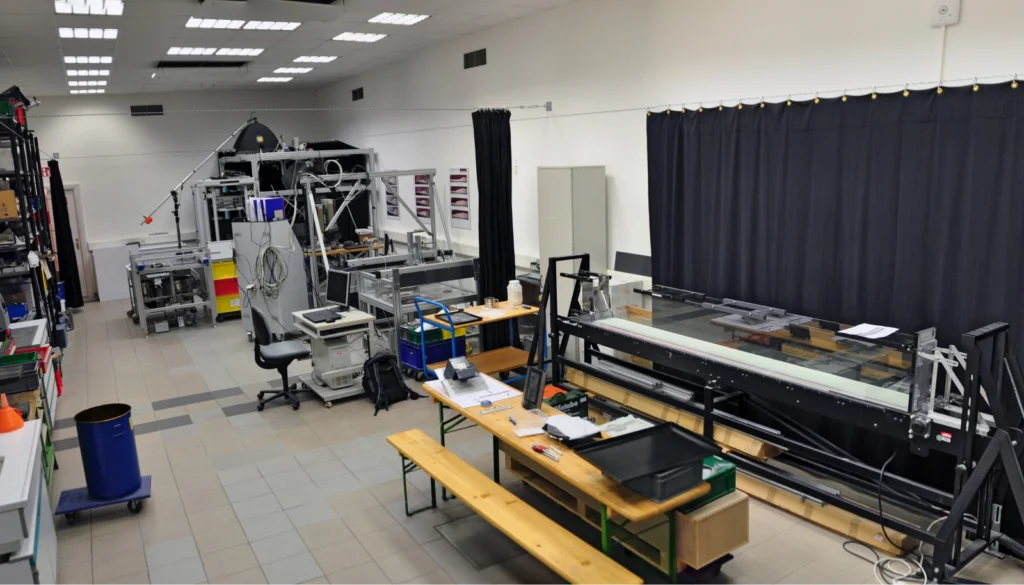
For our next Minds over Methods, we go back into the laboratory, this time for modelling seismotectonics! Michael Rudolf, PhD student at GFZ in Potsdam (Germany), tells us about the different types of analogue models they perform, and how these models contribute to a better understanding of earthquakes along plate boundaries. Experimental seismotectonics – …[Read More]
How Rome and its geology are strongly connected
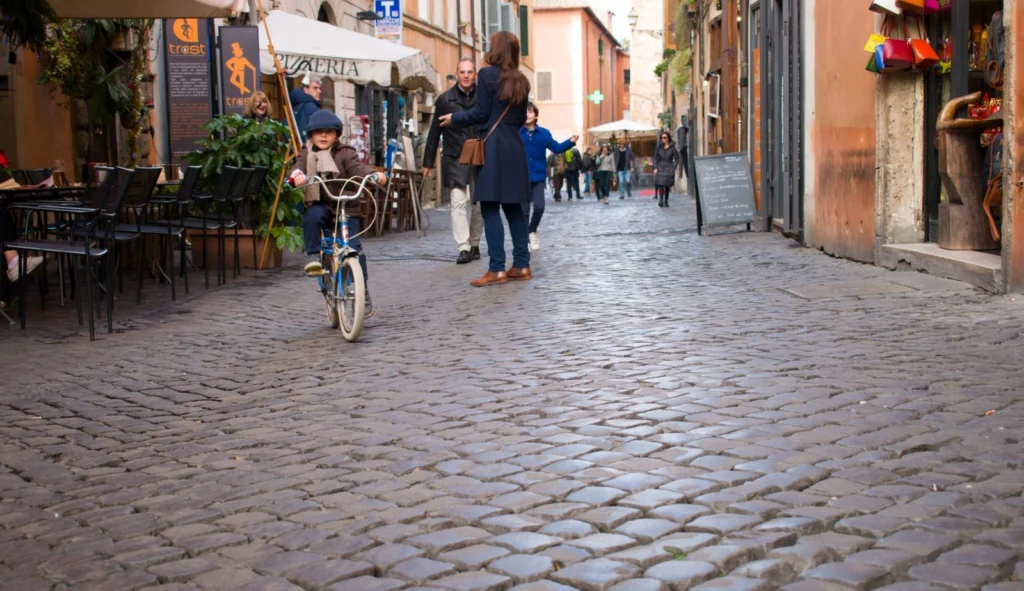
Walking through an ancient and fascinating city like Rome, there are signs of history everywhere. The whole city forms an open-air museum, full of remnants of many different times the city has known, from the Imperial to the Medieval times, the Renaissance, the Fascist period, and finally the present day version of Rome. For historians …[Read More]
Cargèse Earthquake Summer School 2017
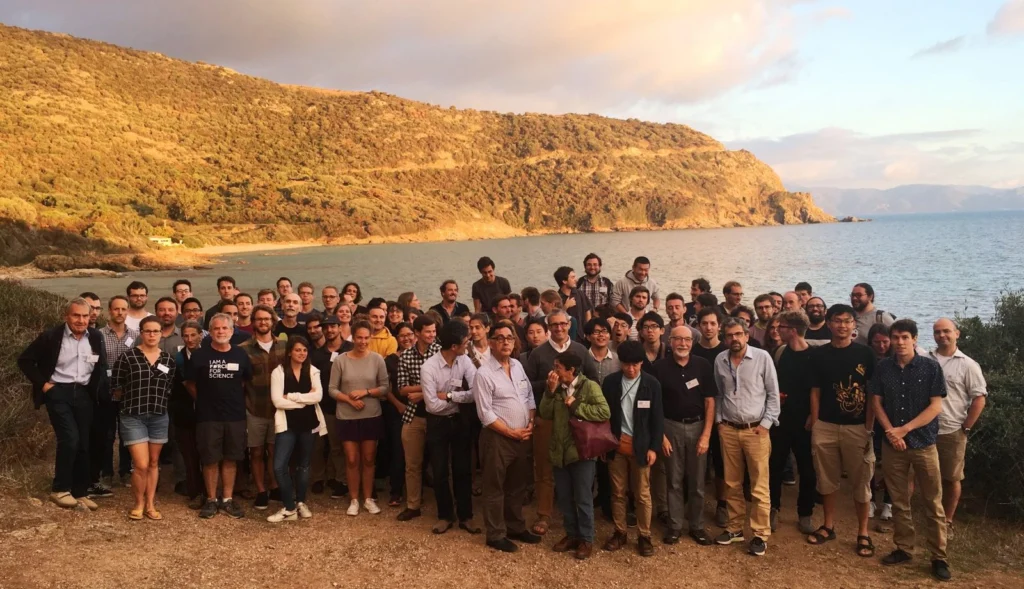
Earthquakes: nucleation, triggering, rupture, and relationships to aseismic processes – 2-6 October 2017, Cargèse (Corsica) A summer school in October, isn’t that a bit late? Well, not if it is held in Cargèse, a small town at the coast of Corsica! After a successful first edition in 2014, scientists from all over the world gathered again …[Read More]
Minds over Methods: Experimental earthquakes
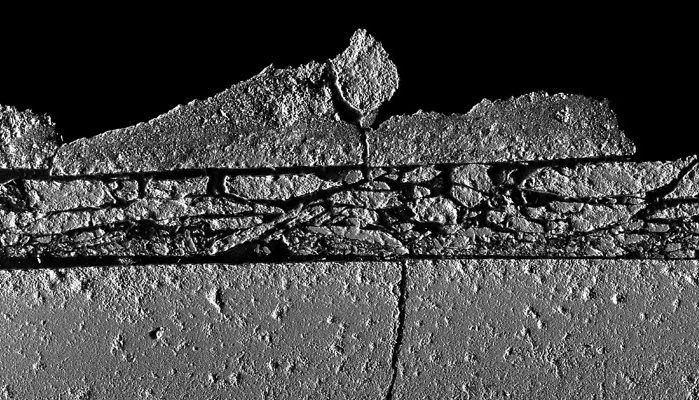
After our first edition of Minds over Methods, which was about Numerical Modelling, we now move to Rock Experiments! How can rock experiments be used to study processes within the Earth? We invited Giacomo Pozzi, PhD student at Durham University, to explain us how he uses rock experiments to study fault behaviour during earthquakes. …[Read More]