ST
Solar-Terrestrial Sciences

ECS news & events

My First EGU Experience: EGU26
My First EGU Experience: EGU26
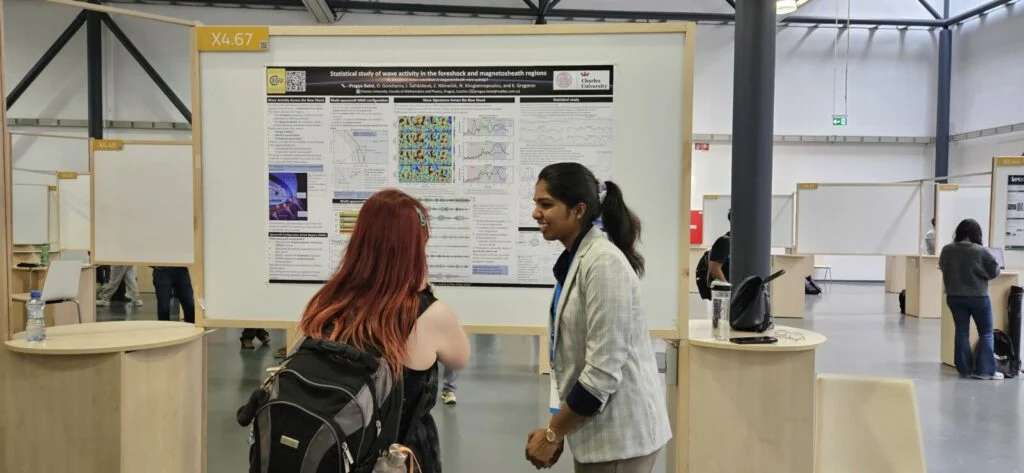
The journey to my first EGU General Assembly (GA) 2026 (EGU26) was memorable even before the conference began. What should have been a straightforward train ride to Vienna turned into an unexpected adventure when we were asked to get off at a small station and wait several hours for alternative transport. Surrounded by travellers, luggage, …[Read More]

Don’t Miss the EGU-ST Early-Career Scientist Events during EGU26!

Don’t Miss the EGU-ST Early-Career Scientist Events during EGU26!

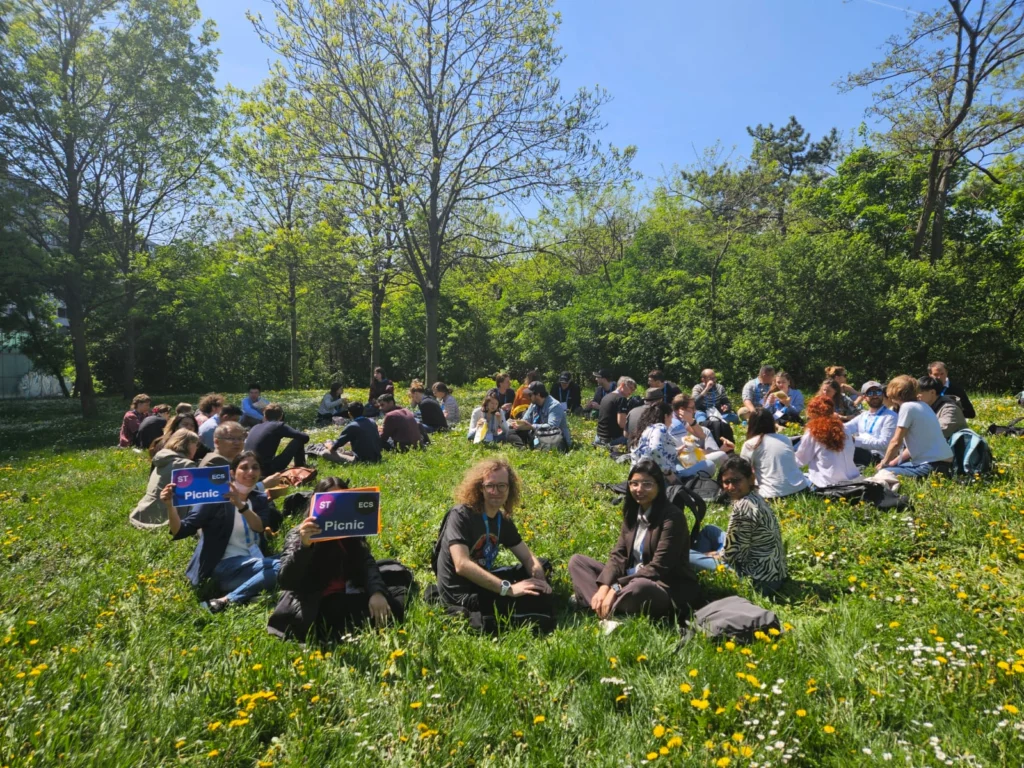
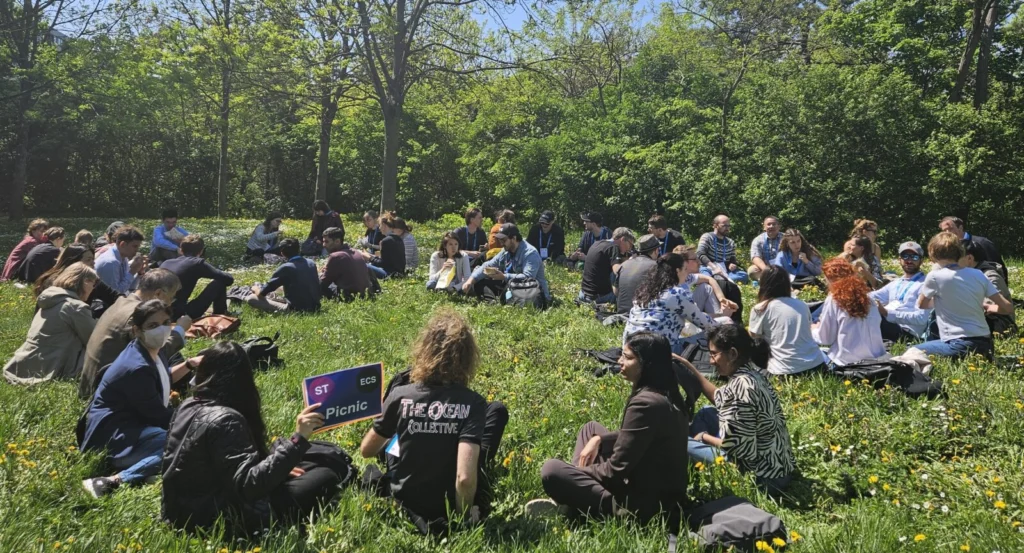
As the EGU General Assembly (GA) 2026 approaches, the Solar-Terrestrial (ST) Division Early-Career Scientist (ECS) team is organizing various events to give researchers a platform to network with their peers, and strengthen our community! What is ECS? Students (BSc, MSc), PhD candidates and researchers who obtained their highest academic degree in the last seven years …[Read More]

ST-ECS Networking Campfire: “How to Mentor”

ST-ECS Networking Campfire: “How to Mentor”

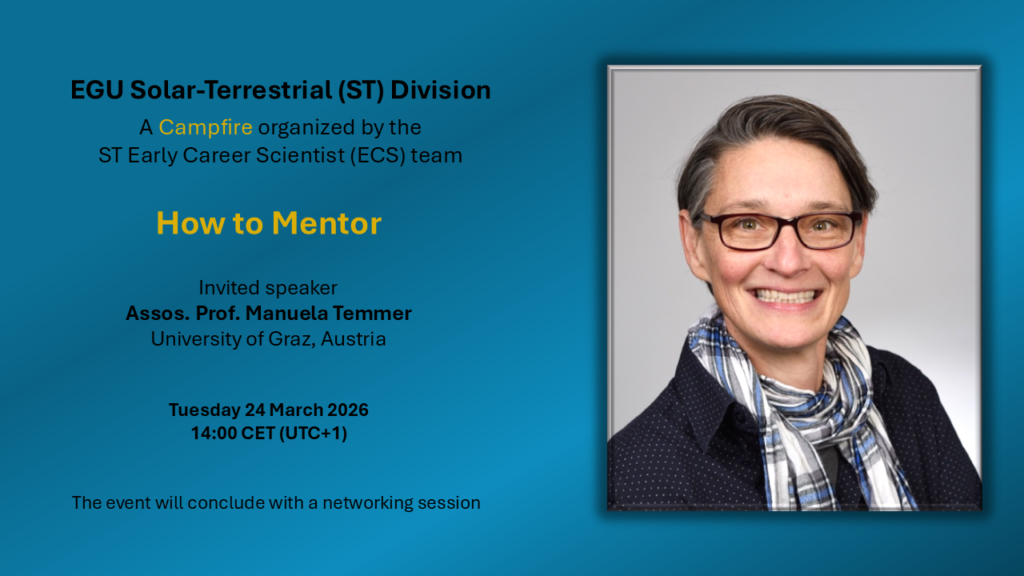
In academia, success is often measured with quantifiable outputs such as publications, grants, and awards. On the other hand, the challenging road leading to this success is not something discussed openly. The relationship we build with our colleagues, the support and guidance we receive from mentors and supervisors are important factors affecting our success as individuals and as a community.  Mentors …[Read More]

A talk with scientists across Europe: building the future of European heliophysics together

A talk with scientists across Europe: building the future of European heliophysics together

“Heliophysics studies the Sun, its sphere of influence, and how it affects the bodies in the solar system.” – this holistic approach to understanding our space environment is at the heart of the European Heliophysics Community (EHC), an open and inclusive network of researchers across Europe (https://www.heliophysics.eu/). The EHC promotes collaborative, curiosity-driven science that explores …[Read More]

Meet the InterALAGE Board Members

Meet the InterALAGE Board Members

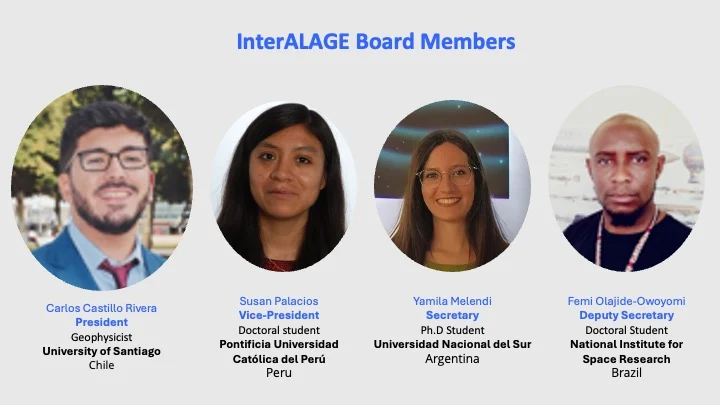
We are excited to introduce the InterALAGE Team! and share their vision for the future of the organization! To get to know them better, our Media and Communications Officer conducted an in-depth interview with the new board members. In this engaging conversation, the board members share their personal backgrounds, journeys within InterALAGE, and goals during …[Read More]

Get Connected at EGU25: Solar Terrestrial (ST)-Early Career Scientist (ECS) Events You Don’t Want to Miss!

Get Connected at EGU25: Solar Terrestrial (ST)-Early Career Scientist (ECS) Events You Don’t Want to Miss!

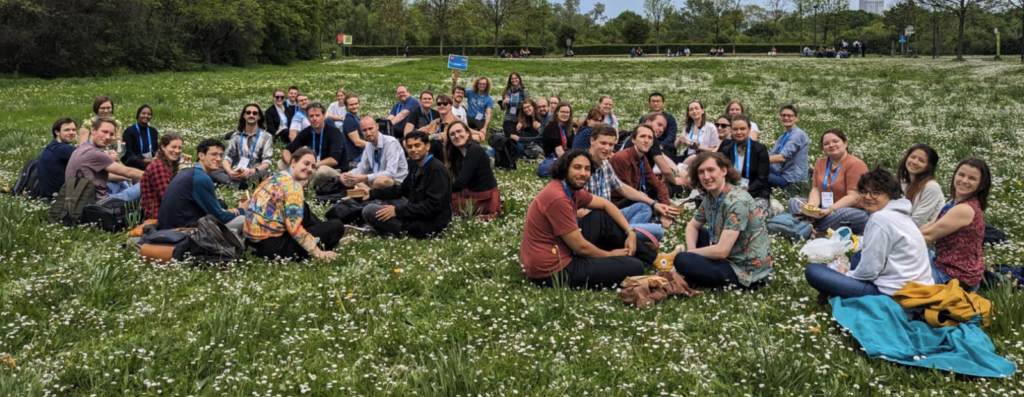
The EGU General Assembly 2025 is just around the corner, and the Solar-Terrestrial (ST) Early-Career Scientist (ECS) Team has been working hard to create opportunities for networking, connection, and community building throughout the week. We’ve lined up a series of informal, fun, and welcoming events designed to help ECSs meet peers, share experiences, and make …[Read More]

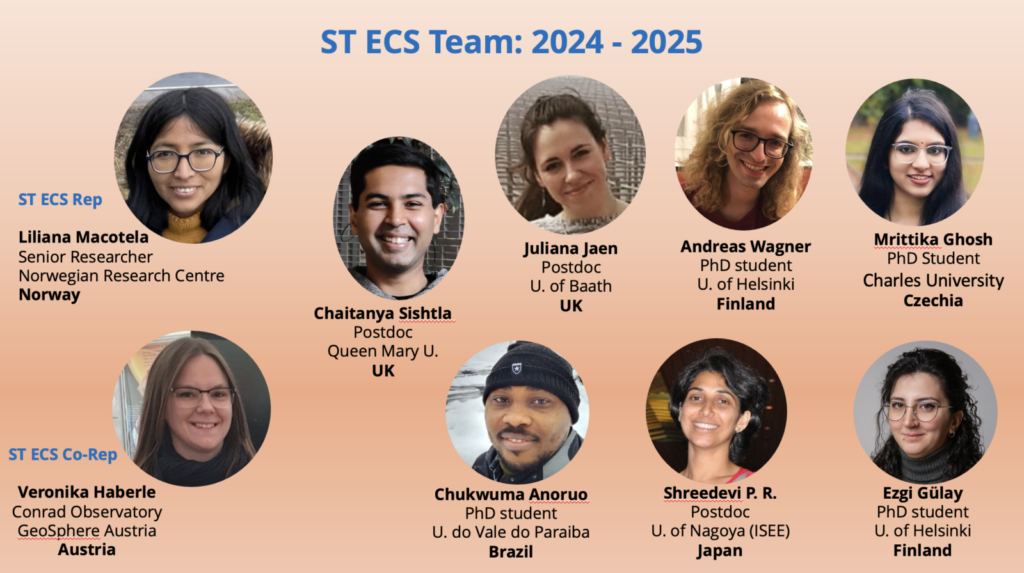
ST-Early Career Scientist team 2024-2025

ST-Early Career Scientist team 2024-2025

We are a group of Early Career Scientists (ECSs) from the Solar-Terrestrial (ST) division, dedicated to organizing events and activities for ST-ECSs both during the EGU General Assembly and throughout the year. Our goal is to enhance ECS visibility and create valuable networking opportunities. Currently the team is formed by:   Dr. Liliana Macotela, ECS …[Read More]

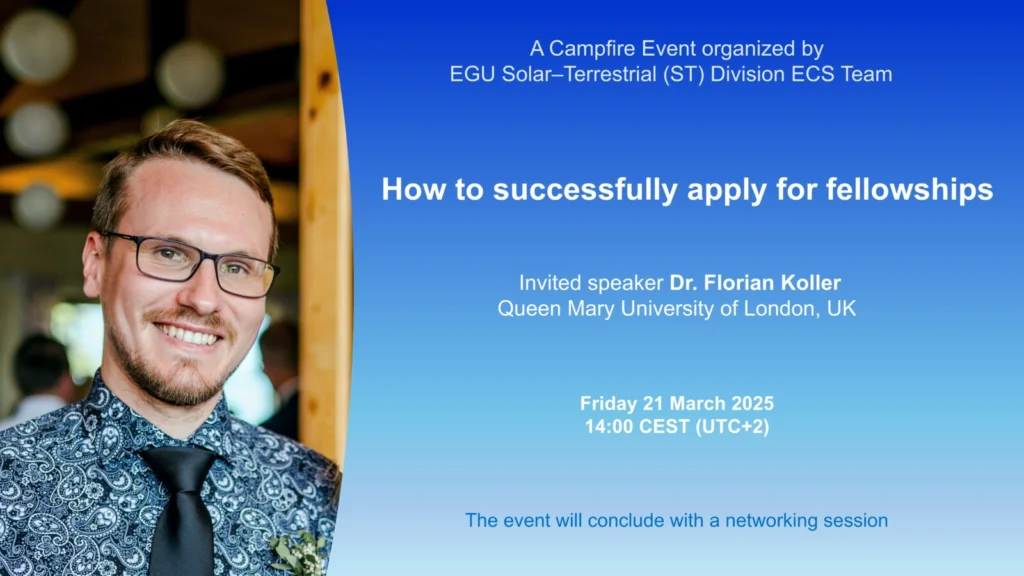
ST-ECS Networking Campfire: “How to Successfully Apply for Fellowships”

ST-ECS Networking Campfire: “How to Successfully Apply for Fellowships”

Securing a research fellowship is a major milestone for early-career scientists, providing not only financial support but also access to cutting-edge facilities, valuable collaborations, and opportunities for independent research. However, standing out in the competitive world of research funding requires mastering the art of grant writing and proposal crafting. To help young scientists navigate the …[Read More]