
The Indian subcontinent is situated in Southern Asia, where it projects southwards from the Himalayas into the Indian Ocean. Along the northern border of this subcontinent, the Himalayas – home to the earth’s highest mountains on land – stretch with a length of ~2500 km and a width of 300 km. The stunning mountain ranges of the Himalayas provide a considerable physical barrier for air masses from/to the Indian subcontinent and consequently, the Himalayas play a critical role in Eurasian climatic dynamics. Such dynamics can be best studied in the Kashmir region in close vicinity to the northward continental divide of the Himalayas. Here, the climate is influenced by several large-scale atmospheric circulations, namely the Indian monsoon and western disturbances that influence the climate in addition to local to regional geographic features. The Indian Summer Monsoon (ISM) develops in the summer as the movement of the intertropical convergence zone and brings plenty of rainfall to the Indian subcontinent from June to September. On the other hand, Western Disturbances (WD) are subtropical cyclonic depressions on mid-latitude fronts that generate over the Mediterranean and the Caspian Sea, and which flow eastward.
In this context, the intermontane valley of Kashmir has a unique geographic position located in the western Himalaya region; it represents a bowl-shaped depression, bounded by the Greater Himalaya Range toward the northeast to southeast, the Kazinag Range toward the north, and the Pir Panjal Range toward the west to southeast. Three decades works reveals that the ISM historically contributes significantly less annual precipitation to the Kashmir Valley compared to the WDs, due to the barrier effect of the Pir Panjal range (Raj et al., 2021). However, on glacial-interglacial timescales, this relationship is poorly understood and considering global warming, it is crucial to increase our knowledge in this regard. This is not only important for possible mitigation and adaptation strategies, but it is also most promising to widen geo-archaeological and paleoenvironmental perspectives. For this, the Kashmir Valley preserves a unique terrestrial archive for studying paleoclimate dynamics and associated terrestrial system responses. Loess sediments and soils preserved in this area are abundant and prominent features in the landscape. Loess is widespread across the Northern Hemisphere, where it represents the most widespread land cover. Generally, loess is defined as an aeolian sediment dominated by silt-sized particles that typically accumulates during cold and arid periods and underwent consolidation leading to the typical loess-like texture. In contrast, during warm and humid periods, loess undergoes pedogenesis leading to the development of loess-derived soils (paleosols, e.g. Amiri et al., 2025). The resulting loess-paleosol alternations (sequences) offer an exceptional opportunity for reconstructing the spatial and temporal fluctuation of climate changes during the Quaternary. The Quaternary encompasses the most recent 2.6 million years, where glaciations became more prominent. This period is characterized by repeated and dramatic climate shifts, which are preserved in numerous geological archives. Loess-Paleosol Sequences (LPS) in the Kashmir Valley provide unique insights into climatic condition that have shaped our planet over the millennia (Dar & Zeeden, 2020; Mir et al., 2022).
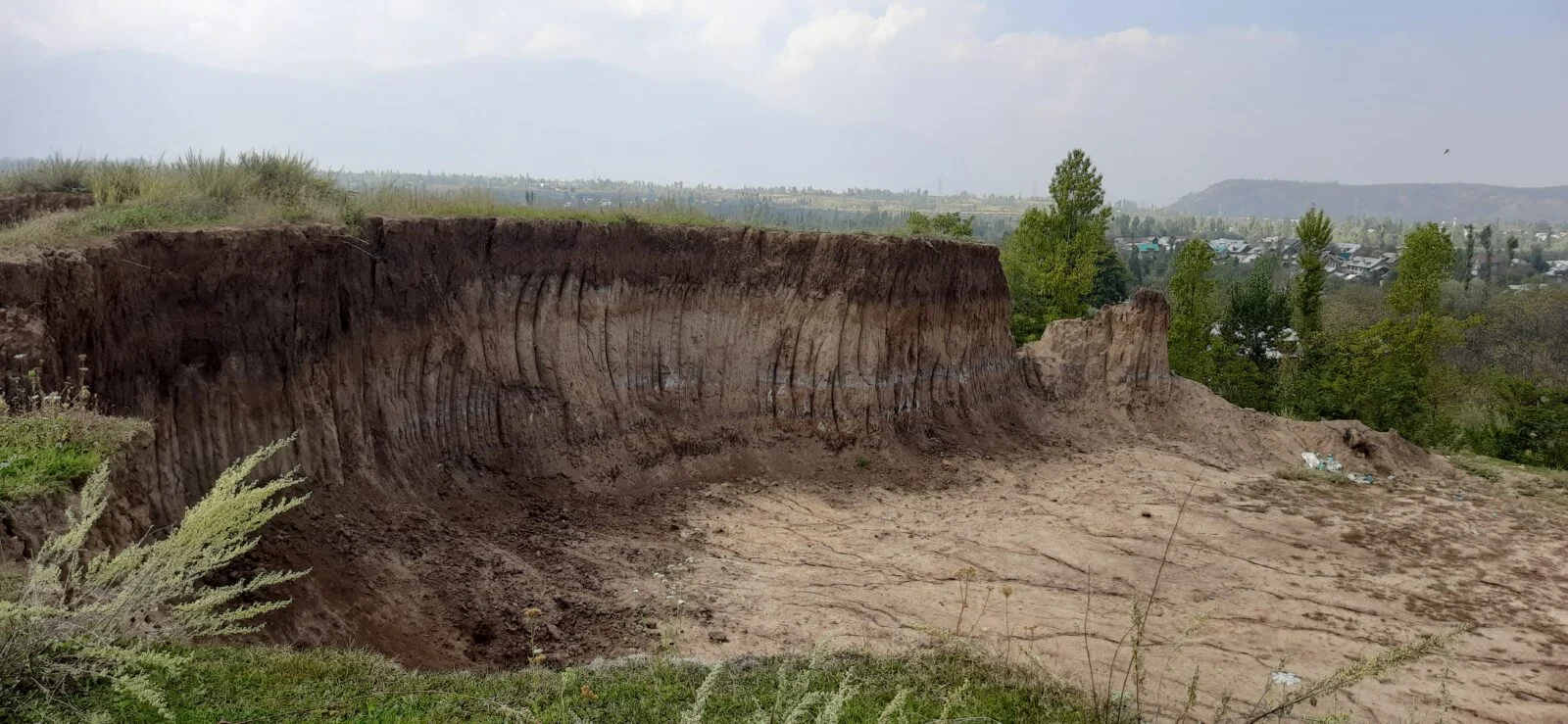
Photo 1: The Khan Sahib Loess-Paleosol-Sequence in Kashmir.
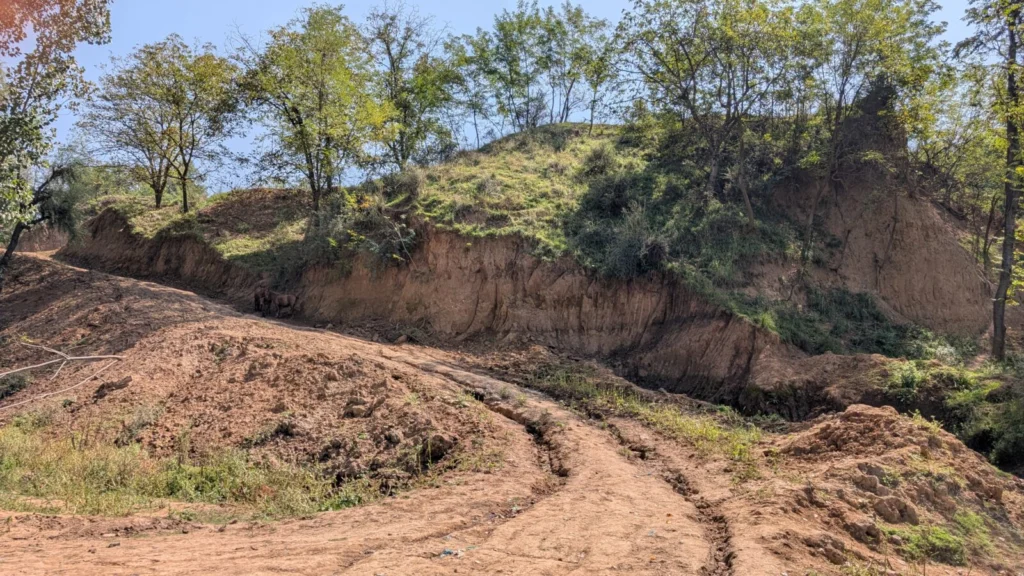
In 2025, we conducted field work in several loess-paleosol sections in the Kashmir valley. This included the northern and southern flanks of the valley. Here we share some impressions of these exciting geoarchives. The loess sediment in the valley is overlying the Karewa (lake) sediments, which are exposed since the rise of the Pir Panjal Range. Loess deposits in the Kashmir valley show variable thickness ranging from >20 m at the southern side to several m in the north-eastern side. Our field observations reveal that the loess deposits on the southern side contain a greater number of paleosols, suggesting that they recorded / preserved more climatic fluctuations over time compared to the loess on the northern side. In addition, the paleosols intercalated within the northern LPS seem to be more developed than those in the southern sequences, indicating the presence of a climatic gradient along the Kashmir Valley. Field observations and stratigraphic descriptions revealed that several well-developed paleosols occur within the studied sequences. These paleosols, characterized by dark brown to reddish colors, indicate formation under warm and humid interglacial conditions. Such features provide valuable evidence for the presence of different iron-oxides such as hematite and goethite that may be quantified and used for reconstructing paleo-precipitation and associated water-level changes in the valley. A particularly promising outcome of the campaign was the identification and sampling of a new loess–paleosol section near Mattan.
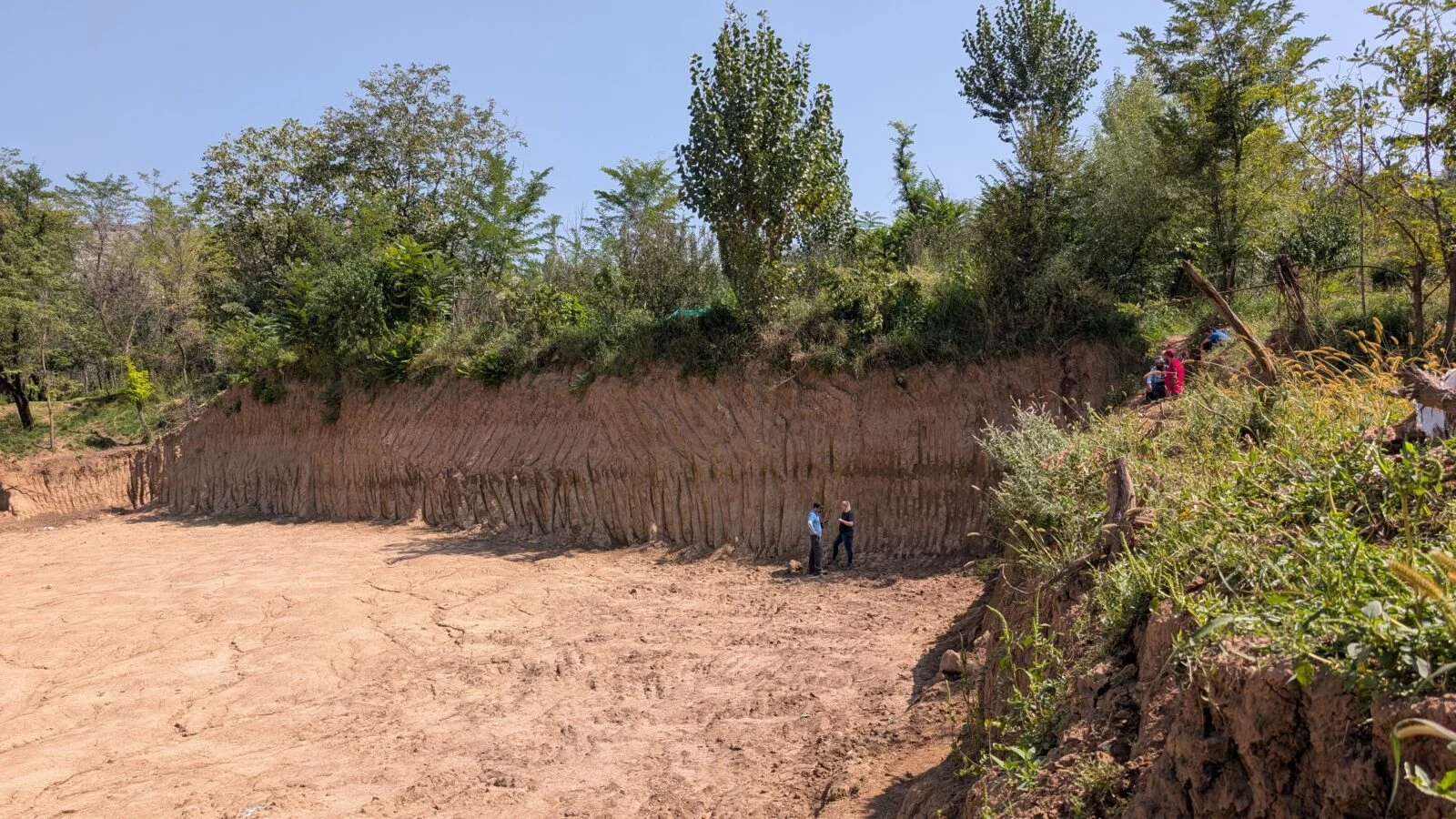
Photo 2: Upper part of the Mattan Loess-Paleosol-Sequence.
Preliminary observations and pedostratigraphy suggest that this section preserves a preferably continuous sedimentary record extending back to approximately 300.000 years, offering an exceptional opportunity to study long-term climate fluctuations that remain poorly understood in Kashmir to date.
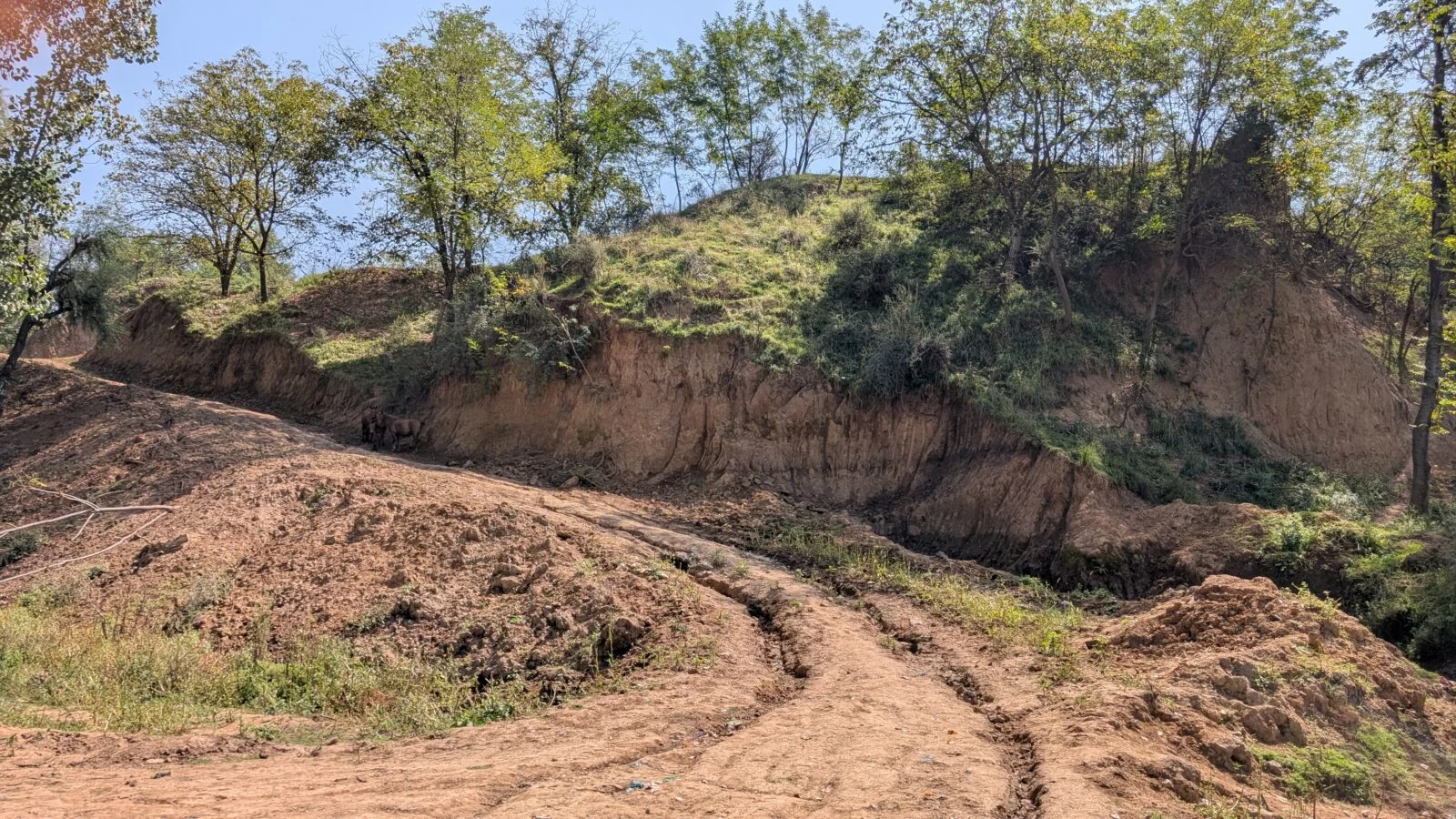
Photo 3: Lower part of the Mattan Loess-Palaeosol-Sequence
References:
Amiri, Z., Khormali, F., Kehl, M., Frechen, M., & Zeeden, C. (2025). Pedogenesis and paleoenvironmental reconstruction in northern Iran: The loess-paleosol sequence at Baluchabad. CATENA, 253, 108835. https://doi.org/10.1016/j.catena.2025.108835
Dar, R. A., & Zeeden, C. (2020). Loess-Palaeosol Sequences in the Kashmir Valley, NW Himalayas: A Review. Frontiers in Earth Science, 8. https://www.frontiersin.org/articles/10.3389/feart.2020.00113
Mir, J. A., Dar, R. A., Vinnepand, M., Laag, C., Rolf, C., & Zeeden, C. (2022). Environmental reconstruction potentials of Loess-Paleosol-Sequences in Kashmir through high-resolution proxy data. Palaeogeography, Palaeoclimatology, Palaeoecology, 601, 111100. https://doi.org/10.1016/j.palaeo.2022.111100
Raj, S., Shukla, R., Trigo, R. M., Merz, B., Rathinasamy, M., Ramos, A. M., & Agarwal, A. (2021). Ranking and characterization of precipitation extremes for the past 113 years for Indian western Himalayas. International Journal of Climatology, 41(15), 6602–6615. https://doi.org/10.1002/joc.7215