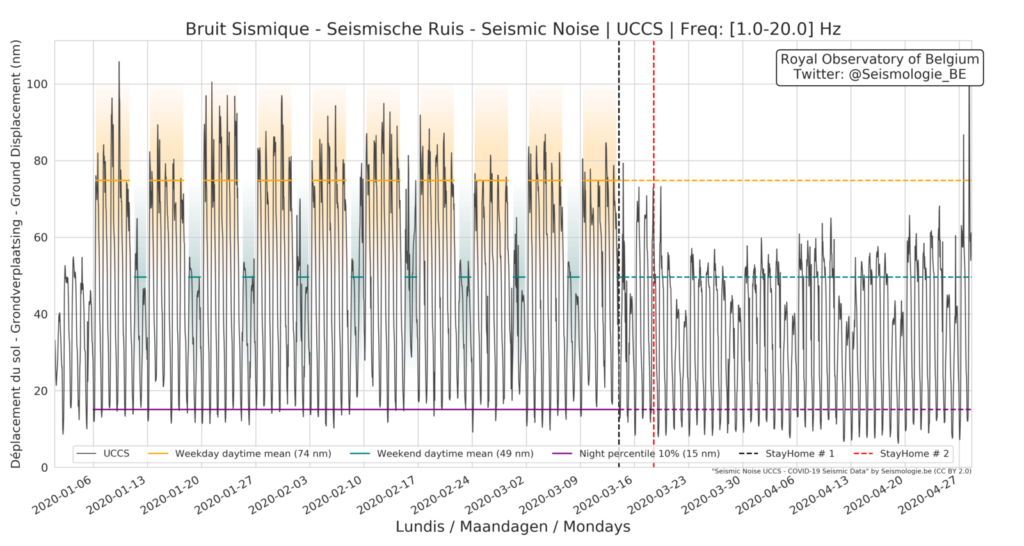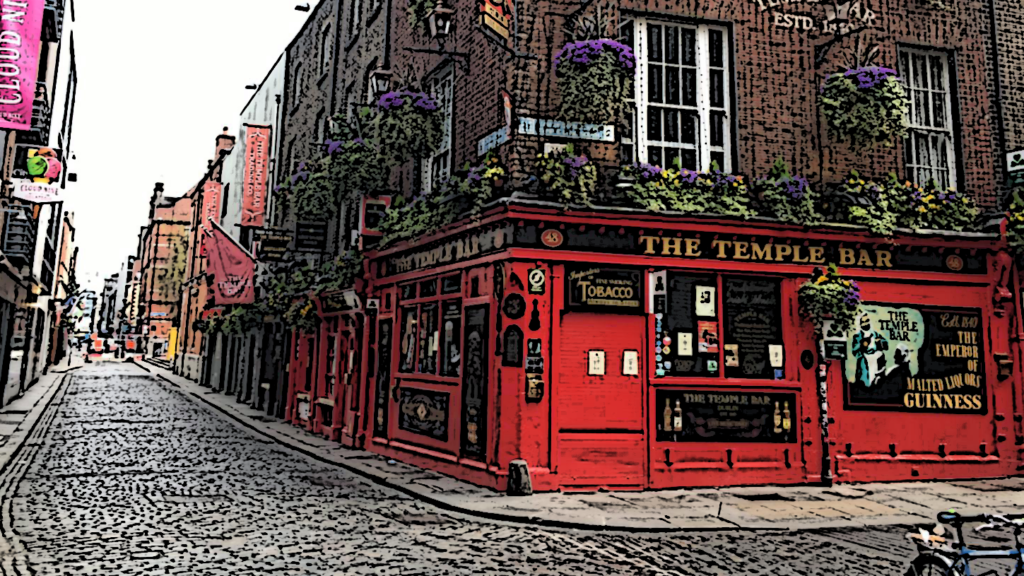
As lockdowns have come in place all over the globe, workplaces have closed, people are sticking to their homes, and perpetual traffic jams have reduced to a trickle [1]. This results in eerie sights, where the lone bypasser walking through deserted streets cannot but wonder whether they’ve accidentally missed the memo on the apocalypse. …[Read More]
Seismology
Back to normality (?)
I imagine that in a couple of months European countries will give the green light: the restrictions and social-distancing will be relaxed and people will step out of their houses. Blinking into the bright summer sunlight in the Northern Hemisphere, they will lift a hand towards the sun to shield their sensitive eyes unaccustomed, …[Read More]
Representing the Possible: Dragana Ðurić
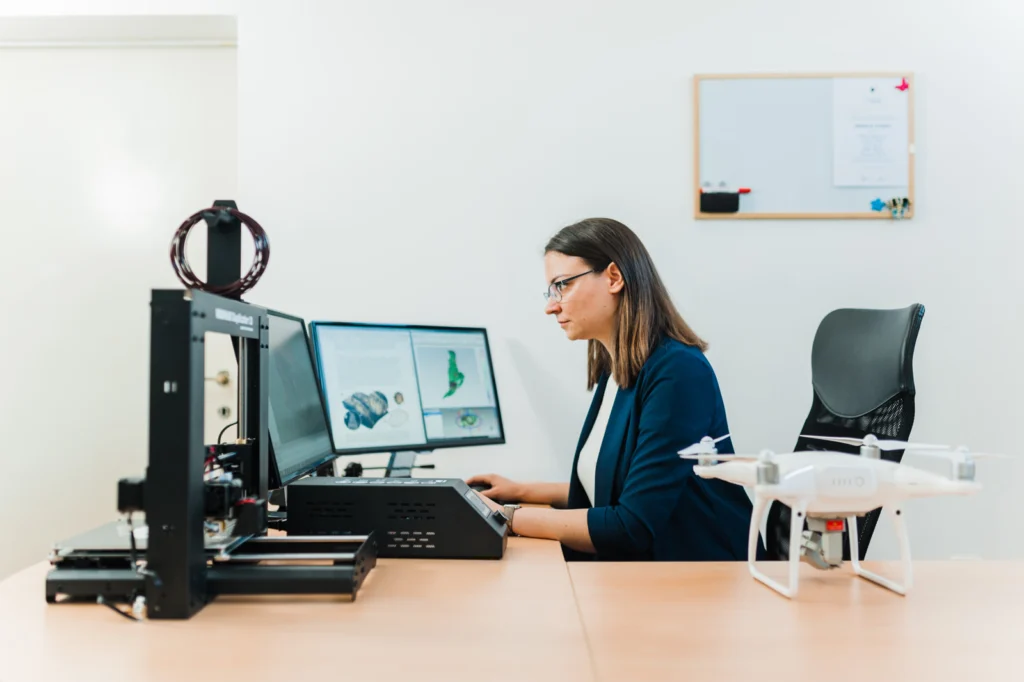
Hello Dragana, what is your story? My name is Dragana Đurić and I am a Ph.D. in Geophysics and Assistant professor at the University of Belgrade, Faculty of Mining and Geology, Department of Geophysics. My journey within the geophysics started in 2004 when I enrolled in my undergraduate studies. To be honest, geophysics wasn’t …[Read More]
Seismology in the time of COVID-19
The COVID-19 pandemic has brought us somewhere new. With many of us confined to our homes, the Seismology ECS representatives launch a new blog series, where they put together articles, reflections, and stories to accompany the community through this unprecedented historic period. Read the articles here: ◆ Creating Value for Safety: from earthquake preparedness to pandemic …[Read More]
Seismology Job Portal
On this page, we regularly update open positions in Seismology for early career scientists. Do you have a job on offer? Contact us at ecs-sm@egu.eu Please, note that other available research positions are displayed on the EGU Jobs Portal.
Creating Value for Safety: from earthquake preparedness to pandemic outbreak response
Disasters happen world-wide, almost every day. If you are an earthquake seismologist (or engineer), chances are good that seismic hazard is in your daily diet. Developing an earthquake scenario, estimating the seismic hazard, assessing the risk, regulating the land use: we usually conduct these tasks to limit the socio-economic impact of a seismic event. …[Read More]
Representing the Possible: Milena Marjanović
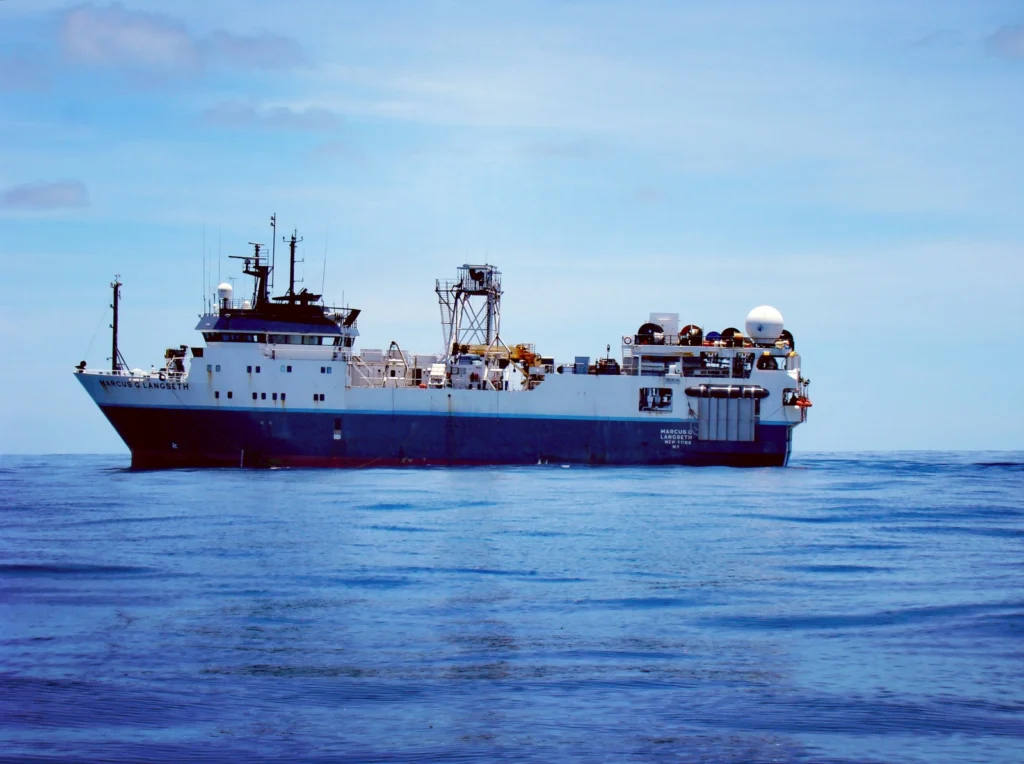
I remember the first lecture vividly, it was on Plate Tectonics. From that moment, I knew what my profession will be What is your story, Milena? I am a Marine Geophysicist interested in exploring plate boundaries, in particular, mid-ocean ridges using active source seismology. I am a sea-going researcher, which means that every now and …[Read More]
Representing the Possible: Ortensia Amoroso
Gender inequality blemishes Earth Sciences more than any other STEM fields [1]. In recent years, many studies have revealed that women hold fewer senior faculty positions than men [1, 2], are given lower ratings to identical abstracts submitted with male author names [3], and are less likely to be first authors of peer-reviewed publications [4]. …[Read More]
Representing the Possible
A successful development of professional identity is key to a thriving career. Yet, the steady underrepresentation of women in many facets of working life may threaten young career‐focused women in their professional identity projection. ‘Seeing is believing’ – a common saying goes. When women see other women fitting into diverse roles in the workplace, …[Read More]
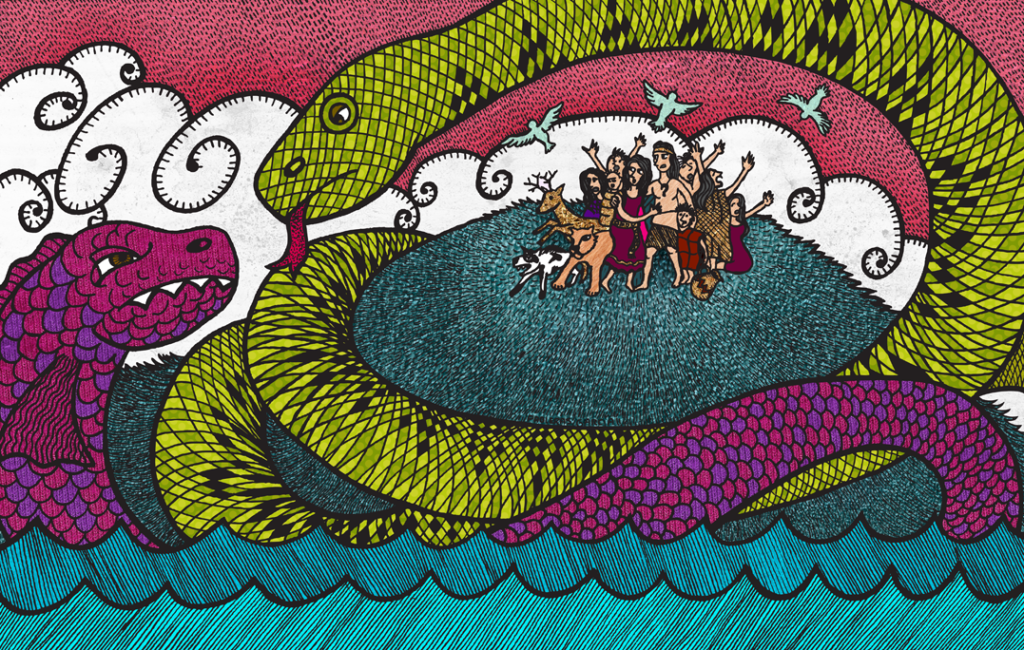
Ten years after the 2010 Maule earthquake: how science and ancestral knowledge build-up resilient societies
At 3:34 a.m. (local time) on February 27, 2010, a magnitude Mw 8.8 earthquake occurred in Central Chile and extended over around 500 km along the Maule and Bio Bio regions, a convergent zone between the Nazca and South America plates (Figure 1a). The occurrence of this large earthquake in the context of active …[Read More]