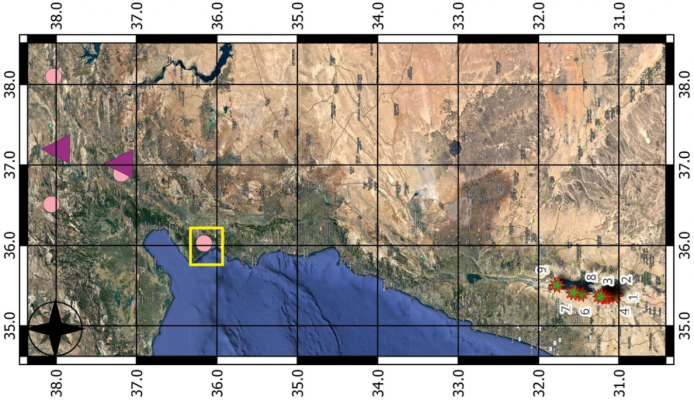
In this week’s blog, Shreeja Das, a Post Doctoral researcher at the Sami Shamoon College of Engineering, Ashdod, Israel working with Dr. Vladimir Frid, discusses her research involving the use of FEMR waves and its use as a tool in predicting impending geohazards , some of her results obtained using said technique to study transform …[Read More]
Division blogs
Natural Hazards
Meet the EGU Natural Hazards Division Early Career Scientists representatives
The European Geosciences Union (EGU) Natural Hazards Division is pivotal in supporting the growth of early career researchers, giving them a platform to share their work and ideas, enhancing networking opportunities and contributing to career development. So, are you reading this post and wondering who gives a voice to early career scientists in the Natural …[Read More]
Stratigraphy, Sedimentology and Palaeontology
A Story of Fertilizer and the Colour Purple
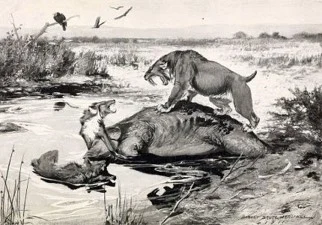
Introduction It is sometimes difficult to admit that you are (officially) a nerd, but I have a confession to make. I have collected dinosaurs on stamps for the last thirty years. Over 10,000 of these stamps have been issued across the world, and the vast majority of these issues are in my collection. One question …[Read More]
Geodynamics
Exploring the Evolution of Rift Magmatism through Numerical Modelling
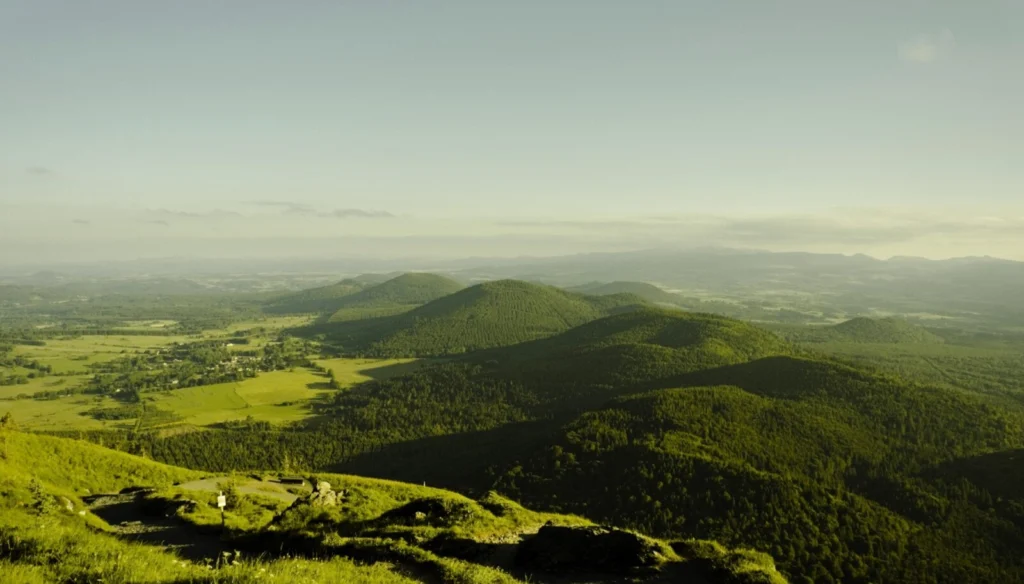
Continental rifts are a striking manifestation of the forces at work in the Earth’s interior and are often associated with volcanic activity. Contrary to intuition, volcanism is not confined to rift grabens, but migrates as the rifts evolve. How and why this happens is still not clear. This week, Gaetano Ferrante from Rice University, Houston …[Read More]
Hydrological Sciences
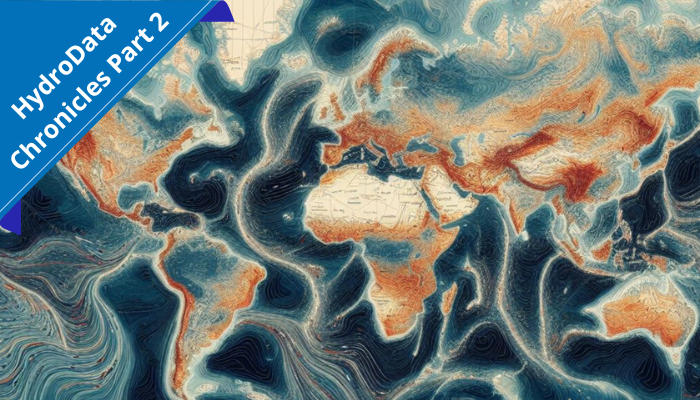
HydroData Chronicles: A global precipitation climatology toolbox and database
Welcome back to the HydroData Chronicles, where we uncover the hidden stories within hydrological data! In our last post, we explored a novel high-resolution, 40-year rainfall dataset covering the Contiguous United States (CONUS), developed developed by Emmanouil et al. in 2021. This time, we dive into the world of precipitation datasets with a promising new …[Read More]
Geochemistry, Mineralogy, Petrology & Volcanology
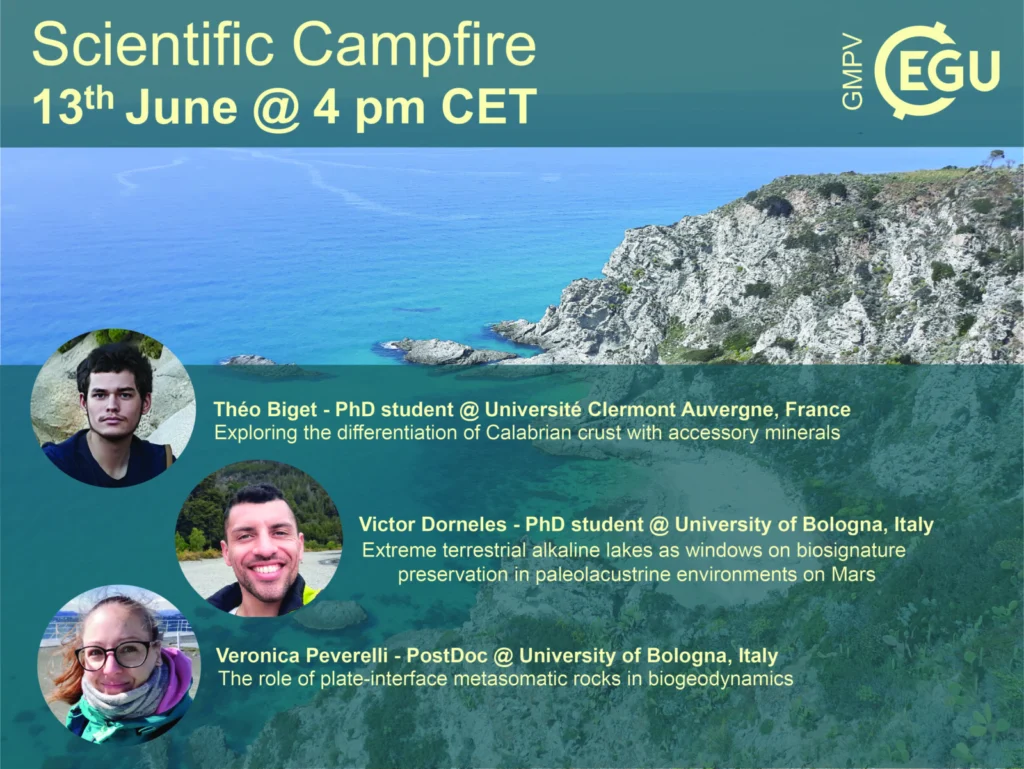
EGU GMPV ECS Campfires – Thursday June 13th @ 4pm CEST
The third edition of the Geochemistry, Mineralogy, Petrology and Volcanology division’s ECS talks – the Campfires – of 2024 is right at the door and will take place on Thursday June 13th at 4 pm CEST on Zoom. This edition will be a Scientific Campfire, during which three early career scientists will present their …[Read More]
Geodynamics
The Sassy Scientist – To fly or to couch surf
One thing that the COVID pandemic has left us is the flexibility to attend a conference either in person or virtually. This has been the case for the last three editions of the EGU GA. As the deadline for an expected conference approaches, we face the dilemma of whether to attend it in person or …[Read More]
Cryospheric Sciences
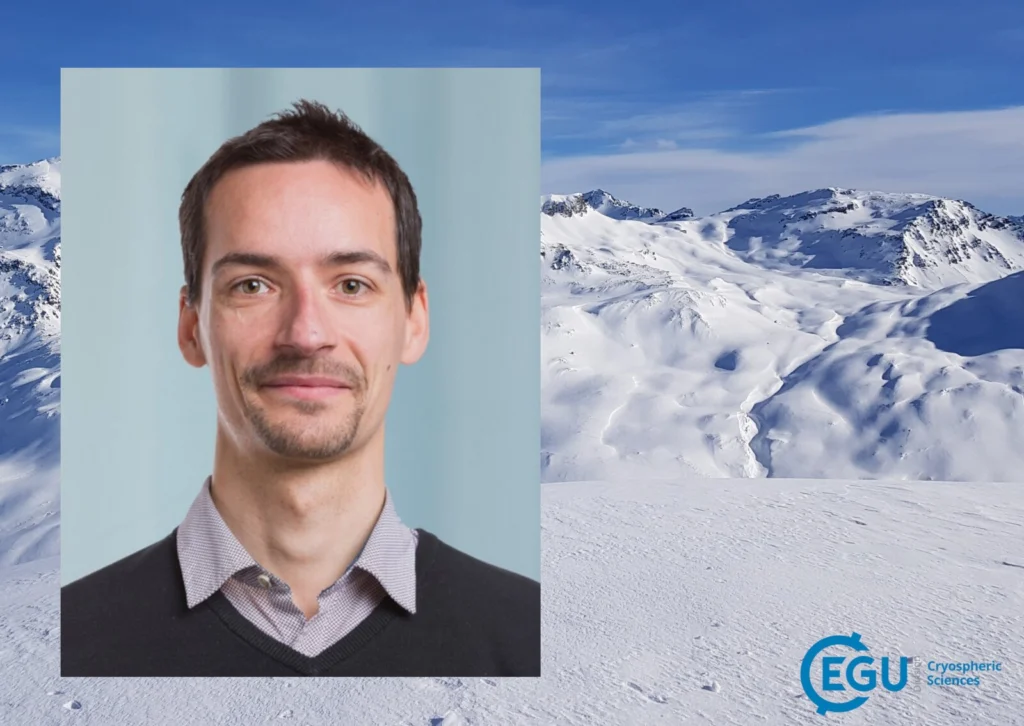
Cryoscientist life stories – an interview with our incoming deputy division president, Daniel Farinotti
We would like to introduce Daniel Farinotti to you, our Cryosphere Division incoming deputy president, who will take over as division president from 2025-2027. For that, our Cryosphere Division outreach officer, Larissa van der Laan, interviewed Daniel at the EGU General Assembly in April 2024, to ask him a few questions about himself and his …[Read More]
Geodesy
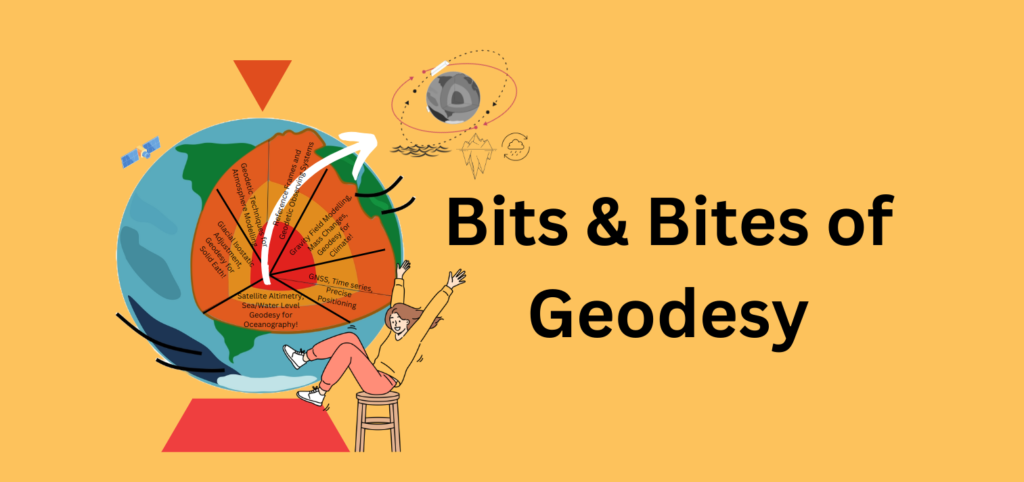
Bits and Bites of Geodesy – Satellite altimetry: What else can we do with it?
In the previous post of this series, we learned how we can use satellite radar altimetry to retrieve highly accurate estimates of global sea level changes. If only reading “sea level” triggers your climate anxiety – we got you covered! In this post we will introduce you to three more applications of radar altimetry, where …[Read More]
Hydrological Sciences
Public engagement in science: how to position ourselves?
The recent student protests against the war in Gaza reminded all of us that being a member of the academic community requires us to reflect upon our role in society. In Switzerland, the university occupations (see SwissInfo) led to several open letter-type reactions from academic staff, either supporting the protests or on the contrary, recalling …[Read More]