EGU Blogs

Division blogs

GD
Geodynamics

Linking the Earth’s Engine and Landscape Formation and Evolution
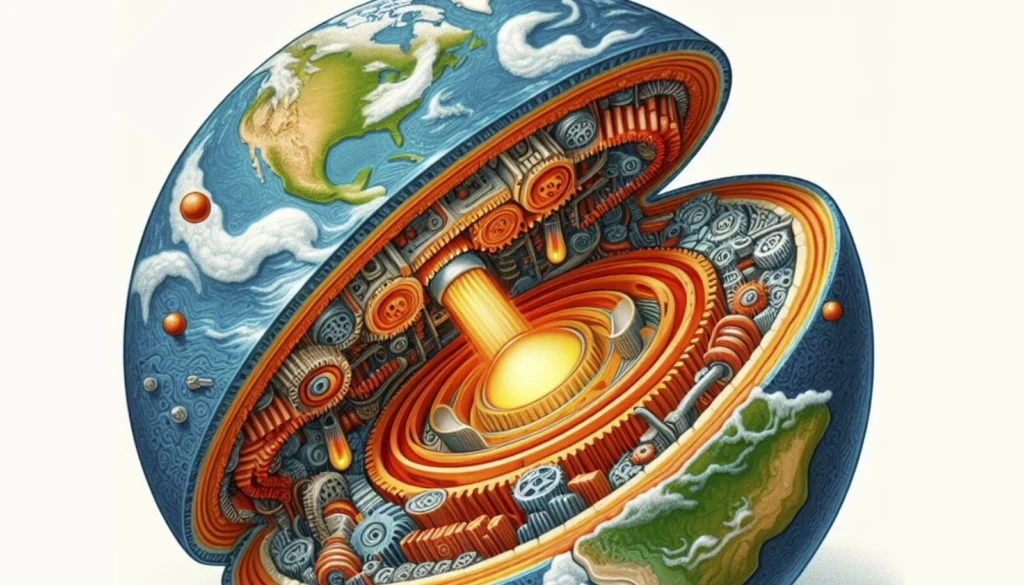
Linking the Earth’s Engine and Landscape Formation and Evolution
The Earth’s internal engine drives several geodynamic processes such as continental rifting and dynamic topography, shaping mesmerizing landscapes. Through numerical modeling, insights into formations like the Continental Rift of Southeastern Brazil deepen our appreciation of Earth’s dynamic nature and the forces sculpting its surface. The heat engine beneath our feet Not so long ago, human …[Read More]

HS
Hydrological Sciences

Using rainy day temperatures to predict the future of 100-year downpours

Using rainy day temperatures to predict the future of 100-year downpours

It’s hard to overstate the importance of so-called “rainfall frequency analysis,” or the estimation of rare rainfall probabilities such as the 100-year storm. Billions of euros worth of infrastructure and planning decisions are made every year around the world based on such statistics.  Unfortunately, extreme short-duration rainfall—meaning very high rainfall rates over a few minutes …[Read More]

CL
Climate: Past, Present & Future

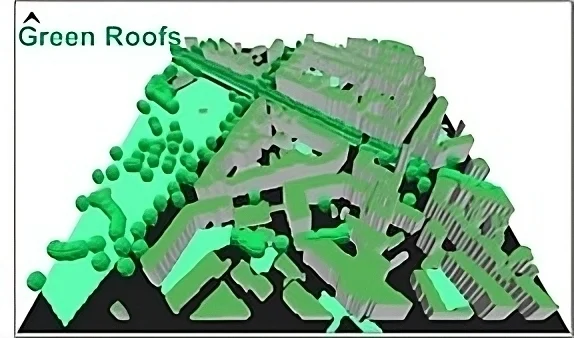
Modelling the heat mitigation effects of blue roofs and green roofs to assess climate change adaptation potentials in dense urban environments

Modelling the heat mitigation effects of blue roofs and green roofs to assess climate change adaptation potentials in dense urban environments

Urban areas often show higher temperatures than their surrounding rural areas, especially during heat events. This phenomenon is called the Urban Heat Island (UHI) effect. The magnitude of the UHI effect is expressed by the absolute temperature difference between the rural and the urban area and can reach more than 10 °C. During past decades, …[Read More]

GD
Geodynamics

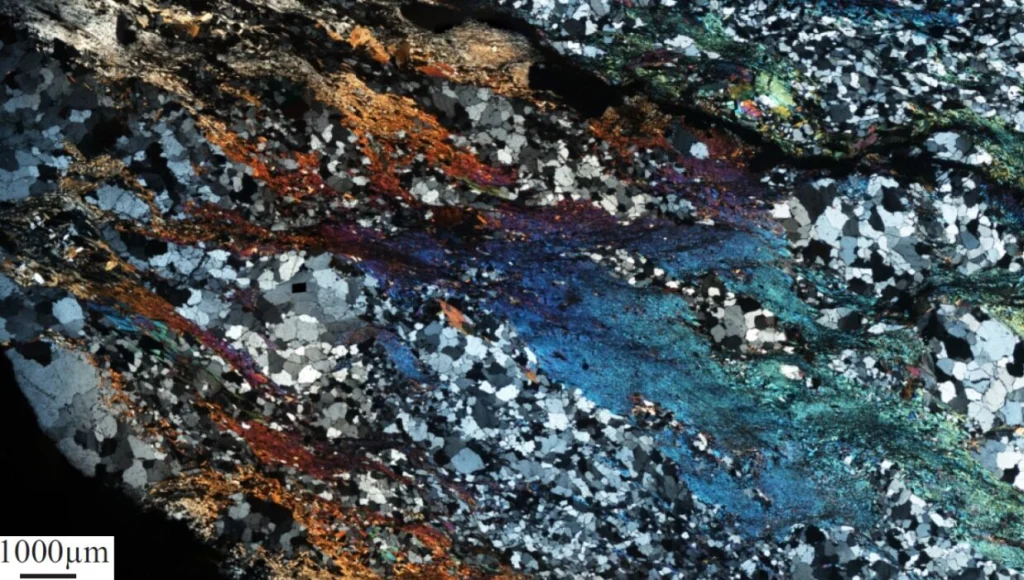
Exploring rheology of Earth’s materials: The marvels of high-temperature high-pressure deformation experiments

Exploring rheology of Earth’s materials: The marvels of high-temperature high-pressure deformation experiments

The Earth, with its towering mountains, shifting tectonic plates, and dynamic geological processes, has always been a subject of fascination and inquiry for scientists. Amidst the vast array of scientific disciplines, one relatively small yet impactful field, known as experimental rock deformation, plays a crucial role in unraveling the mysteries hidden beneath the Earth’s surface. …[Read More]

NH
Natural Hazards

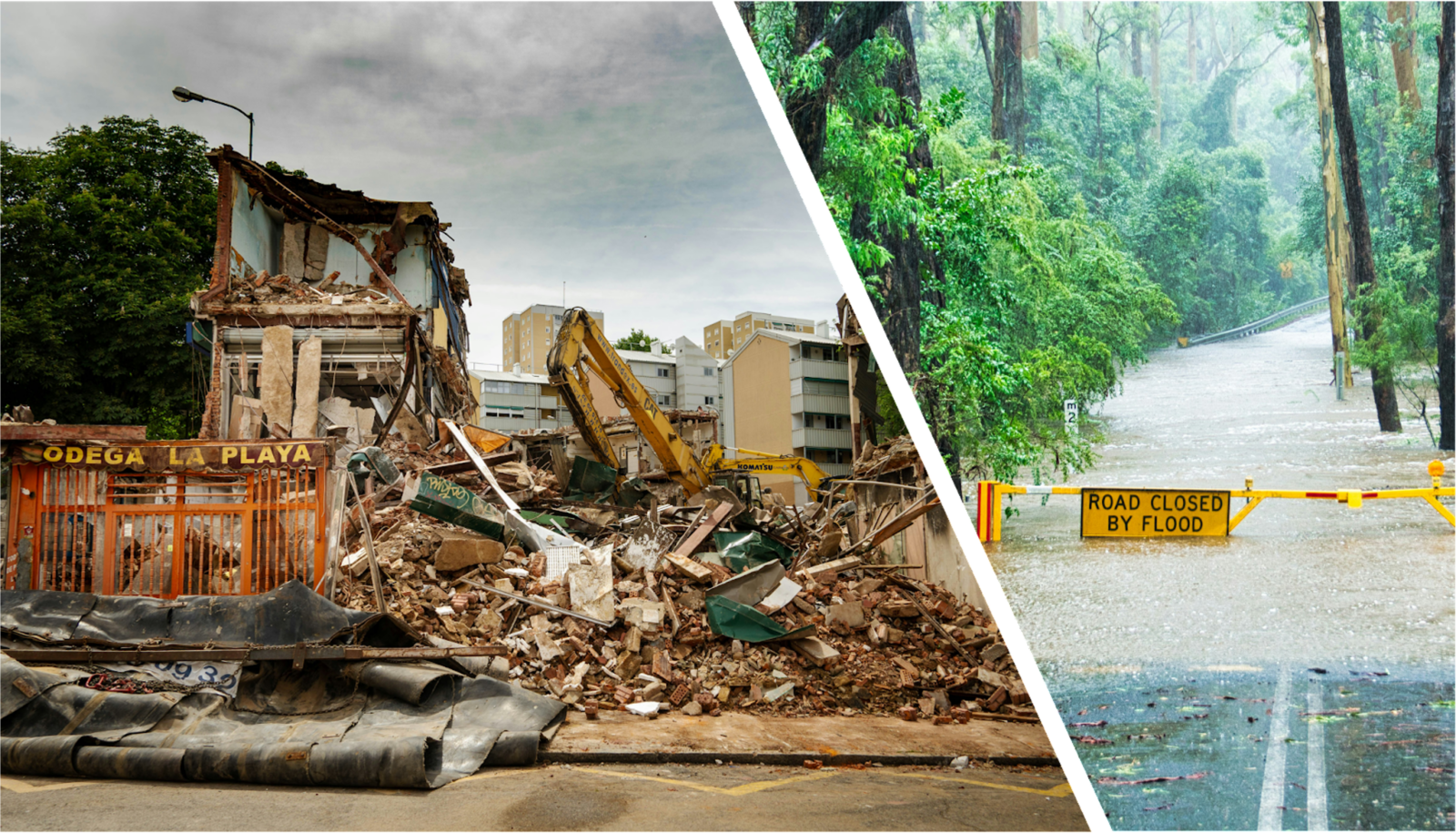
Disentangling the complexity of multi-(hazard-)risks: conversations with Marleen de Ruiter, the EGU NH Division 2024 Early Career Scientist Award Winner

Disentangling the complexity of multi-(hazard-)risks: conversations with Marleen de Ruiter, the EGU NH Division 2024 Early Career Scientist Award Winner

Marleen de Ruiter is Assistant Professor at the Institute for Environmental Studies (IVM), Vrije Universiteit Amsterdam. Her research focuses on multi- and consecutive disasters, improving modeling capabilities and understanding of multi-hazard risk and assessing the potential adverse impacts of Disaster Risk Reduction measures across different hazards. She manages the Myriad-EU project, co-leads the RiskKAN working …[Read More]

HS
Hydrological Sciences

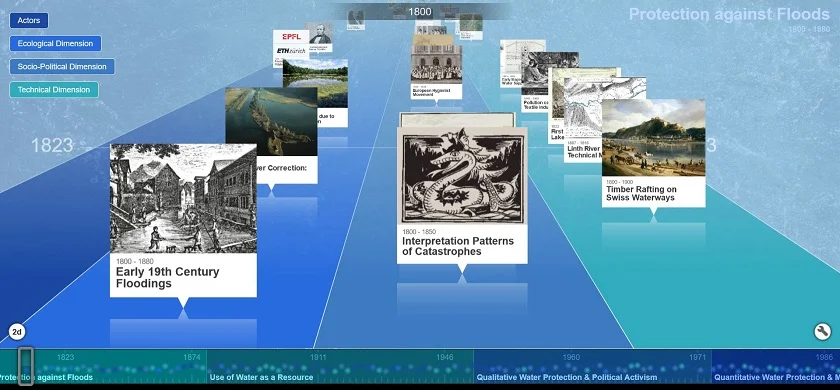
Historical evolution of water management: the example of Switzerland over 200 years

Historical evolution of water management: the example of  Switzerland over 200 years

How can we use and manage natural resources more sustainably? This question stands at the core of many social, political and scientific debates about how we can reach the United Nation’s Sustainable Development Goals (SDGs). The targets are ambitious, and there is a growing consensus that rapid and extensive structural change is needed in various …[Read More]