EGU Blogs

Division blogs

GM
Geomorphology

Highlighting Shakespeare’s Geomorphology

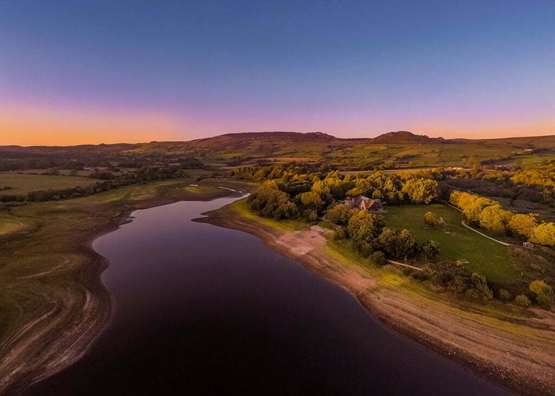
An oblique aerial photograph of the river Trent at dusk/dawn (a dark blue sky with orange along the horizon).

Recently, I was reading about the River Trent in the UK and came across a surprising Shakespeare quote that I thought I would highlight to the geomorphology community . The quote below is from Henry IV (Part 1, act 3, scene 1) where the character ‘Hotspur’ references the meandering River Trent:  “Methinks my moiety, north …[Read More]

TS
Tectonics and Structural Geology

TS Must Read – 3D seismic analysis of the structure and evolution of a salt-influenced normal fault zone: a test of competing fault growth models, Jackson & Rotevatn (2013)

TS Must Read – 3D seismic analysis of the structure and evolution of a salt-influenced normal fault zone: a test of competing fault growth models, Jackson & Rotevatn (2013)

In this Must Read paper “3D seismic analysis of the structure and evolution of a salt-influenced normal fault zone: a test of competing fault growth models (2013)”, by Christopher A-L. Jackson and Atle Rotevatn used detailed 3D seismic reflection data from the Suez Rift, Egypt, to gain a better understanding of the structural evolution of …[Read More]

GD
Geodynamics

Creativity and geology

Creativity and geology

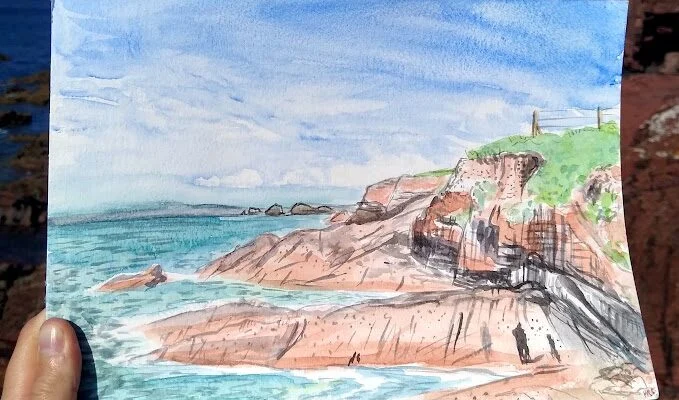
Phoebe Sleath, a PhD student at the University of Aberdeen, guides us through the intersection of art and geology. She shares how she got into watercolour field sketching, how it became a valuable companion during her PhD journey, and how it serves as a powerful tool for communicating science Why do you like doing geoscience? …[Read More]

NH
Natural Hazards

Taking the risk personally: how perceived flood experience relates to risk perception, sensed coping appraisal, and protective behaviour

Taking the risk personally:  how perceived flood experience relates to risk perception, sensed coping appraisal, and  protective behaviour

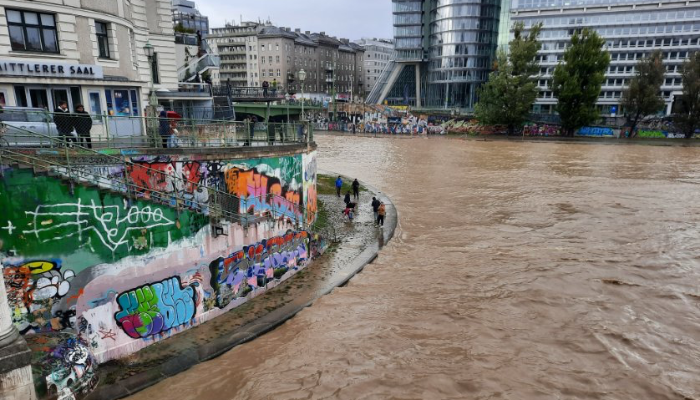
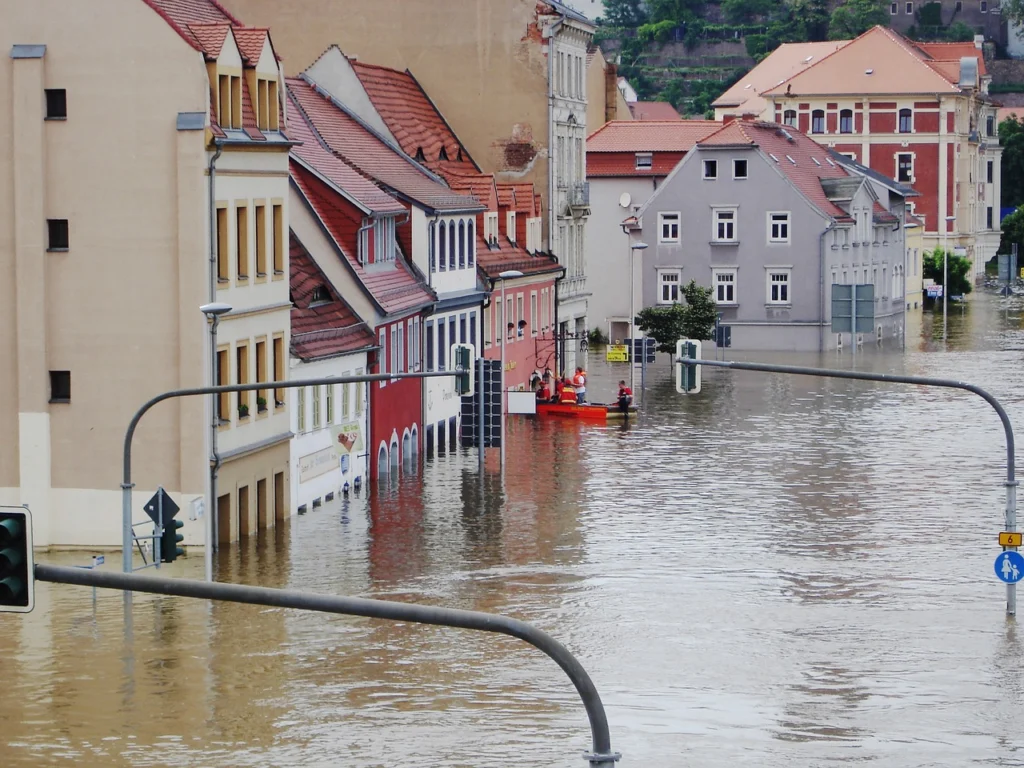
The frequency and severity of extreme weather events, such as heavy rainfall, droughts, and storms, are increasing globally, putting societies and infrastructures worldwide at risk [1]. These developments demand effective adaptation measures and ways to enhance societal resilience. Consequently, it is necessary to understand how people perceive and respond to natural hazards. Knowing that the …[Read More]