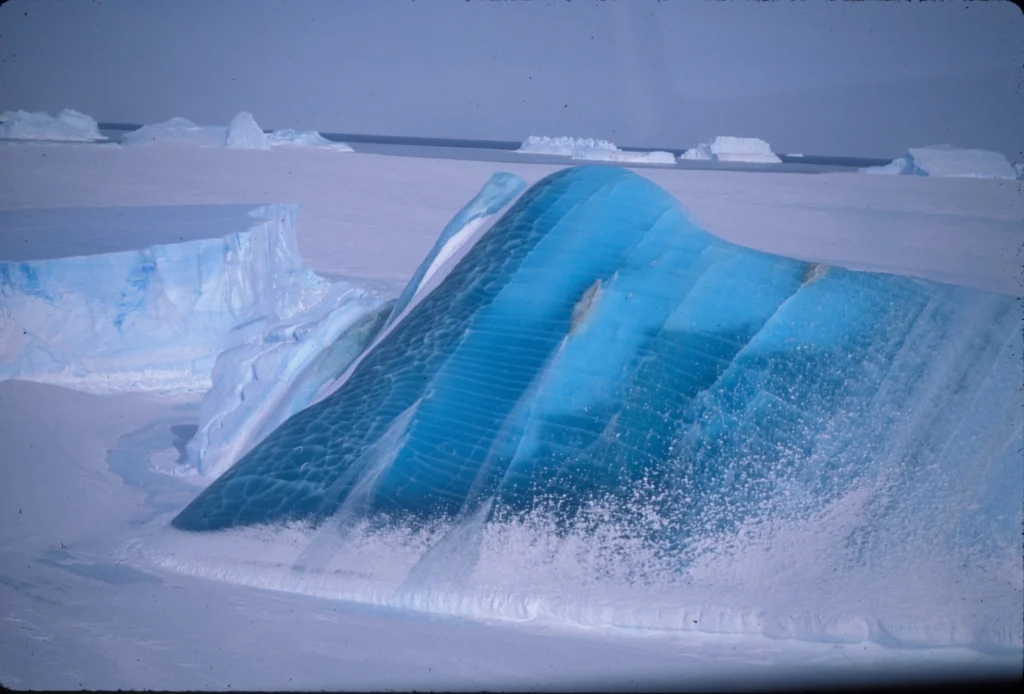
It is Easter weekend! And as we do not want you to forget about our beloved cryosphere, we provide you with a picture nearly as colourful as the Easter eggs: very blue icebergs! What makes them so special? This is what this Image of the Week is about… What are icebergs made of? Icebergs are …[Read More]
Division blogs
Cryospheric Sciences
A brief guide to Navigating EGU 2018!
Are you going to the EGU General Assembly in Vienna in just over a week? If so, read on for a quick guide to navigating the week: Where to start, what to see and how to meet people and enjoy yourself! After all, the meeting is as much about the opportunities to meet scientists from all …[Read More]
Geodynamics
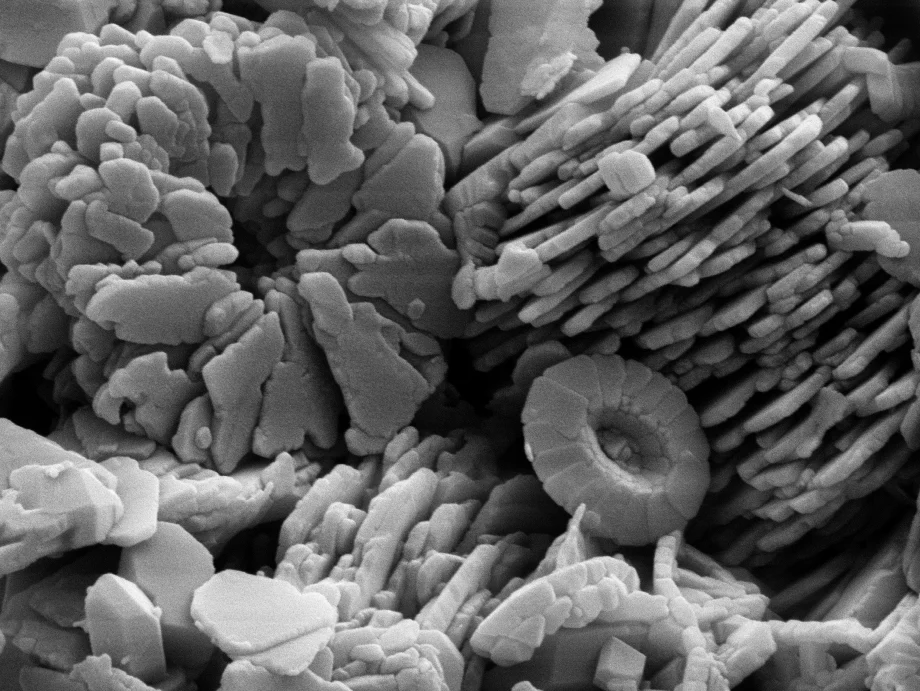
Convection in eggs
Happy Easter everybody! It is that time of year again when you wake up excitedly on Easter Sunday and run into the garden to find the chocolate eggs the Easter Bunny hid for you! What? That’s just me? Hm. Well, in any case, you will probably have a couple of extra days off from work …[Read More]
Tectonics and Structural Geology
Minds over Methods: Experimental seismotectonics
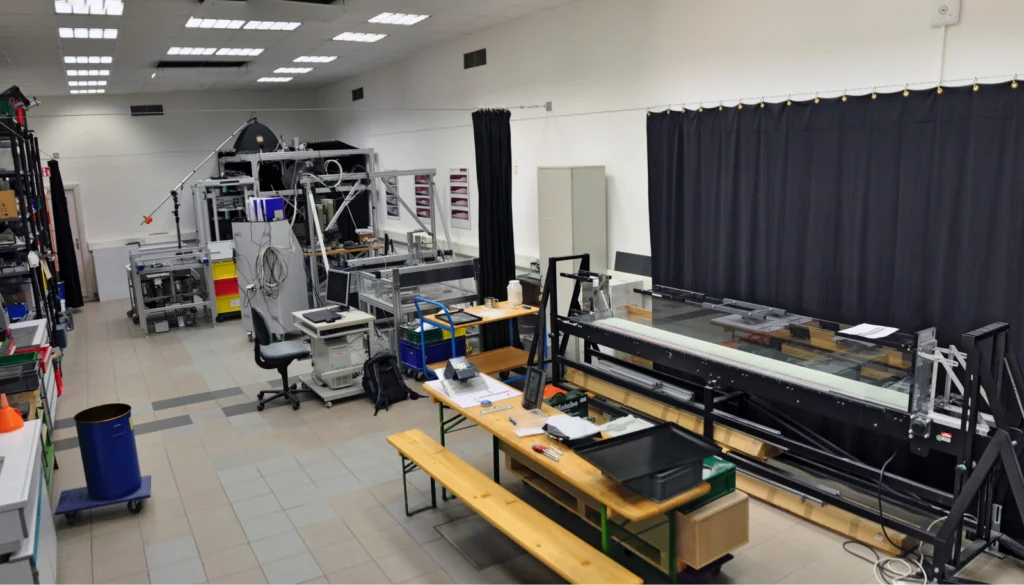
For our next Minds over Methods, we go back into the laboratory, this time for modelling seismotectonics! Michael Rudolf, PhD student at GFZ in Potsdam (Germany), tells us about the different types of analogue models they perform, and how these models contribute to a better understanding of earthquakes along plate boundaries. Experimental seismotectonics – …[Read More]
Cryospheric Sciences
Image of the Week – Geothermal heat flux in Antarctica: do we really know anything?
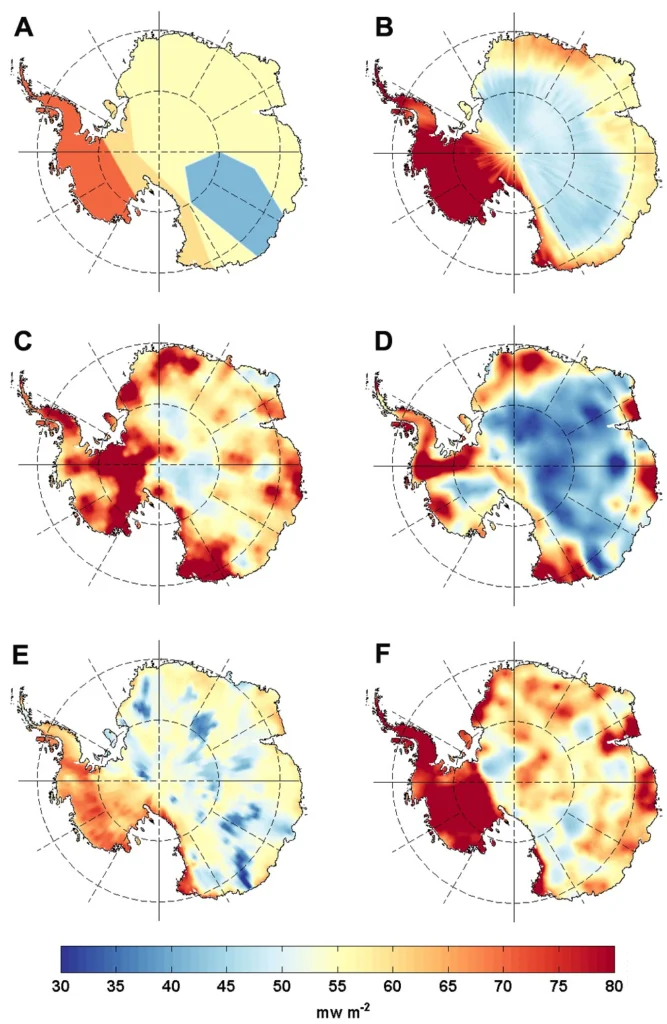
Geothermal heat flux is the major unknown when we evaluate the temperature and the presence/absence of water at the bed of the Antarctic Ice Sheet. This information is crucial for the Beyond Epica Oldest Ice project, which aims to find a continuous ice core spanning 1.5 million years (see this previous post). A lot of …[Read More]
Geomorphology
A geomorphologist’s winter refuge
– written by Michael Dietze, GFZ Potsdam – Why Swedish, Finnish and German geomorphologists meet in the boreal zone to drill holes into icy rivers and frozen ground. There are many ways to counter the lazy days between Christmas and the EGU meeting. One of the more promising ones is this: think of doing collaborative …[Read More]
Stratigraphy, Sedimentology and Palaeontology
Picture of March
Geodynamics
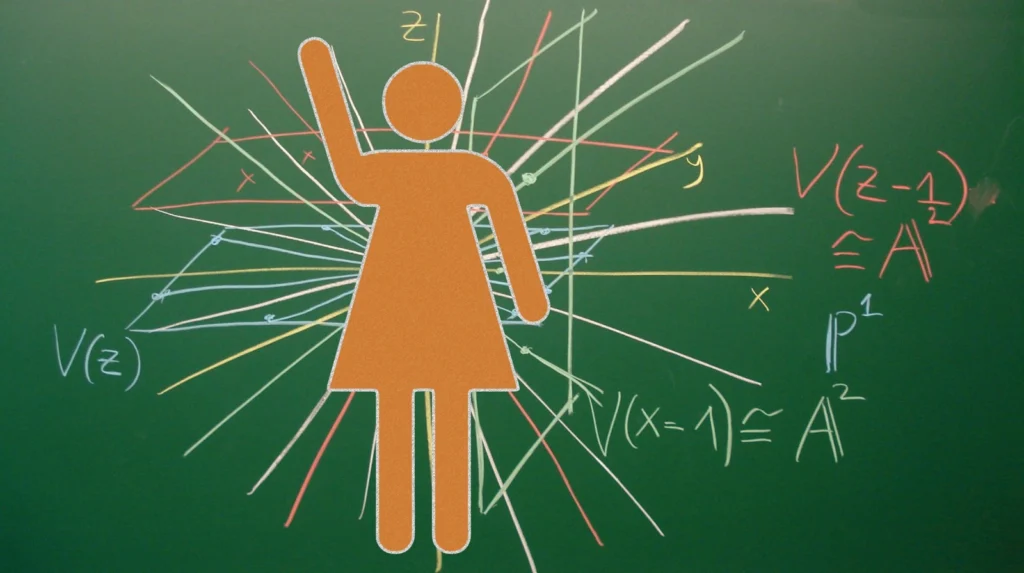
Help us fight patriarchy, one comic strip at a time!
Women in science/geodynamics: a topic we have discussed before and should continue to discuss, because we’re not there yet. In this new Wit & Wisdom post, Marie Bocher, postdoc at the Seismology and Wave Physics group of ETH Zürich, discusses a range of all-too-common encounters women face and a possible solution to awareness: comics (drawn …[Read More]
Solar-Terrestrial Sciences
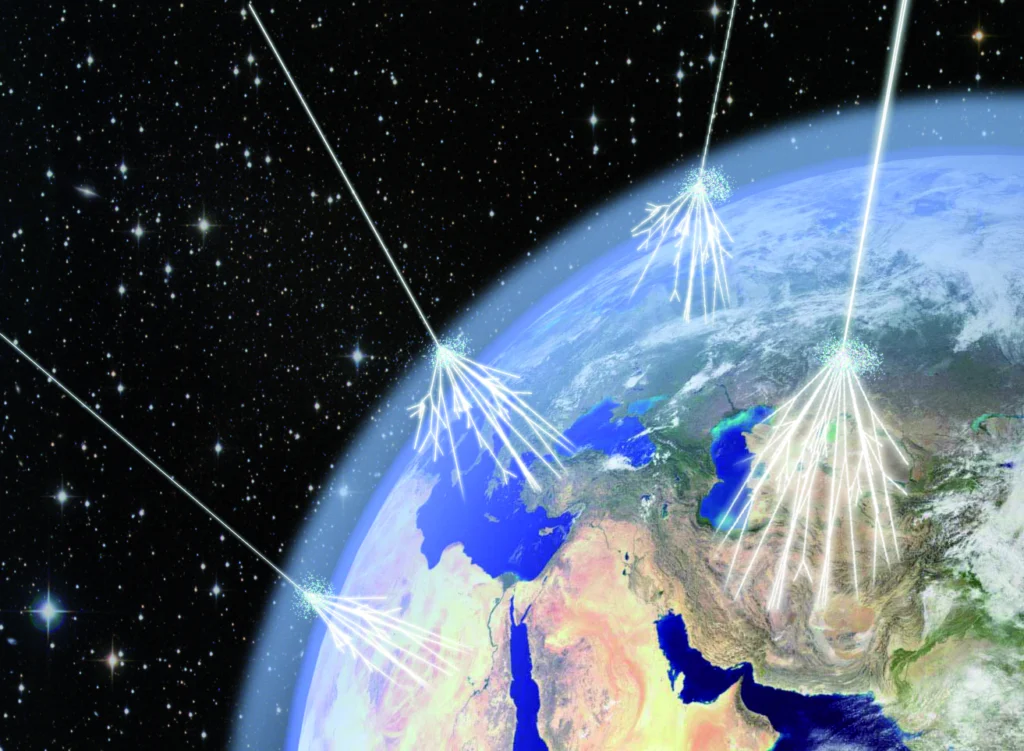
Cosmic rays – messengers from space
Cosmic rays (CRs), are not actually rays, but highly energetic charged particles of extraterrestrial origin. The life cycle of a cosmic ray particle starts with its birth at some point in the Universe, its travel at nearly the speed of light and finally with its death ( e.g. at a detector). These highly energetic particles …[Read More]
Natural Hazards
What is coming at the next EGU’s General Assembly?
The next EGU’s General Assembly is taking place in three weeks! We bet you already started planning your program for the week, and that Natural Hazard (NH) sessions are included, and, especially if you are an Early Career Scientist, you have found many sessions and courses targeting your specific needs and interests. What fits more …[Read More]