The 3rd edition of the Geochemistry, Minerology, Petrology and Volcanology division’s early career scientists talks will be on Monday 21 September 4pm CEST. Our speakers are (talk titles may be subject to changes): João Lages (University of Palermo) – “Constraints on mantle, slab and crustal contributions to majors volatiles and noble gases along subduction zones” …[Read More]
Division blogs
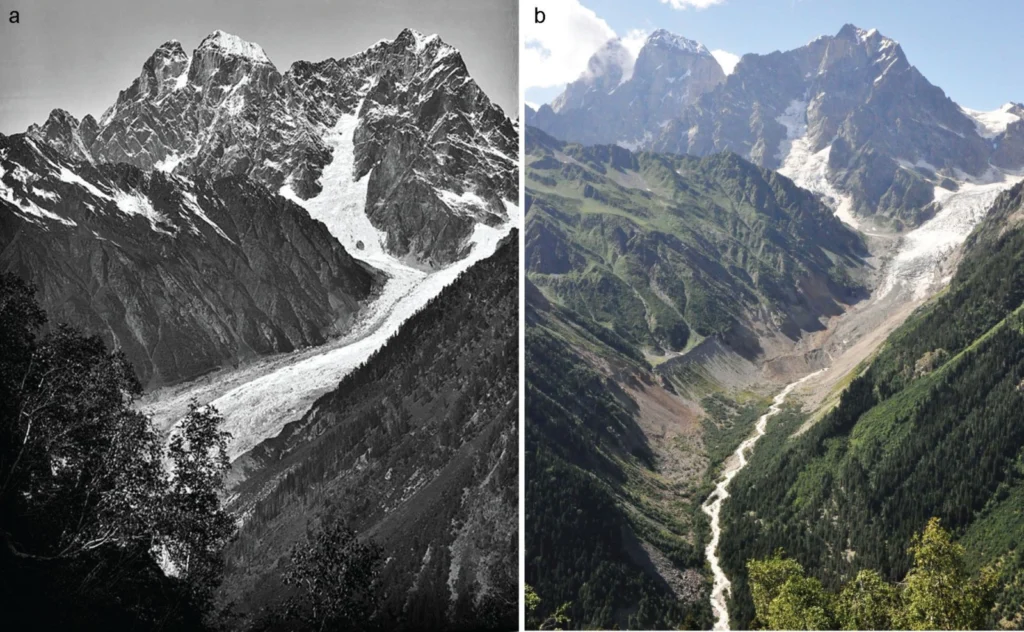
Climate Change & Cryosphere – How the Chalaati Glacier (Georgian Caucasus) changed since the Little Ice Age
Chalaati Glacier is one of the largest glaciers in the Greater Caucasus and has undergone expansive mass loss. In this week’s blog post, Levan Tielidze tells us about Chalaati Glacier variations in the past centuries. His recent study was conducted based on surface exposure dating technique, dendrochronology (tree ring analysis), lichenometry, and satellite imagery. They …[Read More]
The Sassy Scientist – The Cricetinae Model
Despite workshops and seminars and conference sessions and Zoom colloquia, of which Geraldine has attended many, one big question remains in geophysics: What drives plate tectonics? Dear Geraldine, Slab pull? Ridge push? Mantle drag? Continental keels? Super plumes? Mantle wind? Expanding Earth? God? Nope, there is only one explanation that truly fits the data and …[Read More]
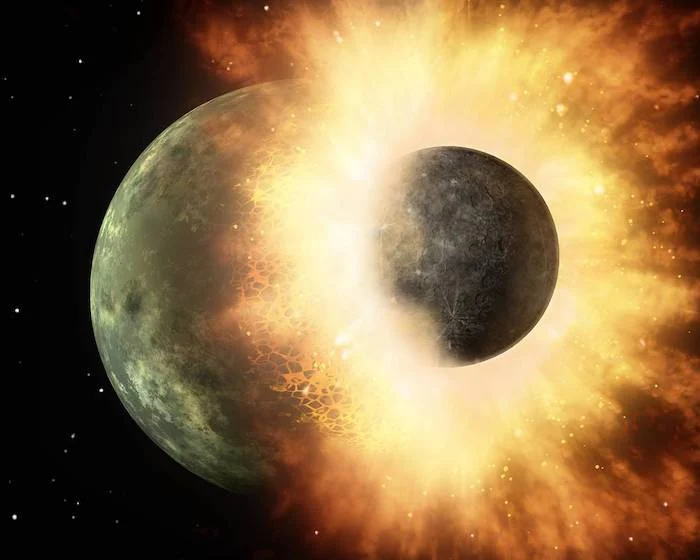
What happens when two worlds collide?
Why does the Moon have a very small core and Mercury one that makes up roughly 85% of the planet’s radius? Why are humans doing research in geoscience and not some evolved version of dinosaurs? In this week’s blog post, Harry Ballantyne, PhD student at the Department of Space and Planetary Sciences at the University …[Read More]
TS Must-Read – Dietz (1961) Continent and ocean basin evolution by spreading of the sea floor
Dietz 1961 “Continent and Ocean Basin Evolution by Spreading of the Sea Floor” paper was ground-breaking for plate tectonics. Almost literally, as it discussed the sea-floor spreading theory. Certainly away from the consensus at the time, this article is a classic in divergent tectonic settings and it may be an interesting piece of work for …[Read More]
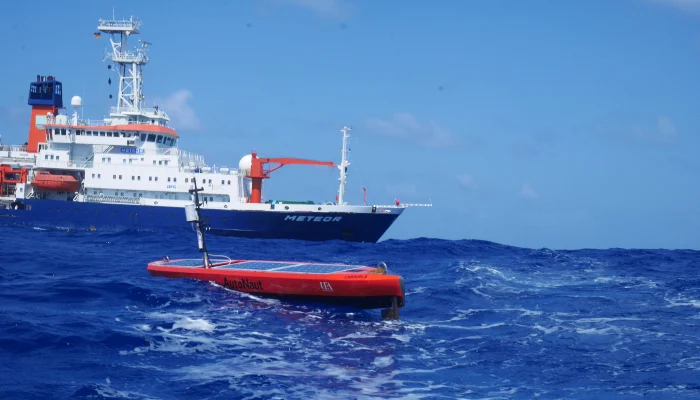
Eurec4a: Tales from the Tropics
As many seagoing oceanographers find themselves on land for the foreseeable future, we’ve decided to share a tale of a research cruise to fill that ship-shaped void. Back in January 2020, four research vessels ventured out into the Tropical North Atlantic as part of the Eurec4a and ATOMIC campaigns. Eurec4a’s aim: to investigate the couplings between …[Read More]
From light to waveform: how fiber-optic cables can be repurposed as seismic arrays
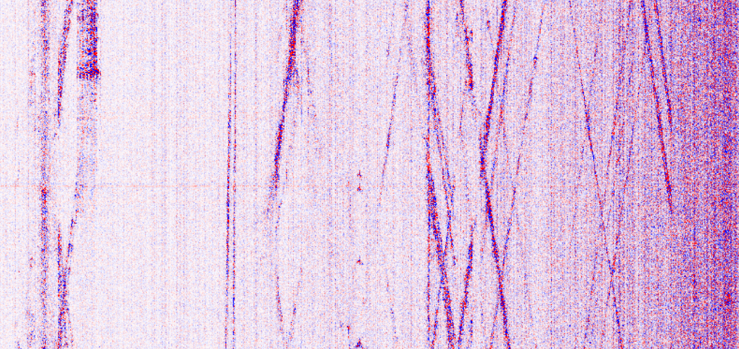
What is Distributed Acoustic Sensing (DAS) and why is it exciting? Any observational seismologist would agree that our understanding of subsurface structure and dynamics is in great part limited by our ability to acquire data at the right locations, with the necessary spatial and temporal resolution. However, although our ultimate objective would be to cover …[Read More]
‘Job’ alert! GMPV is looking for a (deputy) early career scientist rep!
The Geochemistry, Mineralogy, Petrology and Volcanology division of the European Geosciences Union is looking for a new Early Career Scientist representative! The current rep will stand down at the General Assembly in 2021, but we’d like some handover time between reps so we’re advertising now with the aim of the incoming rep starting in ~November …[Read More]
Pros & cons of an academic life
The life of an academic is supposed to be fulfilling. To study a specific topic, understand it and share the acquired knowledge with everyone is something of great societal value and should make anyone proud. But, everything in life comes with pros and cons. So, today we will try to talk about the beauty and …[Read More]
Climate Change & Cryosphere – Glacier retreat poses new challenges in the Central Andes
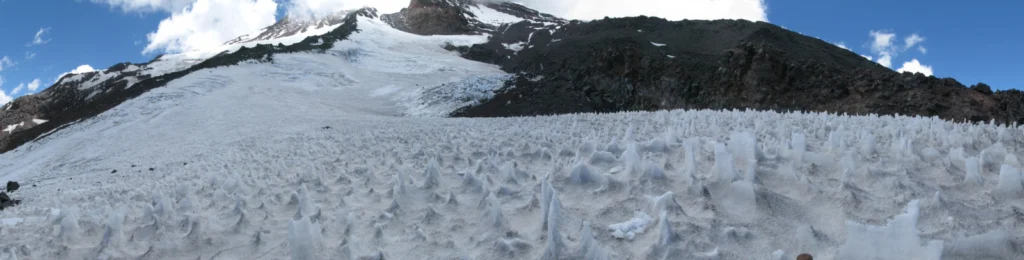
When you hear of Chilean glaciers, you probably think about the large glaciers of Patagonia. However, glaciers can be found further north in Chile as well (see this previous post). While the melting of the Patagonian glaciers mainly affects the global human population by contributing to sea level rise, the retreat of glaciers in central …[Read More]