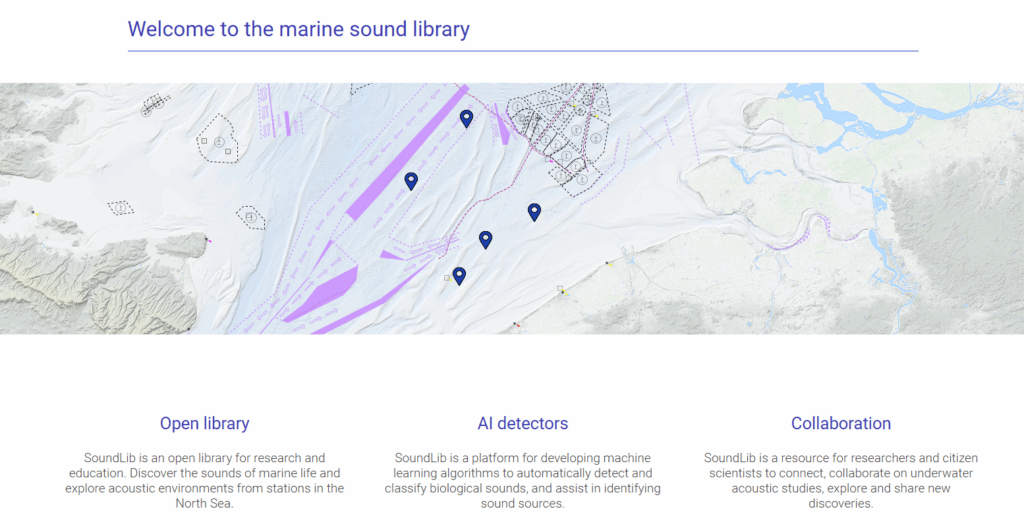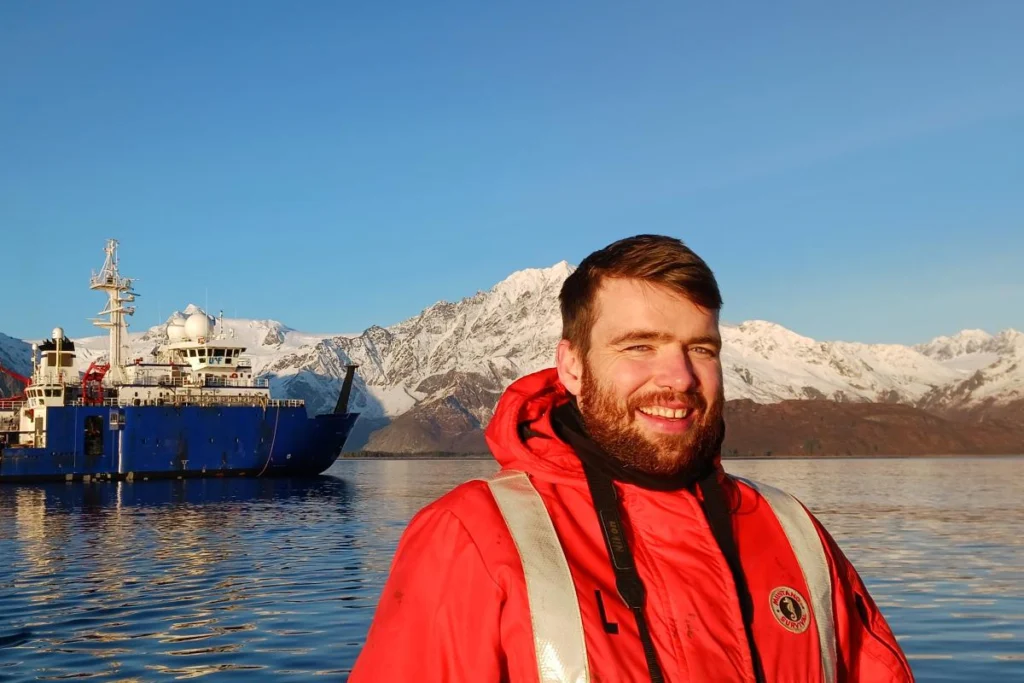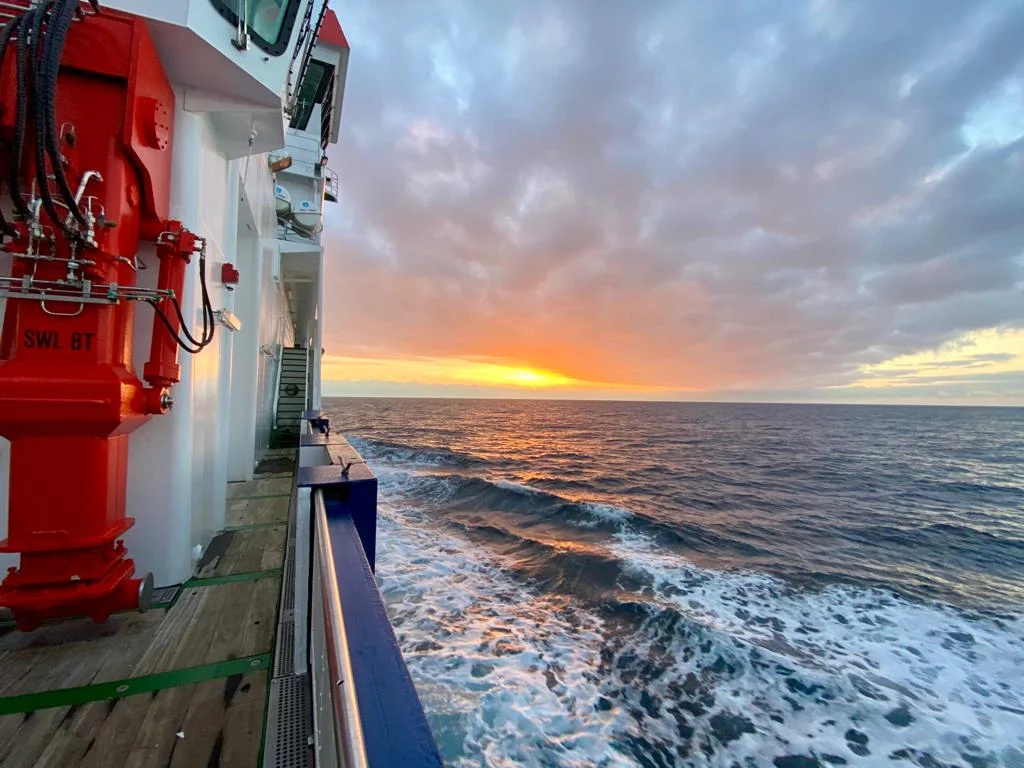
We chatted with Bram Cuyx, an underwater acoustics AI research engineer at the Flanders Marine Institute (VLIZ) in Belgium, about his unique path from engineering into marine science. In this interview, he shares how he made the leap from signal processing in electronics to listening to the soundscape of the North Sea, what it’s like to build a sound library for AI, and why acoustics might b ...[Read More]
A model to trace methane from the seafloor to the atmosphere
When people picture gas leaking from the seafloor, they often imagine plumes of bubbles that make up a direct path from the seabed to the sky. The reality, however, is far more complex and far more interesting. Between the seafloor and the atmosphere lies an entire ocean of physics, chemistry, and biology that controls the fate of the released gas. In fact, typically, most methane is dissolved int ...[Read More]
Call for input: A Fisherman’s Guide to Marine Carbon Dioxide Removal
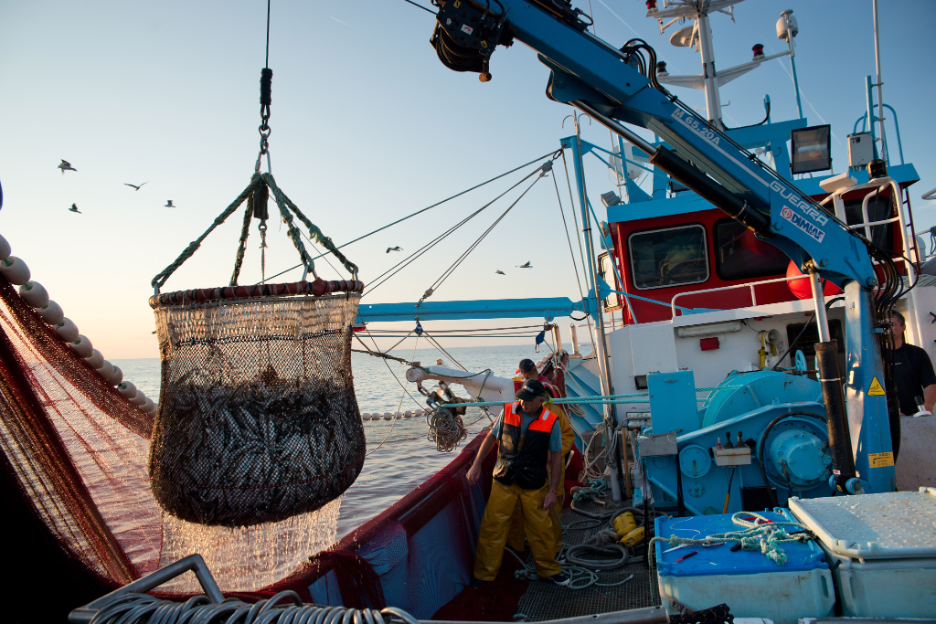
As climate change continues to reshape our oceans, science communication remains vital to the research and development of mitigation strategies. For scientists and engineers working on climate solutions, much of the conversation happens through technical papers, conference presentations, and policy memos. But invested communities outside these circles may have little access and limited time to con ...[Read More]
Where Freshwater Meets the Fjord: Researching Carbon in a Changing Arctic
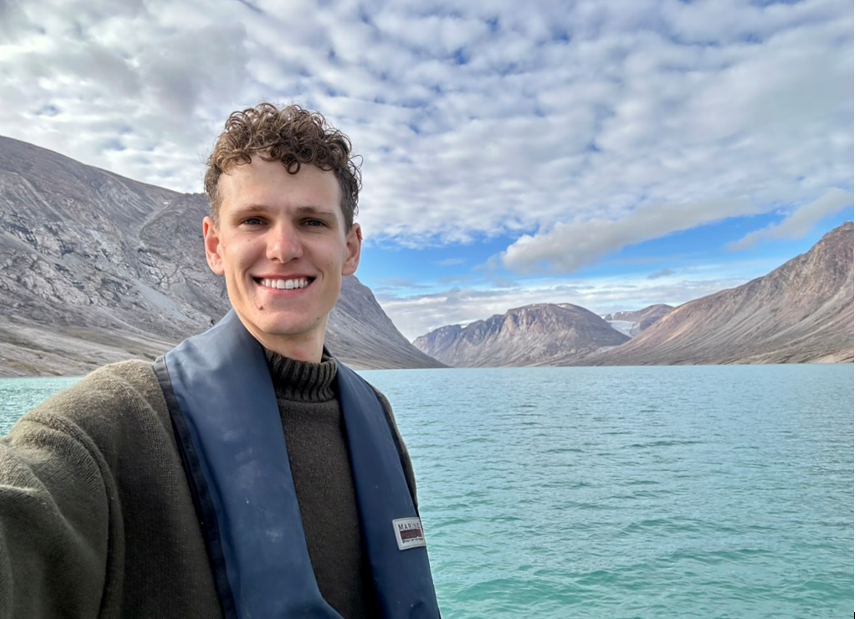
We sat down with Henry Henson, a PhD student at Aarhus University, whose path led from an early love of nature to studying the frontlines of climate change in the Arctic. Henry works with both Aarhus University’s Arctic Research Centre and the Greenland Climate Research Centre in Nuuk, exploring how Greenland’s coastal oceans absorb CO2 and how a warming, freshening Arctic is transforming these fr ...[Read More]