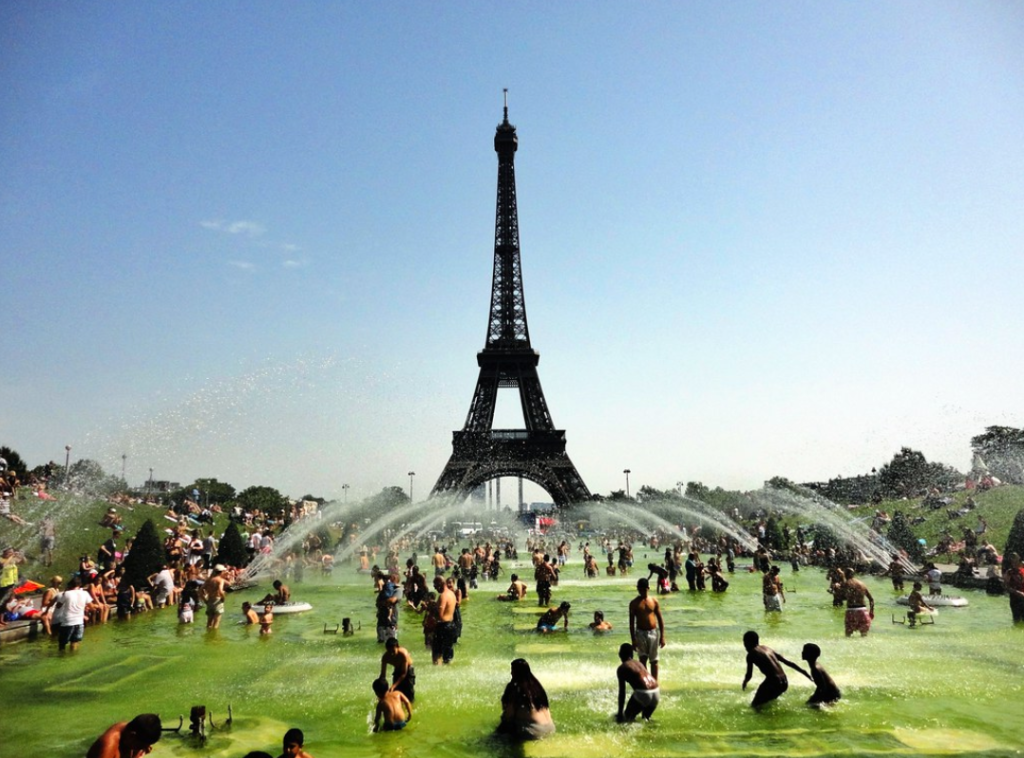
Too hot, Too soon: the thermometer has reached unprecedented temperature for a month of June in France, with the 40°C mark crossed by Friday June 17 in part of France. The IPCC AR6 report now clearly states that the probability of heatwave events such as this one has increased by a factor 3 to 5 …[Read More]
Atmospheric circulation
ClimarisQ: A game on the complexity of the climate systems and the extreme events
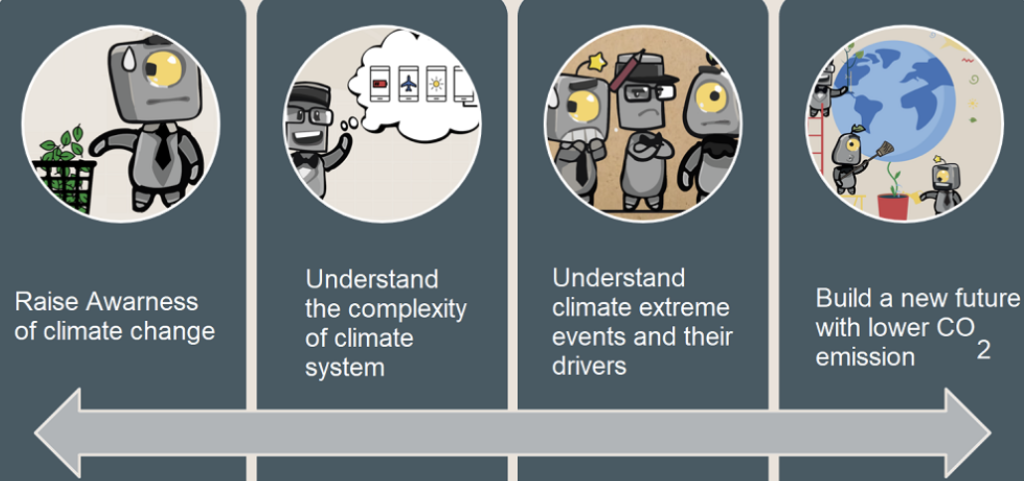
ClimarisQ is a smartphone/web game from a scientific mediation project that highlights the complexity of the climate system and the urgency of collective action to limit climate change. It is available in four languages: English, French, Spanish and Italian. It is an app-game where players must make decisions to limit the frequency and impacts of …[Read More]
NPG Paper of the Month: “Inferring the instability of a dynamical system from the skill of data assimilation exercises”
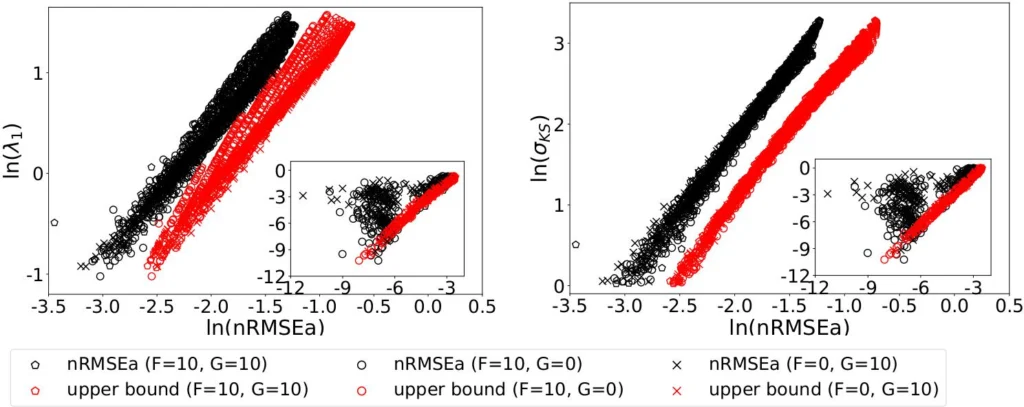
The NPG paper of the month was awarded to “Inferring the instability of a dynamical system from the skill of data assimilation exercises” by Yumeng Chen, Alberto Carrassi, and Valerio Lucarini. Geophysical systems are usually described by a set of dynamical equations that are often non-linear and chaotic (Ghil and Lucarini, 2020). Errors about the …[Read More]
When weather extremes meet climate change: how do scientists attribute single events to climate change?
One of the main new points of the IPCC reports AR6 with respect to the previous ones is the increased confidence that global climate change induced by anthropogenic emissions is critically affecting the dynamics of weather extremes. For summer, and specifically over Europe, the AR6 report states that we are already observing prolonged periods of …[Read More]
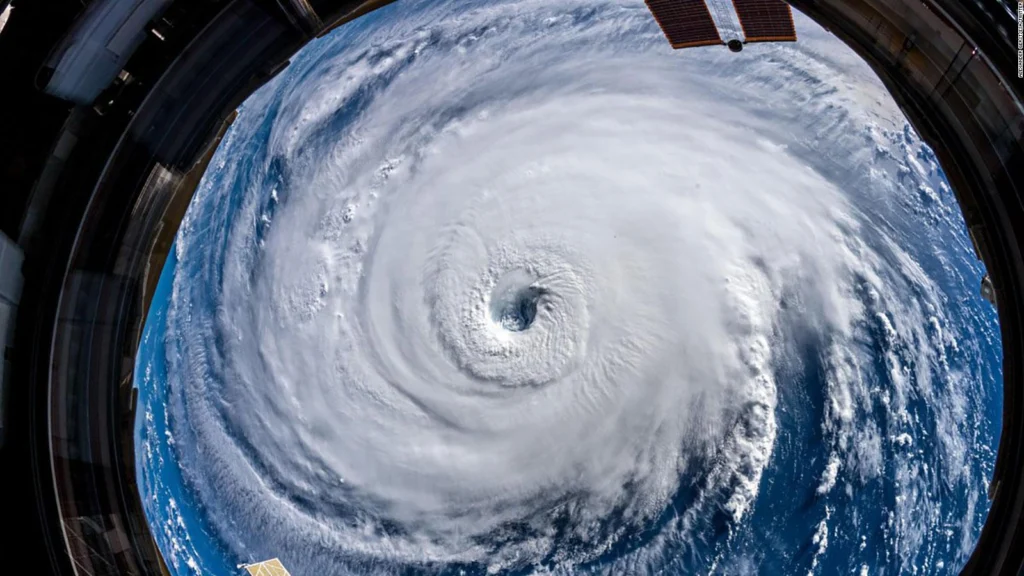
From the eyes of tropical cyclones to flooded strands : how climatologists use weather events to make climate predictions?
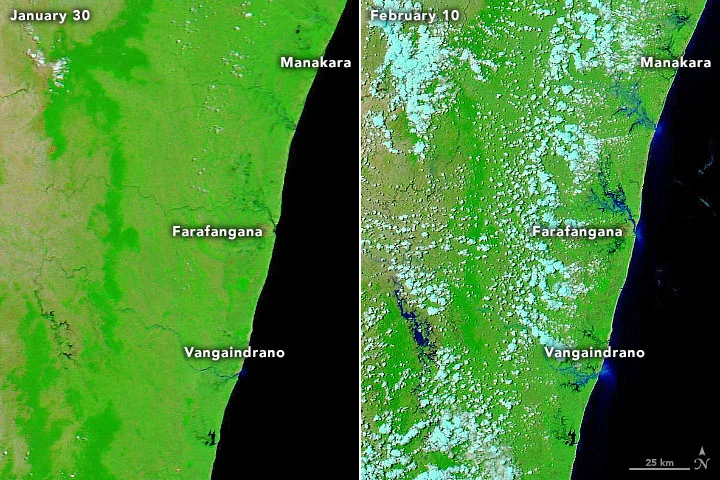
While extreme events are meteorological in nature, climatologists collect them to draw conclusions about the state of the present climate and to get clues how they possibly change in the future. Thus, climate and weather find common ground. If we consider an event alone, we are not studying the climate, we are in the field …[Read More]
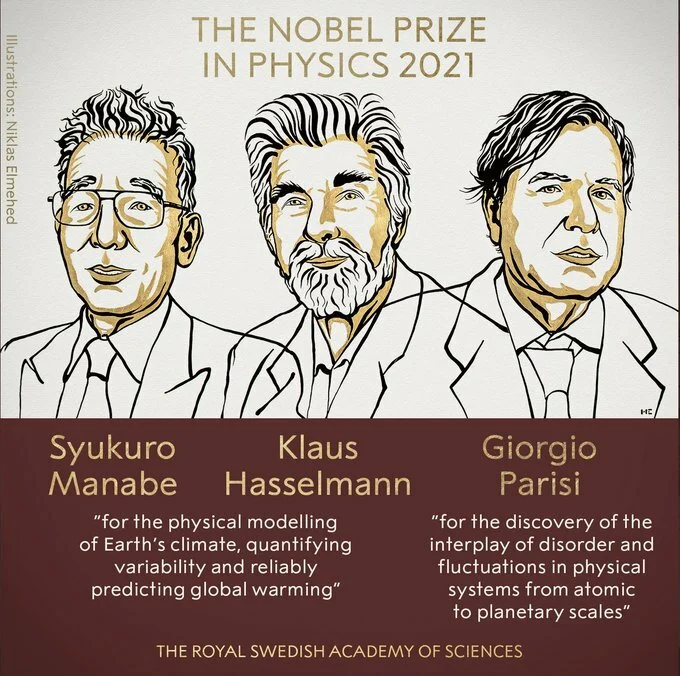
The 2021 Nobel Prize on Physics awarded to the physics of complex systems!
On October 7th, the Nobel Prize in Physics 2021 was announced. It came as a stunning surprise for the Non-linear Processes and Climate communities, the recipients of this year’s award being two outstanding senior climate scientists, Klaus Hasselmann and Syukuro Manabe, and a theoretical physicist specialized in complex systems, Giorgio Parisi. For many, this award …[Read More]
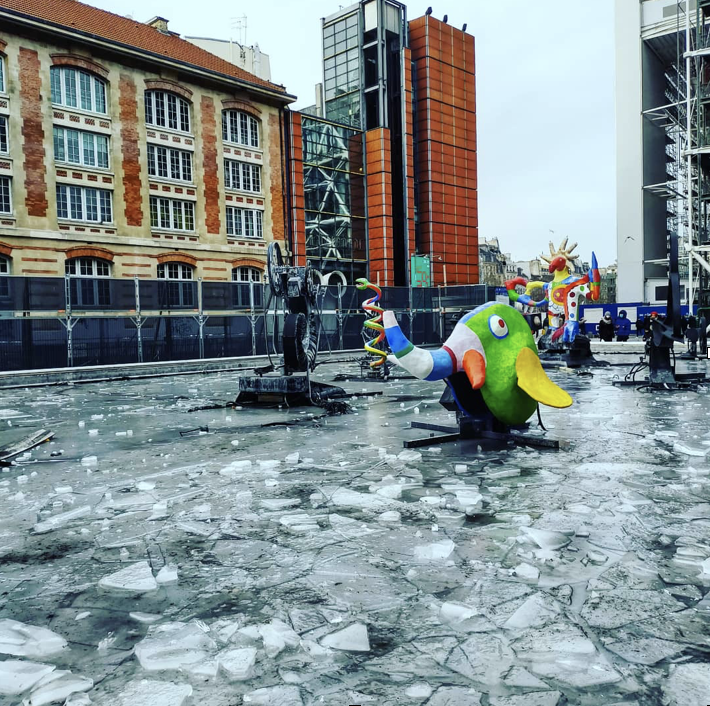
Four reasons for still observing cold spells despite the undeniable global climate change
The winter of 2020-2021 has been characterized by various cold waves affecting – at different times – Western and Eastern Europe and North America. The most striking pictures show Madrid covered by up to 40 cm of fresh snow, frozen Thames near London and Canal St Martin in Paris, heavy snow in Amsterdam and even …[Read More]
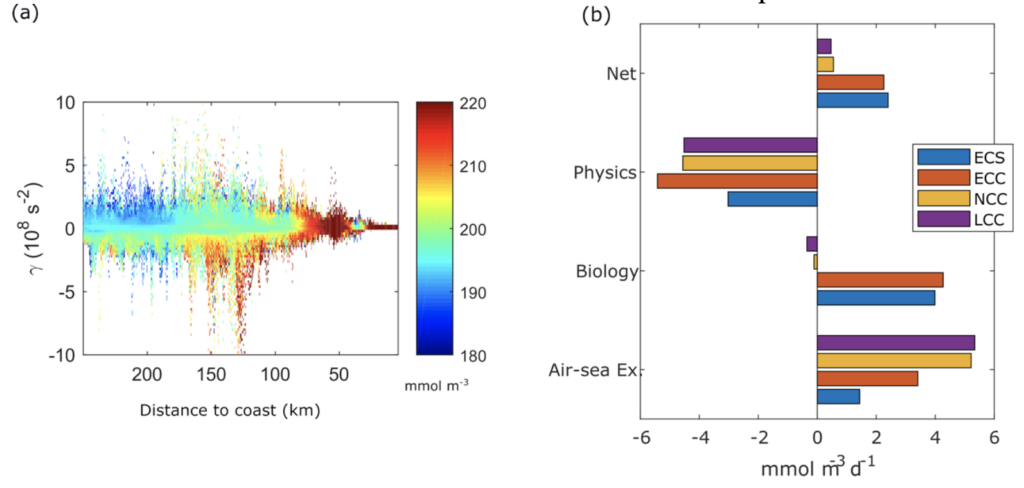
The most-read NPG 2020 paper: “Effects of upwelling duration and phytoplankton growth regime on dissolved-oxygen levels in an idealized Iberian Peninsula upwelling system”
An emerging problem brought by climate change is the on-going deoxygenation of the world’s oceans. The fact that concentrations of dissolved oxygen have been/are declining in both open-ocean and coastal waters is becoming a major scientific and societal concern raised in the Kiel Declaration and in the IUCN (International Union for Conservation of Nature) 2019 …[Read More]
The never-ending 2020 hurricane season
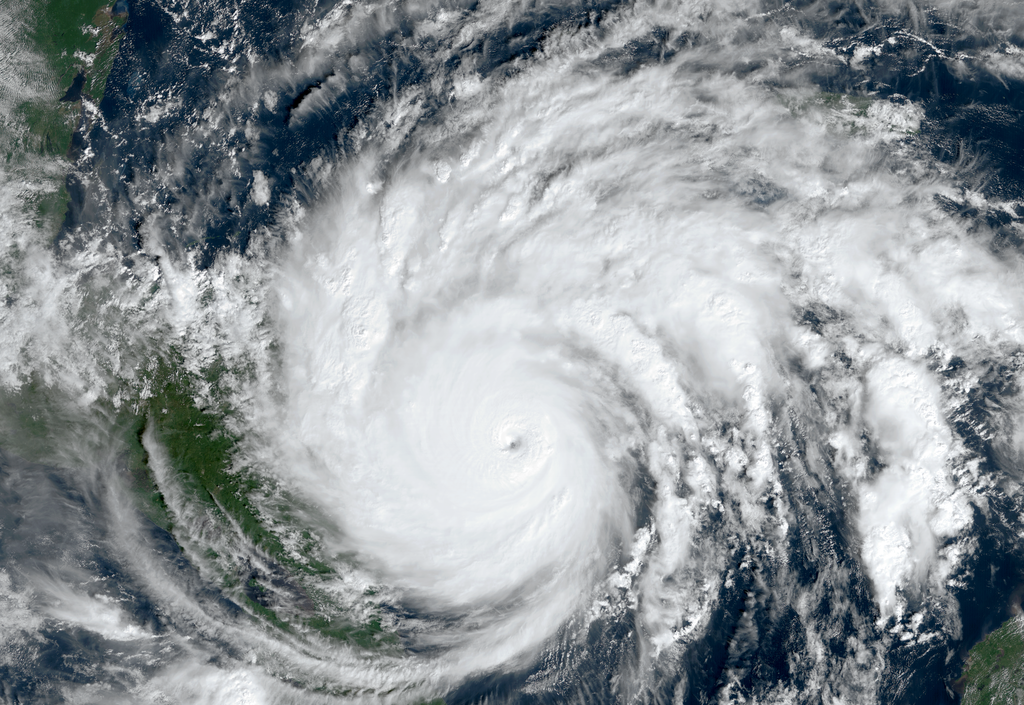
Iota, this is the name of the last category 5 hurricane in the Atlantic Ocean. Iota is a non-name because normally hurricanes are named by NOAA starting from A to Z but when the alphabet is over, they are just identified from a letter of the Greek alphabet. Iota is a special cyclone not just …[Read More]
Can we connect the exceptional floods in France and Italy associated with the storm Alex to climate change?
The first days of October were marked by an extreme weather event: storm Alex, a cyclone of Atlantic origin, caused massive showers and thunderstorms over Provence, the Alps, Piedmont and Liguria. In these regions, numerous historical records of precipitation were broken causing the flooding of several streams and rivers in which many people lost their …[Read More]