HS
Hydrological Sciences

modelling

Dialogue is essential for advancing hydrological science
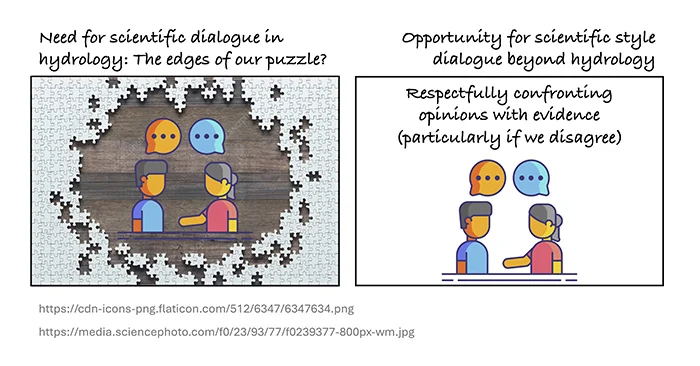
Dialogue is essential for advancing hydrological science
A little over a decade ago, a group of us argued that “it takes a village to raise a hydrologist”. The skills and knowledge any hydrologist should be exposed to during their training goes far beyond what a single person can do and know. Even more, the experience of how water shapes and interacts with diverse landscapes all around the world cannot be obtained by a single person. This is true especi ...[Read More]

HydroTalks Podcast: Prof. Jan Seibert about hydrological models, experimental catchments and advice for early career scientists

HydroTalks Podcast: Prof. Jan Seibert about hydrological models, experimental catchments and advice for early career scientists

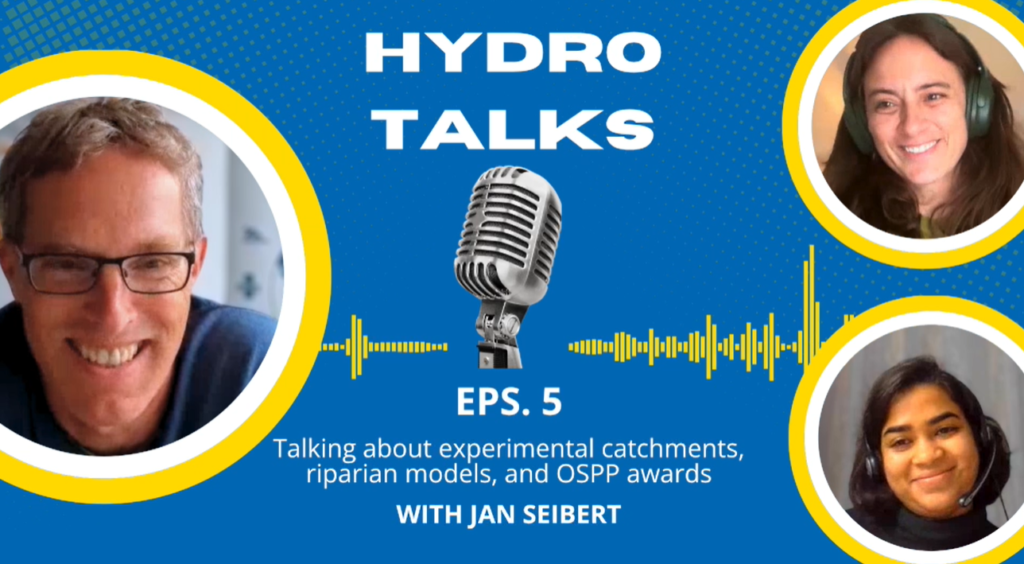
For this episode, we’re thrilled to welcome Prof. Jan Seibert, based at the Department of Geography, University of Zurich. His research focuses on hydrological modelling under landscape change, citizen science through the CrowdWater app, and large-scale modelling studies. He is also the Henry Darcy medal winner of 2025. You can check out the podcast below, or read the interview summary in this blo ...[Read More]

On finding my water temperature community

On finding my water temperature community

Walking the halls of the EGU General Assembly 2025 a few weeks ago, I was full of child-like curiosity. Being surrounded by people doing fascinating, creative, and innovative research felt like a dream come true. New faces every day, big talks on small advances and complicated methodologies. I learned about mountain ecology and failing snow-models, and I was captured by graphs and animations ̵ ...[Read More]

How do you ensure quality in your flow modeling? Participate in a survey!

How do you ensure quality in your flow modeling? Participate in a survey!

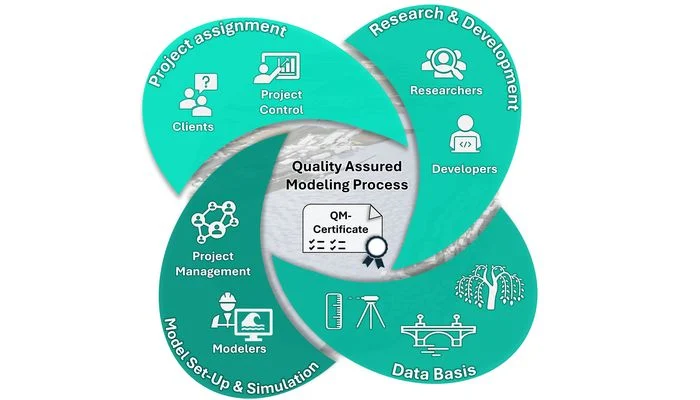
The challenges in hydraulic engineering are increasing due to the growing threat of floods and heavy rainfall events caused by climate change (as experienced several times in Europe in recent years) on the one hand and the more frequent low water situations and the associated requirements for ecological enhancement of water bodies, on the other hand. In this context, reliable estimates of the hydr ...[Read More]