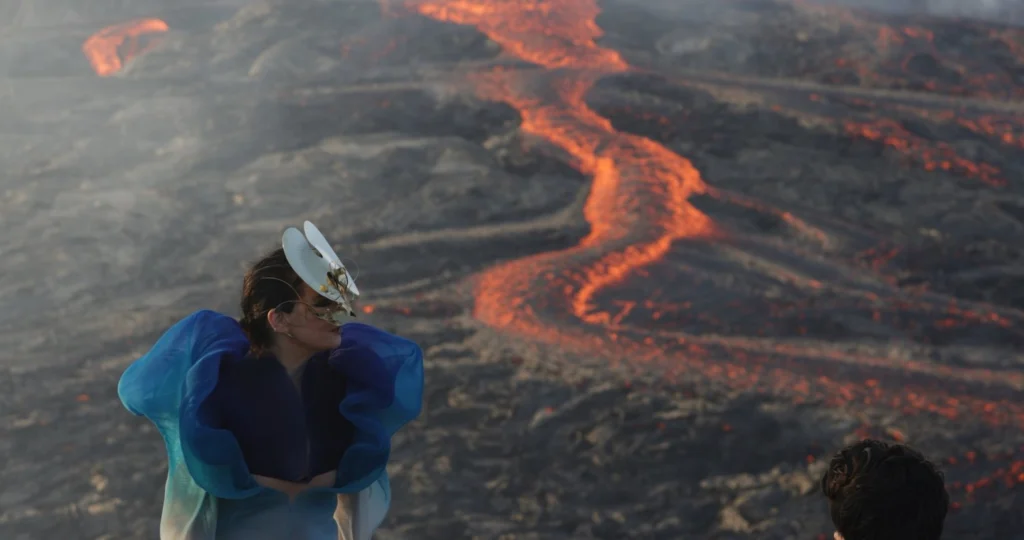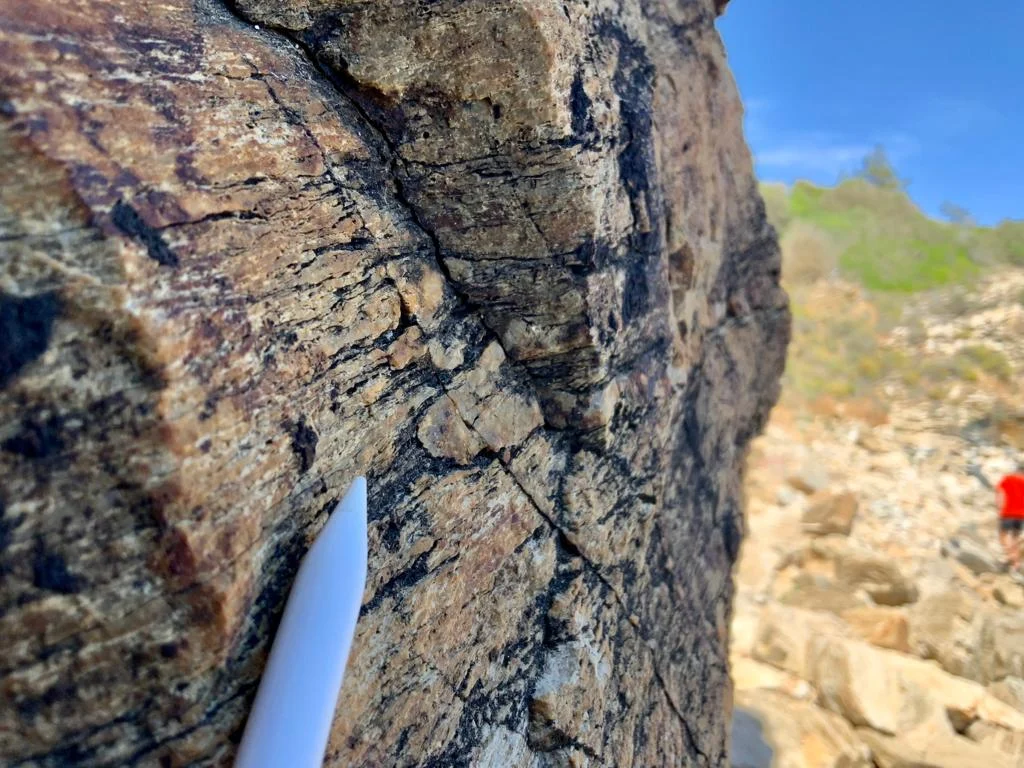
Iceland is pure geology. When I travelled there in 2015, it felt like stepping into another world: surreal, raw, and unforgettable. Geology wasn’t just something to observe or study: in Iceland, it’s something you inhabit. The landscape doesn’t just sit there, it feels alive. It hums, it shifts, it speaks. And whether you’re a geologist or not, you can’t help but listen. To make the experience eve ...[Read More]
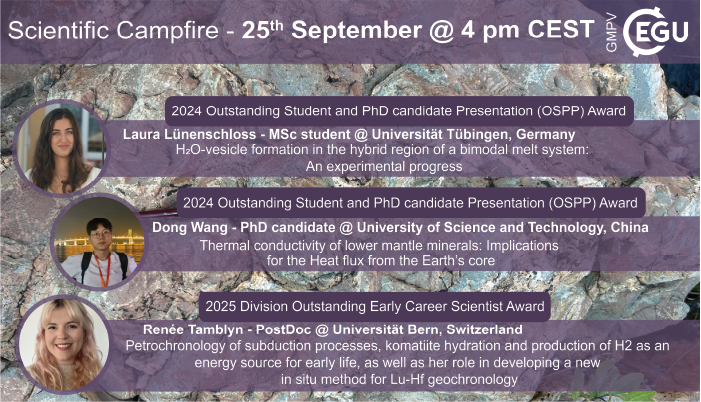
GMPV ECS Campfires – Meet the GMPV GA25 awardees!
The first edition of the Geochemistry, Mineralogy, Petrology and Volcanology Campfires of the 2025/2026 season is right at the door and will take place on Thursday September 25th at 4 pm CEST on Zoom. Our speakers for this edition are: Laura Lünenschloss – 2024 Outstanding Student and PhD candidate Presentation (OSPP) Award, Master student @ University of Tübingen, Germany on: “H2O-v ...[Read More]
GMPV Campfires – call for Speakers
The EGU Geochemistry, Mineralogy, Petrology and Volcanology ECS committee is currently looking for early career scientists to present at and attend our monthly online talk series (EGU Campfires). The EGU Campfires are a free one-hour online seminar consisting of three 10-12-minute talks. These quick-fire presentations give you an opportunity to share your work in a relaxed and friendly environmen ...[Read More]
How can fossil Geothermal System enhance Present Exploration?
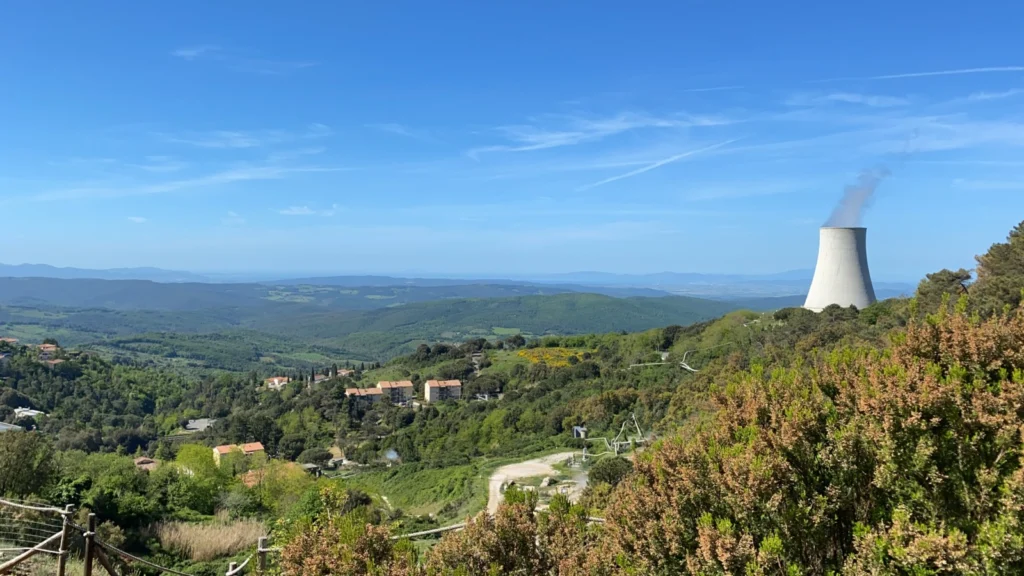
Geothermal resource development faces a major obstacle: the expensive exploration process. Unsuccessful drilled wells can discourage interest and disrupt economic plans. Understanding the relationship between geologic structures and geothermal fluid flow is critical to successful exploration. Various methods, such as geochemistry, geophysics, structural analysis and modeling, aim to create a relia ...[Read More]
The role of Geothermal Energy in the energetic and environmental challenge.
How does a Geothermal system work? Heat is a form of energy and, strictly speaking, geothermal energy is heat from inside the Earth. The large amount of thermal energy enclosed below the earth’s surface derives in part from its primordial formation process and in part originates from the decay of radioactive isotopes present mainly in the earth’s crust and, secondarily, in the mantle. ...[Read More]
Paper focus: Plumbing the depths of magma crystallization by Hugo Moreira and co-authors
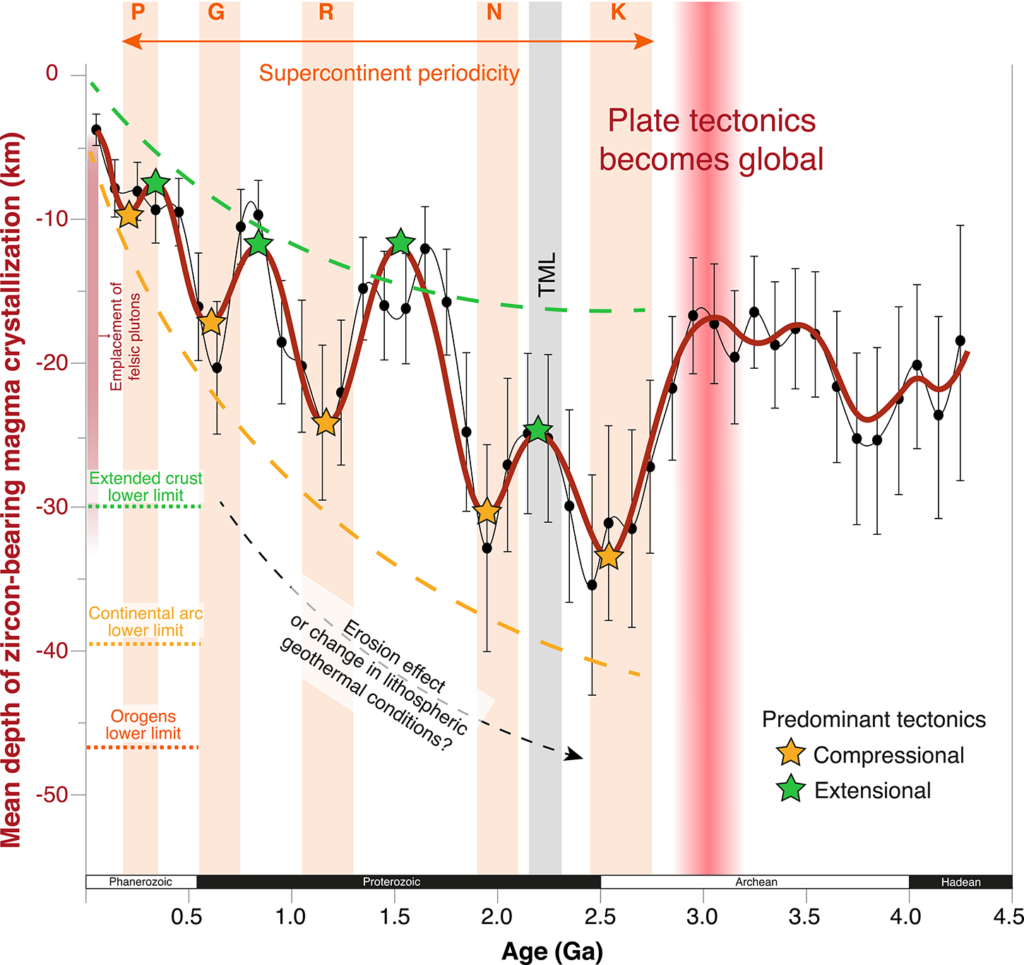
Do you know when you stumble upon a very interesting paper, with a captivating title and you wish you could talk to the author(s)? Well, I did just that. It happens that I know the first author quite well, so I had no shame in contacting him and ask about it. One of his latest papers was published in Geology with the title “Plumbing the depths of magma crystallization using 176Lu/177Hf in zi ...[Read More]
I asked ChatGPT to write a blog about lava lakes: here’s what happened
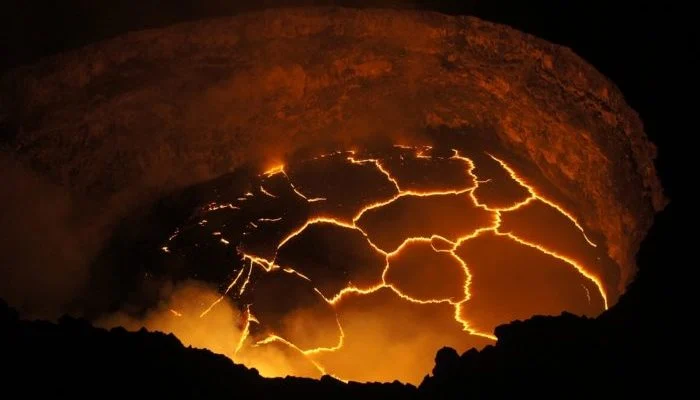
If you’ve not been living under a rock you’ve probably heard of ChatGPT, the AI text generator wowing the internet and striking fear into the heart of exam co-ordinators worldwide. I’ve been meaning to write a blog about lava lakes for a while now, ever since rewatching Werner Herzog and Clive Oppenheimer’s excellent documentary Into the Inferno. But with deadlines looming and lab work and admin c ...[Read More]
Fagradalsfjall 2021 versus 2022: similarity and differences
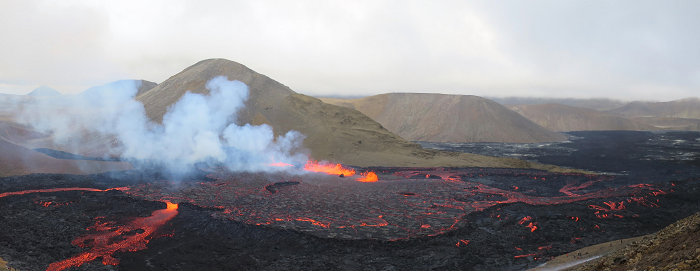
The Icelandic eruptions of 2021 and 2022 originated in the Reykjanes peninsula, characterized by the Krýsuvík-Trölladyngja system, one of the five volcanic systems present along the peninsula. This peninsula is a leaky transform fault, characterized by episodic rifts and associated volcanism. The last two years have brought about some of the most momentous volcanic eruptions in recent history. The ...[Read More]
5 things I learnt from 2 months at sea with the International Ocean Discovery Program
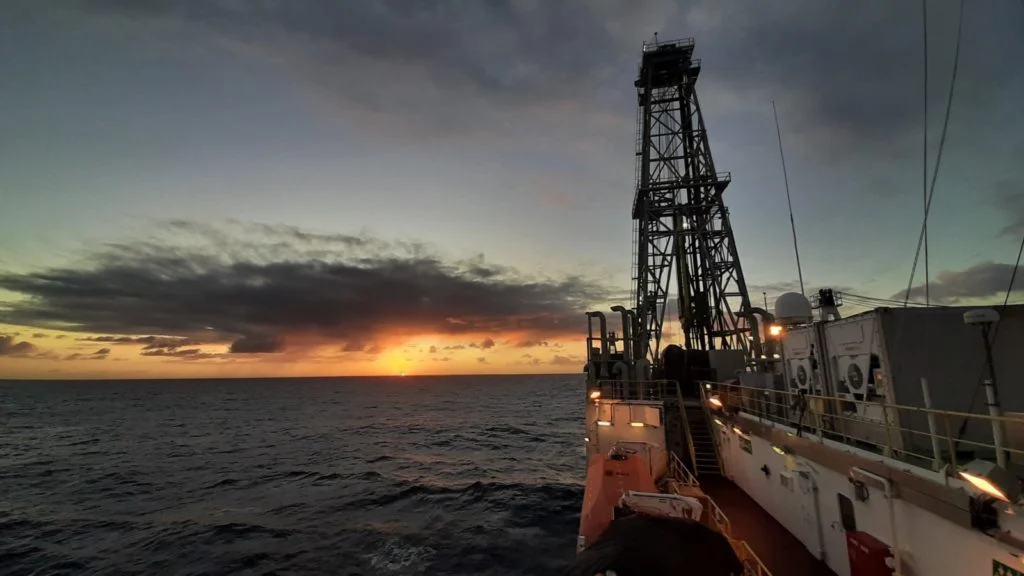
This year I was lucky enough to be part of International Ocean Discovery Program (IODP) Expedition 390 – South Atlantic Transect I – aboard the research vessel JOIDES Resolution which spent two months, from April to June, out in the South Atlantic, drilling into and sampling the upper oceanic crust and sediments. I sailed as a petrologist and was responsible for describing how the basa ...[Read More]
Can human curiosity affect dynamic risk?
In simple words, the volcanic risk (R) can be defined as R = Value × Vulnerability × Hazard. The value is a figure that varies according to the total number of population and / or infrastructures at risk during a volcanic eruption, vulnerability is the percentage of value at risk for a given volcanic event and the hazard is the probability that a certain place may be affected by a determined hazar ...[Read More]