GMPV
Geochemistry, Mineralogy, Petrology & Volcanology

Iceland

Geology in Björk’s soundscapes – from tectonic metaphors to emotional terrains
Geology in Björk’s soundscapes – from tectonic metaphors to emotional terrains

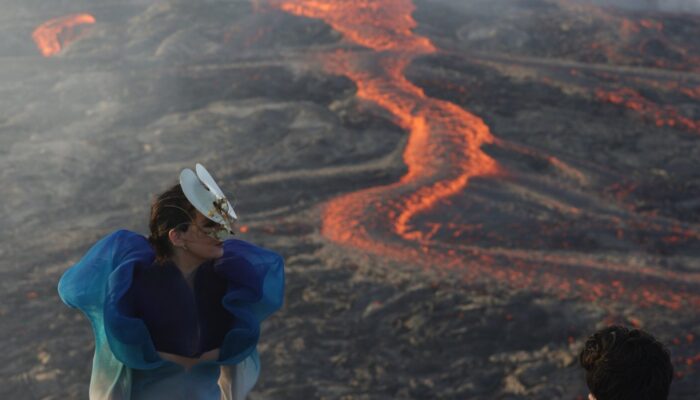
Iceland is pure geology. When I travelled there in 2015, it felt like stepping into another world: surreal, raw, and unforgettable. Geology wasn’t just something to observe or study: in Iceland, it’s something you inhabit. The landscape doesn’t just sit there, it feels alive. It hums, it shifts, it speaks. And whether you’re a geologist or not, you can’t help but listen. To make the experience eve ...[Read More]

Fagradalsfjall 2021 versus 2022: similarity and differences

Fagradalsfjall 2021 versus 2022: similarity and differences

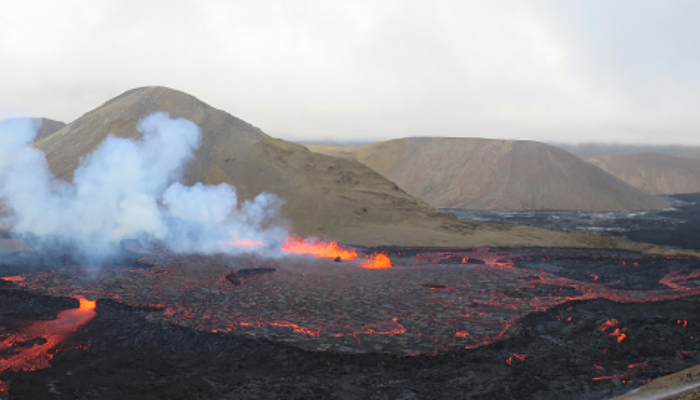
The Icelandic eruptions of 2021 and 2022 originated in the Reykjanes peninsula, characterized by the Krýsuvík-Trölladyngja system, one of the five volcanic systems present along the peninsula. This peninsula is a leaky transform fault, characterized by episodic rifts and associated volcanism. The last two years have brought about some of the most momentous volcanic eruptions in recent history. The ...[Read More]

The Volcano & the Ash cloud: Eyjafjallajökull eruption 11 years later

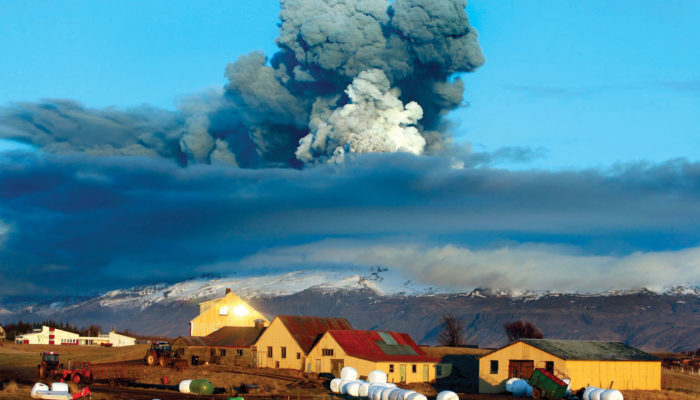
In the foreground there is a farm with a backdrop of a volcano is emitting large amounts of ash into the air.

11 years on from the infamous eruption and ash cloud that shut down the European airspace, there are parallels between current travel restrictions and another Icelandic eruption that’s currently in the news. 11 years ago the now infamous eruption of Eyjafjallajökull occurred. I remember that one, the ash cloud, right? Yes, that’s the one. The one that was all over the news, with stunning images of ...[Read More]

Fire, Fog, Frost, Famine – French Revolution? The Lakagígar eruption in Iceland, 1783-1784 [Part 2]

Fire, Fog, Frost, Famine – French Revolution? The Lakagígar eruption in Iceland, 1783-1784 [Part 2]

PART II: Were the Haze Hardships caused by Men? Famine Before the Lakagígar eruption, the population of Iceland was 48810 people; four years later, it was down to 38518. Disregarding about 1500 deaths which were caused by a smallpox epidemic, the eruption may still have killed about 1/6 of the population [5]. These deaths were not directly caused by the lava or by toxic gases. The main cause was h ...[Read More]