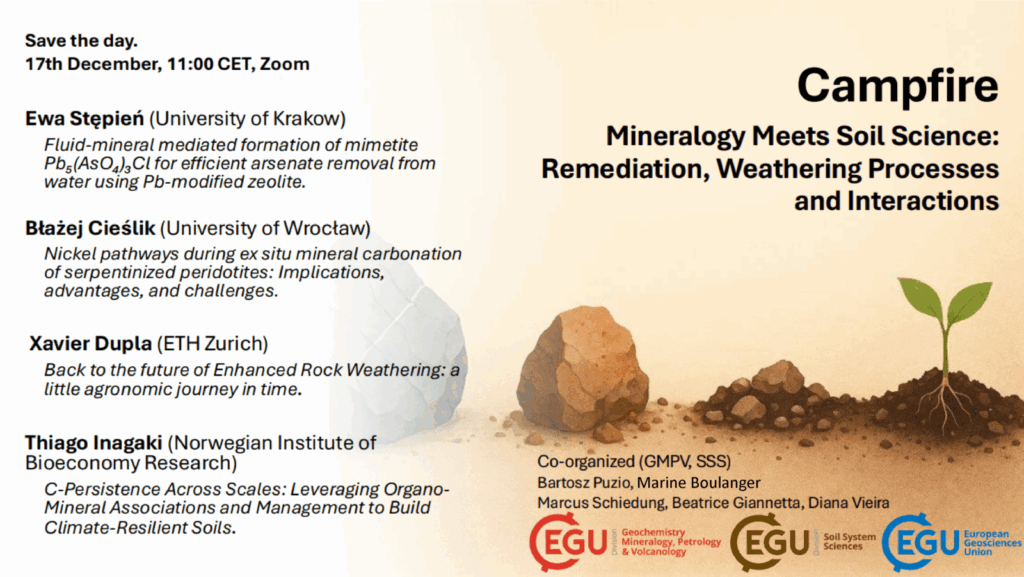
How do minerals shape the future of soils, and how do soils drive mineral transformations? This campfire highlights remediation strategies, contamination hazards, and mineral–soil interactions that control water quality, carbon storage, and ecosystem health. Join us on Wednesday, December 17th @ 11 am CET to explore how weathering, organo-mineral processes, and innovative approaches help tackle po ...[Read More]
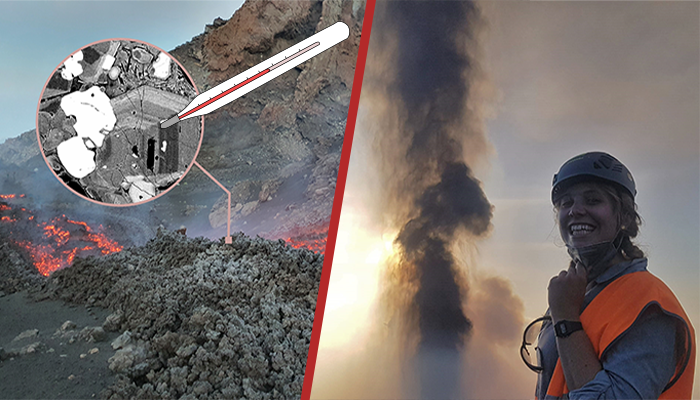
Machine Learning and Volcanic Crystals: a journey with Corin Jorgenson into Random Forest Thermobarometry
Thermobarometry: a bit of background Being able to understand the eruptive style of a volcano, how the eruptive behavior can evolve over time and managing to better interpret the signals that a volcanic system gives us before an eruption are of fundamental importance for mitigating the risk associated with eruptive activities. In this context, it is extremely important to understand trans-crustal ...[Read More]
GMPV for Sustainable Development – Geohazards and Volcanic Monitoring
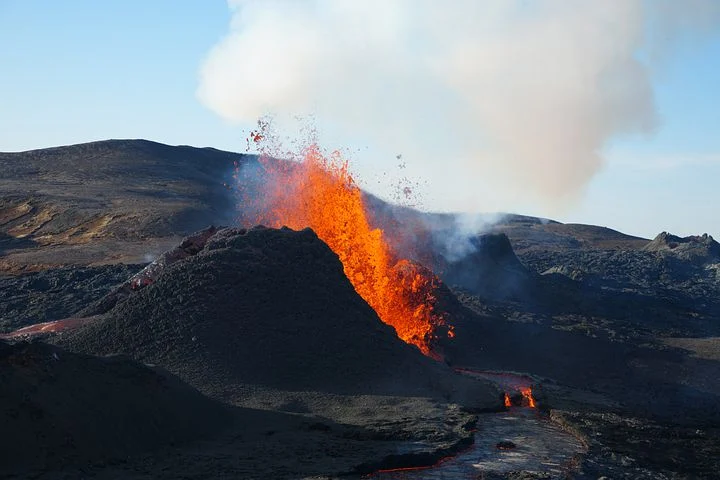
GMPV and The Sustainable Development Goals In 2015 all United Nations Member States adopted a set of Global Goals, as a universal call to protect our planet, end poverty and ensure that all people can enjoy peace and prosperity. These are called the Sustainable Development Goals – 17 integrated goals aimed at addressing the challenges our society is currently facing considering social, economic, a ...[Read More]
Volcanoes and Wines, Part 1
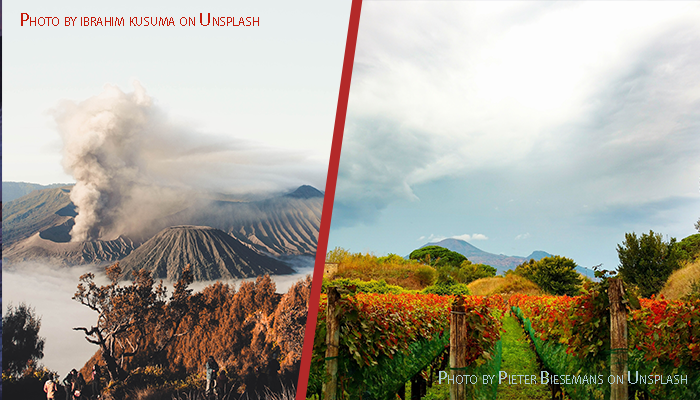
Why talk about wine on the GMPV blog? Well, this geologist-favourite drink is not only good memories of the EGU General Assembly but also a topic that spans among all the GMPV categories. Indeed, wine composition, flavour, structure and quality are inevitably bound to the mineralogy and geochemistry of the soil, making it so common and appreciated since ancient times. And what gives us a nice comp ...[Read More]
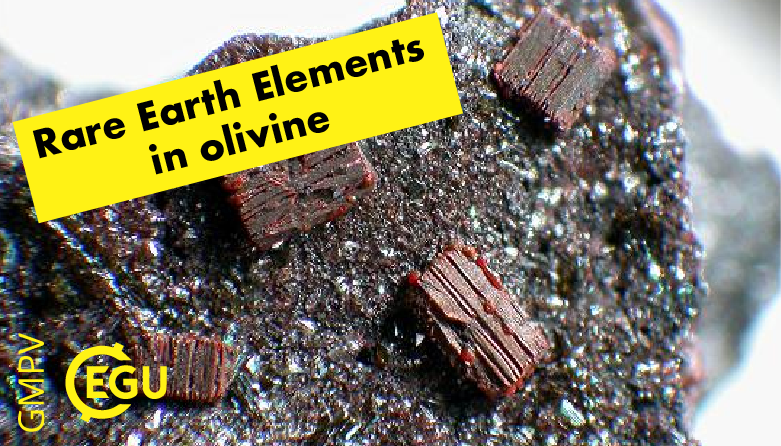
Rare Earth Elements…..in olivine?
The Rare Earth Elements, or REEs, are really important. This is a group of elements including neodymium (used to create strong magnets), cerium (used in catalytic converters), lanthanum (used in electric car batteries), lutetium (used in oil refinery), with the uses of REEs increasing continuously. At the moment, the majority of the world’s supply of REEs comes from a single deposit in Inner ...[Read More]
How do crystal aggregates form in magma chambers?
By Penny Wieser (PhD student at the University of Cambridge) Clues into the inner workings of volcanoes can be gleamed from material which is erupted at the surface, or that which solidified at depth in the crust. Just before eruption, three main phases are present: a gas phase (containing water, carbon dioxide, sulphur, chlorine etc), a liquid melt phase (the magma), and a solid phase (consisting ...[Read More]