
As evidenced by the EU Floods Directive (2007/60/EC), flood management strategies in Europe have undergone a shift in focus in recent years. The goal of flood prevention using structural measures has been replaced by an emphasis on the management of flood risks using non-structural measures. One implication of this is that public authorities alone not …[Read More]
flooding
Can climate data help to better predict floods?
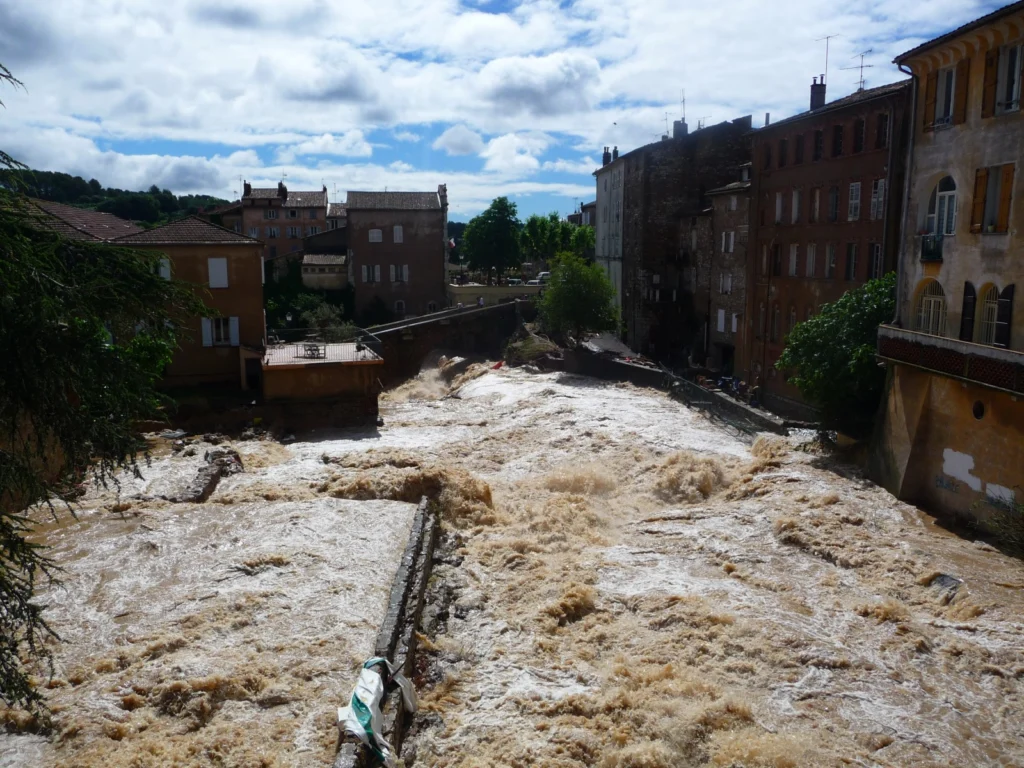
Many studies report that hydrologic regimes are modulated by large-scale modes of climate variability such as the El Niño Southern Oscillation (ENSO) or the North Atlantic Oscillation (NAO). Climate-informed frequency analysis models have therefore been proposed to condition the distribution of hydrologic variables on climate indices. However, standard climate indices may be poor predictors in …[Read More]
Row, Row, Row Your Boat: Predicting Flood Impact with Aqueduct Global Flood Analyzer
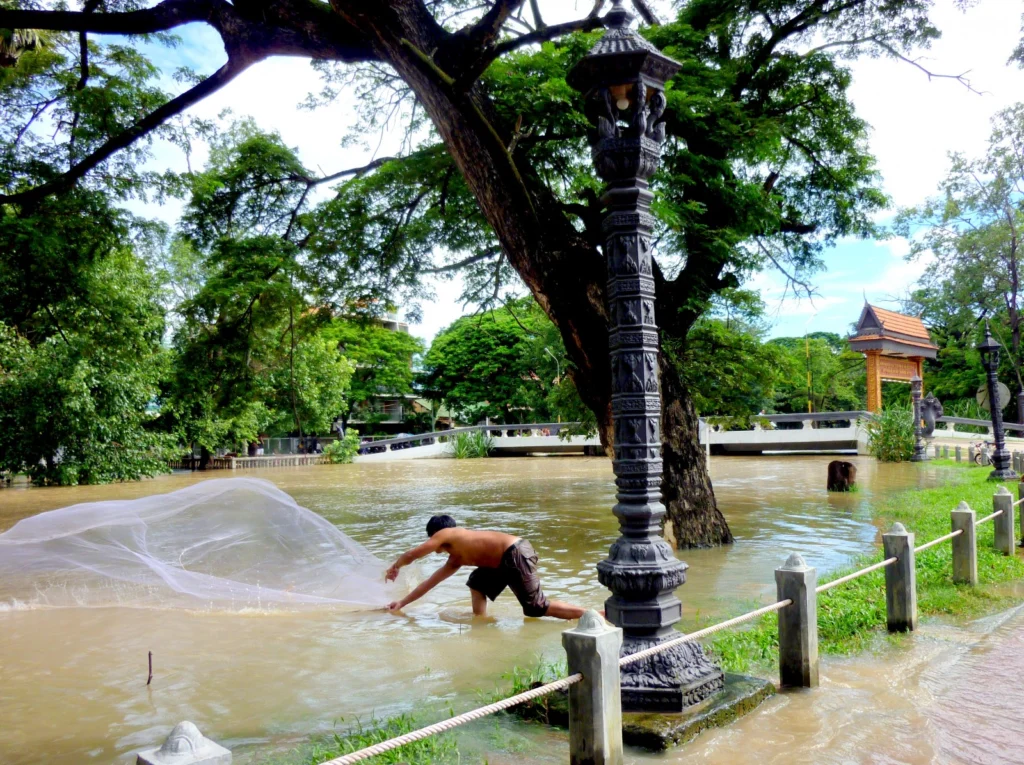
The Aqueduct Global Flood Analyzer of the World Research Insitute is a web-based interactive platform which measures river flood impacts by urban damage, affected GDP, and affected population at the country, state, and river basin scale across the globe. It aims to raise the awareness about flood risks and climate change impacts by providing open …[Read More]