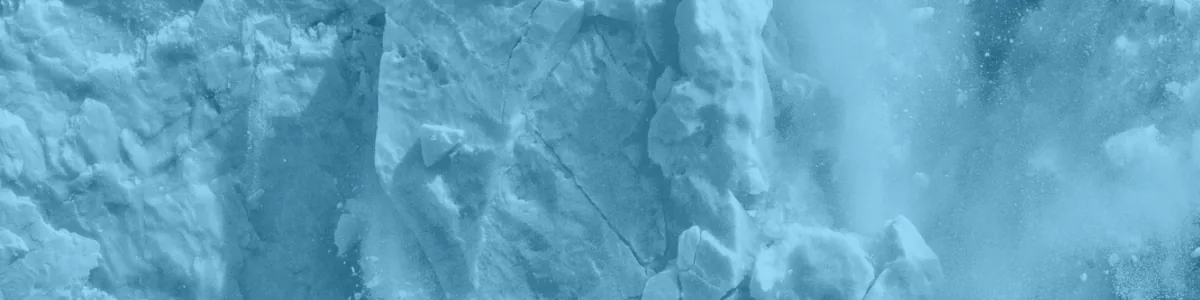
Tinted detail of a photo: Huge block of blue and white ice collapsing from a glacier front, shattering into fragments and throwing up a large white splash where it hits the dark water.
CR
Cryospheric Sciences

Fieldwork

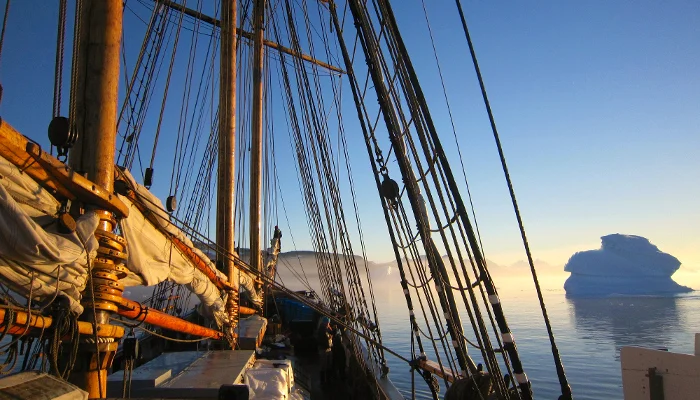
Camping on the Svalbard coast

Camping on the Svalbard coast

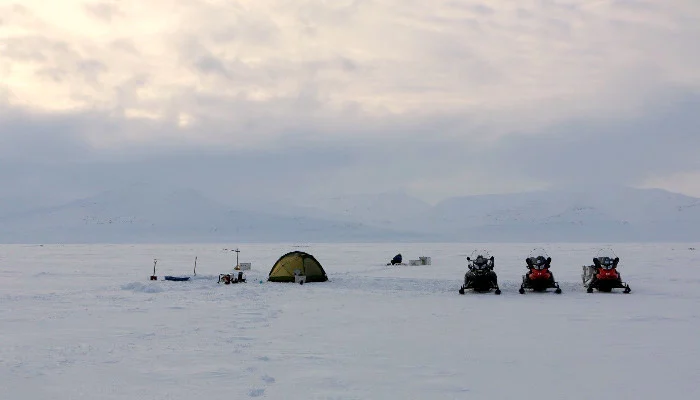
In early April 2015, a small team of 2 Belgian and 2 French researchers went to Svalbard. The goal? Testing new methods to measure sea-ice thickness and ice algal biomass, but also measuring greenhouse gases in the sea ice in relation with the ‘STeP’ (Storfjorden Polynya multidisciplinary study) campaign. With funding from the French Polar …[Read More]

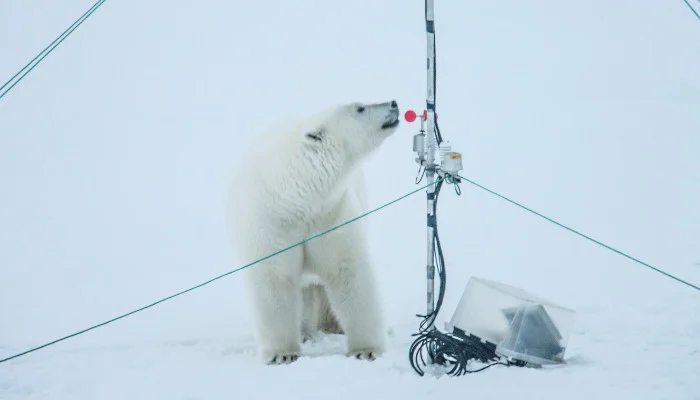
Do Beers Go Stale in the Arctic? – Jakob Sievers

Do Beers Go Stale in the Arctic? – Jakob Sievers

A story about CO2 -fluxes between sea-ice and the atmosphere What’s it all about? Whenever I have had to describe my PhD research project to people outside of my research community, I have always found it useful to use an analogy most people are familiar with, namely beers. Now that I have the full attention …[Read More]

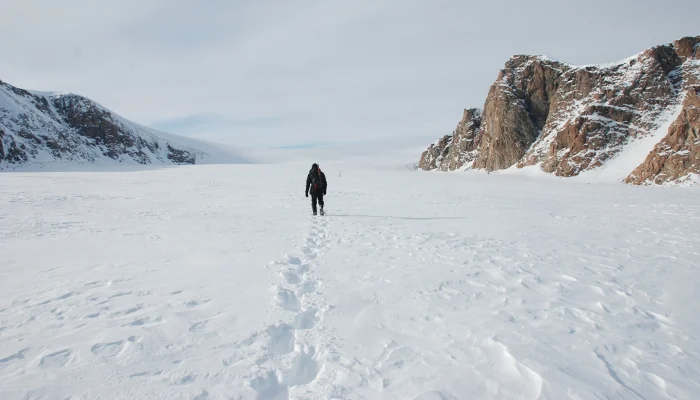
Only extremes – Babis Charalampidis

Only extremes – Babis Charalampidis

– In fieldwork, you have no average. You just have extremes. When Daniel spoke his mind out loud we were facing a bright sunny day coming in from the opening of our tent. We were very glad to see that and ready to engage with our glaciological tasks. Our camp site was at the immediate …[Read More]

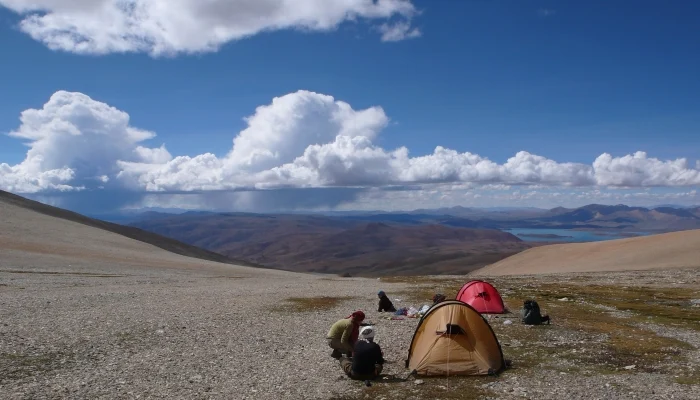
Four years in Tibet – Eva Huintjes

Four years in Tibet – Eva Huintjes

The Tibetan Plateau – area: 2.5 million km2, mean elevation: 4,700 m a.s.l., surrounded by a series of high mountain ranges that are home to some of the world’s highest peaks: Himalayas, Karakoram, Pamir, Kunlun Shan. Considering these characteristics and the unique cultural heritage of Tibet the decision was easy when I was asked if …[Read More]