CR
Cryospheric Sciences

Archives / 2017 / March

Image of the Week — Microbes munch on iron beneath glaciers
Image of the Week — Microbes munch on iron beneath glaciers

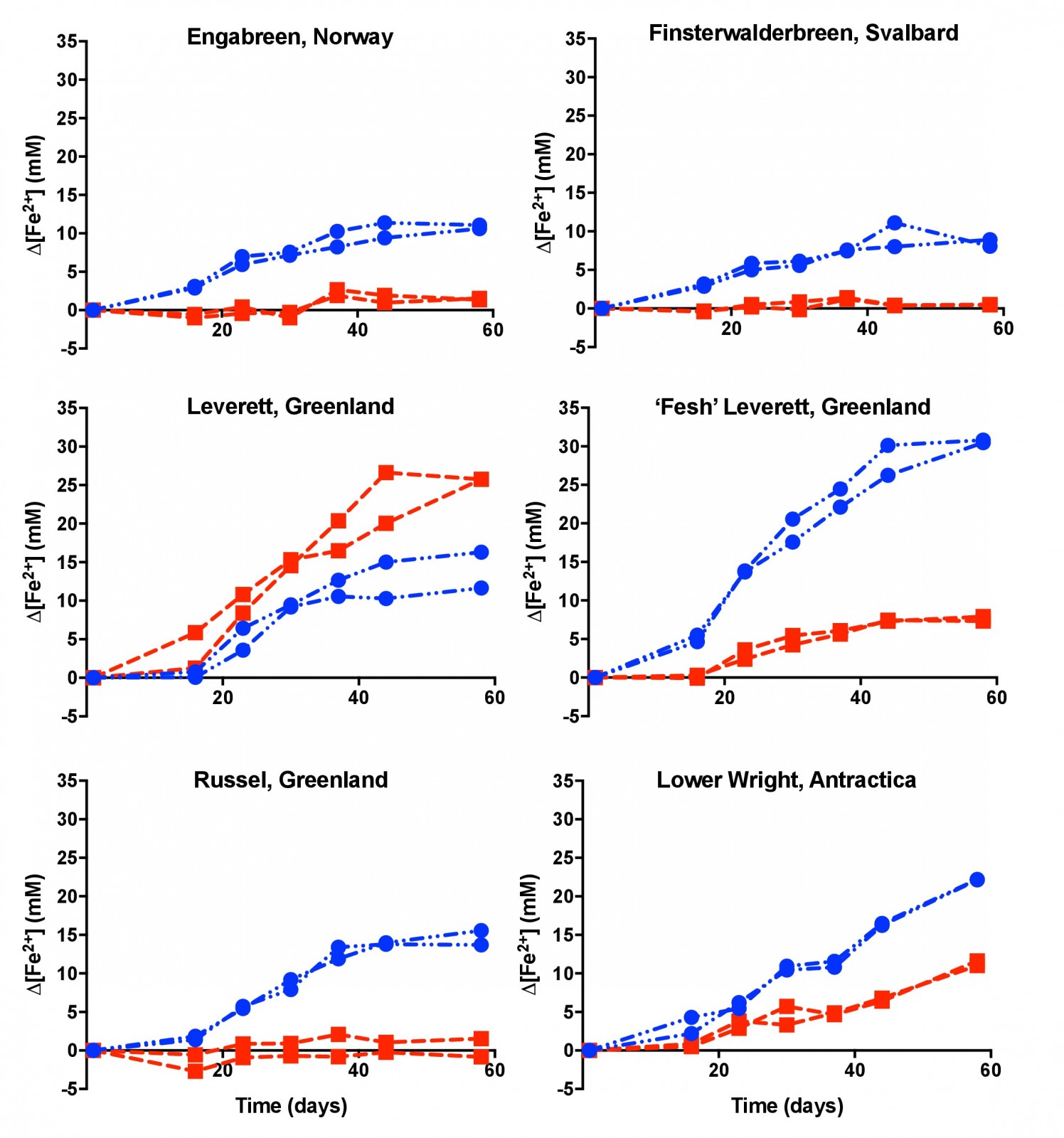
The interface between a glacier and its underlying bedrock is known as the subglacial zone. Here lie subglacial sediments, the product of mechanical crushing of the rock by the glacial ice. Despite their lack of sunlight, nutrients and oxygen, subglacial sediments host active and diverse communities of microorganisms. What we (don’t) know about subglacial microorganisms The past few decades ...[Read More]

Image of the Week – Ice on Fire (Part 2)

Image of the Week – Ice on Fire (Part 2)

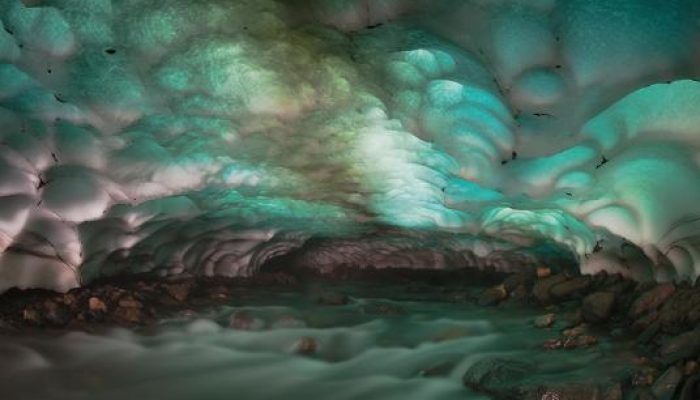
This week’s image looks like something out of a science fiction movie, but sometimes what we find on Earth is even more strange than what we can imagine! Where the heat of volcanoes meets the icy cold of glaciers strange and wonderful landscapes are formed.  The Kamchatka Peninsula, in the far East of Russia, has the highest concentration of active volcanoes on Earth. Its climate is cold due ...[Read More]

Image of The Week – Ice Flows!

Image of The Week – Ice Flows!

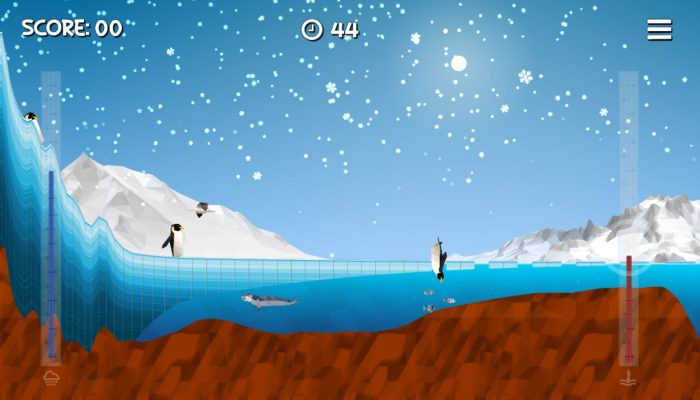
Portraying ice sheets and shelves to the general public can be tricky. They are in remote locations, meaning the majority of people will never have seen them. They also change over timescales that are often hard to represent without showing dramatic images of more unusual events such as the collapse of the Larsen B Ice Shelf.  However, an app launched in the summer at the SCAR (Scientific Committe ...[Read More]

Image of the Week — Hidden lakes in East Antarctica !

Image of the Week — Hidden lakes in East Antarctica !

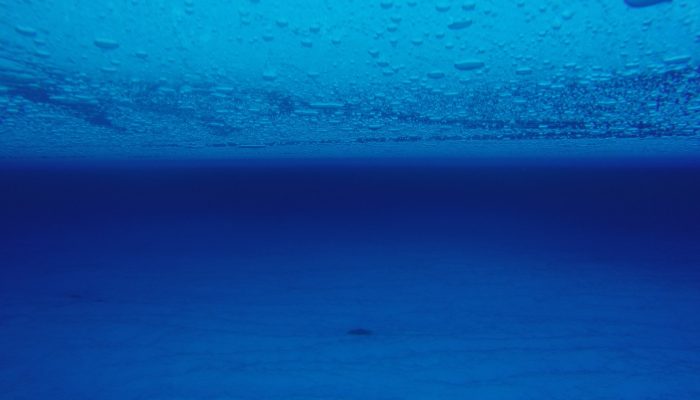
Who would have guessed that such a beautiful picture could get you interviewed for the national news?! Certainly not me! And yet, the photo of this englacial lake (a lake trapped within the ice in Antarctica), or rather science behind it, managed to capture the media attention and brought me, one of the happy co-author of this study,  on the Belgian  television… But what do we see on the pic ...[Read More]

Quantarctica: Mapping Antarctica has never been so easy!

Quantarctica: Mapping Antarctica has never been so easy!

One of the most time-consuming and stressful parts of any Antarctic research project is simply making a map. Whether it’s plotting your own data points, lines, or images; making the perfect “Figure 1” for your next paper, or replying to a collaborator who says “Just show me a map!,” it seems that quick and effective map-making is a skill that we take for granted. However, finding good map data and ...[Read More]

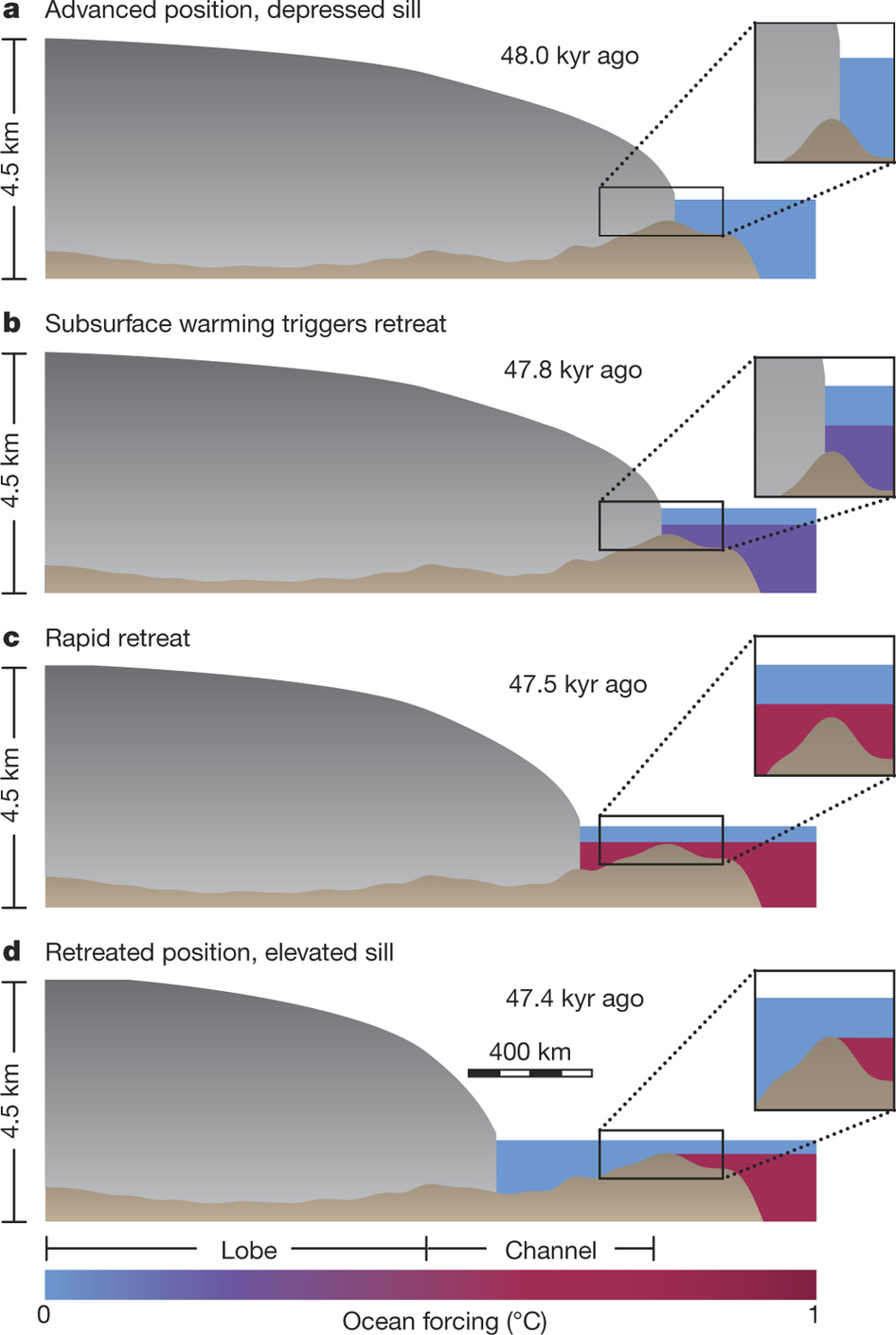
Image of The Week – The Pulsating Ice Sheet!

Image of The Week – The Pulsating Ice Sheet!

During the last glacial period (~110,000-12,500 years ago) the Laurentide Ice Sheet (North America) experienced rapid, episodic, mass loss events – known as Heinrich events. These events are particularly curious as they occurred during the colder portions of the last glacial period, when we would intuitively expect large-scale mass loss during warmer times. In order to understand mass loss m ...[Read More]