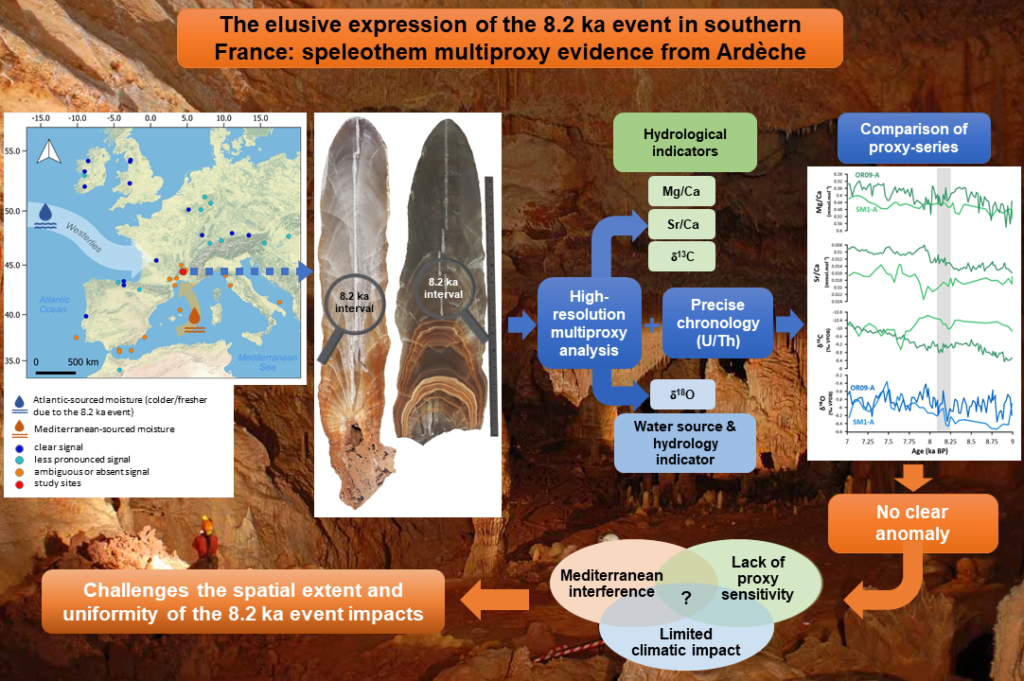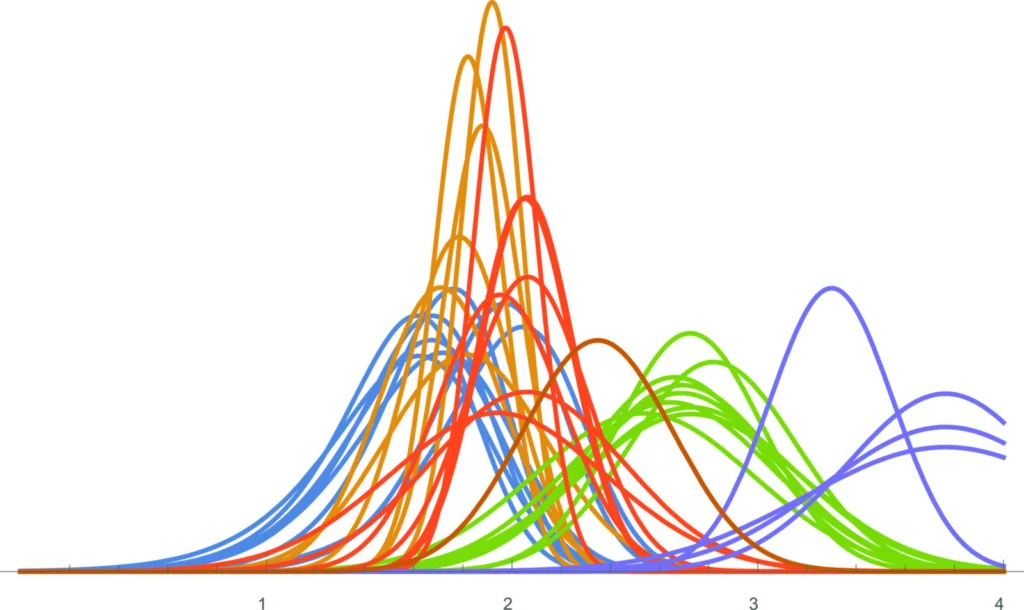
Around 8,200 years ago, the climate of the Northern Hemisphere experienced an abrupt disturbance. In Greenland ice cores, the signal is unmistakable: a rapid drop in temperatures, followed by a gradual return to previous conditions. This episode, which lasted about 150 years, is known as the 8.2 ka event (“ka” meaning thousand years before 1950). It is often described as the most prominent ...[Read More]
20 years of Climate of the Past: A journey through two decades of paleoclimate research
Twenty years ago, a small group of scientists set out to create a journal dedicated entirely to understanding Earth’s climate history. That journal, Climate of the Past (CP), was launched in 2005 as an international open-access journal of the European Geosciences Union (EGU), and over the past two decades it has become a cornerstone for the paleoclimate community. From geological eras to the last ...[Read More]
The rabbit and the tortoise – what does a glacial cycle need to be a glacial cycle?
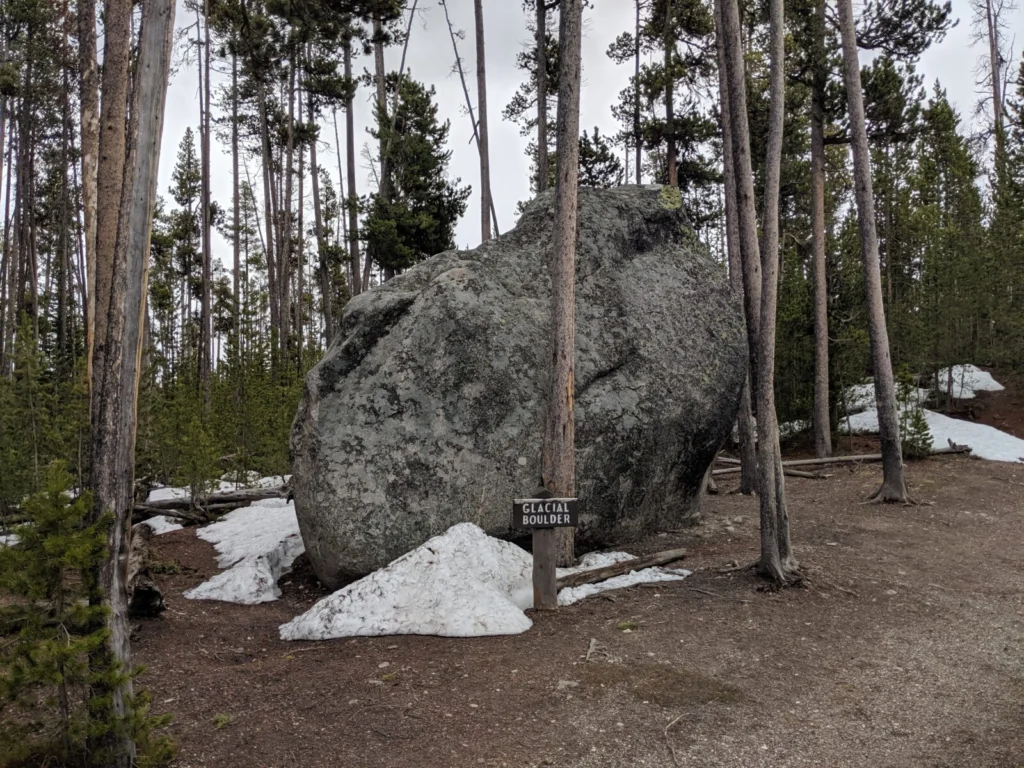
The climate is not what it used to be and it will never be the same again. This is what the models say. Where does this knowledge come from? In short, we learn it from the clues that nature left on the planet since its formation. And it is precisely with these observations where our story begins. Since the beginnings of mountaineering, many visitors of the Alps and other mountain ranges have wonde ...[Read More]
Past climate of the Central North Atlantic, insights from ancient soils in the Azores volcanic islands
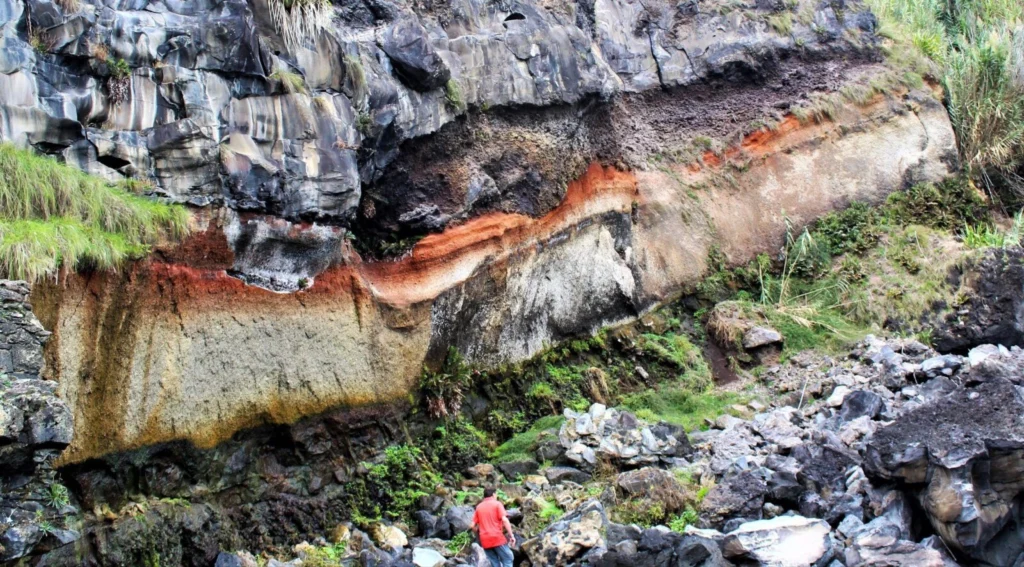
The Atlantic Ocean, a climate driver for Europe and North America The climate of both Europe and North America is influenced by the conditions of the Atlantic Ocean. This teleconnection between the ocean and the atmosphere has been the focus of great interest, especially in the context of ongoing global warming. For instance, Cresswell-Clay et al. (2022) noted an expansion of the North Atlantic Os ...[Read More]
LOESS IN TRANSLATION
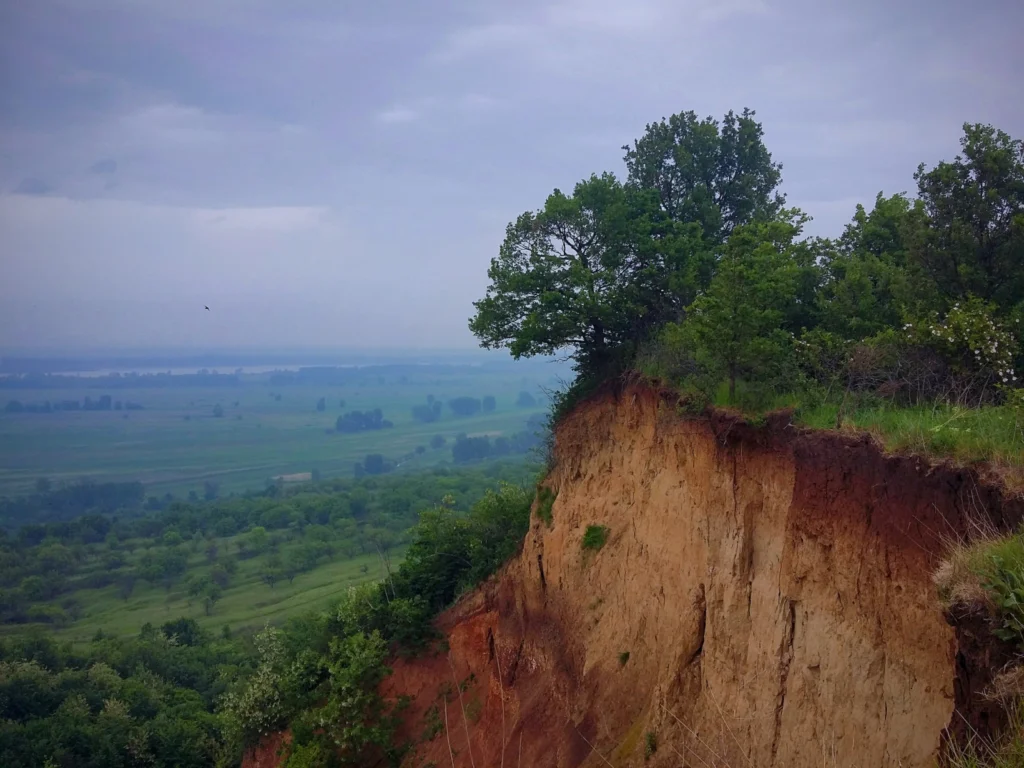
Loess is a mineral, aeolian deposit with a range of definitions in literature, which class it as either a sediment, soil, or rock. Some classic texts suggest that “loess is not just the accumulation of dust” [1], and it must include additional processes such as loessification, calcification, pedogenesis, and in-situ weathering. The definition adopted depends on the scientific background and the qu ...[Read More]
Desert loess: formation, distribution, geoscientific value
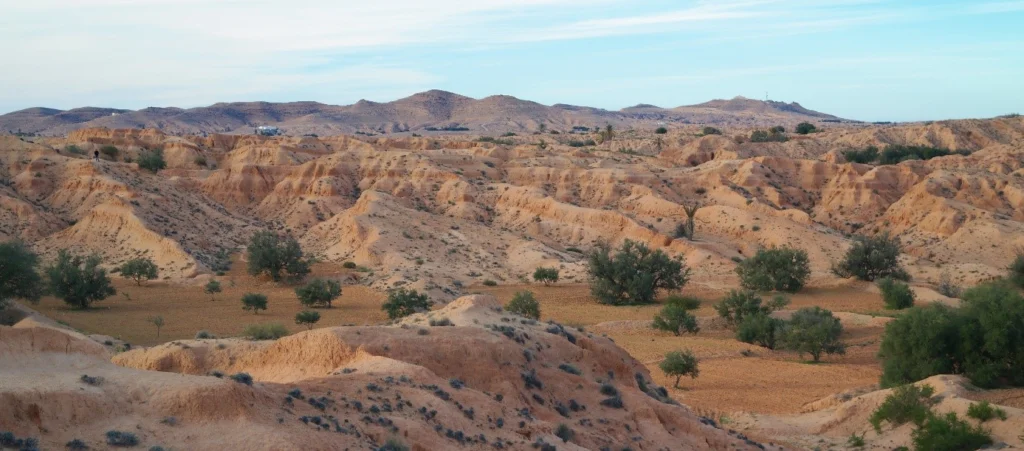
Loess is an aeolian (wind-driven) silty sediment covering over 10% of the Earth’s land surface; it occurs predominantly in the mid-latitudes. On a global scale, loess is among the most widespread unconsolidated sediments, and of crucial importance for agricultural regions where loess deposits are known to form fertile soils because of its ability to store water and retain nutrients. Loess is compr ...[Read More]
Magnetic minerals: storytellers of environmental and climatic conditions
Name of proxy Environmental Magnetism (also known as enviromagnetics) Type of record Environment and climate proxy Paleoenvironment Sedimentary environments (for the most part) Period of time investigated Present times to millions of years (depending on the preservation conditions) How does it work? Magnetism is a physical property that results from the behaviour of elementary particles in any sub ...[Read More]
How glowing sediment can help to decipher the Earth’s past climate !
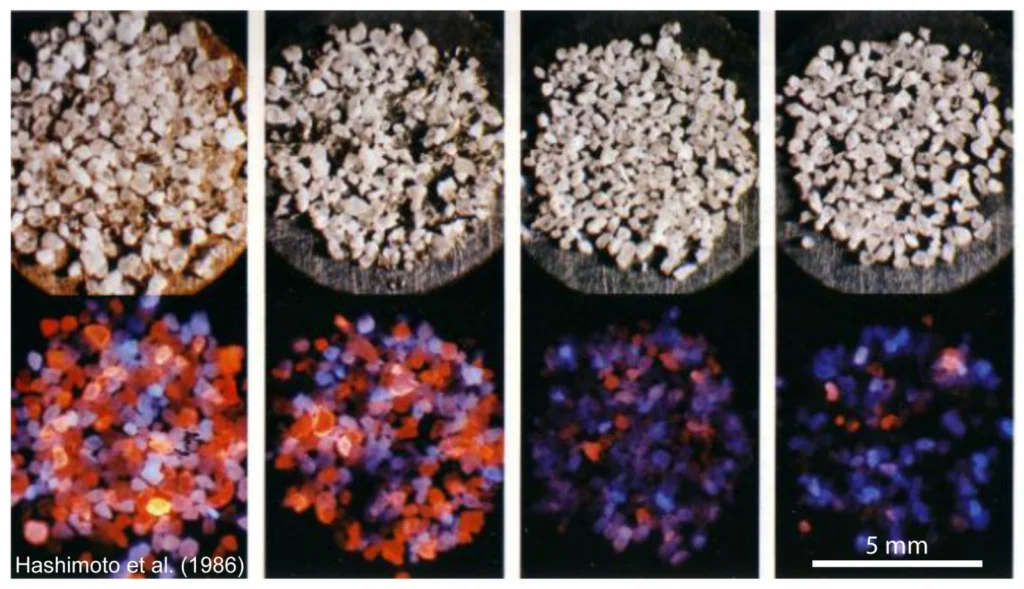
The last 2.5 Million years of the Earth’s history (termed Quaternary) are characterised by climatic cycles oscillating between warm (interglacial) and cold (glacial) periods. To be able to fully understand and interpret past climate variations the development of accurate and precise chronological techniques is crucial. Optically stimulated luminescence (OSL) dating is a strong geochronological too ...[Read More]
What can the Cretaceous tell us about our climate?
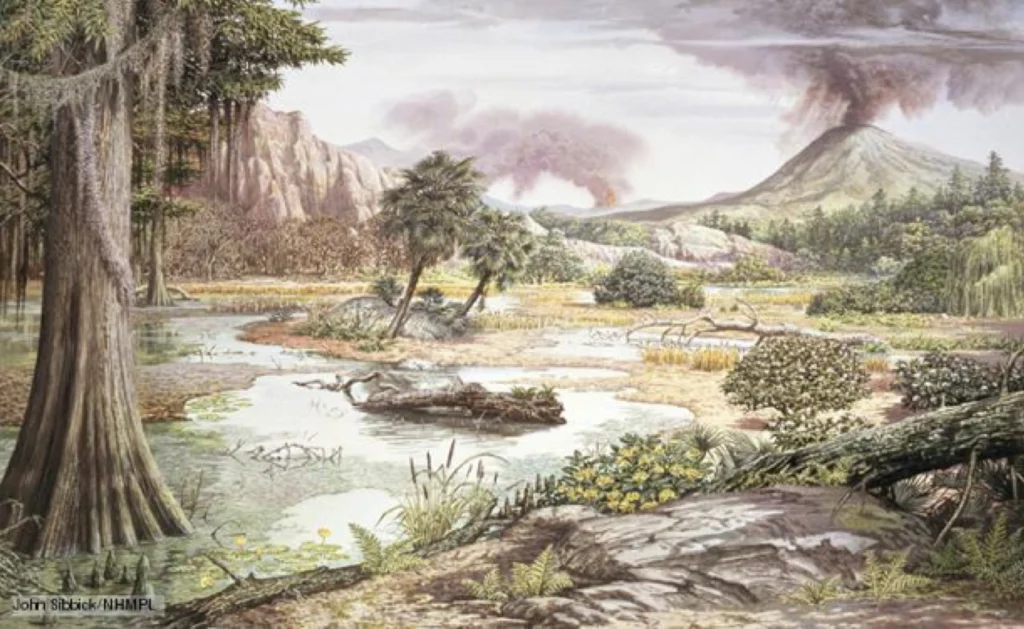
The Cretaceous The Cretaceous period features a particularly interesting climatic episode in the Earth’s geological history. It follows the Jurassic Period, better known as the time the dinosaurs inhabited Earth and spanned the period between 145.5 and 65.5 million years ago. The Cretaceous is the last period of the Mesozoic Era, which ends with a well-known mass extinction event. At the end of th ...[Read More]