CL
Climate: Past, Present & Future

Climate: Past, Present & Future

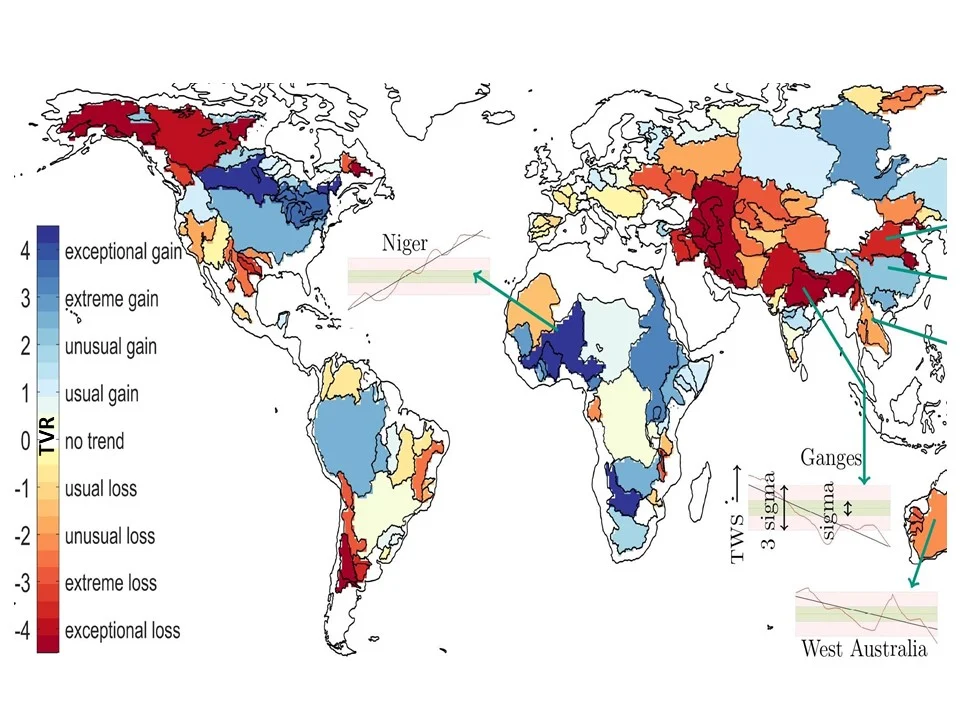
New metric to interpret linear trends from short time series: Trend to variability ratio (TVR)

New metric to interpret linear trends from short time series: Trend to variability ratio (TVR)

  Availability of good quality data is essential to deduce meaningful information in all disciplines of science and technology. This statement is especially relevant in climate research, which is under constant scrutiny from sceptics. In order to better understand the Earth system response to the ongoing anthropogenic global warming, we require global observations of climate indicators at ver ...[Read More]

Life of a Climate scientist presents Holly Kyeore Han

Life of a Climate scientist presents Holly Kyeore Han

About the blog series: Life of a Climate scientist Life of a Climate Scientist is a new blog series started by the EGU Climate Division. The main focus of this series is to provide a platform for climate scientists to tell their stories of life in research. We will be covering a wide-range of subjects, from their scientific endeavors and maintaining work-life balance to challenges they have faced ...[Read More]

EGU’s Atmospheric Sciences and Climate: Past, Present & Future Divisions welcome the US back into the Paris Climate Agreement

As of 19 February 2021, the US officially re-joined the Paris Climate Agreement, a landmark international accord to limit global warming by 2°C (and ideally to 1.5°C) compared to pre-industrial levels. The Paris Climate Agreement aims to bring the world together to avoid catastrophic warming that will impact us all and to build resilience to the consequences of climate change that we are already s ...[Read More]

What’s my age again? Comparing dating methods in loess

What’s my age again? Comparing dating methods in loess

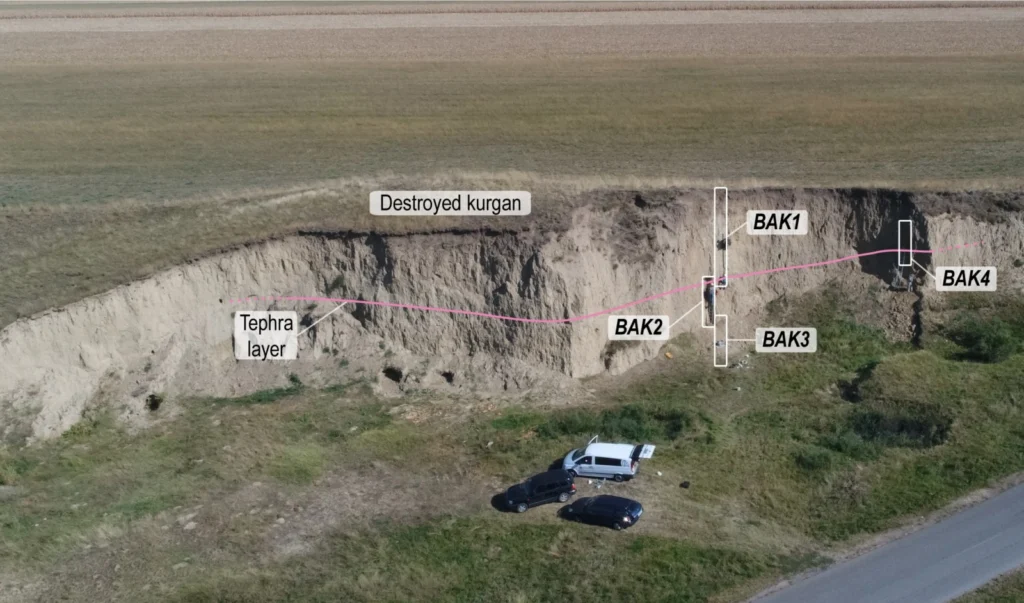
As you have learned from our previous posts, loess is a widespread terrestrial sediment, known to be an important archive for the changes of past environmental and climatic conditions. In order to use loess as a proxy, we first need to investigate the age of the sediments. In loess, different dating methods can be used, such as luminescence dating, radiocarbon dating, magnetic stratigraphy, and or ...[Read More]

Life of a Climate Scientist

Life of a Climate Scientist

Dear readers of the EGU Climate: Past, present and future blog. We hope you are having a good start to the New Year. Last year we faced a multitude of challenges due to the pandemic. Hopefully, by the end of 2021, the vaccination campaign will help combat the pandemic, and allow us to go back to some semblance of normality; fingers crossed! About Climate scientists Climate scientists investigate E ...[Read More]

Highlighting climate sessions at vEGU21: Gather Online

With the abstract deadline at 13th January, we would like to highlight some of the fantastic sessions that are offered in the climate division in 2021. Due to the large amount of offered sessions, we focus in this overview on EDI sessions. EDI stands for equality, diversity, and inclusion and the EDI logo highlights sessions that include conveners from multiple countries and institutes, different ...[Read More]

Presenting the EGU climate divisions´ outreach team

Presenting the EGU climate divisions´ outreach team

For our seasonal greetings this year, we would like to present the outreach team of the climate division. Our team has grown after the last EGU assembly, and this was highly visible in our increased number of blog postings throughout the year. We published 14 post in total! The team is responsible for writing and editing blog posts as well as finding motivated guest writers. We try to address all ...[Read More]

Deep Purple on Ice – Research on the Greenland Ice Sheet During the Pandemic

Deep Purple on Ice – Research on the Greenland Ice Sheet During the Pandemic

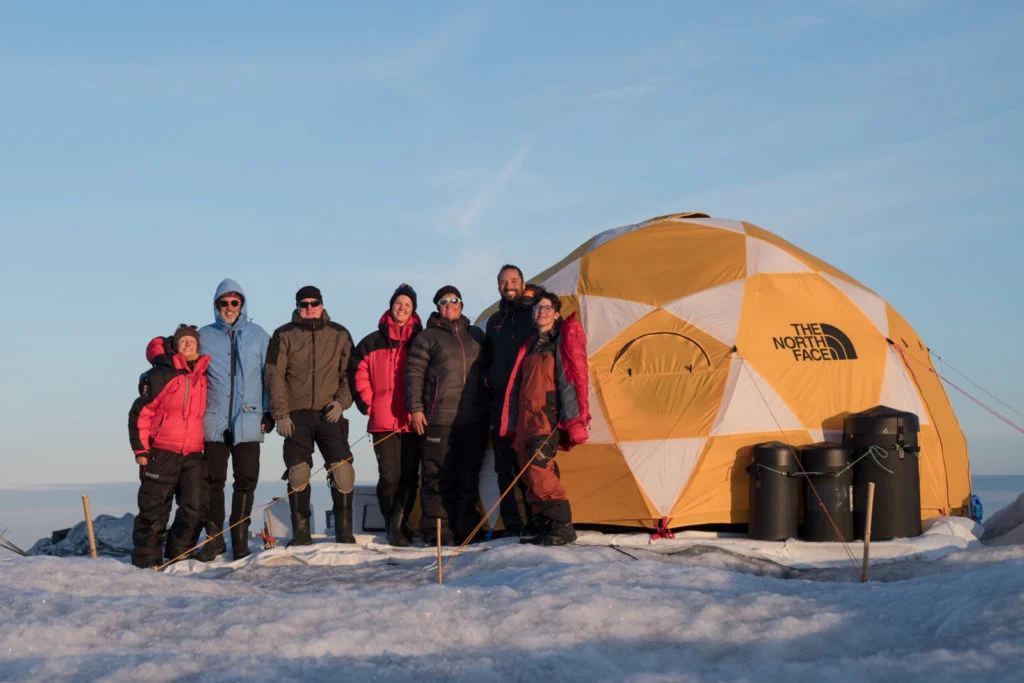
Insights into the EU project Deep Purple, fieldwork during the COVID-19 pandemic and doing research in a camp on the Greenland Ice Sheet. Written by Ph.D. students Rey Mourot (GFZ Potsdam), Laura Halbach (Aarhus University) and Eva Doting (Aarhus University). On maps, Greenland is shown as a massive white island. This vast ice and snow cover plays a vital role in reflecting incoming solar radiatio ...[Read More]

LOESS IN TRANSLATION

LOESS IN TRANSLATION

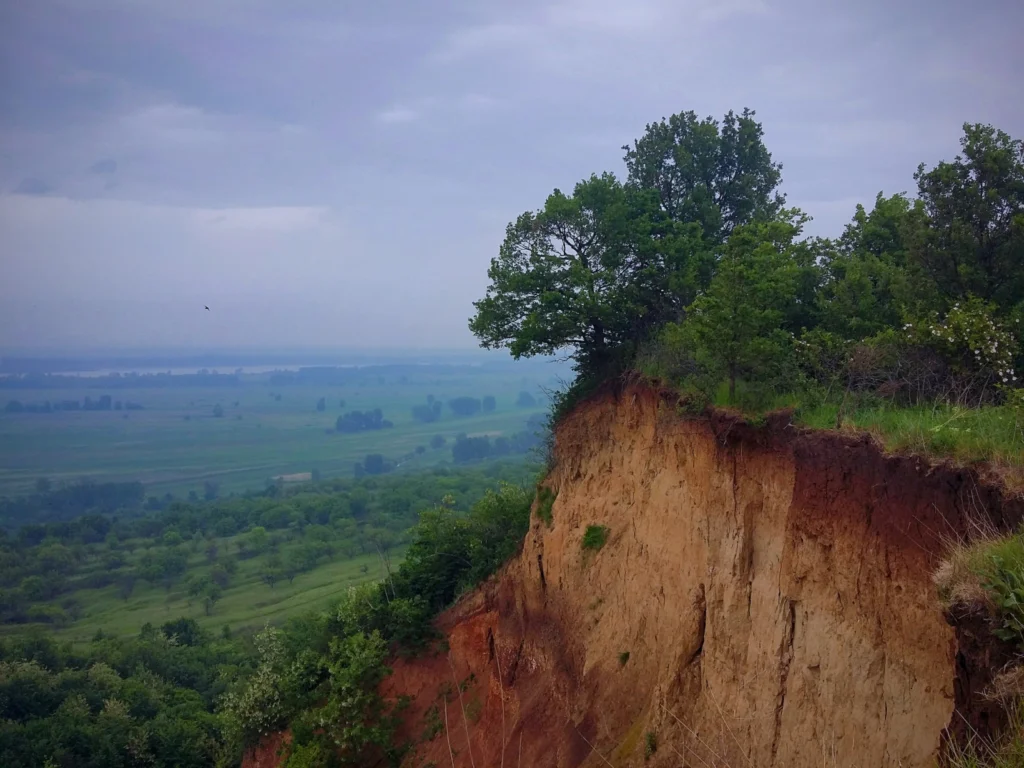
Loess is a mineral, aeolian deposit with a range of definitions in literature, which class it as either a sediment, soil, or rock. Some classic texts suggest that “loess is not just the accumulation of dust” [1], and it must include additional processes such as loessification, calcification, pedogenesis, and in-situ weathering. The definition adopted depends on the scientific background and the qu ...[Read More]

A new European effort to better understand extreme weather

A new European effort to better understand extreme weather

Extreme weather events routinely have detrimental socio-economic impacts around the globe. In fact, weather-related events make up over 90% of natural disasters worldwide [1]. In the new millennium, the frequency of many extreme weather events such as droughts and high temperatures, has systematically exceeded the levels seen in the 1980s and 1990s [1], and anthropogenic climate change may further ...[Read More]