Tinted detail of a photo: Tops of billowing clouds seen from above at sunset, dark grey masses edged with glowing gold where the sun shines through, under an orange sky.
AS
Atmospheric Sciences

guest author

The perfect ice floe

The perfect ice floe

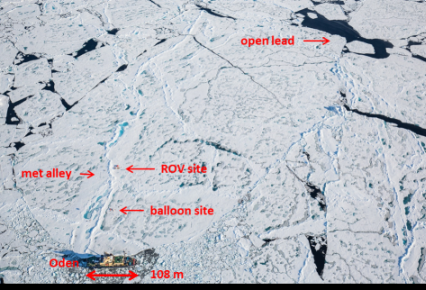
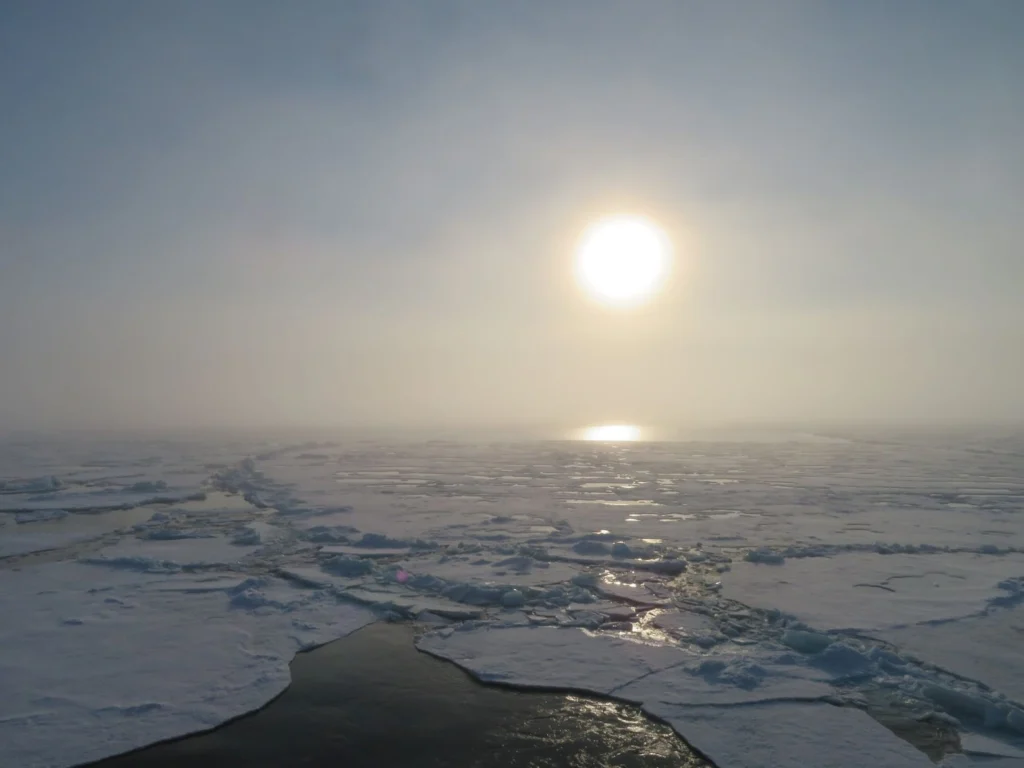
Current position: 89°31.85 N, 62°0.45 E, drifting with a multi-year ice floe (24th August 2018) With a little more than three weeks into the Arctic Ocean 2018 Expedition, the team has found the right ice floe and settled down to routine operations. Finding the perfect ice floe for an interdisciplinary science cruise is not an …[Read More]

Buckle up! Its about to get bumpy on the plane.

Buckle up! Its about to get bumpy on the plane.

Clear-Air Turbulence (CAT) is a major hazard to the aviation industry. If you have ever been on a plane you have probably heard the pilots warn that clear-air turbulence could occur at any time so always wear your seatbelt. Most people will have experienced it for themselves and wanted to grip their seat. However, severe …[Read More]

Volcanic Ash Particles Hold Clues to Their History and Effects

Volcanic Ash Particles Hold Clues to Their History and Effects

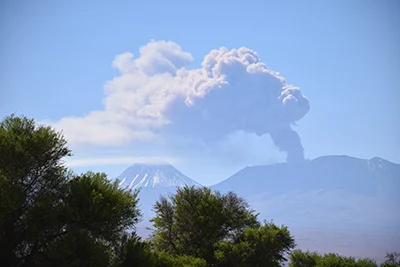
Volcanic Ash as an Active Agent in the Earth System (VA3): Combining Models and Experiments; Hamburg, Germany, 12–13 September 2016 Volcanic ash is a spectacular companion of volcanic activity that carries valuable information about the subsurface processes. It also poses a range of severe hazards to public health, infrastructure, aviation, and agriculture, and it plays …[Read More]

What? Ice lollies falling from the sky?

What? Ice lollies falling from the sky?

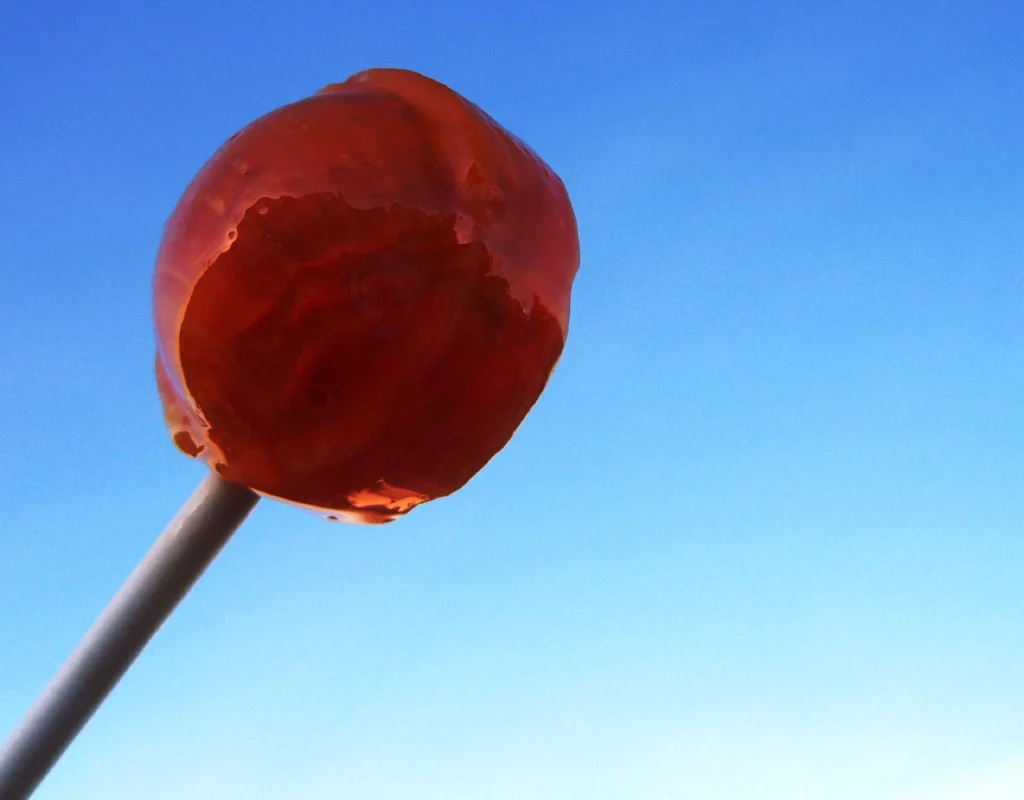
You have more than probably eaten many lollipops as a kid (and you might still enjoy them. The good thing is that you do not necessarily need to go to the candy shop to get them but you can simply wait for them to fall from the sky and eat them for free. Disclaimer: this …[Read More]

Black Carbon: the dark side of warming in the Arctic

Black Carbon: the dark side of warming in the Arctic

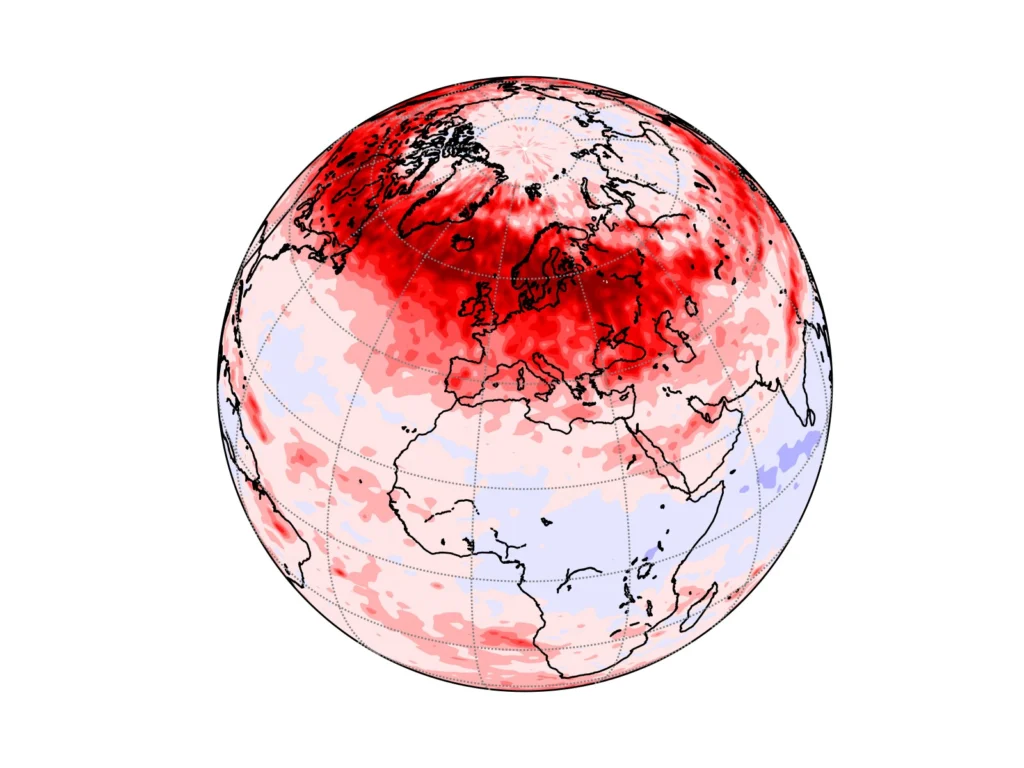
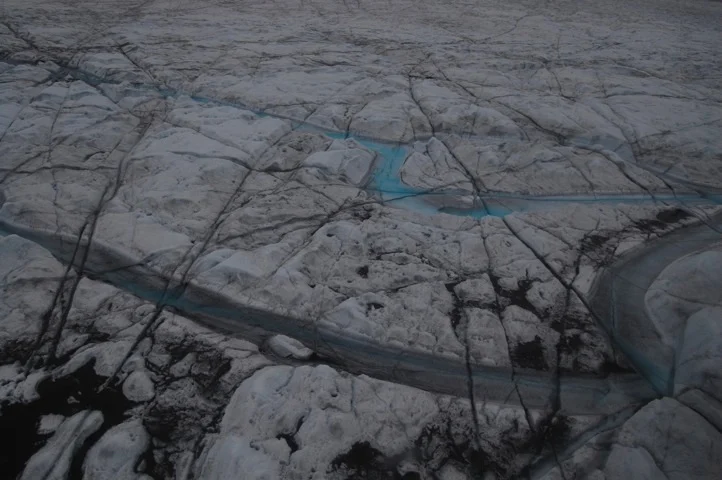
When it comes to global warming, greenhouse gases – and more specifically CO2 – are the most often pointed out. Fewer people know however that tiny atmospheric particles called ‘black carbon’ also contribute to the current warming. This post presents a paper my colleague and I recently published in Nature Communications . Our study sheds …[Read More]