AS
Atmospheric Sciences

Archives / 2026 / March

CLOUDLAB: Cloud research in a natural laboratory
CLOUDLAB: Cloud research in a natural laboratory
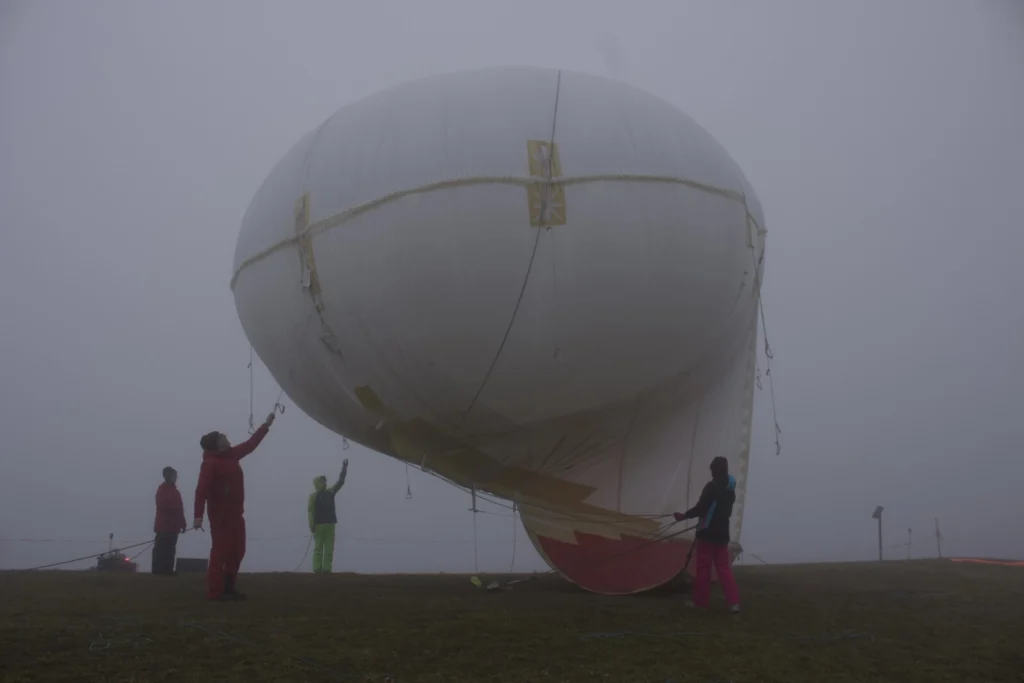
It’s murky grey, windy, and freezing when we head out into the countryside of the Swiss pre-Alps. We are looking for low hanging clouds to serve as our natural laboratory. Wintertime low stratus clouds can cover Switzerland for days. This type of cloud is stable with temperatures below 0 ºC and it contains plenty of liquid cloud droplets, but no ice crystals. These are the perfect background condi ...[Read More]

China’s Hainan Unlocks Mysteries of Heat and Sodium Transport 80–100 km Above Earth

China’s Hainan Unlocks Mysteries of Heat and Sodium Transport 80–100 km Above Earth

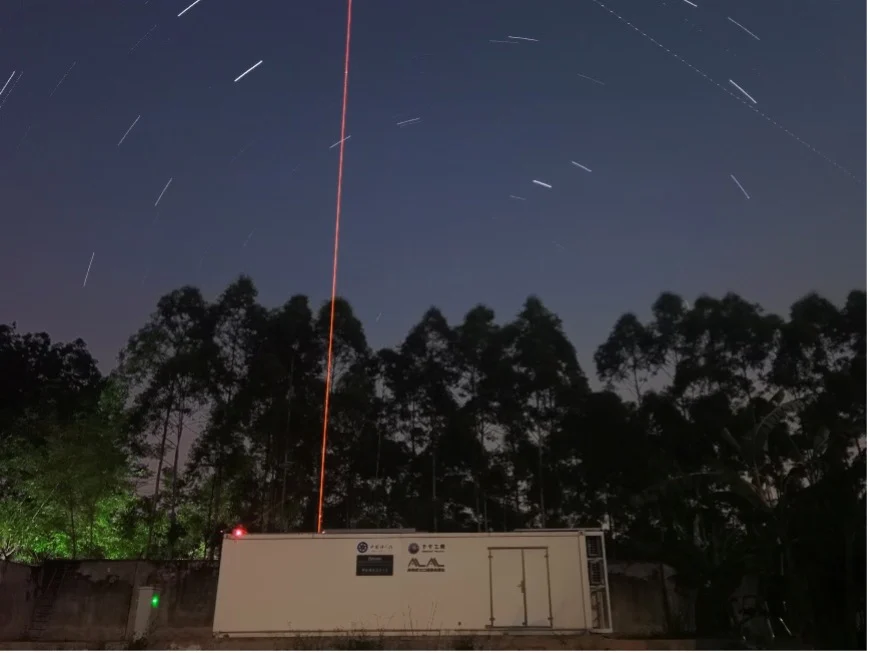
When we gaze at the sky, our eyes often linger on blue horizons, floating clouds, or twinkling stars—rarely do we think about the critical processes unfolding 80 to 100 km above ground. This region, known as the mesopause, acts as a vital transition zone for aviation and aerospace activities (not vital for routine commercial aviation, but it is indispensable for high-altitude aerospace, experiment ...[Read More]

Why “Perfect” Infrared Spectrometers Are a Myth – and Why That Matters for Atmospheric Measurements

Why “Perfect” Infrared Spectrometers Are a Myth – and Why That Matters for Atmospheric Measurements

Modern atmospheric science relies on precise and stable measurements to understand how the composition of the atmosphere evolves over time. From air quality to climate-relevant trace gases, long-term observations are essential for identifying trends and detecting subtle changes. One of the key tools enabling such measurements is infrared spectroscopy, which allows scientists to identify and quanti ...[Read More]