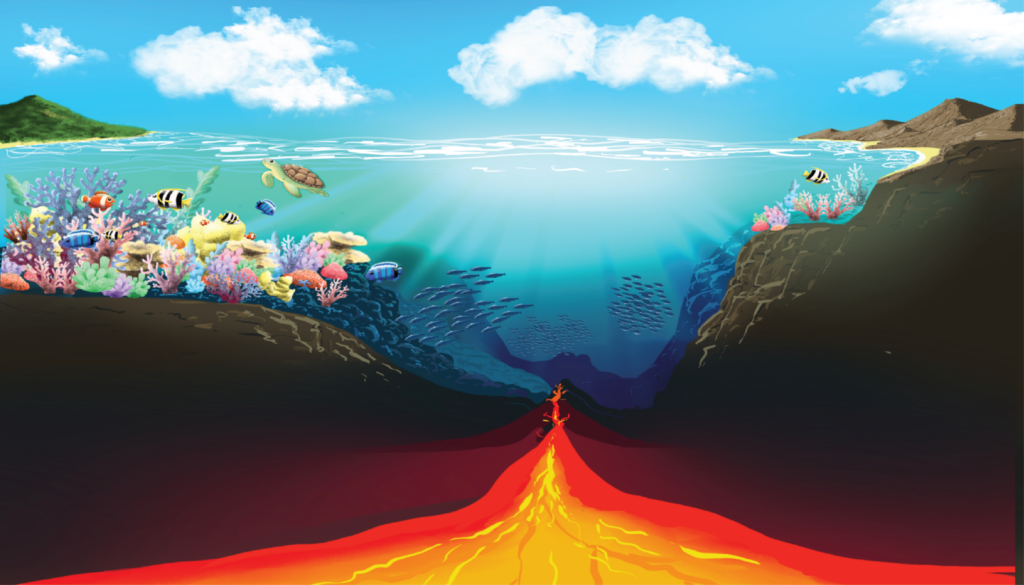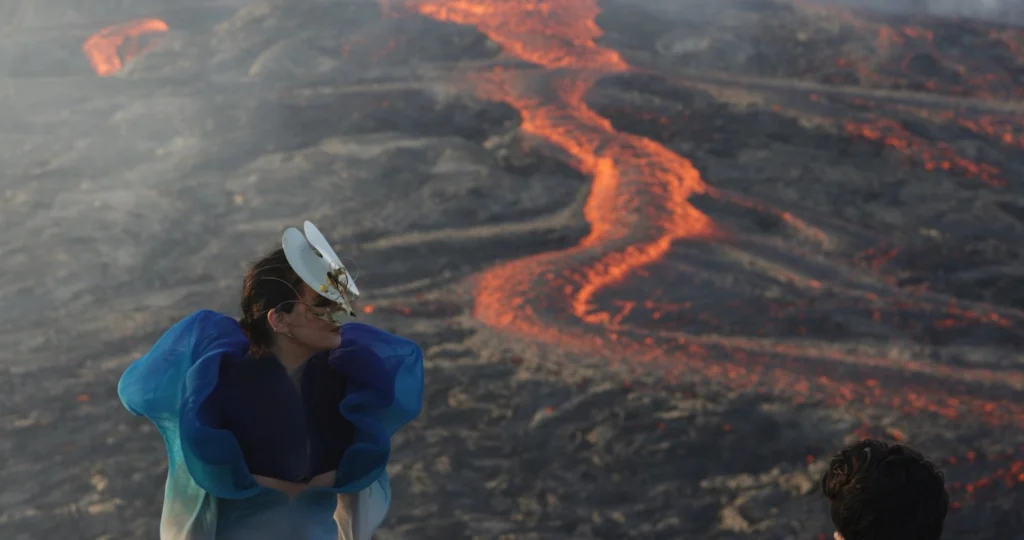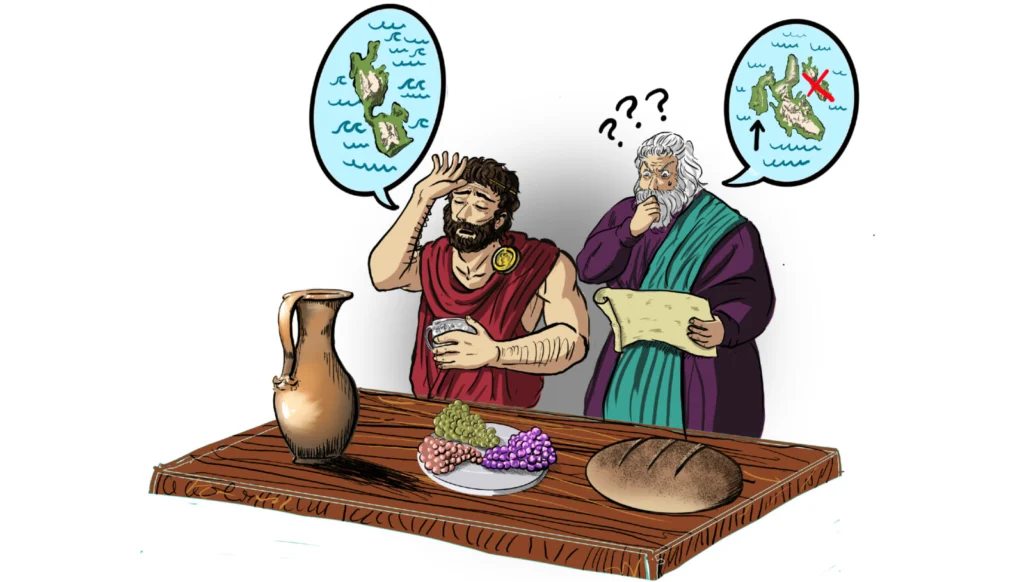

With today’s post, I would like to temporarily leave (geo)myths behind and enter (geo)history. I was first introduced to the following historical account by Professor Francesco Brozzetti of the University of Chieti (Italy), whose extensive knowledge of the Apennines of Central Italy extends well beyond geology. Geological Origins of Monasticism This is the brief history …[Read More]
Latest posts
Geodynamics
Help us shape the GD programme for EGU General Assembly 2027
The Geodynamics programme of the General Assembly starts with your ideas. With the call for session proposals for the 2027 EGU General Assembly approaching, the Geodynamics Division President Laetitia Le Pourhiet shares her thoughts on what makes a successful session proposal, and how to help shape next year’s scientific programme. Dear GD community, It is …[Read More]
Geodesy
EGU Campfire Geodesy – Share Your Research – 20th Edition
We are excited to announce the 20th edition of Geodesy Campfire – Share Your Research in July. The Geodesy EGU Campfire Events “Share Your Research” give (early career) researchers the chance to talk about their work. We have two exciting talks by our guest speakers, Pierre Sakic and Iwona Kudłacik. Below, you can find the …[Read More]
Solar-Terrestrial Sciences
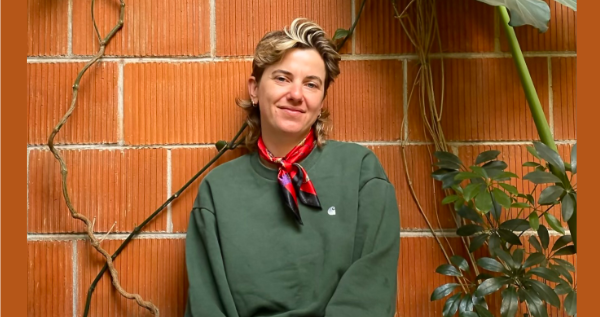
Meet Samuel Badman, the 2026 Outstanding Early Career Scientist Awardee of the Solar-Terrestrial Division!
Congratulations on receiving the EGU 2026 ST Division Outstanding Early Career Scientist Award for your outstanding contributions to our understanding of solar wind physics through observations from the Parker Solar Probe and Solar Orbiter. What does this recognition mean to you personally, and how does it impact your work in this fascinating field? It is …[Read More]
GeoLog
GeoRoundup: the highlights of EGU Journals published during June!
Each month we feature specific Divisions of EGU and during the monthly GeoRoundup we put the journals that publish science from those Divisions at the top of the Highlights section. For June, we are featuring the Ocean Science Division (OS). It is represented by the journal Ocean Science. Ocean Science Estuarine mixing – 22 June 2026 …[Read More]
Biogeosciences
Five ways to improve your interdisciplinary communication skills
Oh, but you should know that… It is a short sentence, often spoken with good intentions. Yet in interdisciplinary conversations, it can bring a discussion to a complete halt. The moment someone says, “Oh, but you should know that,” they assume that what is obvious in their discipline must be obvious to everyone else. Hearing …[Read More]
GeoLog
Taking Pride in our planet: Protecting oceans for queer and trans survival
In Spring of 2025, just as I was preparing to release the Queer Climate Justice StoryMap I had been building for two years, I received a difficult email from my lead community collaborator, an LGBTQ+ foundation, describing the devastating legal and financial situation the newly inaugurated Trump administration had put them in. We decided to set …[Read More]
GeoLog
GeoTalk: meet Delphine Urbah, space anthropologist!
Hello Delphine! Thank you for agreeing to have this GeoTalk interview. Could you briefly introduce yourself and your background? Hello, and thank you for having me! My name is Delphine Urbah, and I am a French professional working at the intersection of space, policy, ethics, and the human dimensions of space exploration. I currently work …[Read More]
Cryospheric Sciences
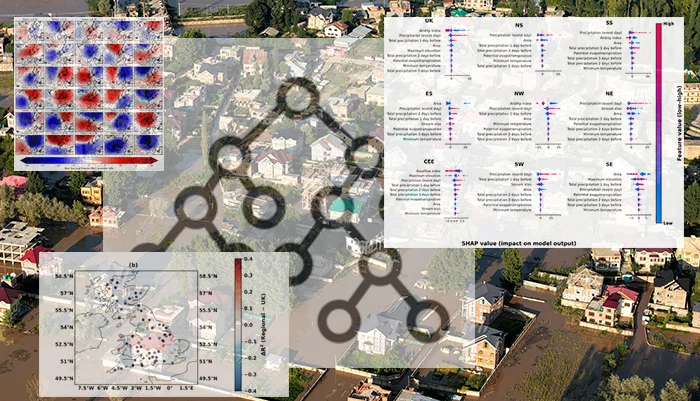
Melting ice shelves in ocean models: an idealised model intercomparison project
Antarctic ice shelves melt from beneath where they contact the ocean, but how well do ocean models simulate this process? Building on several decades of model development, a recent model intercomparison study compared ice shelf-ocean models from modelling groups around the world with the same, idealised benchmark configuration. From this effort, we can learn how …[Read More]
Geodesy
From Quasars to Coordinates: How VLBI Measures Earth’s Shape and Motion
Imagine determining the position of a point on Earth with millimeter precision using radio signals from celestial objects billions of light-years away. This may sound like science fiction, but it is exactly what Very Long Baseline Interferometry (VLBI) allows scientists to do. What is VLBI? Long before satellites and digital maps, people looked to the …[Read More]