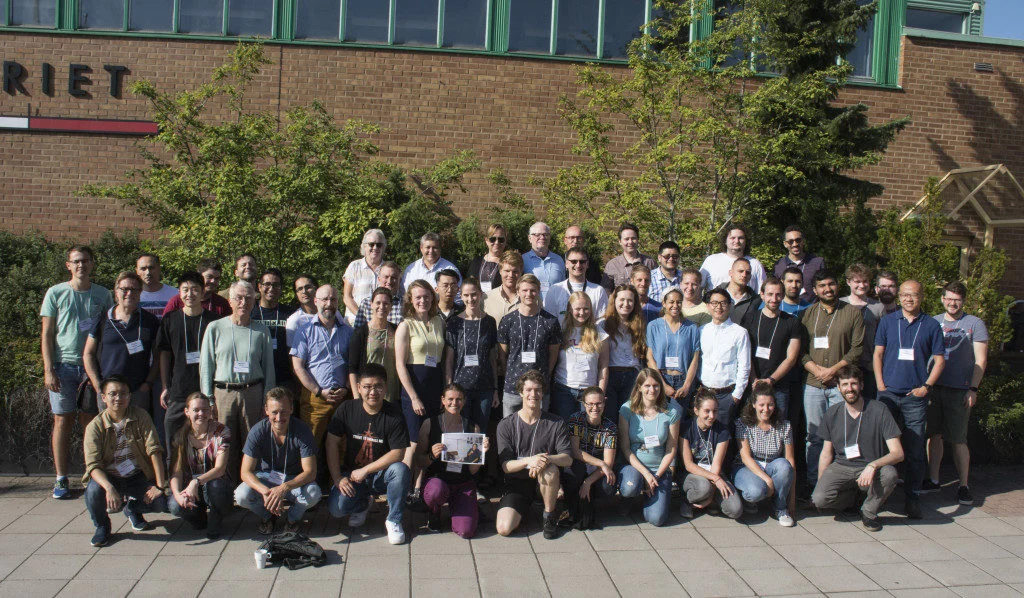
The 2019 Glacial Isostatic Adjustment (GIA) Training School was hosted by Lantmäteriet (the Swedish Mapping, Cadastral, and Land Registration Authority) in Gävle, Sweden from 26 – 30 August. GIA is the response of the solid Earth to past and present-day changes of glaciers and ice sheets. Research interests in GIA span the geosciences: from regional planning …[Read More]
1727 search results for "network"
If you didn't find what you were looking for, try searching again.
Habits in numerical model construction
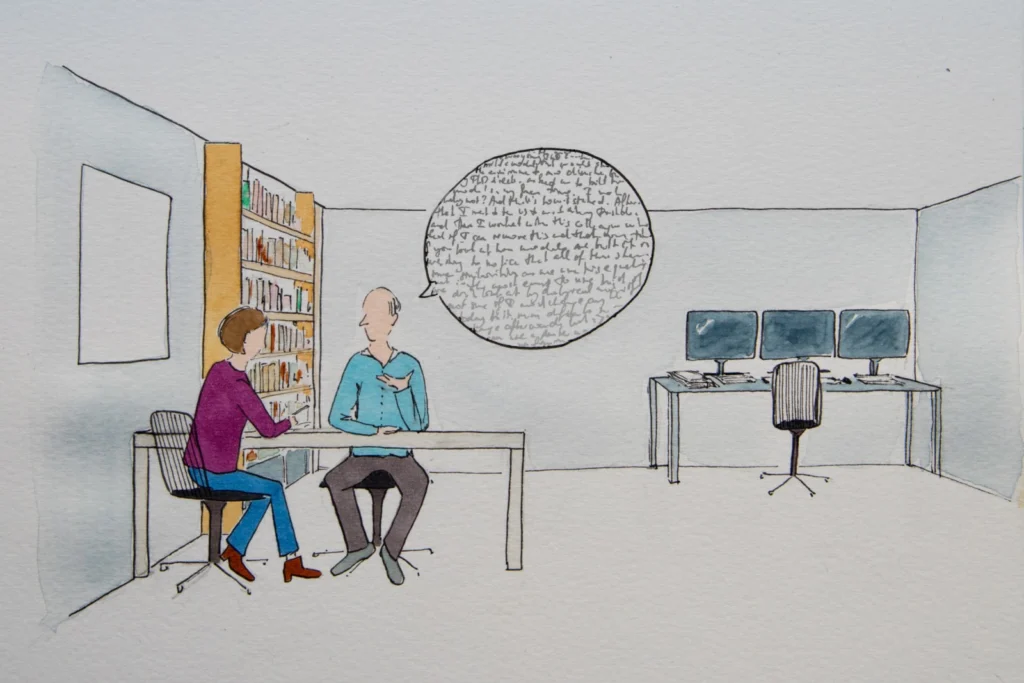
Numerical models are omnipresent in climate research. Constructed to understand the past, to forecast future climate and to gain new knowledge on natural processes and interactions, they enable the simulation of experiments at otherwise unreachable time and spatial scales. These instruments have long been considered to be fed – let even determined – by …[Read More]
GeoPolicy: One American’s way into the European Commission
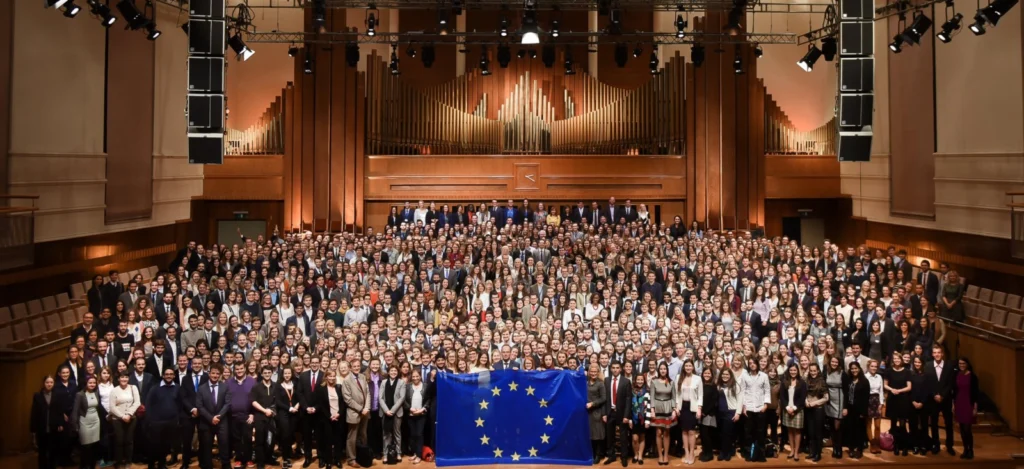
An unsolicited email to a LinkedIn connection holding the title “science communicator” led me to the European Commission. My journalism master’s thesis was now complete, and I was in hasty pursuit of a career in citizen engagement of science. The EGU’s Policy Officer Chloe Hill responded to my spontaneous request for career direction and forwarded …[Read More]
Cryo-Comm – Capturing Ice
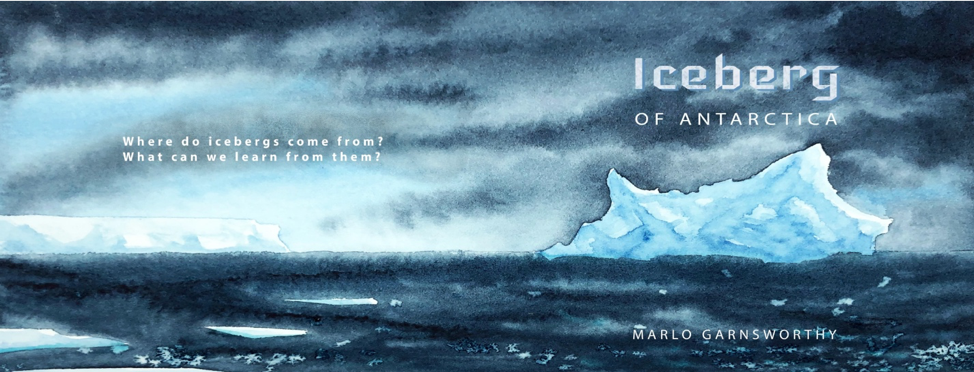
In this week’s blogpost, author, editor, artist, and outreach expert Marlo Garnsworthy gives some insights into her recent trip to Iceberg Alley, gives you some tips on how to communicate icy science, and shows us her inspirational artwork. If you’re reading this, ice may be on your mind. Ice is surely on mine. During my …[Read More]
The Sassy Scientist – Earthquake Exoteries Nr. II
Every week, The Sassy Scientist answers a question on geodynamics, related topics, academic life, the universe or anything in between with a healthy dose of sarcasm. Do you have a question for The Sassy Scientist? Submit your question here or leave a comment below. In a comment on a post about the key papers in geodynamics, …[Read More]
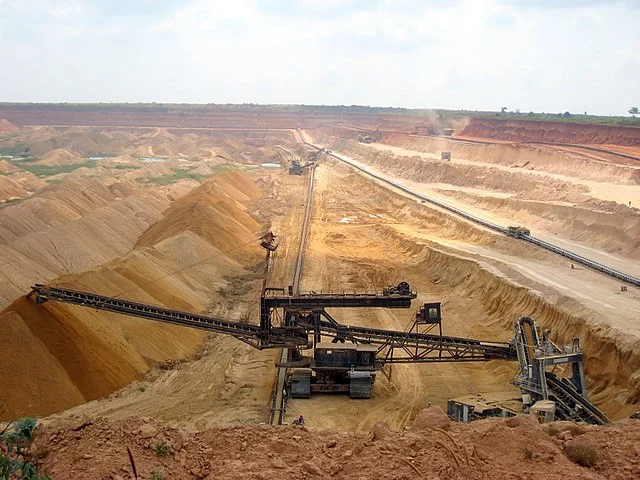
How successful disaster risk reduction looks like. Modelling economics with climate science. How do rocks end up in your food? That and more in Jesse Zondervan’s September 2019 #GfGDpicks #SciComm
Each month, Jesse Zondervan picks his favourite posts from geoscience and development blogs/news which cover the geology for global development interest. Here’s a round-up of Jesse’s selections for the last month: Minimising disaster risk has two dimensions, understanding the hazard and targeting people’s behaviour. Therefore to prevent volcanoes killing people, researchers have studied why people …[Read More]
Groundwater and a ‘green drought’
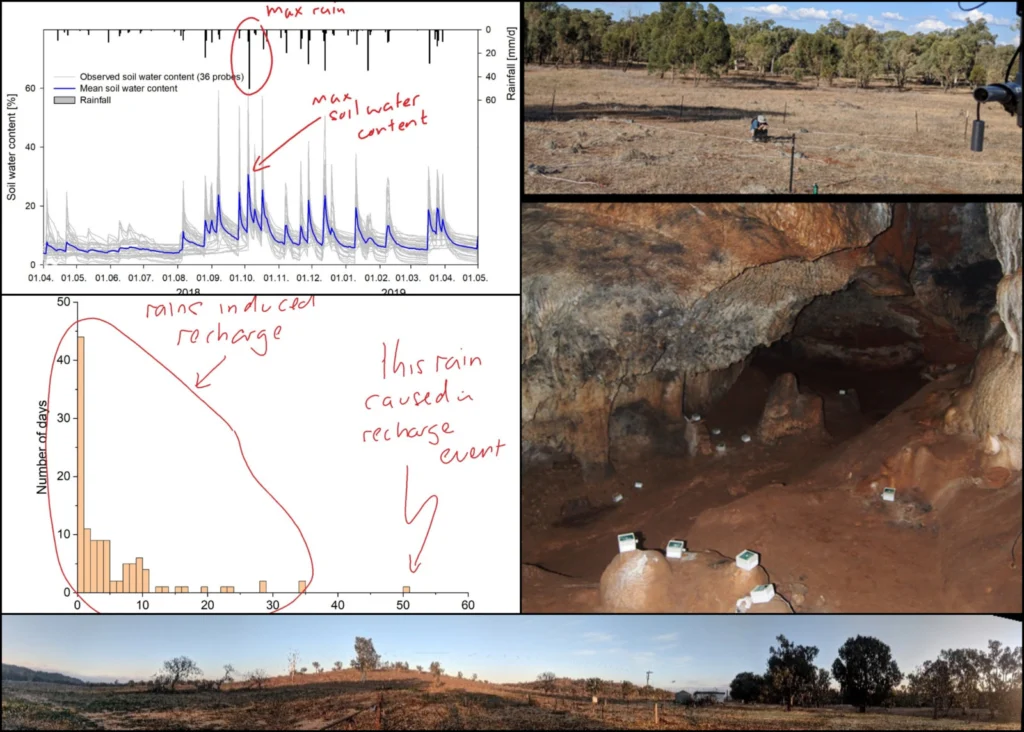
Post by Andy Baker, professor in the Connected Waters Initiative Centre at UNSW Sydney, Andreas Hartmann, assistant professor in Hydrological Modeling and Water Resources at the University of Freiburg, and Romane Berthelin, PhD student in Hydrological Modeling and Water Resources at the University of Freiburg. Here in New South Wales (NSW) in southeastern Australia, a long-running drought continues. …[Read More]
NPG Paper of the Month: “Unravelling the spatial diversity of Indian precipitation teleconnections via a non-linear multi-scale approach”
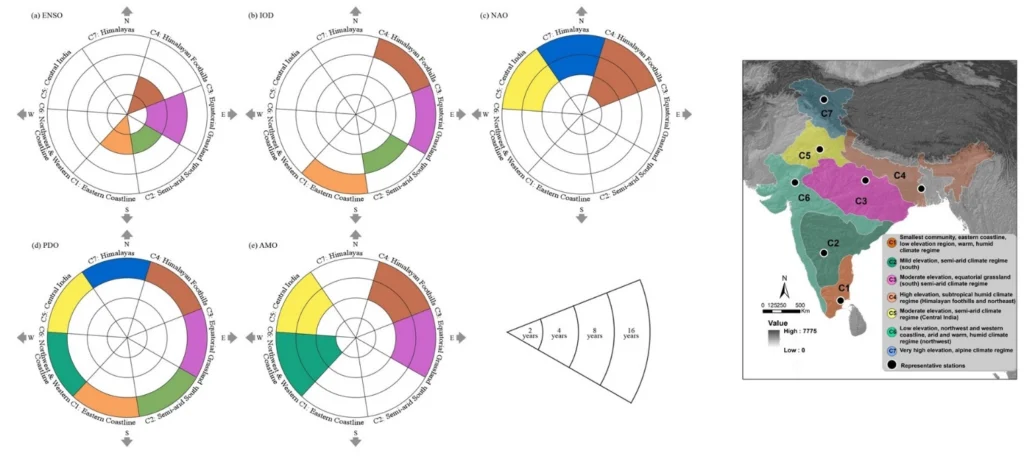
Today’s we launch one of our promised activities: the NPG Paper of the Month. This month the award is achieved by Jürgen Kurths and co-authors for their paper “Unravelling the spatial diversity of Indian precipitation teleconnections via a non-linear multi-scale approach” (https://www.nonlin-processes-geophys.net/26/251/2019/). Ankit Agarwal, one of the authors of the manuscript, tells us about the …[Read More]
Stromboli: The Lighthouse of the Mediterranean
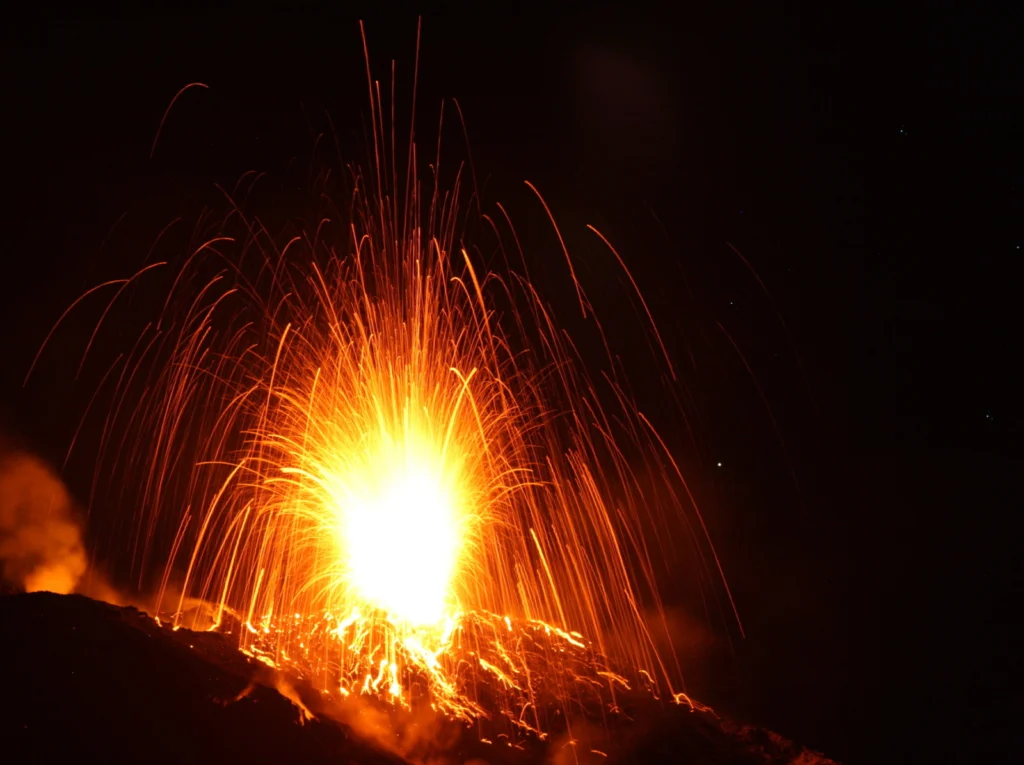
In the last months two paroxysmal explosive eruptions took place at Stromboli volcano: the first one, totally unexpected, on 3rd July (Video 1) that sadly cost the life of a person and the second and, currently, last one about three weeks ago, on the 28th August (Video 2). Today we try to answer a couple …[Read More]
New Paper: Interconnected Geoscience for International Development
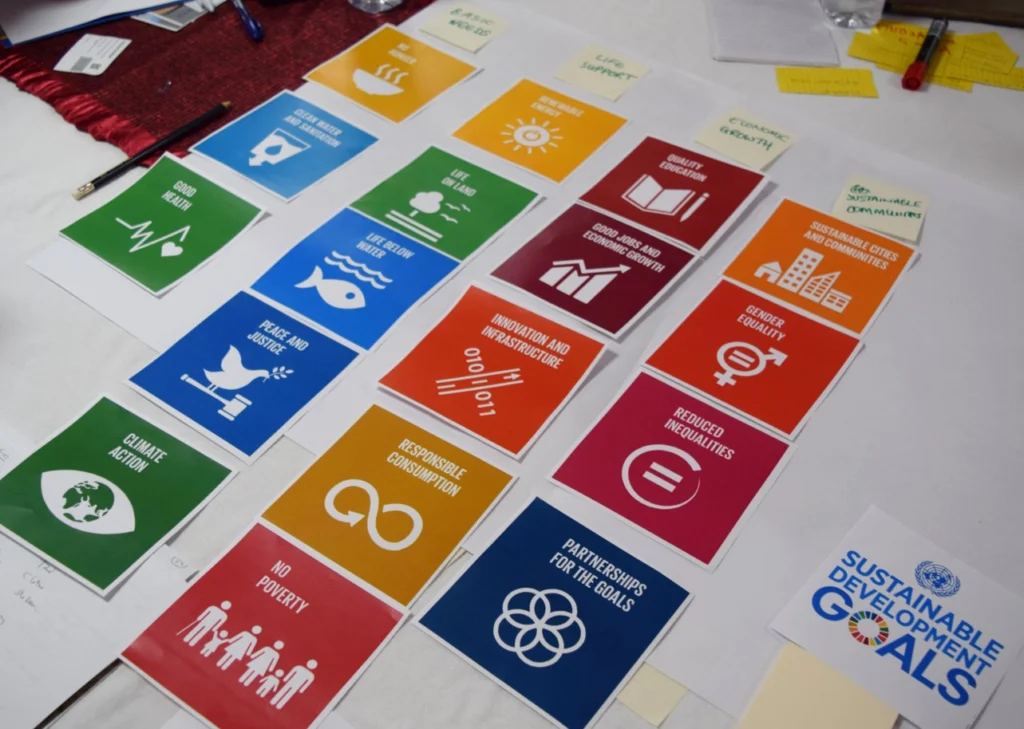
A new paper published in Episodes: The Journal of International Geoscience highlights the importance of geoscience in tackling complex development challenges, and the need for new approaches to overcome barriers preventing greater application of geoscience within development. ‘Interconnected geoscience for international development‘, written by Professor Michael Petterson of Auckland University of Technology (New Zealand) sets …[Read More]