
After a couple of years of online conferences, Early Career Scientists of the EGU’s Soils System Sciences division share their experiences of this year’s General Assembly which was held in a hybrid format. This week, we hear from Diana Vieira So, this was it. Our first EGU after the COVID pandemic, and we …[Read More]
2110 search results for "researcher"
If you didn't find what you were looking for, try searching again.
This World Biofuel Day, we look to the future with optimism
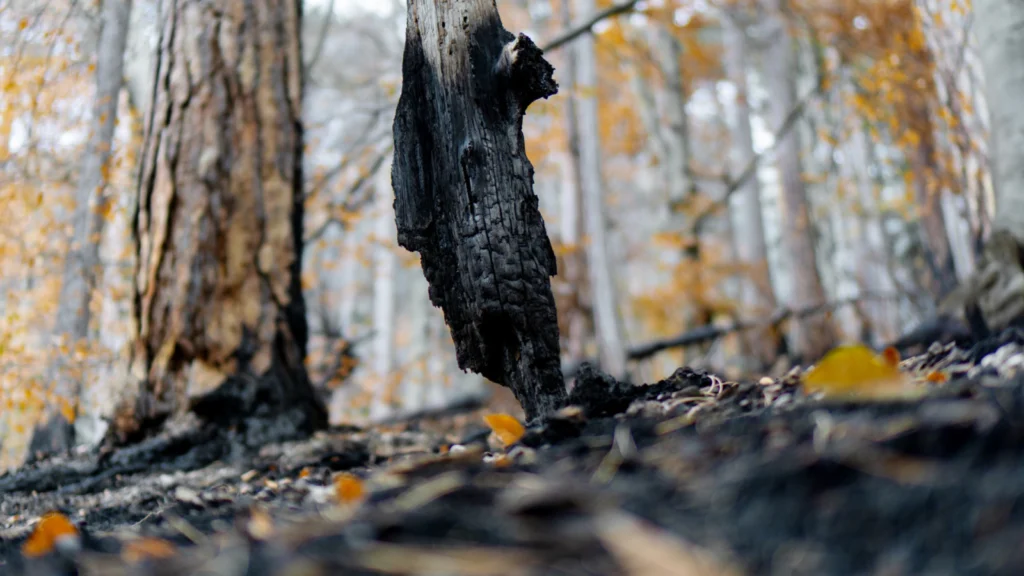
Fossil fuels have dominated the global energy market for centuries, and so most people find it surprising to learn that the first ever diesel engine (1892) was run entirely on peanut oil. German engineer Sir Rudolf Diesel who built the engine was almost prophetic when he said the use of vegetable oils for engine fuels …[Read More]
The “Geo-journey” of a PhD Candidate Geophysicist from Sicily to Uppsala.
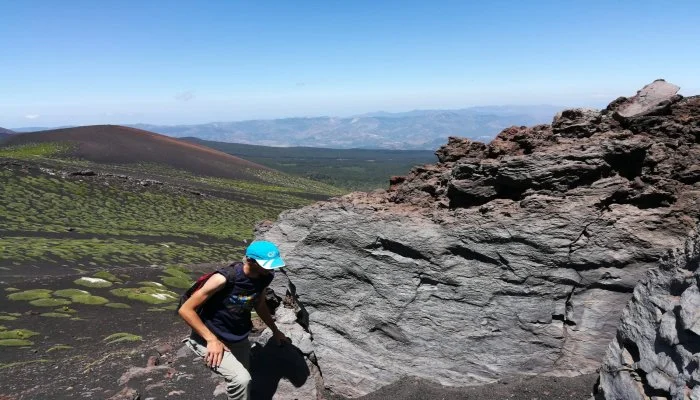
Does the sound of pursuing a Ph.D. terrify you? Well, fear not because this week we have Samuel Zappalà from Uppsala University to tell us more about his inspiring story as a Ph.D. student at the Department of Earth Science in Uppsala. And, who knows maybe you will be inspired to pursue a Ph.D. in …[Read More]
How a Spanish newspaper experiment is improving public understanding of climate change
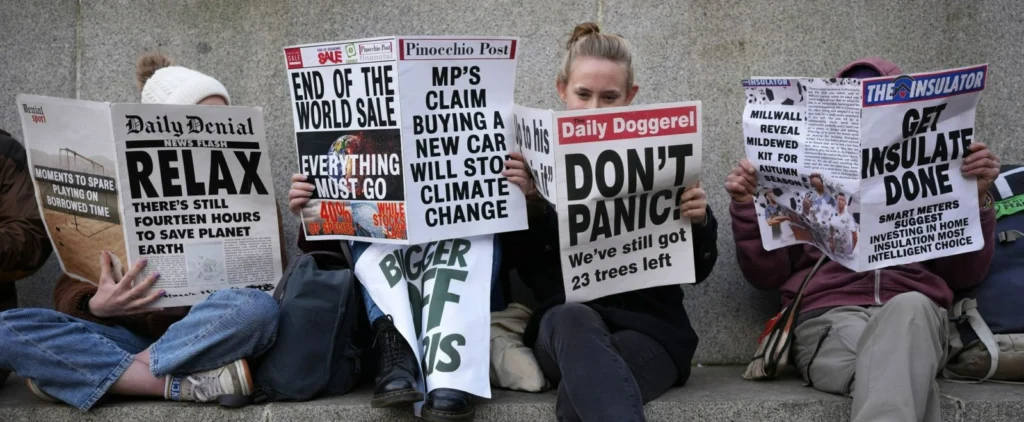
Climate change is not a new phenomenon. Nor is global warming. So why do researchers report a poor public understanding of this subject around the world? According to a recently published study, 70% of the people surveyed said they were concerned about rising global temperatures but had little knowledge about the climate crisis. When asked …[Read More]
GeoRoundup: the highlights of EGU Journals published during July!
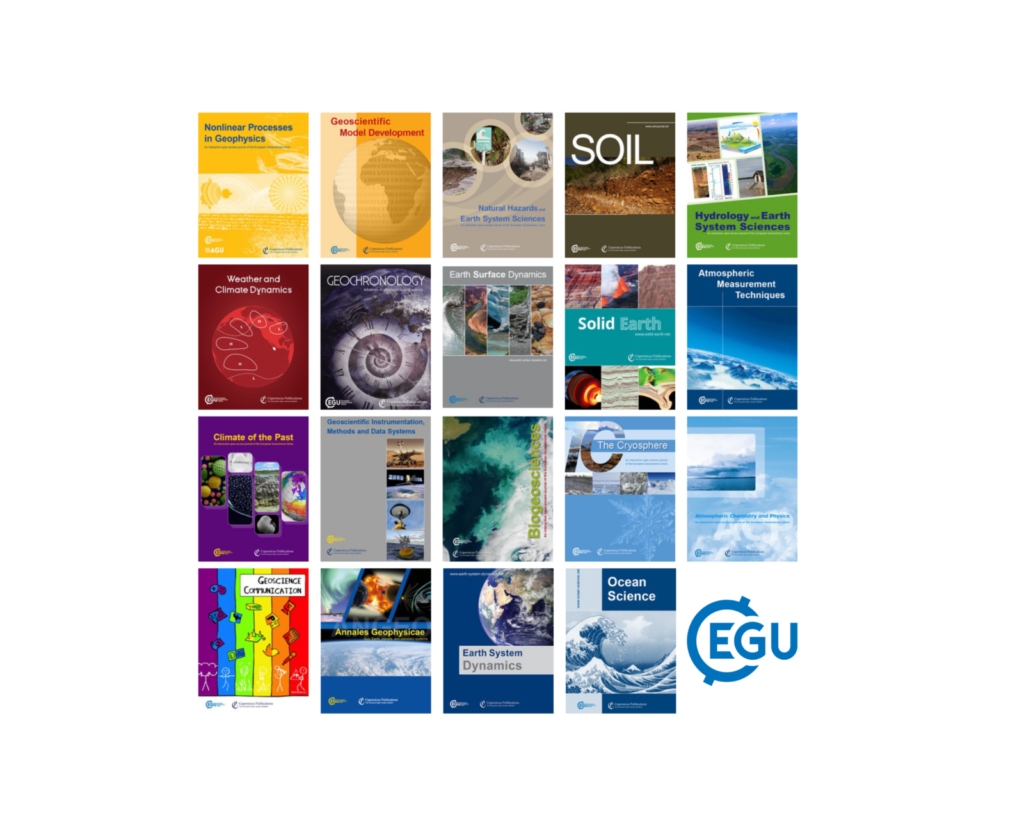
Each month we feature specific Divisions of EGU and during the monthly GeoRoundup we will be putting the journals that publish science from those Divisions at the top of the Highlights roundup. For July, the Divisions we are featuring are: Atmospheric Science (AS), Hydrological Sciences (HS) and Geomorphology (GM). They are served by the journals: Geoscientific Model …[Read More]
The Marie Skłodowska-Curie Postdoctoral Fellowship
The summer months are often considered the cucumber season both in politics and in academia. However, there are several young researchers who use these months to work like crazy on proposals for the Marie Skłodowska-Curie Actions Postdoctoral Fellowship call. To give some inspiration to these young academic adventurers, I asked some current and recently awarded MSCA …[Read More]
Cryo History – Extent of South Georgia Glaciation during the Last Glacial Maximum
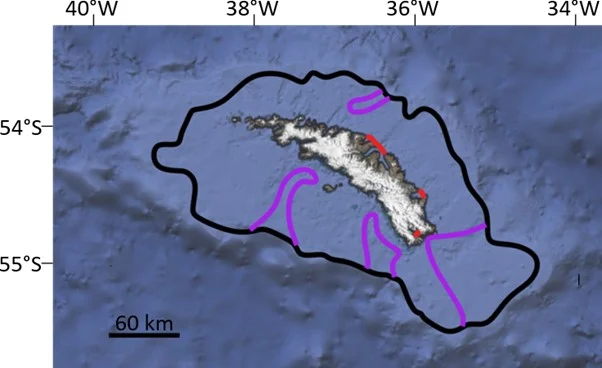
There has been considerable disagreement amongst researchers concerning the extent of South Georgia’s ice sheet during the Last Glacial Maximum (LGM). The sub-Antarctic islands (those below the polar front) may have been completely glaciated during previous glacials, and the last largest extent of the South Georgia ice sheet was during the LGM, about 21,000 years …[Read More]
Science is not immune to fraud: How a Microbiologist-turned-Integrity Consultant spots scientific misconduct
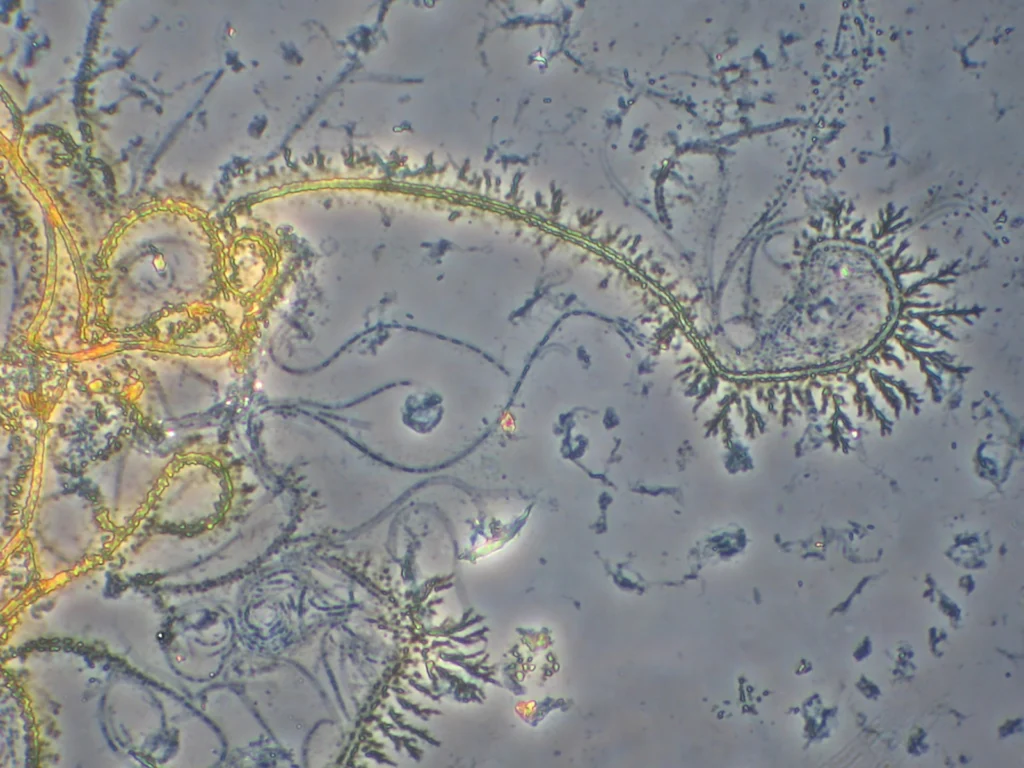
Elisabeth Bik is as brave as they come. She has been threatened personally and professionally by people she’s never met, only because she dares to critique some of the most widely read and published scientific papers in the world. The Dutch microbiologist discovered her unique skill of spotting – manually, with her naked eye – …[Read More]
Spring, Summer, Winter…Haze?
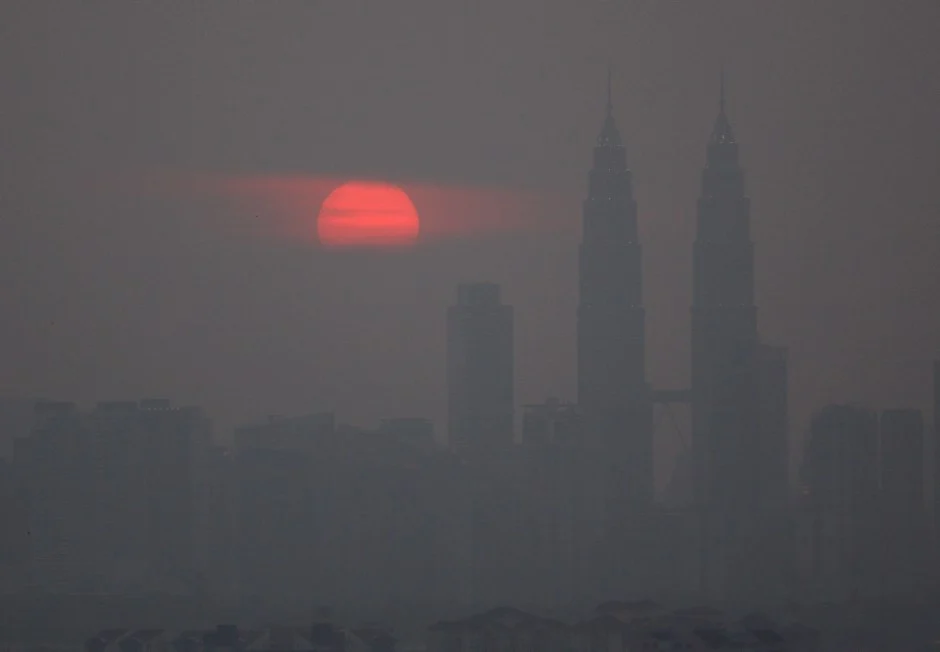
Around the world, societies have many different ways to define the seasons, but for most people a season is identified by a set of culturally specified events, such as the arrival of migratory birds, certain anticipated weather patterns, or a range of expected temperatures. Over recent years many studies have examined the various ways that …[Read More]
“State of the ECS”: How was EGU 22 for you? Plus the new team!

Hello everyone! Hope you’re doing well, and that those of you who managed to make it to Vienna have now recovered, and that normal researcher life has now resumed (and isn’t too dull in comparison!) We hope you enjoyed all that the EGU GA had on offer, and that you were able to make it …[Read More]