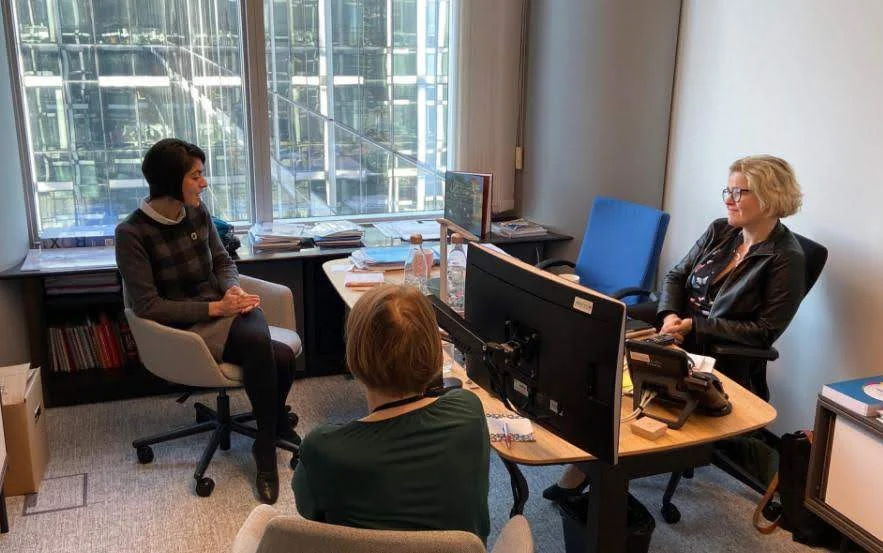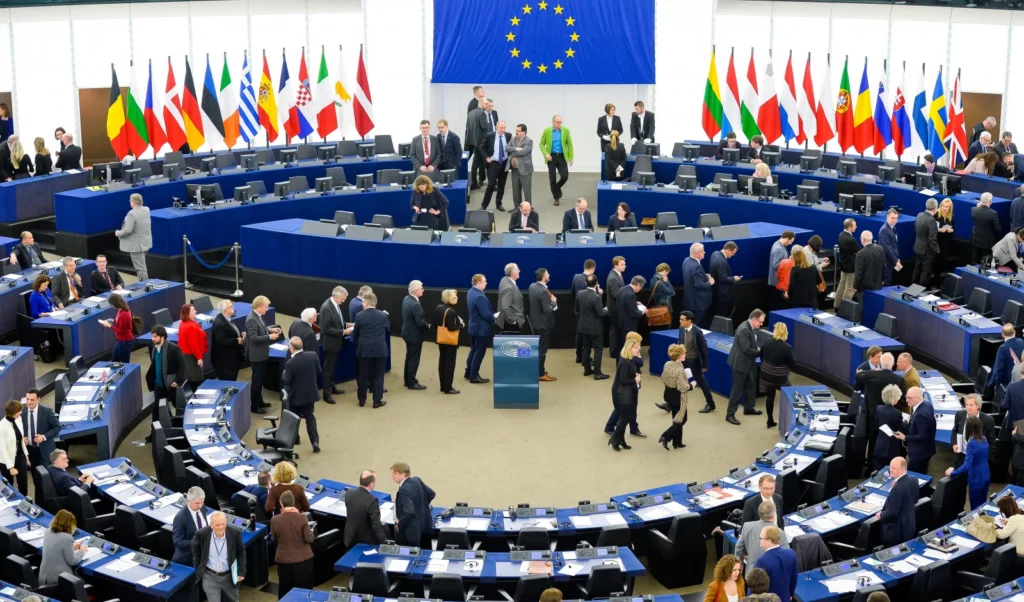
“Thanks for coming, but no time for celebratory drinks,” I told my colleagues. I arrived in Brussels right after defending my doctoral thesis to brief the Finnish Member of the European Parliament (MEP) Miapetra Kumpula-Natri and her team about the impact of sea-level rise and climate change on the coastal communities of the Baltic Sea. …[Read More]
151 search results for "geopolicy"
If you didn't find what you were looking for, try searching again.
GeoPolicy: Communicate Geoscience? Let’s do it!
This month’s GeoPolicy Column was written by Alexander Roesner, a researcher at MARUM (the Center for Marine Environmental Sciences) and the winner of the EGU’s 2019 ECS Policy Competition, which provides the winner with funding to attend the EGU’s science-policy event, Shaping EU Missions in Brussels. Roesner outlines his motivation for applying for the competition …[Read More]
GeoPolicy: Shaping EU Missions – bridging the gap between geoscience and policy
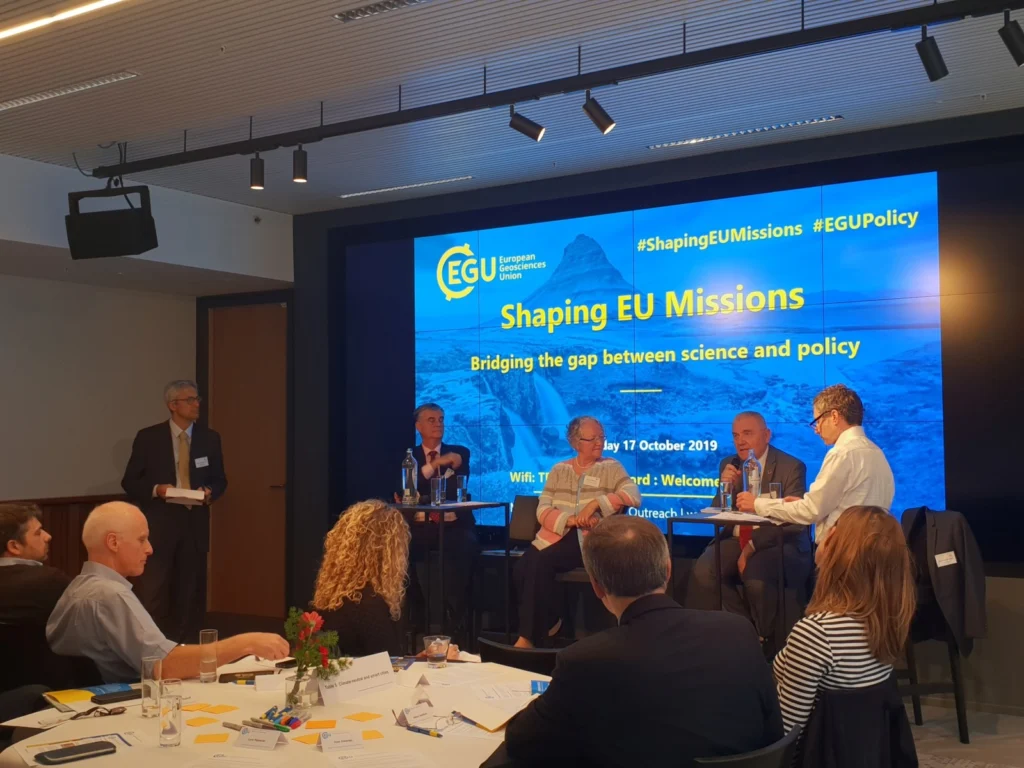
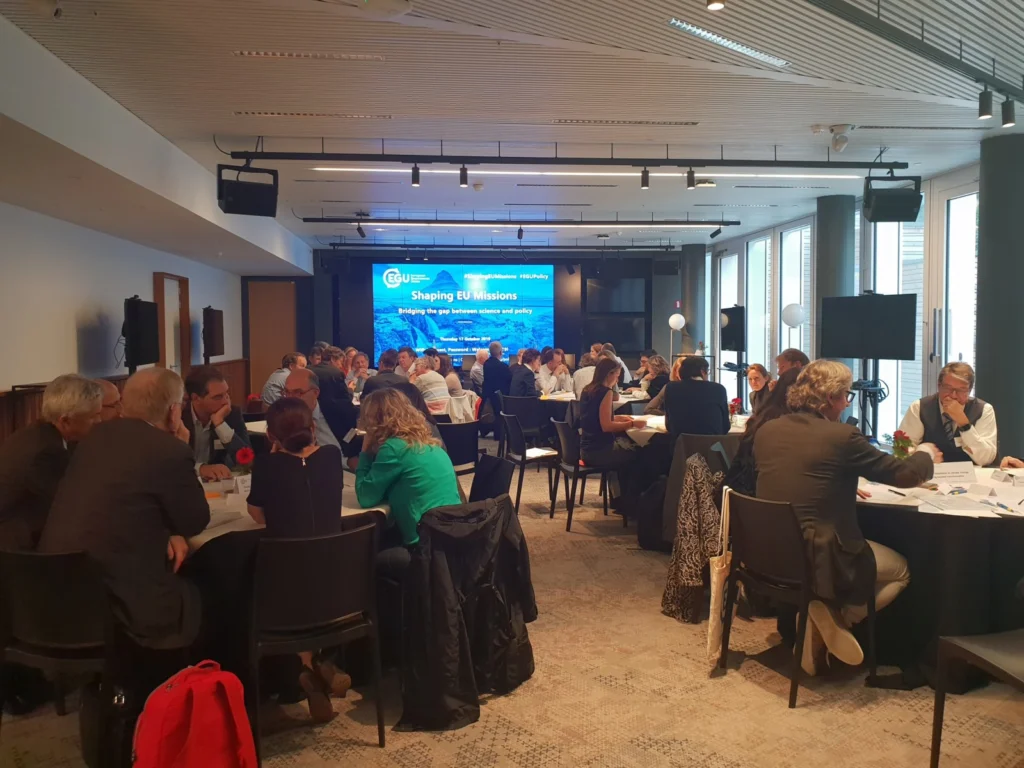
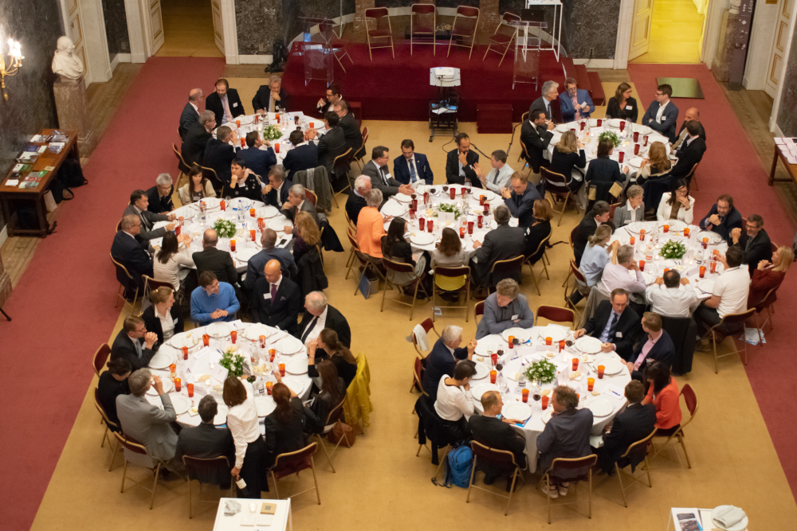
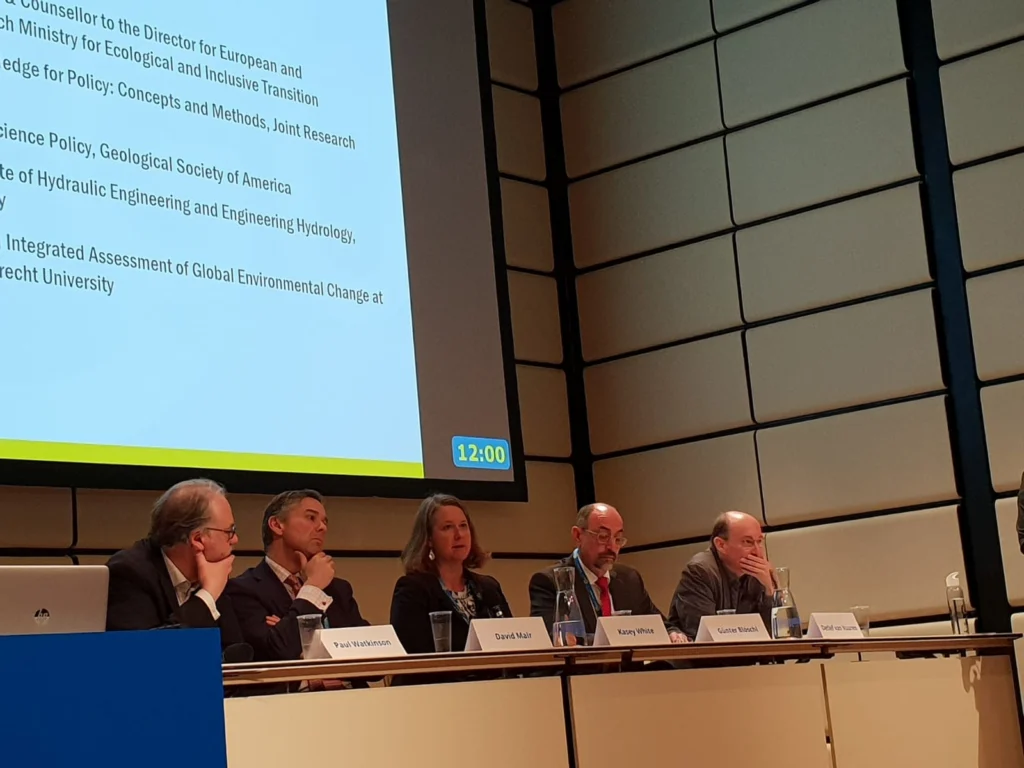
This month’s GeoPolicy blog post is a Q&A about the EGU’s second annual science-policy event, Shaping EU Missions: bridging the gap between geoscience and policy which was hosted in Brussels on October 17 2019. The EGU has an annual event outside of the General Assembly?? Yes! Except this one is much smaller with about 70 participants …[Read More]
GeoPolicy: One American’s way into the European Commission
An unsolicited email to a LinkedIn connection holding the title “science communicator” led me to the European Commission. My journalism master’s thesis was now complete, and I was in hasty pursuit of a career in citizen engagement of science. The EGU’s Policy Officer Chloe Hill responded to my spontaneous request for career direction and forwarded …[Read More]
GeoPolicy: What really drives political decision-making?
On July 17 2019, the EU Commission’s Joint Research Centre (JRC) published a report highlighting how thinking is challenged by today’s information environment and the role of evidence-informed policymaking in a well-functioning democracy. Titled Understanding our political nature, the report was produced with the assistance of 60 international experts in the humanities, behavioural and social …[Read More]
GeoPolicy: Preventing mercury leakage from a WWII submarine
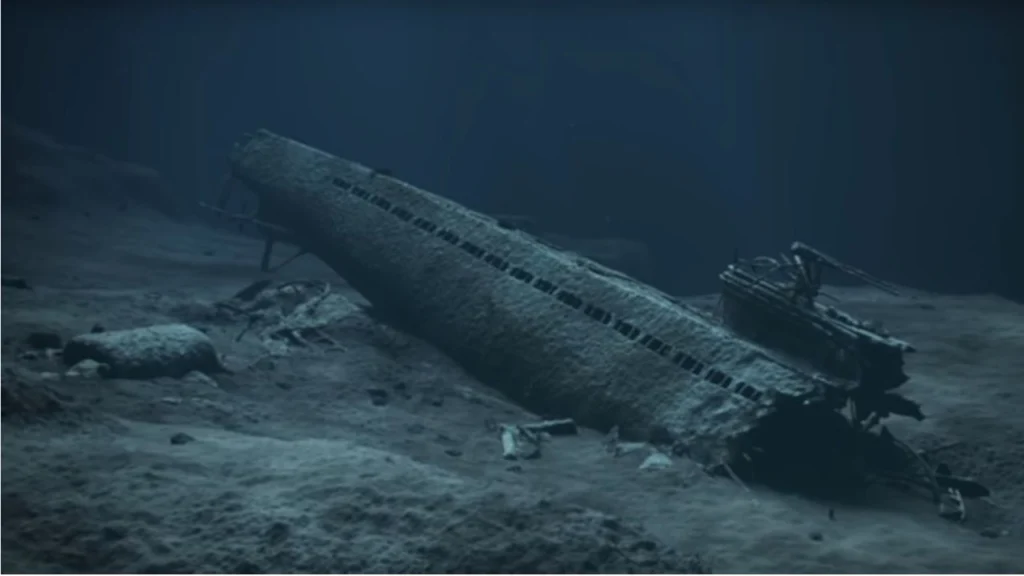
I recently had the opportunity to interview Matthias Kaiser, a professor at Bergen University and, at the time of the interview, Director of the Centre for the Study of the Sciences and the Humanities. He is part of an expert team that has given scientific advice to Norwegian policymakers, highlighting the issues that should be …[Read More]
GeoPolicy: Fake news and populism – a threat to science in Europe
The 2019 EGU General Assembly was a great success. Not only was it the largest in EGU history (with over 16,000 participants, 5,531 oral, 9,432 poster and 1,287 PICO presentations) but it also allowed scientists to connect geoscience and their research with global challenges and potential solutions. One of the highlights of this year’s General …[Read More]
GeoPolicy: What inspires you to be a scientist?
What inspires you to be a scientist? For me, the motivation comes from a strong desire to make the world a better place, to use our skills and knowledge as scientists to help society and shape the future. Increasing our collaboration and involvement is an excellent way to expand our influence, but for early career …[Read More]
GeoPolicy: Science in policymaking: Who is responsible?
Should scientists actively approach policymakers in order to guide their decision-making processes, or is it the policymakers’ responsibility to seek scientific advice? In the first of the Great Debates at this year’s European Geosciences Union General Assembly in Vienna a mixed panel of policymakers and geoscientists tried to answer who should be responsible for making sure …[Read More]
GeoPolicy: Science for Policy at the 2019 General Assembly!
The EGU General Assembly is the largest geoscience meeting in Europe. Not only does it have a diverse array of sessions that you can attend within your own area of expertise but there are also thousands of sessions that will be outside of your research field, as well as sessions on topics that can be …[Read More]