
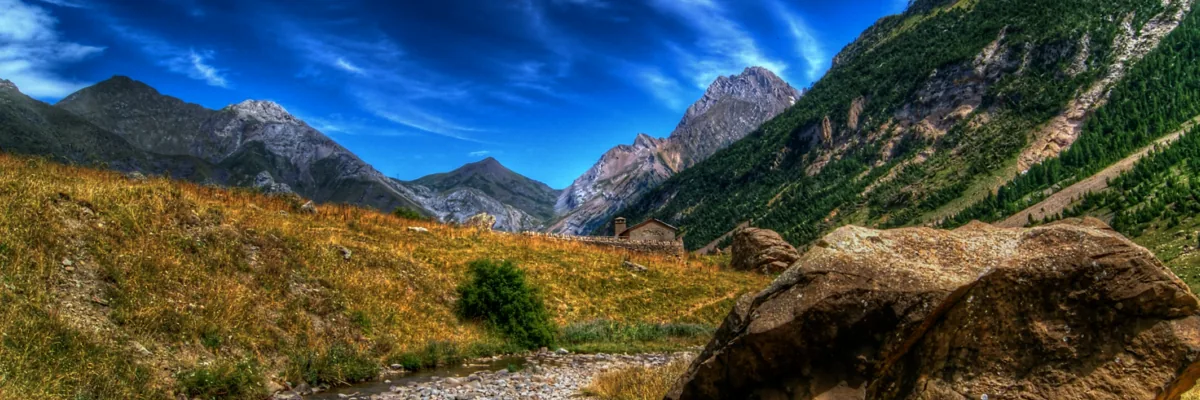
This week’s Imaggeo on Mondays is no ordinary image; it’s a snapshot of surface ocean speeds and the extent of ice cover in the North Atlantic. It was produced using a high resolution model of ocean eddies – high resolution here means that details are simplified into grids 3 km across, or one 20th of …[Read More]
6015 search results for "6"
If you didn't find what you were looking for, try searching again.
Blog Competition (1st Prize) – Robin Wylie: Hydro in India, a Dark Side to the Green Solution
For our Blog Competition 2013, we asked for people to submit articles addressing one of two topics. Robin’s article on the recent floods in Utttarakhand State, India, won first prize in its category. Robin Wylie studied geophysics at the University of Edinburgh, and then spent some time working at a volcanic observatory in Hawaii before …[Read More]
Abbreviated science
KFC, MTV, BP, BBC, NASA, NHS, UNICEF, FIFA…combinations of letters that are known the world over. These famous examples demonstrate the power of the acronym, a word formed from the initial components of a series of other words. You may have noticed that acronyms in science seem to be everywhere. No grant proposal, research group …[Read More]
Friday Field Photos: Eruptions at Lokon-Empung volcano, Indonesia
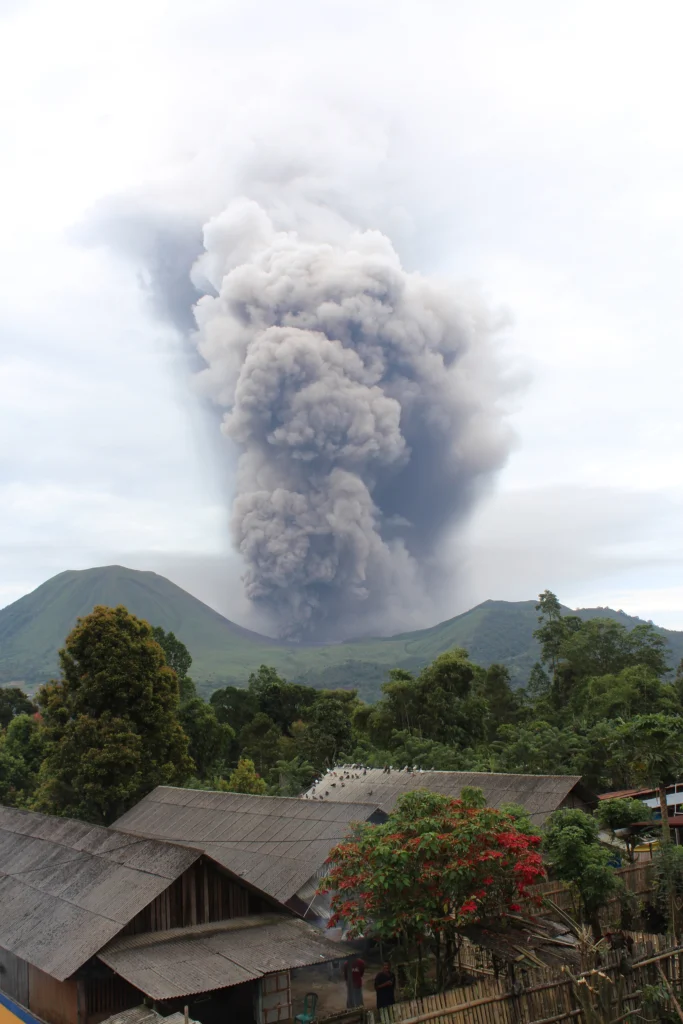
This week I am at a workshop near the twin-peaked volcano Lokon-Empung, in Sulawesi, Indonesia. True to form (it is the most active volcano in Sulawesi), Lokon has been rather active, with fairly frequent small explosions forming some small but dramatic ash plumes. The active vent is not at the summits of either Lokon, or …[Read More]
What’s all the Phos about?
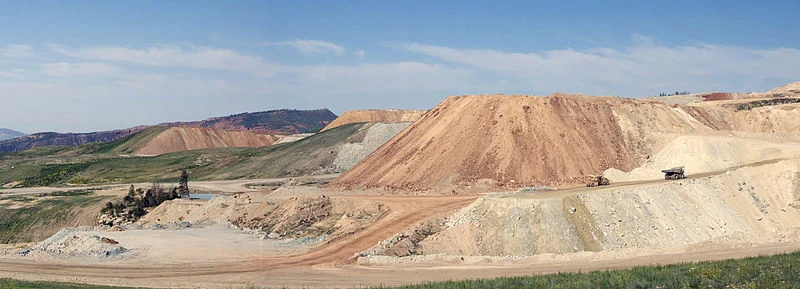
Phosphate use for fertilisers, essential in modern agriculture, is hitting an all time high while resources are being heavily depleted. Flo discusses the background, numbers, geopolitics and potential solutions behind the issue of ‘the end of phosphorus’. The Issue The dilemma over diminishing natural resources is a topic of our times with the daily bulletins …[Read More]
Science Snap (3): Earth’s biggest volcano?
James Hickey is a PhD student in the School of Earth Sciences at the University of Bristol. A geophysicist and volcanologist by trade, his PhD project is focussed on attempting to place constraints on volcanic unrest using integrated geodetic modelling. The newly discovered submarine Tamu Massif (pictured below), approximately 1500 km east …[Read More]
One year of volcanicdegassing
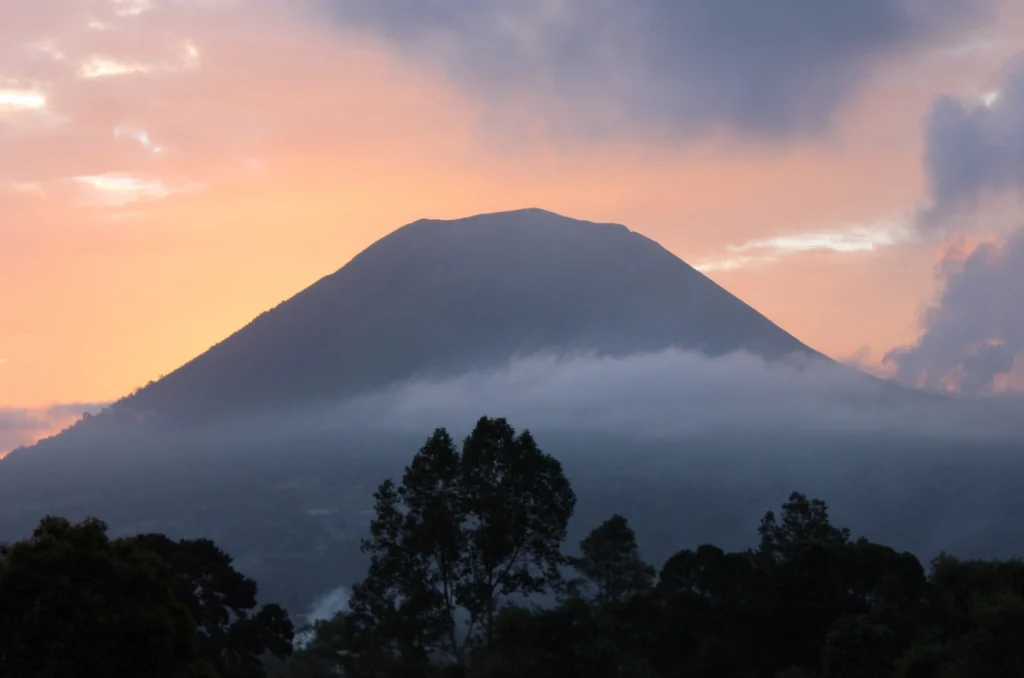
One year has passed since I first wrote a post for this occasional blog. Now, 12 months, 22 posts and 7500 page views later, here’s a quick look back. For me, this has been a way of using some of my back catalogue of field photographs, of fleshing out a bit of context around papers …[Read More]
Geosciences Column: Stitching the seafloor together
You’re standing on a mountain peak, with a fabulous field site before you. Wanting to capture the moment, you take out your iPhone, snap a dozen pictures and your mobile stitches them together beautifully – a nice record to show your colleagues back in the office. Unfortunately, not all field sites are so easy to …[Read More]
Sustainable Resource Development in the Himalayas Conference: Reconnaissance Work
Every geologist has heard the story of the birth of the Himalayas; India crashes into Asia and they crumple up, sending the seafloor into the sky, melting the crust and forming the highest mountains on earth. The mountains are still rising, and for that reason the region is prone to earthquakes, landslides and flash floods. …[Read More]
Smoky summers
The past summer has seen a great deal of media coverage of fires burning across the globe. When I consider what to write about for the blog, it has often been difficult to avoid commenting on yet another instance of a fire burning somewhere. This has been especially difficult given my current research project investigates …[Read More]