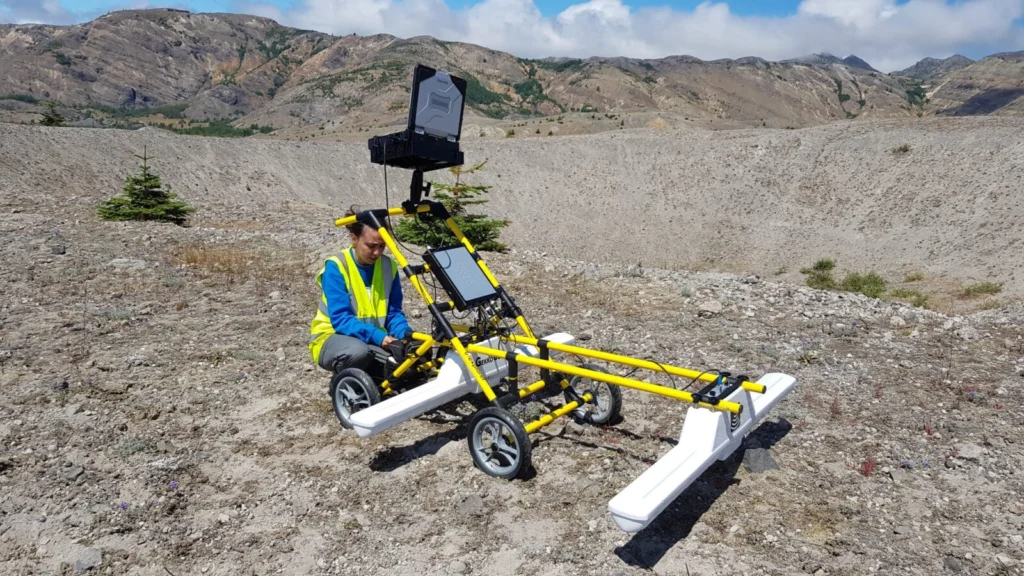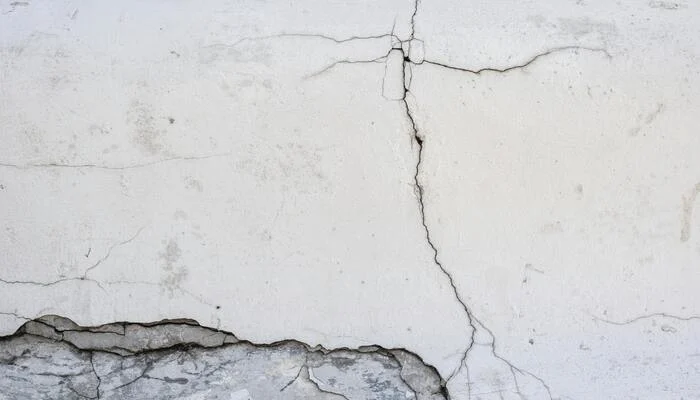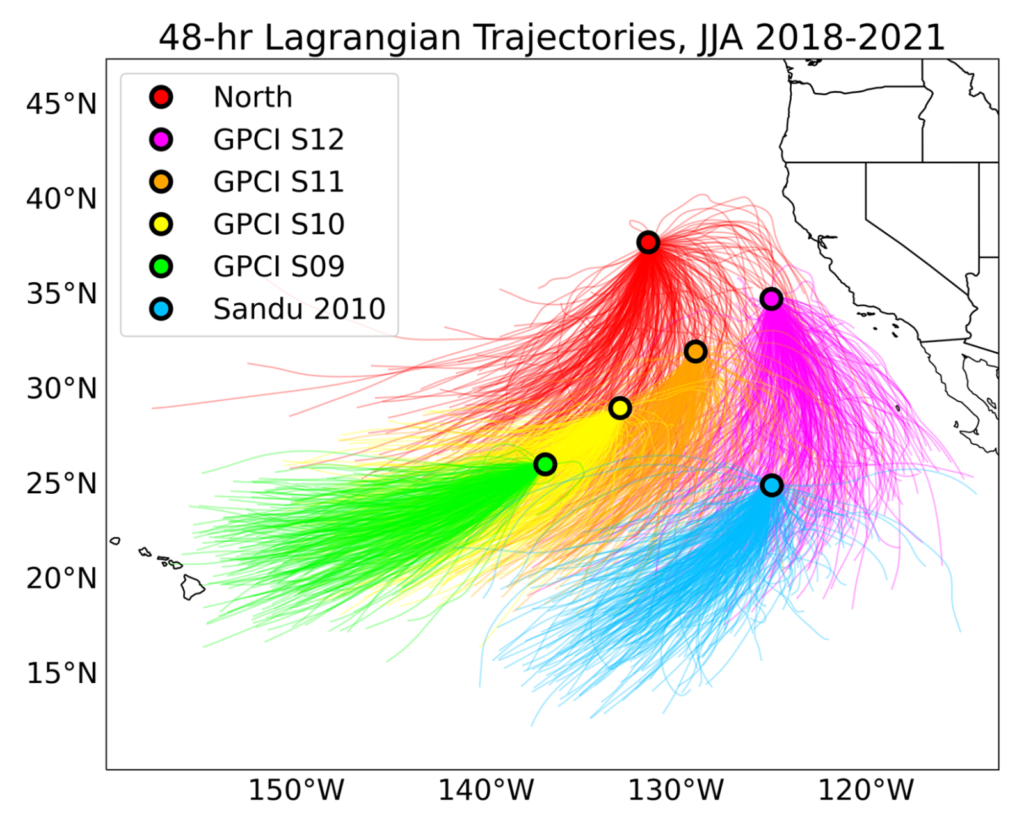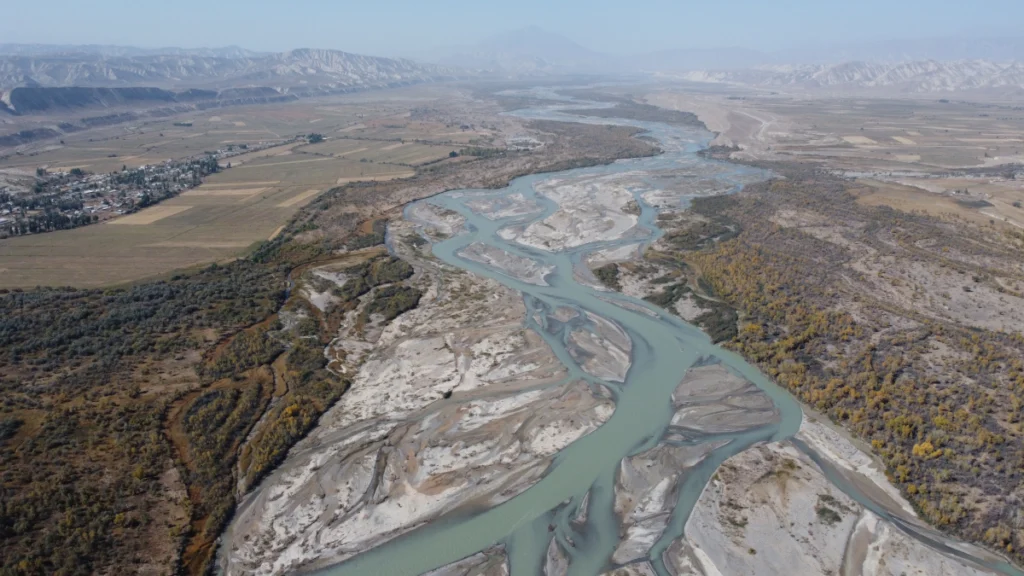
Intense rainfall lasting only a few hours is often enough to trigger natural hazards such as flash floods and landslides, leading to severe damage to infrastructure. These short-lived events are among the most dangerous natural hazards in the Mediterranean region, yet they are also among the hardest to study. Their small spatial scale and brief …[Read More]
5999 search results for "6"
If you didn't find what you were looking for, try searching again.
Solar-Terrestrial Sciences
Probing the Solar Wind with Spacecraft Radio Occultation Signals: Chasing a Unified Method to Probe the Sun
Introduction The solar wind, a continuous outflow of charged particles from the solar corona, plays a fundamental role in shaping the heliosphere and driving space weather. Its interaction with planetary magnetospheres and atmospheres regulates magnetospheric dynamics, influences atmospheric escape, and governs space weather hazards that can affect both space- and ground-based technologies. Despite over six …[Read More]
GeoLog
GeoRoundup: the highlights of EGU Journals published during January!
Each month we feature specific Divisions of EGU and during the monthly GeoRoundup we put the journals that publish science from those Divisions at the top of the Highlights section. During this month, we are featuring Planetary and Solar System Sciences (PS) and Earth and Space Science Informatics (ESSI). They are represented by the journals Geoscientific …[Read More]
Cryospheric Sciences
How Citizen Scientists mapped Arctic Permafrost
Cryosphere scientists know it well; the Arctic doesn’t give up its secrets easily. This is especially true when it comes to exploring permafrost -– frozen soils that store centuries of history underground. Keeping an eye on the state of permafrost is more important than ever, as widespread permafrost thaw is a direct result of rising …[Read More]
Geodesy
PhD abroad: Shuxian Liu
Doing a PhD is a challenge in itself. Doing it in another country, away from family and friends, is even harder. Handling the requirements of academia while adjusting to a new culture, language, and way of life can be overwhelming at times. But, doing a PhD abroad is not defined by challenges alone. A new …[Read More]
Biogeosciences
How to write a competitive MSCA Postdoctoral Fellowship
Demonstrating independence is a critical step when you pursue a career in academia: not only being excellent at executing research, but also showing you can shape ideas into a coherent project, choose the right environment, and lead work that matters. EU funding can be a strong catalyst for that transition, especially in the postdoc phase, …[Read More]
Solar-Terrestrial Sciences
Behind the Poster: Extending the Wave Telescope – An Interview with EGU 2024 Outstanding Student Paper Presentation (OSPP) Award Winner Leonard Schulz
1. Congratulations on your OSPP Award 2024! What was your initial reaction to winning, and how has it helped your career as an early-career scientist? I was very delighted and also proud that my work is recognized in this way. I also understood in hindsight why I had little time to breathe during my poster …[Read More]
GeoLog
Challenger: the lessons of a teacher who never reached space
Humankind’s development is often associated with facing challenges. The original ideas required to solve new problems keep pushing the power of human creation towards more sophisticated and practical solutions. However, part of the excitement of any challenge comes from the dangers of trying something that nobody has accomplished before. An example of technological advances driven …[Read More]
Geodynamics
The Sassy scientist – How I became 10x efficient with this simple trick?
Snowy days are here! Between two slides and snow ball (kind and consented) fights with colleagues, let’s see what’s in my mailbox… Well, this one is pretty topical, let’s go! Dear Sassy scientist, I think I lost all motivation for research but I need to work! What do I do? Please help me! My sweet …[Read More]
Stratigraphy, Sedimentology and Palaeontology
CSI: Sedimentology
INTRODUCTION Shows involving homicides and associated crime scene investigation (CSI) are among the most popular on television. The public is fascinated by the work that goes into collecting and analysing data from crime scenes in the field (Figure 1), whether it be DNA, wounds and bloodstains, footprints, tire tracks, or even evidence of arson. Skeletal …[Read More]