EGU Blogs

5989 search results for "6"

CL
Climate: Past, Present & Future

Inside the Baltic Sea N2O Hunt: Tracing Sources using Isotopic tools

Inside the Baltic Sea N2O Hunt: Tracing Sources using Isotopic tools

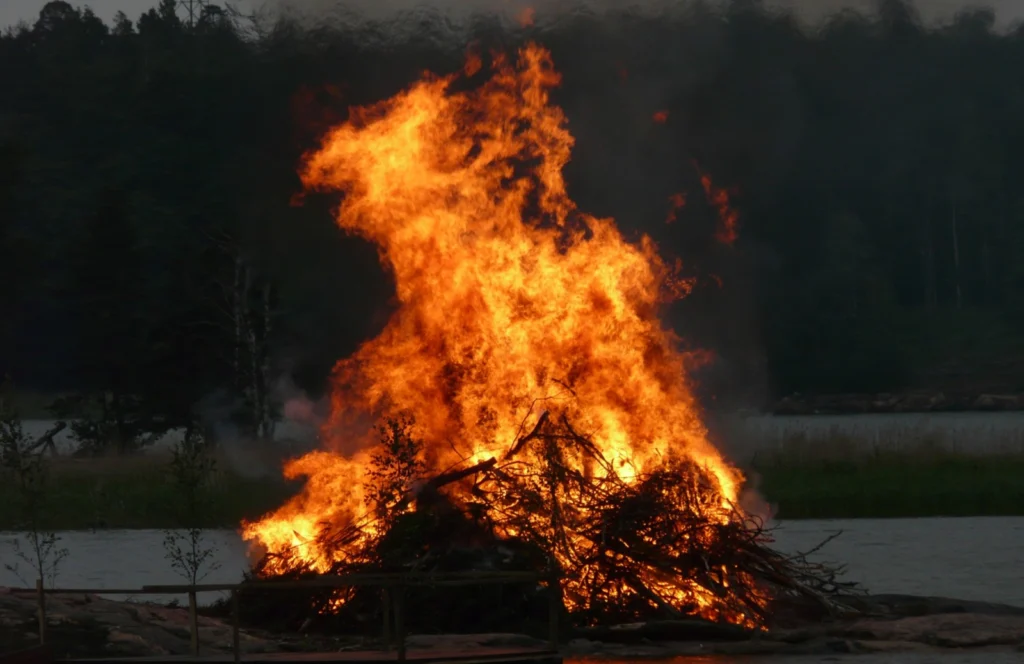
Nitrous oxide (N2O), commonly known as laughing gas, is one of the most important greenhouse gases, and its rise in the Anthropocene significantly contributes to global warming and depletion of stratospheric ozone. The marine environment, especially coastal and marginal seas, is an important (about 25%) contributor to the global atmospheric source of N2O. Nitrous oxide …[Read More]

AS
Atmospheric Sciences

Why “Perfect” Infrared Spectrometers Are a Myth – and Why That Matters for Atmospheric Measurements

Why “Perfect” Infrared Spectrometers Are a Myth – and Why That Matters for Atmospheric Measurements

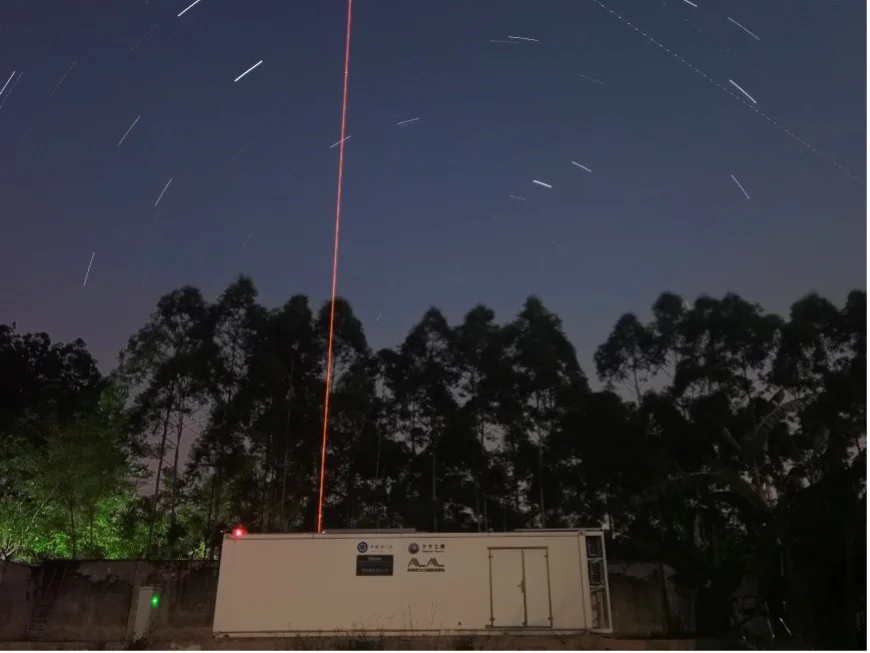
Modern atmospheric science relies on precise and stable measurements to understand how the composition of the atmosphere evolves over time. From air quality to climate-relevant trace gases, long-term observations are essential for identifying trends and detecting subtle changes. One of the key tools enabling such measurements is infrared spectroscopy, which allows scientists to identify and …[Read More]

ST
Solar-Terrestrial Sciences

ST-ECS Networking Campfire: “How to Mentor”

ST-ECS Networking Campfire: “How to Mentor”

In academia, success is often measured with quantifiable outputs such as publications, grants, and awards. On the other hand, the challenging road leading to this success is not something discussed openly. The relationship we build with our colleagues, the support and guidance we receive from mentors and supervisors are important factors affecting our success as individuals and as a community.  Mentors …[Read More]

SSS
Soil System Sciences

Is Soil Quality the same in all Conservation Agriculture Fields?

Soil degradation has become a major environmental concern. Today, 62% of European soils are affected by at least one degradation process, largely driven by land sealing and unsustainable farming practices (Mason et al. 2023; EUSO 2024). Conservation Agriculture (CA) is often promoted as a promising alternative, combining sustainable production with improved soil quality (Chabert et …[Read More]

GD
Geodynamics

What’s blobbing inside the Earth? – insights from numerical modelling

What’s blobbing inside the Earth? – insights from numerical modelling

Seismic waves tell us that something unusual is happening in the lowermost few hundred kilometers of Earth’s mantle. Beneath Africa and the Pacific lie two enormous thermochemical structures known as Large Low-Shear-Velocity Provinces (LLSVPs). These “large blobs” are slower to transmit shear waves, but beyond that, their physical nature remains one of the biggest open questions …[Read More]

ST
Solar-Terrestrial Sciences

On the correlation and interactions of space weather with biological indicators

On the correlation and interactions of space weather with biological indicators

1. Introduction Space weather is significantly affected by geomagnetic disturbances (GMDs) that occur during or after intense solar events such as coronal mass ejections (CMEs), which expel substantial amounts of electromagnetic particles into interplanetary space. Most of these particles collide with the magnetosphere (the outermost region of the atmosphere) where the solar wind (continuous flow …[Read More]

CR
Cryospheric Sciences

IGS: A Home for the Global Cryosphere

IGS: A Home for the Global Cryosphere

Like many glaciologists (in the broad sense – as in, cryospheric researchers, not just those who study glaciers!), my professional “home” has been the International Glaciological Society (IGS) ever since grad school; My first conference was an IGS branch meeting, I found my postdoc by networking at an IGS symposium, I have published work in …[Read More]