The severe flooding that has hit much of northern England during the last few weeks (and northeastern Scotland right now) has generated significant discussion and debate about why floods happen, how often they occur and what we can do about it. The fact is there’s no simple answer to any of these questions: the hydrometeorological …[Read More]
446 search results for "black in science"
If you didn't find what you were looking for, try searching again.
The best of Imaggeo in 2015: in pictures
Last year we prepared a round-up blog post of our favourite Imaggeo pictures, including header images from across our social media channels and Immageo on Mondays blog posts of 2014. This year, we want YOU to pick the best Imaggeo pictures of 2015, so we compiled an album on our Facebook page, which you can …[Read More]
Insights into the ocean crust and deep biosphere – ECORD Summer School 2015
Summer time as an early career geochemist can mean many things, to some it is vacation time, to others it is field season, and yet for others it is time to enroll in a summer school. ECORD, the European Consortium for Ocean Drilling, offers at least one summer school a year. If you work with …[Read More]
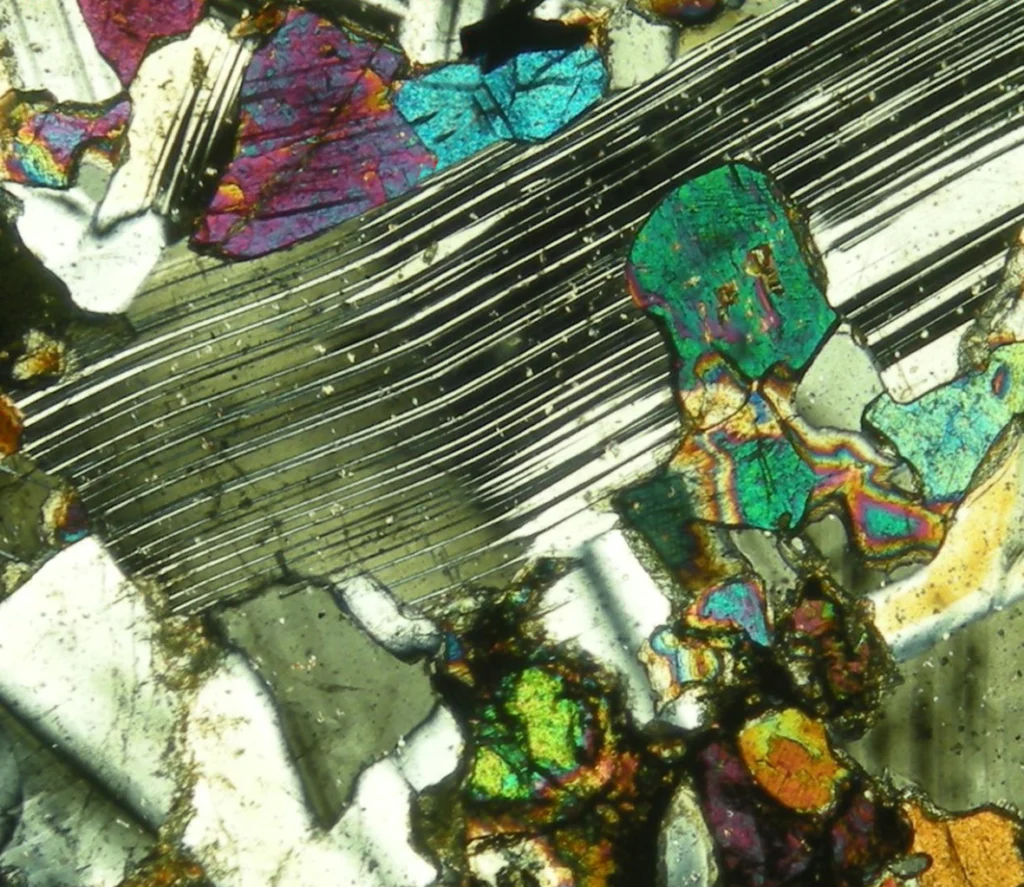
Imaggeo on Mondays: What a thin section has to say about the deformation of the Zagros Mountains
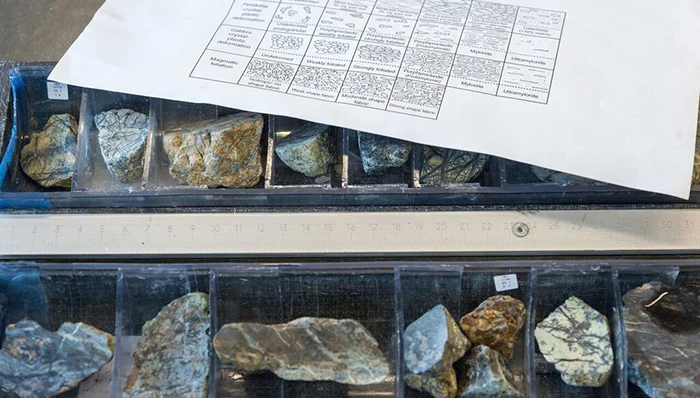
The impressive Zagros Orogeny, as seen from a bird’s-eye view, has featured on Imaggeo on Monday’s blog posts a few times recently. From its fluvial dissection features, through to a false colour LANDSAT 7 image which reveals a velociraptor hiding among fold and thrusts, we’ve looked at the broad scale structures which shape the Zagros …[Read More]
Guest Post: Jeremy Bennett – Approaches to modelling heterogeneity in sedimentary deposits
Hello everyone. Great that you could make it out to my blog post. I would like to introduce you to some ideas about environmental modelling that I have recently discovered during my work. These ideas are from this paper by Christine Koltermann and Steven Gorelick back in 1996. Whilst the primary focus of their paper …[Read More]
Turning unproductive soil into profits
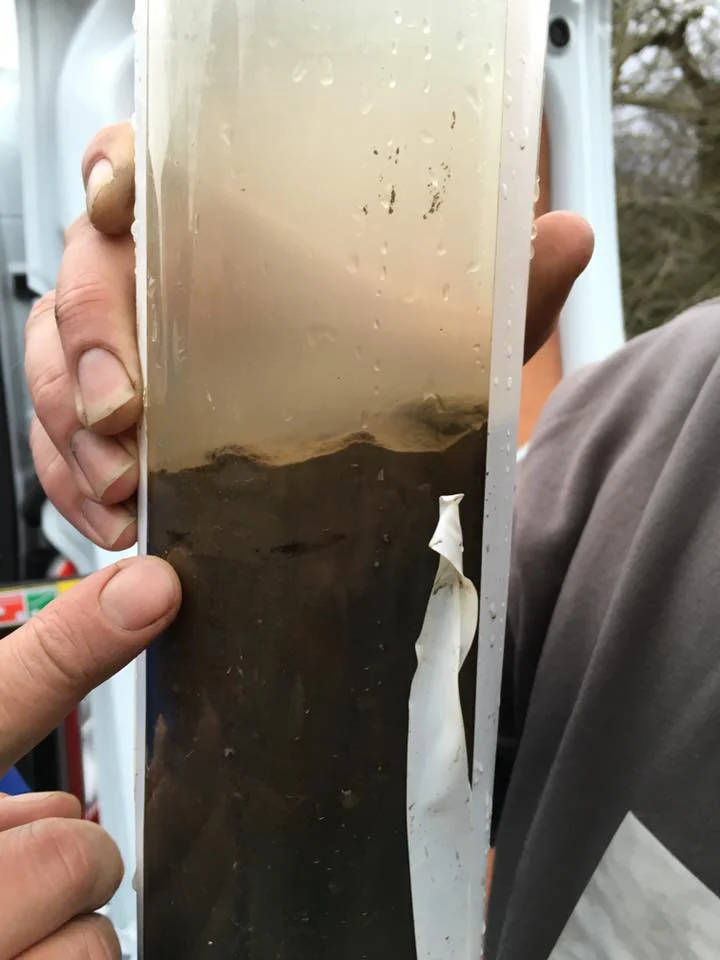
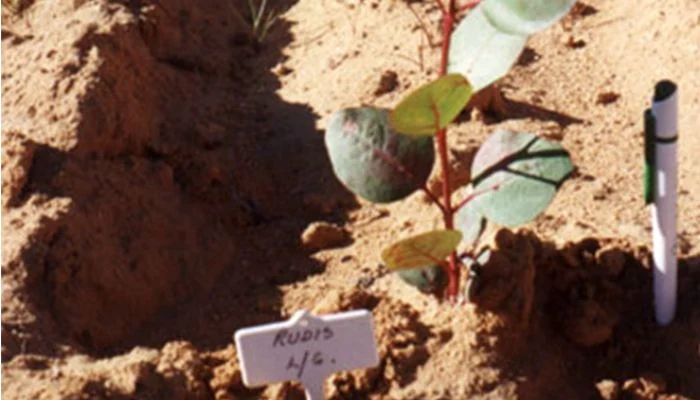
Preeti Roychand La Trobe University AgriBio Centre for AgriBioscience Melbourne, VIC, Australia Sandy soils in Western Australia are bad soils for growing plants due to their poor nutrients and water holding capacity (see an example in Figure 1). In general, these soils are water repellent, which leads to land degradation by increasing soil erosion risk and …[Read More]
Imaggeo on Mondays: Velociraptor in the Zagros Mountains
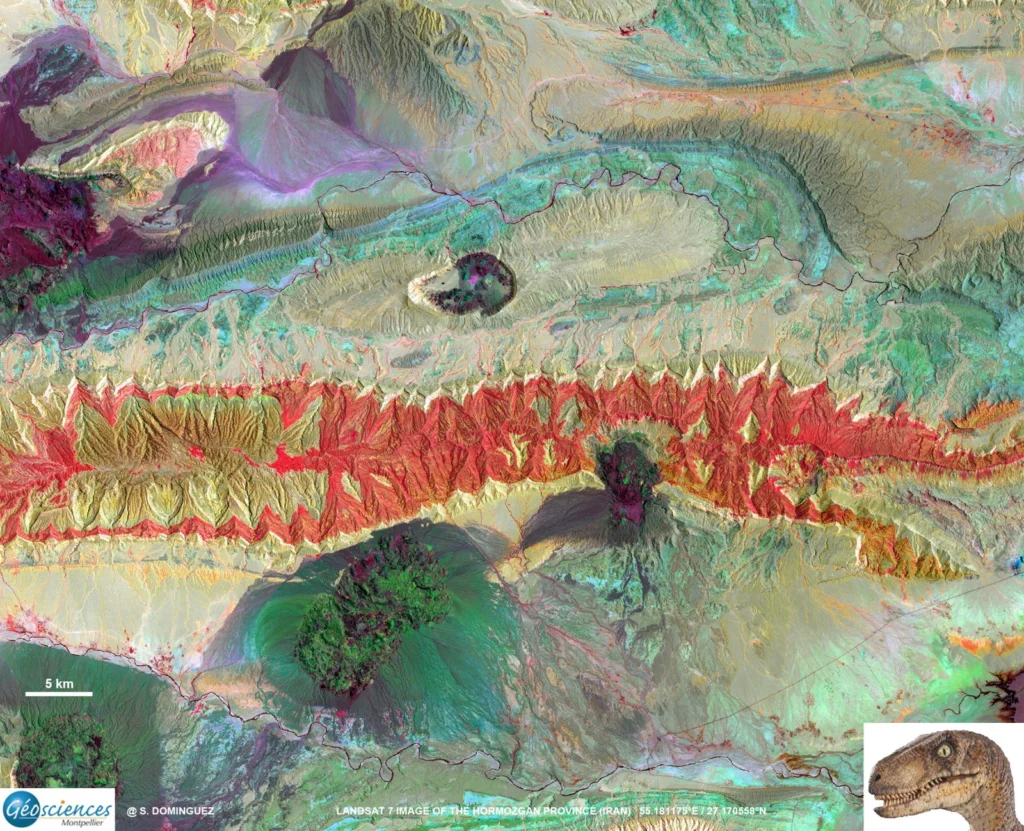
How many times have you turned your head up to the sky and spotted familiar shapes in the clouds? Viewing structures from afar can reveal interesting, common and, sometimes, funny patterns. Satellite images are often used to map geological terrains. They offer a bird’s eye view of the planet and the opportunity to see broad …[Read More]
Imaggeo on Mondays: Sunset over the Labrador Sea
Ruby skies and calm waters are the backdrop for this week’s Imaggeo image – one of the ten finalist images in this year’s EGU Photo contest. “I took the picture while on a scientific cruise in West Greenland in 2013,” explains Christof Pearce, a postdoctoral researcher at Stockholm University. “We spent most of the time …[Read More]
GeoTalk: Meet Andi Rudersdorf, winner of I’m a Geoscientist 2015!
Earlier this year we ran the second I’m a Geoscientist event, an online chat-based game show in which school kids vote for their favourite geoscience communicators. In this week’s GeoTalk, Laura Roberts talks to Andi Rudersdorf, a neotectonics PhD student and winner of this year’s I’m a Geoscientist… First, for those who didn’t been following …[Read More]
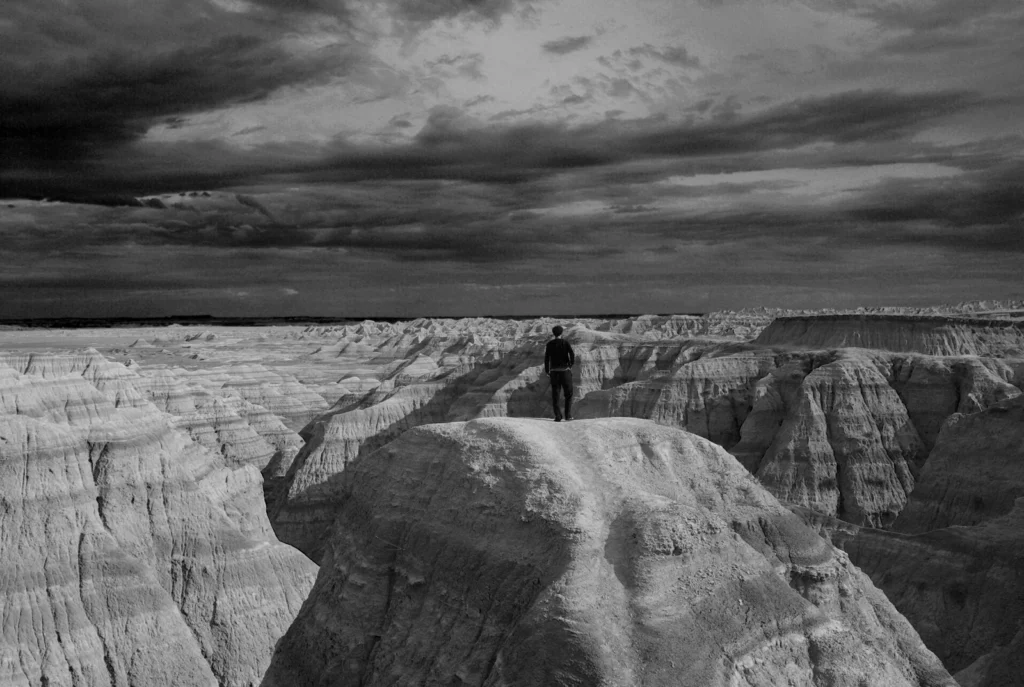
Imaggeo on Mondays: A voyage through scales – The Badlands National Park, South Dakota.
Layer upon layer of sand, clay and silt, cemented together over time to form the sedimentary units of the Badlands National Park in South Dakota, USA. The sediments, delivered by rivers and streams that criss-crossed the landscape, accumulated over a period of millions of years, ranging from the late Cretaceous Period (67 to 75 million …[Read More]