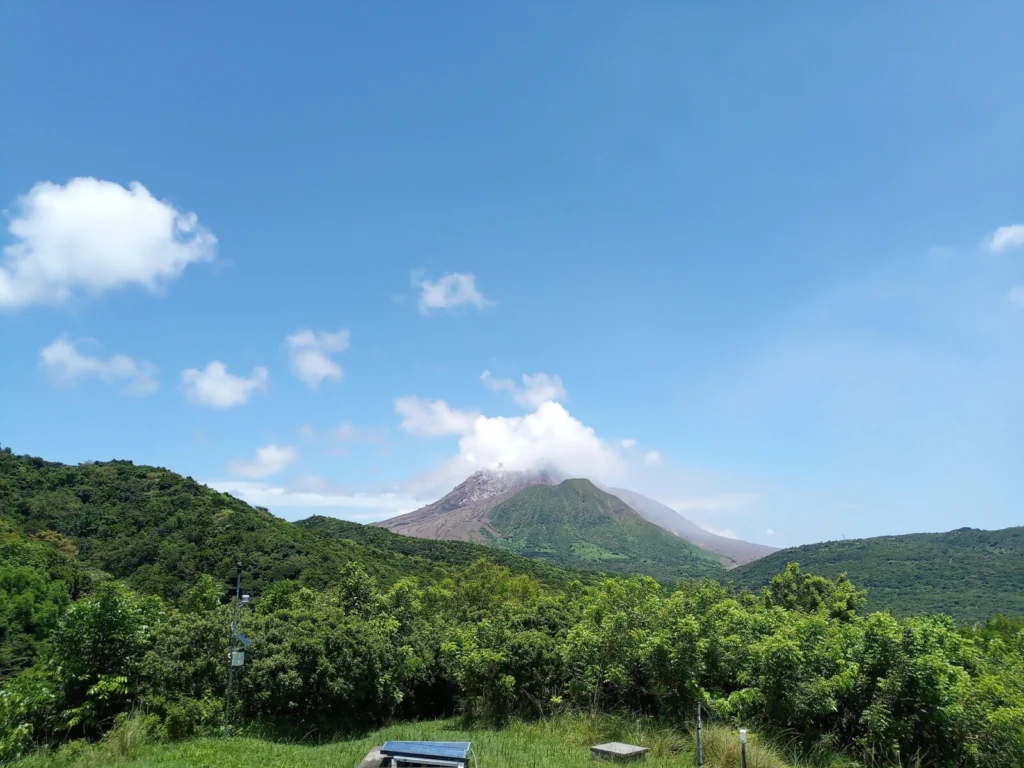
In 1995, the Caribbean Island of Montserrat was shaken by the beginning of one of the most significant volcanic eruptions in recent history: one that profoundly changed the natural, social and economical landscape of the country. Three decades later, Soufrière Hills Volcano and its legacy of destruction still shape the lives of Montserrat’s people. Join …[Read More]
1727 search results for "network"
If you didn't find what you were looking for, try searching again.
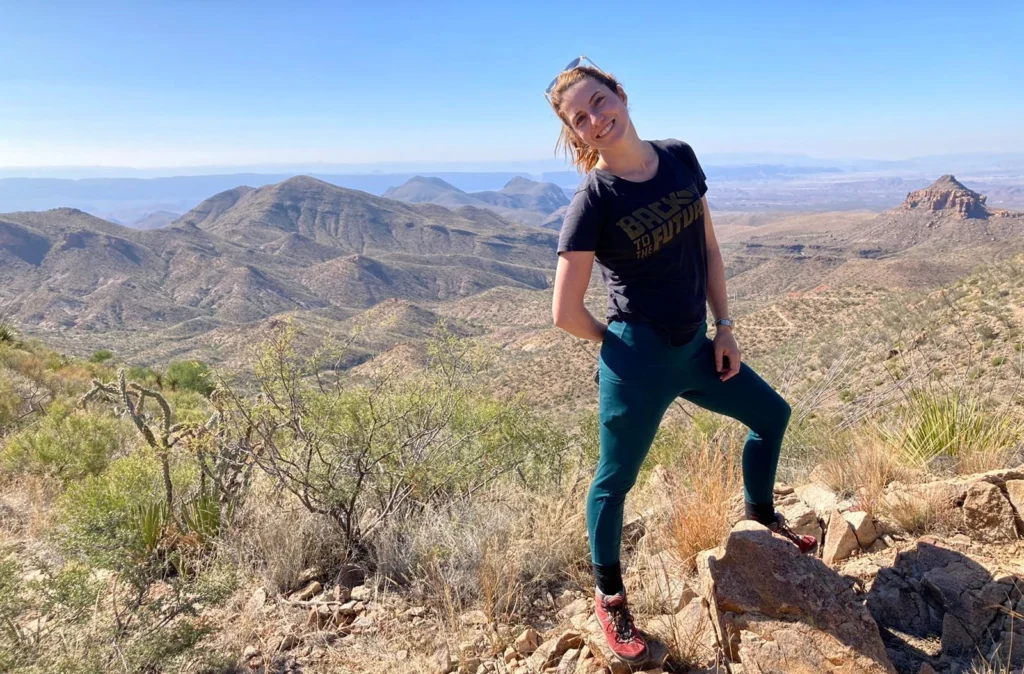
GeoTalk: Adriano Sofo, soil chemist and microbiologist, National Geographic Explorer, and EGU Biodiversity Task Force member
Adriano, welcome to GeoTalk! As an Associate Professor of Agricultural Chemistry and Plant Biology, you work a lot on microbiology and chemistry related to soil management. Can you tell us a bit about how your work is relevant for society? Thank you, Chloe! It is a pleasure. My research in soil chemistry and microbiology directly …[Read More]
EGU Campfire Geodesy – Share Your Research – Eighth Edition
We are finally back with the 8th edition of Geodesy Campfire – Share Your Research. The Geodesy EGU Campfire Events “Share Your Research” give (early career) researchers the chance to talk about their work. We have two exciting talks; one by Leire Retegui-Schiettekatte and the other by Vipin Kumar Maurya. Below you can find detailed …[Read More]
Open flood modelling: Real time inundation and human displacement forecasting is now possible!
Floods are powerful natural events that can wreak havoc on communities and ecosystems. Every year, millions of people are affected by floods, leading to loss of life, damage to homes, and disruption of daily life. This blog post explores a new method for quickly mapping flood zones and predicting their impacts. To help communities and …[Read More]
What I wish someone told me early in my career: meet Chloe Hill, our Policy Manager
‘What I wish someone told me early in my career’ is a new Geolog series that aims to provide valuable insights and guidance to early-career professionals within the European Geosciences Union (EGU) community. Each month, I will interview a staff member of EGU to share their personal career journey, experiences, challenges faced, and the tips …[Read More]
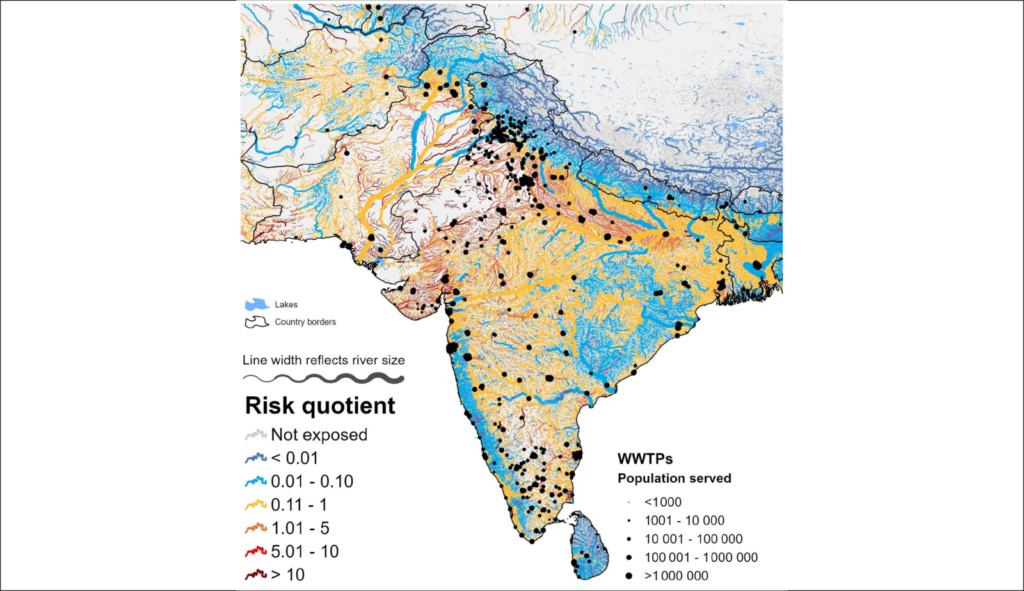
Here is how HydroFATE, a new high-resolution model, is predicting contaminant hotspots in global waterways
Ever wonder what happens to the chemicals and medications we use once they go down the drain? The fourth Sunday of September each year marks the World Rivers Day, and this post is dedicated to our global rivers and what humankind can do to preserve our waters. This is because pharmaceuticals and household products, even …[Read More]
Higher Education Resource: Project Design for Research and Community Projects
The European Geosciences Union (EGU) supports bringing science into the classroom at all learning levels, from schools to universities. Since the Higher Education Teaching grant programme launched in 2020, EGU has funded 24 projects to develop useful and freely available geoscience resources to university educators. This blog is part of a series of blogs highlighting …[Read More]
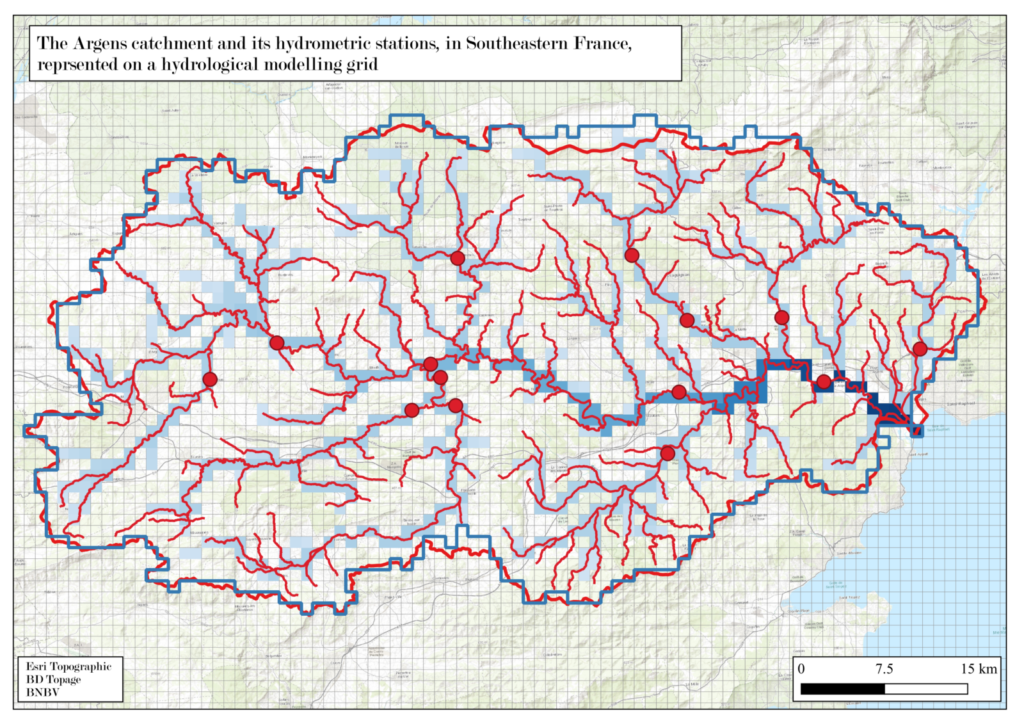
Which pixel represents my gauging station? Tackling an essential issue in gridded hydrology
Do you know how scientists predict and analyse river flows using computer models? In this blog, Juliette Godet explores the tricky task of matching real-world river measurement points to grid cells in these models. Picture a giant digital map of a river basin, divided into grid squares, and a real-life gauge that measures river flow …[Read More]
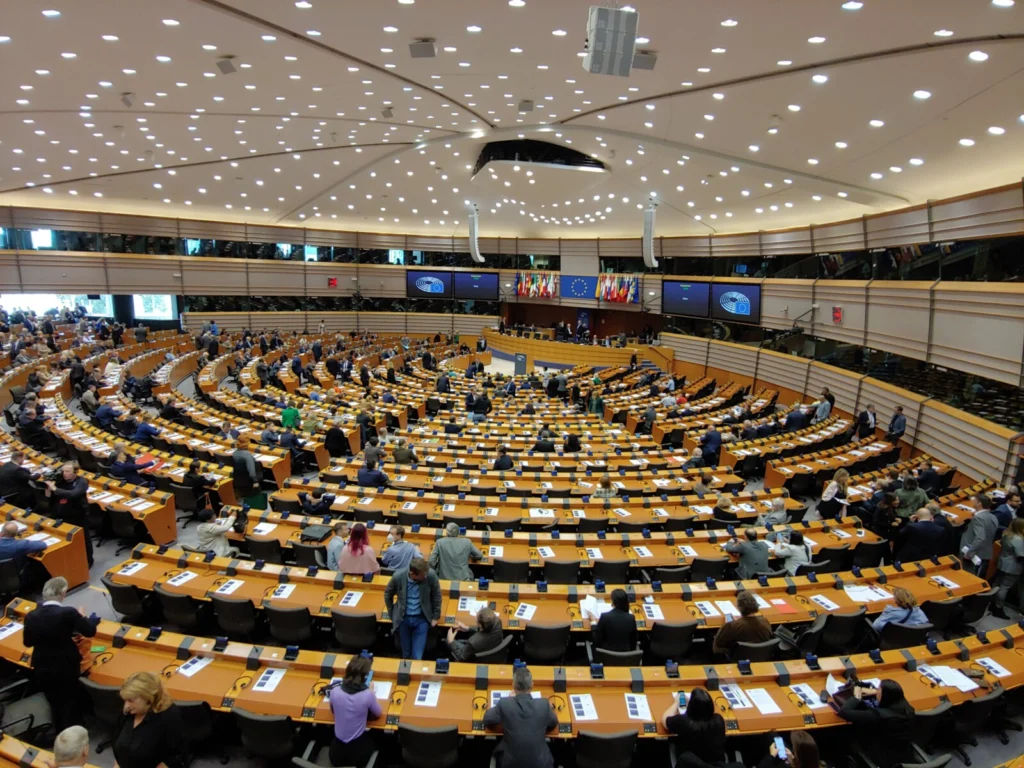
GeoPolicy: Exploring the European Parliament with last year’s Science-Policy Pairing Scheme candidates
Each year, the EGU’s Science-Policy Pairing Scheme offers selected EGU members the opportunity to experience life inside the European Parliament. This Pairing Scheme aims to promote evidence-informed policymaking, provide the scientists involved with insights about how Members of the Parliament (MEPs) use research in their decision-making, and encourage stronger science-policy partnerships! For this month’s blog …[Read More]
Cultural heritage: an overlooked yet critical aspect of climate change
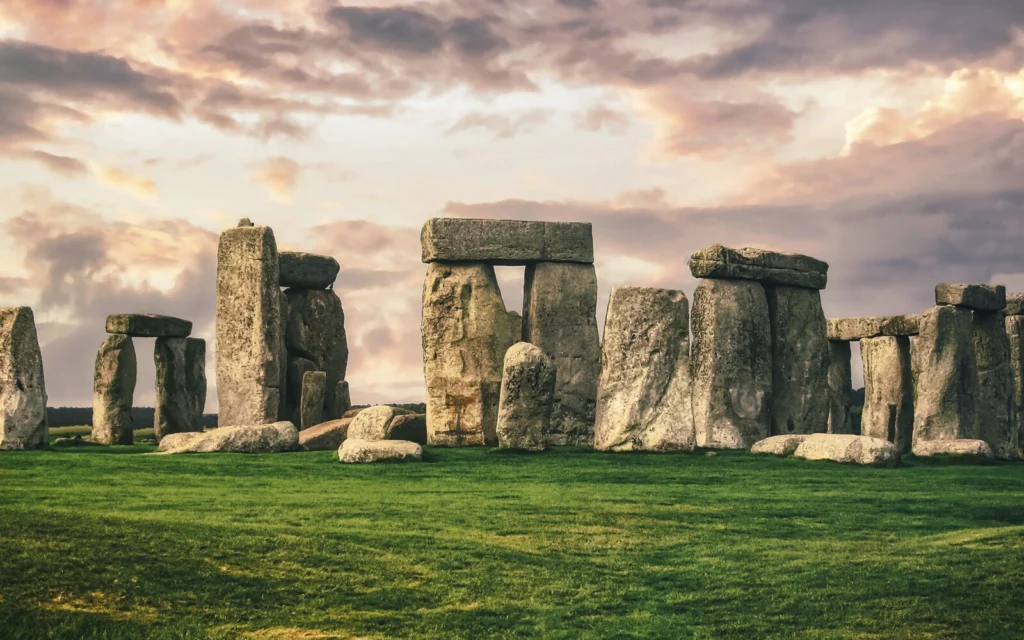
In June 2024, climate activists sprayed Stonehenge orange, demanding urgent action from the British government to phase out fossil fuel. This divisive act evoked a destructive yet often overlooked impact of climate change: the damage and destruction of cultural heritage. We are losing our cultural heritage at an unprecedented speed and scale to climate change, …[Read More]