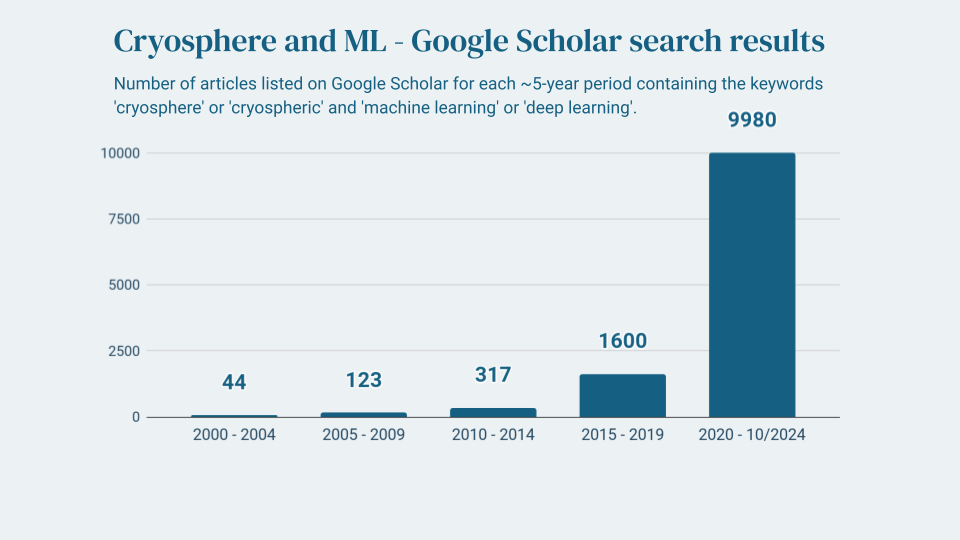
Recently, Machine Learning (ML) has emerged as a powerful tool within cryospheric sciences, offering innovative and effective solutions for observing, modelling and understanding the frozen regions of the Earth. From learning snowfall patterns and predicting avalanche dynamics to speeding up the process of modelling ice sheets, ML has transformed cryospheric sciences and bears …[Read More]
1727 search results for "network"
If you didn't find what you were looking for, try searching again.
How to Promote Your EGU25 Session
Since October 23rd, abstract submissions for EGU25 are officially open! For session conveners, this is a critical phase and promoting your session is crucial. If you are co-convening a “traditional” session on a large topic that is run every year you might be inundated with abstracts already now or shortly before the deadline. However, many …[Read More]
October 2024 floods in the Valencia region, Eastern Spain: One example too many of hazardous debris
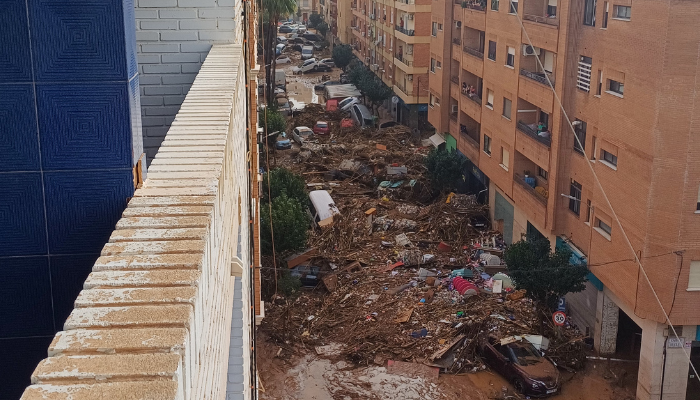
The recent devastating flash floods in Valencia region, Eastern Spain, have once more highlighted the role of large debris in enhancing urban flood hazard. Urban debris – so-called Urban Flood Drifters (UFDs) – are very varied as shown by a recent survey. They include vehicles, deadwood, waste bins, containers of many types, construction materials, and …[Read More]
EGU Campfire Geodesy – Share Your Research – Ninth Edition
We are excited to announce the 9th edition of Geodesy Campfire – Share Your Research in November. The Geodesy EGU Campfire Events “Share Your Research” give (early career) researchers the chance to talk about their work.We have two exciting talks by our guest speakers Roland Hohensinn and Bjarke Nilsson. Below you can find the details …[Read More]
Moving the needle: Celebrating progress as a Black woman geoscientist in the UK
Ever since I was eight and fascinated by how rocks were formed, I dreamed of being a geoscientist. Growing up in Nigeria, I was captivated by rocks as nature’s storytellers—from how rivers shaped our landscapes to how oil could be extracted from deep beneath the Earth. This passion fueled my ambition to become a geoscientist …[Read More]
What I wish someone told me early in my career: meet Simon Clark, our Projects Manager
‘What I wish someone told me early in my career’ is a new Geolog series that aims to provide valuable insights and guidance to early-career professionals within the European Geosciences Union (EGU) community. Each month, I will interview a staff member of EGU to share their personal career journey, experiences, challenges faced, and the tips …[Read More]
Ada Lovelace Poster Awardees
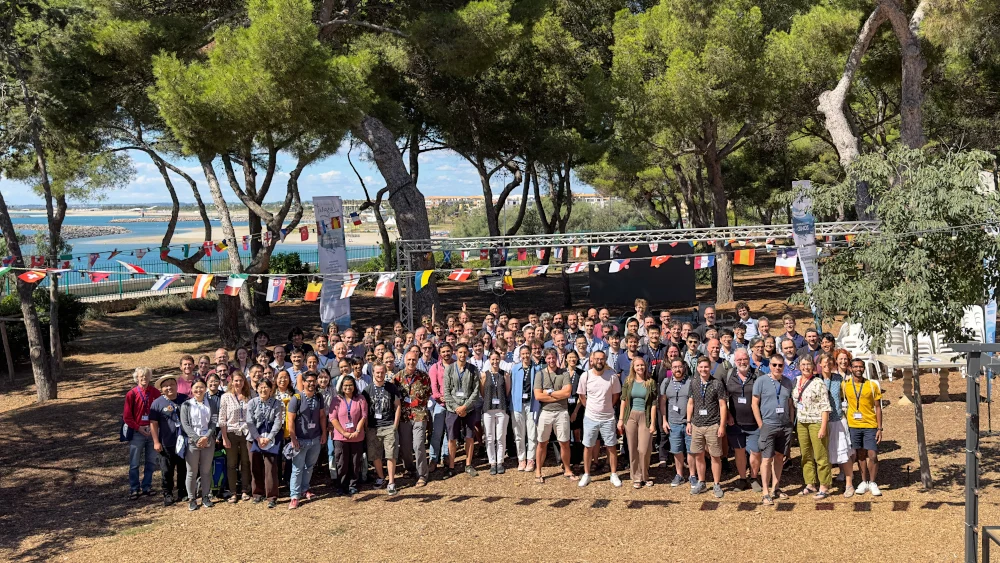
Ada Lovelace Poster Awardees A new edition of the Ada Lovelace workshop took place this year in Sète (1-6 septembre 2024), in the exceptional setting of the Domaine du Lazaret by the Mediterranean Sea. Sincere thanks go to Fanny Garel, Catherine Thoraval, and all the Montpellier team for the excellent organization of this event. This …[Read More]
Friedrich Barnikel reflects on the final Geoscience Information For Teachers workshop in Cape Town
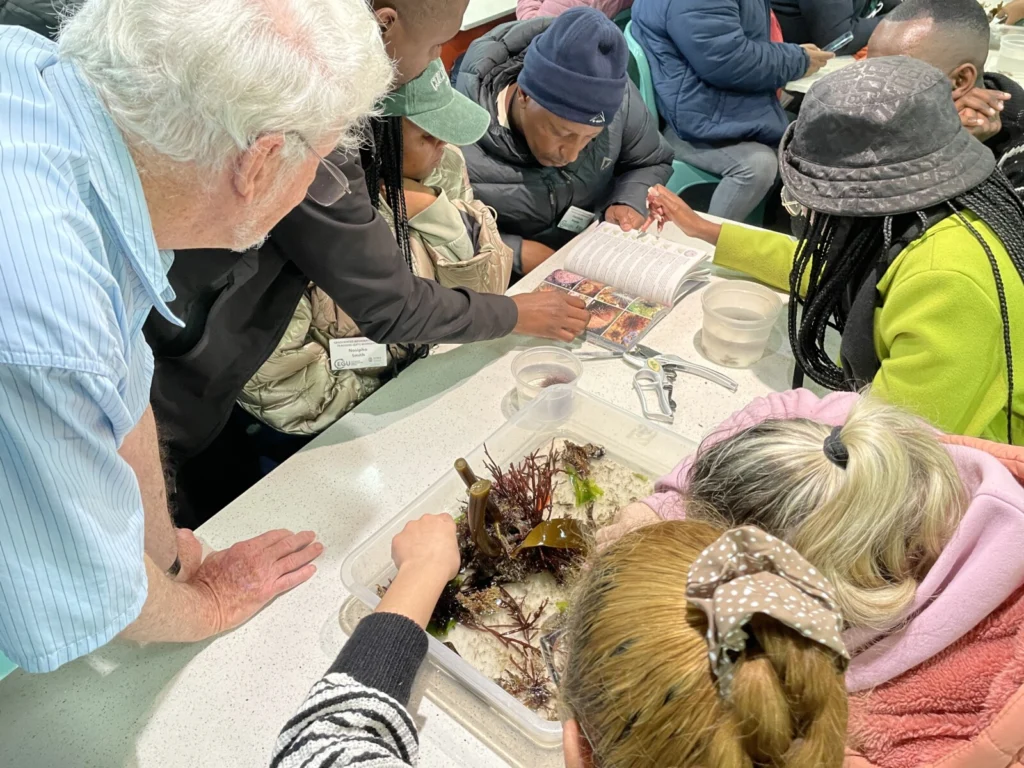
The final edition of the capacity building Geoscience Information For Teachers (GIFT) workshop was held this year in Cape Town, South Africa. This three-year programme, an initiative by the EGU Education Committee, brought together local teachers and scientists to build a sustainable, long-term workshop series and network for teacher training in geoscience education. The 2024 …[Read More]
World Mental Health Day 2024 with a focus on workplace
Friday the 10 October, was World Mental Health Day, a day that was founded by the World Federation for Mental Health (WFMH) in 1992. This year’s official theme focuses specifically on mental health in the work environment. So let’s take a look at what this means for the field of academia and the cryosphere specifically. …[Read More]
The Alarming Decline in Ocean CO2 Observations
„observations not taken today are lost forever.“ (Wunsch et al., 2013) The Critical Need for CO2 Measurements Imagine the ocean as a giant lung, breathing in carbon dioxide (CO2) and helping to keep our planet cool. It absorbs about 25% of the CO2 emissions from human activities, playing a crucial role in mitigating the pace …[Read More]