EGU Blogs

2110 search results for "researcher"

HS

Passing the French Concours for a Permanent Research Position: Joining an Interdisciplinary Research Unit on Water and the Global South

Passing the French Concours for a Permanent Research Position: Joining an Interdisciplinary Research Unit on Water and the Global South

For most early-career hydrologists, securing a permanent position as a researcher or assistant professor is a major aspiration. Yet, with the proliferation of short-term contracts, achieving this goal has become increasingly challenging. In France, the academic system still offers an annual opportunity for young hydrologists and hydrogeologists to obtain such positions, even though the process …[Read More]

BG

Working in industry during your PhD

Working in industry during your PhD

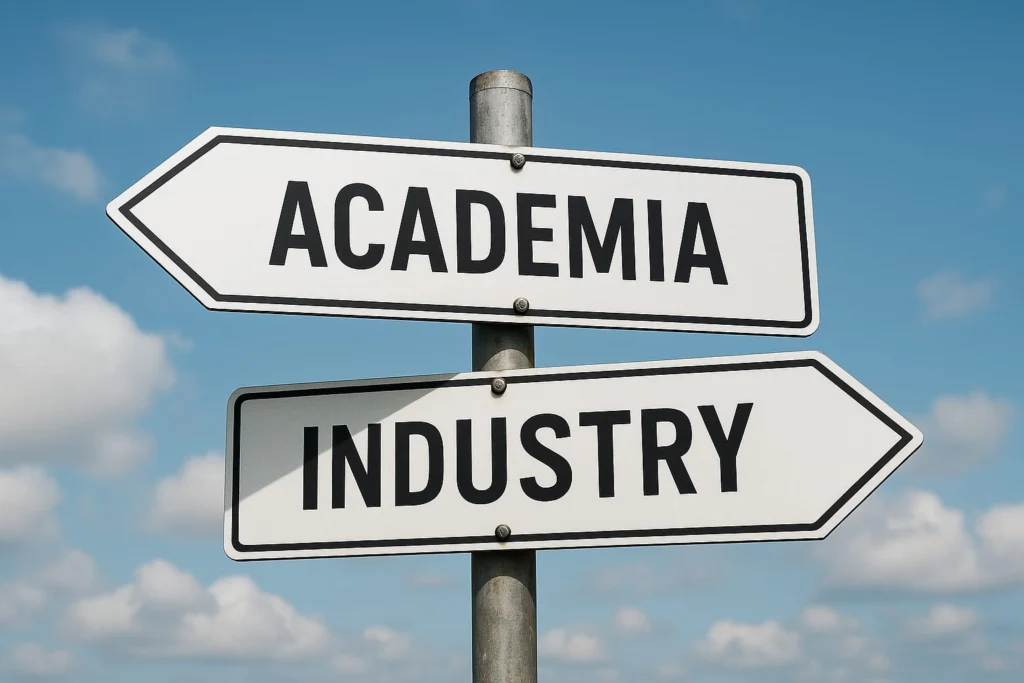
A guide for early career researchers exploring opportunities beyond academia Pursuing a PhD often starts with the assumption that your next step will be a postdoc, followed by a tenure-track position. But, for a number of reasons, many early career researchers are starting to look beyond academia. Industry careers represent an appealing alternative as they …[Read More]

TS

Geomythology. True science and/or strong communication medium ?!

Geomythology. True science and/or strong communication medium ?!

Geomythology is a relatively recent term, coined by Dorothy B. Vitaliano in 1966. It represented the birth of what will become a new multidisciplinary approach, aimed not only at explaining the geological meaning of natural phenomenon behind long-told folklore (myths and legends), but also at bridging the communication gap between scientists and non-scientists (Vitaliano, 1973). …[Read More]

SSP

Introducing the TIMES initiative

Introducing the TIMES initiative

TIMES is the acronym of a large-scale international science initiative “Time Integrated Matrix for Earth Sciences” (Link: https://www.codd-home.net/times/). The idea is to launch a global program with the aim of synchronizing age models for particularly important geological climate records from the past 100 million years. The motivation for this program is given in a white …[Read More]

OS

Call for input: A Fisherman’s Guide to Marine Carbon Dioxide Removal

Call for input: A Fisherman’s Guide to Marine Carbon Dioxide Removal

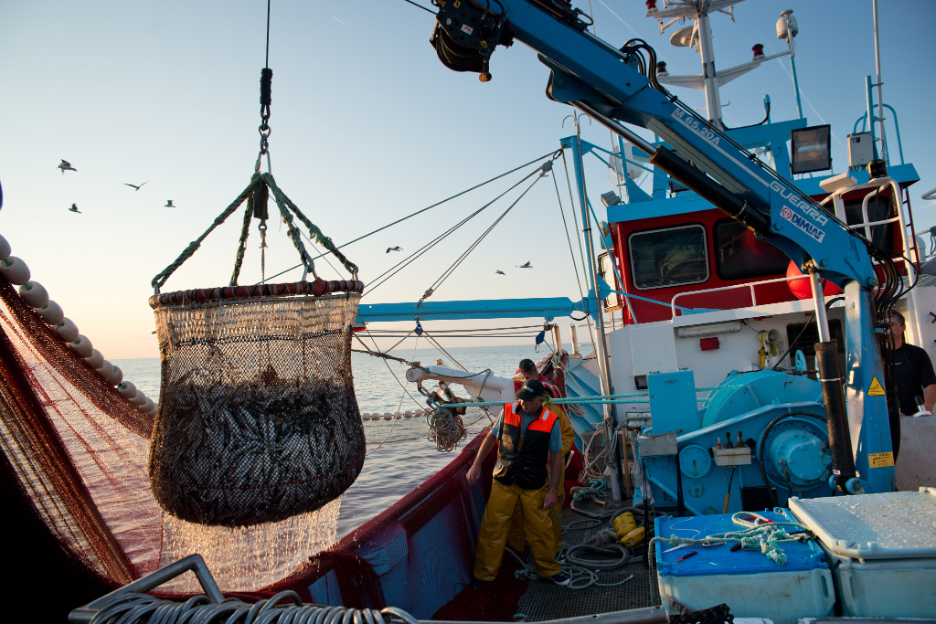
As climate change continues to reshape our oceans, science communication remains vital to the research and development of mitigation strategies. For scientists and engineers working on climate solutions, much of the conversation happens through technical papers, conference presentations, and policy memos. But invested communities outside these circles may have little access and limited time to …[Read More]

NH

Disaster Risk Reduction in Humanitarian Action – An interview with Gözde Kazaz from Hayata Destek (Support to Life)

Disaster Risk Reduction in Humanitarian Action – An interview with Gözde Kazaz from Hayata Destek (Support to Life)

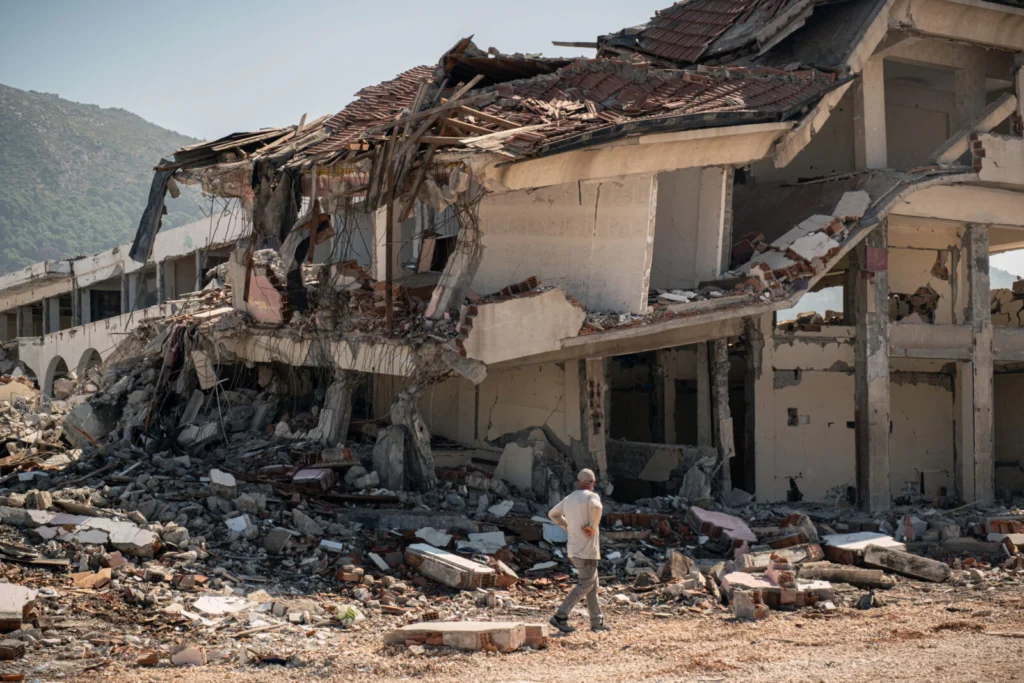
This summer, we participated in a Service-Learning course titled “Breaking the Cycle of Disaster, Response, Recover, and Repeat”. The course was developed by Solmaz Mohadjer and offered as part of the Transdisciplinary Course Program at the University of Tübingen, Germany. We were brought together from different disciplines to explore key factors that contribute to effective …[Read More]

GD

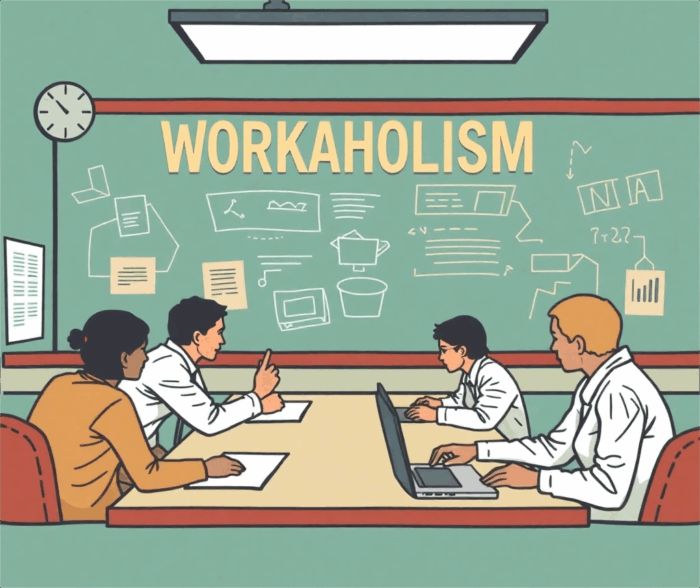
The hidden effects of academic excellence: workaholism in Academia

The hidden effects of academic excellence: workaholism in Academia

Years have passed since I started my academic career, and I have come to realise that, in academia, excellence appears to come with a price tag. Stress and pressure have become commonplace for academics, often normalising certain behaviours such as workaholism. This essay explores how workaholism have become a common practice in these working environments. It was …[Read More]

HS

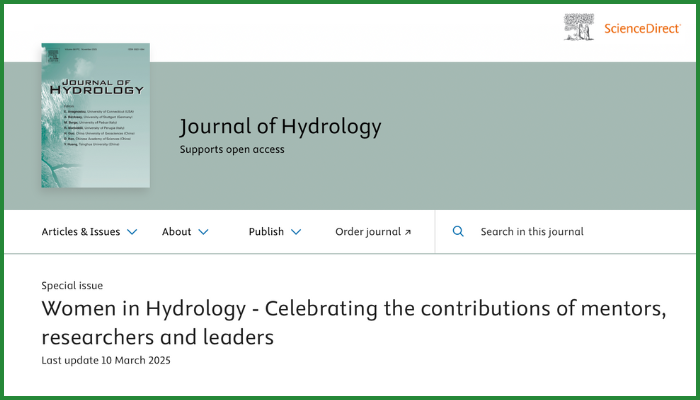
Women in Hydrology – The Story of a Special Issue

Women in Hydrology – The Story of a Special Issue

It was 2021, and we were not feeling good.  COVID-19 was in full force.  Personally we were experiencing lockdown conditions, disruptions to our work, schooling and childcare arrangements.  Our social media feeds were lighting up with stories about how women scientists were disproportionately exposed to the negative career impacts of the pandemic.  The US was …[Read More]