TIMES is the acronym of a large-scale international science initiative “Time Integrated Matrix for Earth Sciences” (Link: https://www.codd-home.net/times/). The idea is to launch a global program with the aim of synchronizing age models for particularly important geological climate records from the past 100 million years. The motivation for this program is given in a white …[Read More]
1727 search results for "network"
If you didn't find what you were looking for, try searching again.
Disaster Risk Reduction in Humanitarian Action – An interview with Gözde Kazaz from Hayata Destek (Support to Life)
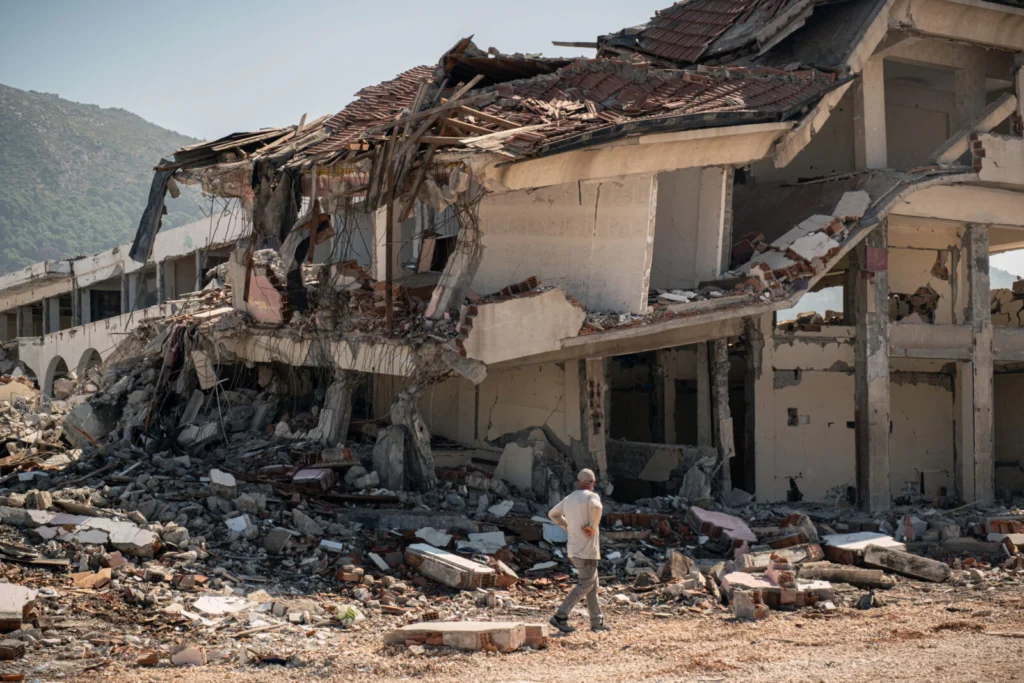
This summer, we participated in a Service-Learning course titled “Breaking the Cycle of Disaster, Response, Recover, and Repeat”. The course was developed by Solmaz Mohadjer and offered as part of the Transdisciplinary Course Program at the University of Tübingen, Germany. We were brought together from different disciplines to explore key factors that contribute to effective …[Read More]
EGU Campfire Geodesy – Share Your Research – 13th Edition
We are excited to announce the 13th edition of Geodesy Campfire – Share Your Research in November. The Geodesy EGU Campfire Events “Share Your Research” give (early career) researchers the chance to talk about their work. We have two exciting talks by our guest speakers, Maciej Michalczak and Alex Lăpădat. Below, you can find the …[Read More]
Navigating the tides of change: A strategic foresight into a post-petroleum future by 2040
Today, as we mark the anniversary of the Organization of the Petroleum Exporting Countries (OPEC), founded in Baghdad on September 14, 1960, by five oil-producing nations: Saudi Arabia, Iran, Iraq, Kuwait, and Venezuela, and with the European Union setting ambitious climate targets for 2040 , the global energy landscape stands at a critical juncture. A …[Read More]
Is the climate crisis also a literacy crisis? Time to move from data dumping to co-creating knowledge with communities
Today, September 8th, marks International Literacy Day with the theme “Promoting literacy in the digital era”, so it’s a moment to pause and consider the multifaceted nature of literacy. Beyond the foundational ability to read and write, literacy encompasses the capacity to comprehend, evaluate, and apply information within various contexts. It is this broader understanding …[Read More]
TS Must-Read – Fossen and Cavalcante (2017): Shear zones – A review
Haakon Fossen and Geane Carolina G. Cavalcante published their seminal review on the topic of shear zones in 2017 in the journal Earth-Science Reviews. The work summarizes the scientific findings on the development and quantification of ductile shear zones sincefrom the the 1960s up to recently. It describes the fundamental aspects of the initiation and …[Read More]
Introducing the blog team 2025-2026
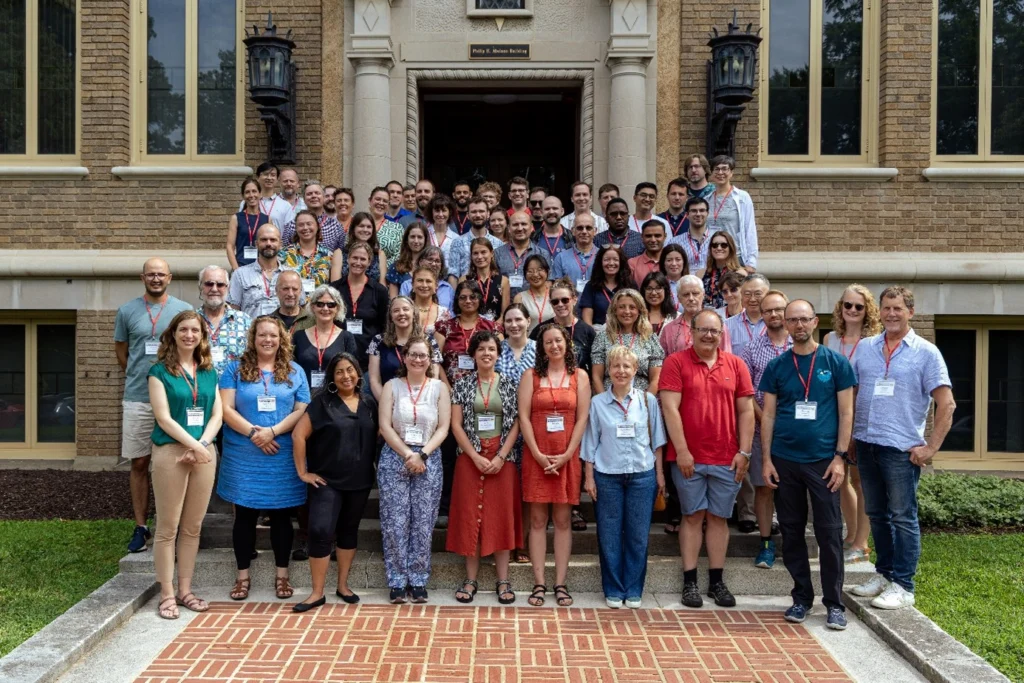
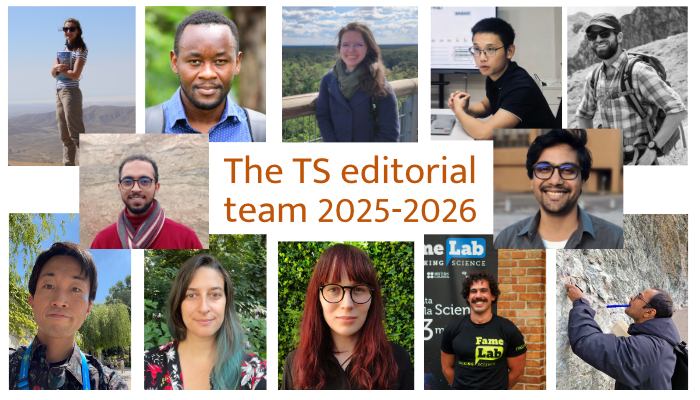
For many of you September means back to school, for us September means the return of the blog. Behind the scene this summer, the bright new editorial team prepared fresh blog posts to share with the community. We are very excited to welcome the new editors, happy to start their blog adventure. The 2025-2026 team …[Read More]
Microbial Adventures in the Mont Blanc Massif
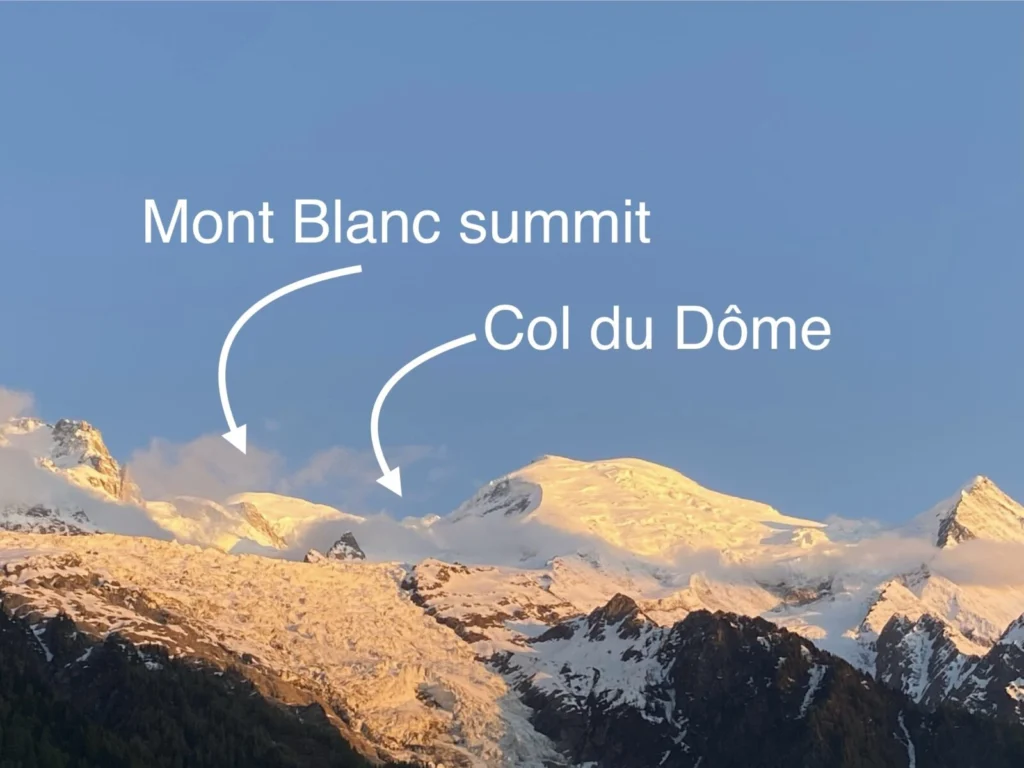
As we passed the town of Saint-Gervais-Les-Bains on the French highway, en route to a sampling campaign, Mont Blanc’s glaciated terrain suddenly emerged above the spring foliage. Breaking the silent awe, Patrick remarked that indeed, “Mont Blanc is still there.” The humor won’t be lost on anyone familiar with the massif. Its unquestionable, human-minimizing presence …[Read More]
From Theory to Impacts: Nonlinear Perspectives on Weather Extremes at UNDERPIN#2
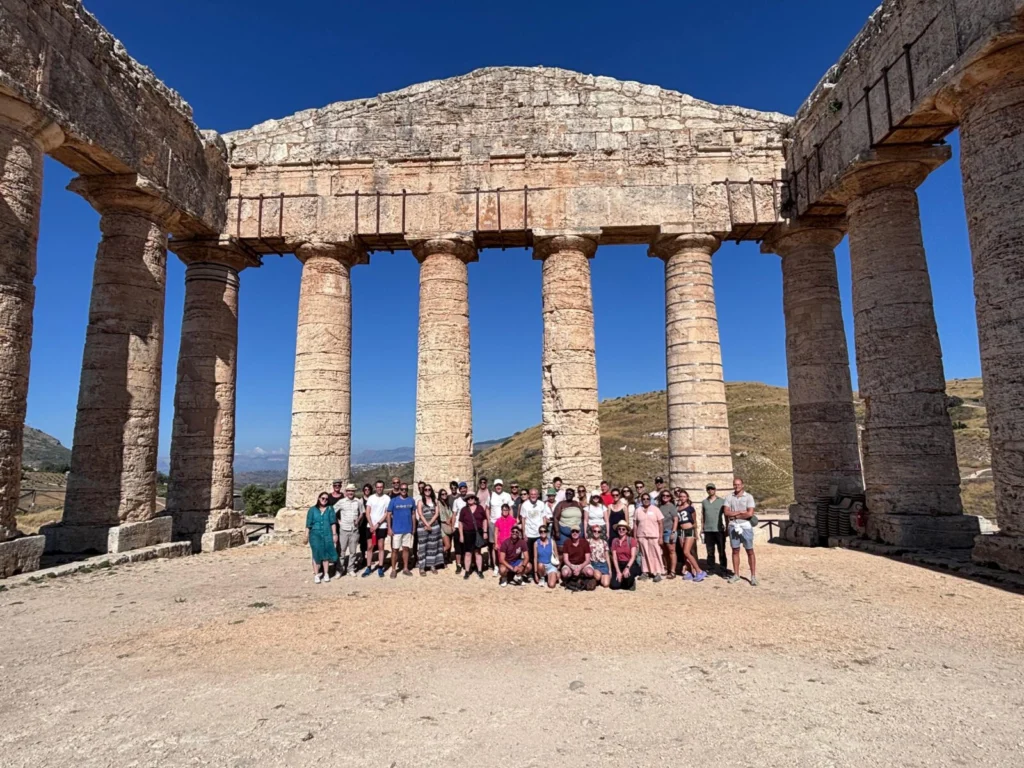
From 1–5 August 2025, the medieval hilltop town of Erice, Sicily, hosted the second UNDERPIN workshop, a meeting organised within the Nonlinear Processes in Geosciences community and dedicated to advancing the science of weather extremes. The event brought together a truly diverse group of researchers, spanning climate dynamics, attribution science, socio-economic impacts, statistical physics, and …[Read More]
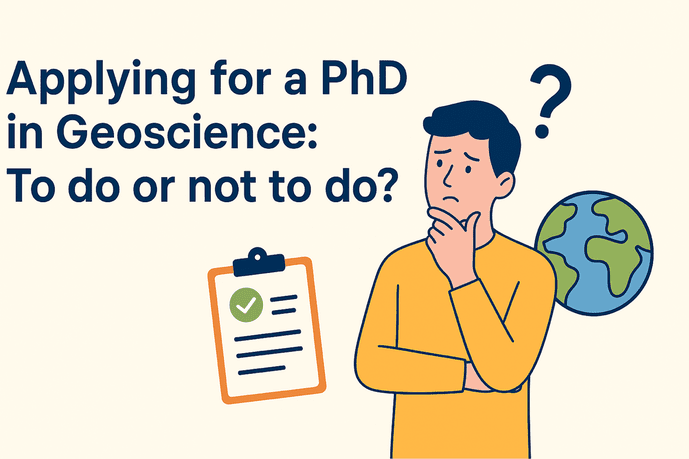
Applying for a PhD in Geoscience: To do or not to do
Fresh out of your bachelor’s degree, or more commonly these days, your master’s degree, it can be tempting to pursue your PhD as quickly as possible. While there are compelling reasons to dive straight in, rushing into a PhD might not be your best choice. To be or not to be a researcher? Before …[Read More]