
Have you ever wondered how results from scientific studies make their way into policy and influence government decisions? Read about the experiences of Sammie Buzzard, University of Reading, who spent her summer working for a government body in Westminster, London, UK. This summer I had the opportunity to take some time away from my usual …[Read More]
2110 search results for "researcher"
If you didn't find what you were looking for, try searching again.
Getting into open science
This was originally posted at: https://thewinnower.com/papers/2301-my-open-science-story It never really occurred to me not to be open. From the moment I started my PhD, I made a promise to myself that everything I did would be open and transparent. By this, I don’t just mean access to published papers – I wanted the data, and the information …[Read More]
Earthquake Education in Central Asia
Join us on Thursday 29th October at King’s College London, for a special documentary viewing and discussion with Solmaz Mohadjer, founder of earthquake-education charity ‘Parsquake’. Parsquake is an organisation working to develop, implement, improve and distribute earthquake education packages all around Central Asia, particularly Tajikistan, Afghanistan, and Iran. Solmaz Mohadjer, a seismic hazards researcher at …[Read More]
UNISDR Science and Technology Conference on the Implementation of the Sendai Framework for Disaster Risk Reduction 2015-2030
GfGD has been invited to join as an organising partner for the UNISDR Science and Technology Conference on the implementation of the Sendai Framework for Disaster Risk Reduction (DRR) 2015-2030. This very special conference, a unique opportunity for engagement by scientists, aims to promote and support the availability and application of science and technology to decision-making …[Read More]
Meteorite impact turns silica into stishovite in a billionth of a second
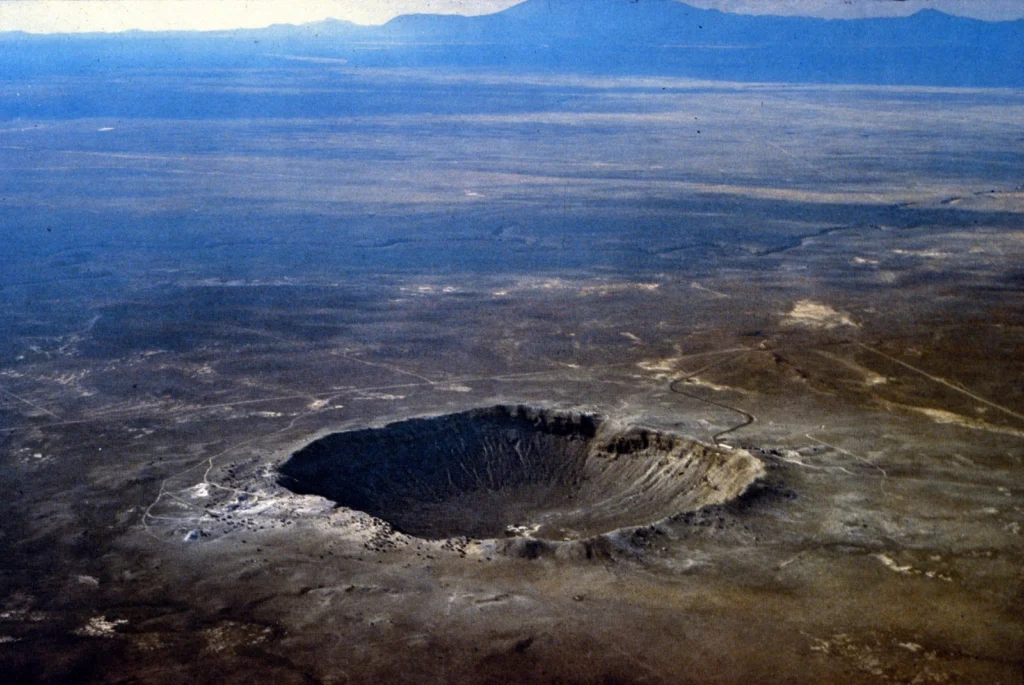
The Barringer meteor crater is an iconic Arizona landmark, more than 1km wide and 170 metres deep, left behind by a massive 300,000 tonne meteorite that hit Earth 50,000 years ago with a force equivalent to a ten megaton nuclear bomb. The forces unleashed by such an impact are hard to comprehend, but a team …[Read More]
GfGD Annual Conference – Speaker Introductions (Session 5)
Our 3rd Annual Conference, with the theme Fighting Global Poverty – Geology and the Sustainable Development Goals (SDGs) takes place on Friday 30th October, hosted by the Geological Society of London. Here we introduce the inspiring, early-career scientists taking part in Session 5 – “Engaging In Development – Personal Reflections from Early-Career Scientists”. They’ll be talking about their …[Read More]
Report from the Summer School on Geomorphology in the Kaunertal Valley, Austria, 31st August – 6th September 2015
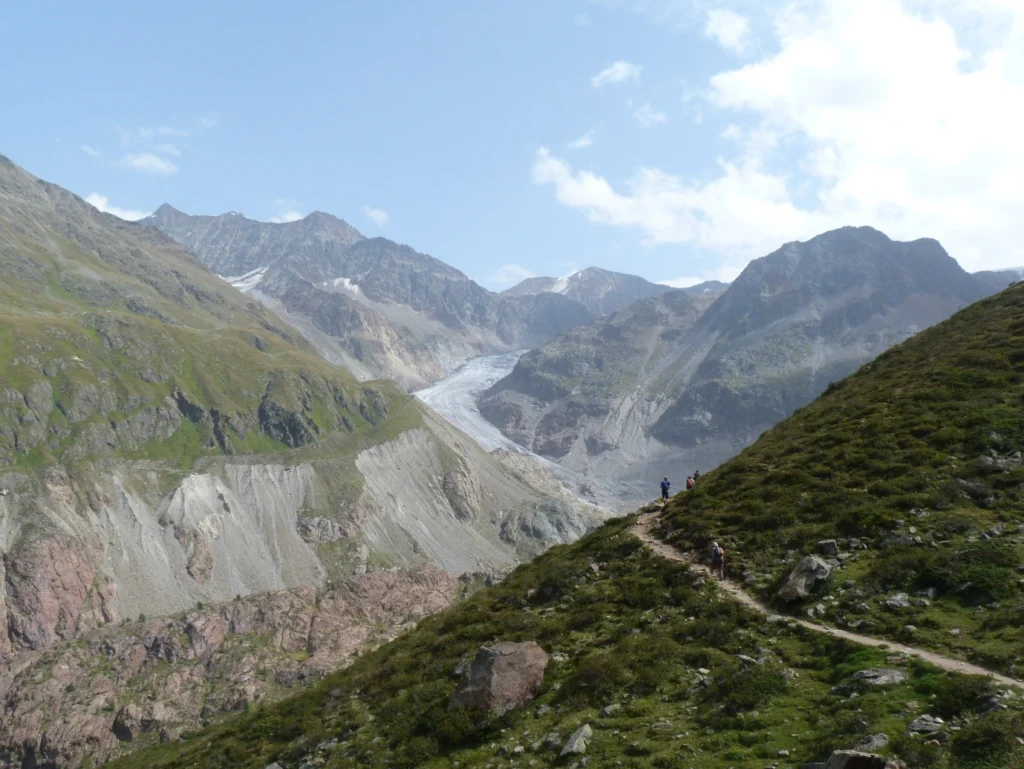
Written by Ciara Fleming ( University College Dublin) The focus of this Summer School was ‘Sediment dynamics in high mountain environments’ and as suggested by this title, the location did not disappoint. For the week-long school we were based in Feichten im Kaunertal (1273m a.s.l.), a perfectly-formed Alpine village in the Province of Tyrol, Austria. …[Read More]
Riding the Storm: The Arctic Circle Traverse 2015
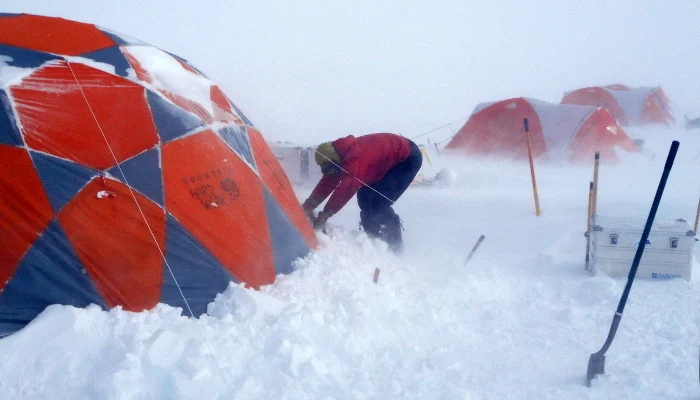
In the morning on the 19th of May, we – the Arctic Circle Traverse 2015 – found ourselves in a great dilemma; to stay or to go? On our check-in conversation with the KISS crew, we were informed that an east front from Kulusuk was expected to hit our location up on the ice sheet …[Read More]
Apply now to take part in the 2016 GIFT workshop!
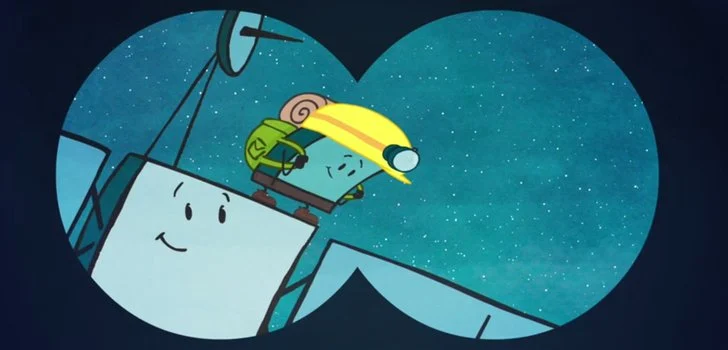
The General Assembly is not only for researchers but for teachers and educators with an interest in the geosciences also. Every year the Geosciences Information For Teachers (GIFT) is organised by the EGU Committee on Education to bring first class science closer to primary and high school teachers. The topic of the 2016 edition of …[Read More]
Jobs on EGU website
If you are an Early Career Researcher or looking for a new research opportunity why not check out the EGU job site!? http://www.egu.eu/jobs/