It’s a little over 12 months since we launched the new look EGU blogs and with the holidays and new year approaching, what better time to take stock of 2015 as featured in the EGU Blogs? The past year has been full of exciting, insightful and informative blog posts. At the same time, we’ve welcomed …[Read More]
1727 search results for "network"
If you didn't find what you were looking for, try searching again.
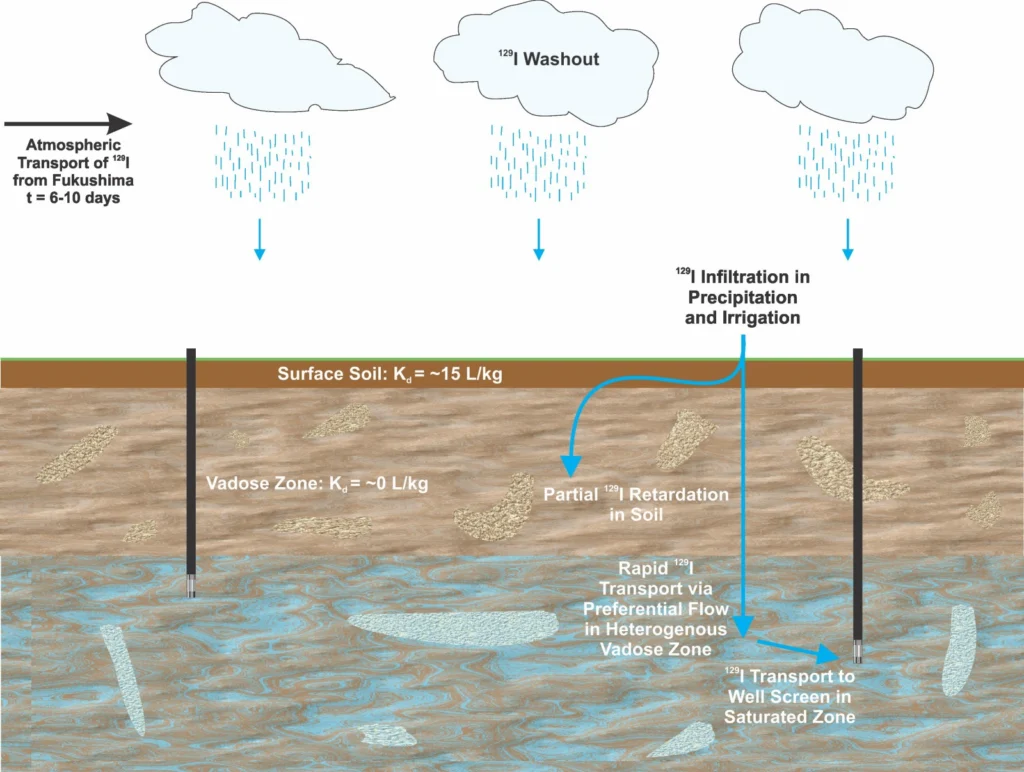
Tracking the Fallout and Fate of Fukushima Iodine-129 in Rain and Groundwater
A recently published paper (by myself and colleagues from uOttawa and Environment Canada) investigates the environmental fate of the long lived radioisotope of iodine, 129I, which was released by the Fukushima-Daichii Nuclear Accident (FDNA). Within 6 days of the FDNA 129I concentrations in Vancouver precipitation increased 5-15 times above pre-Fukushima concentrations and then rapidly returned to background. The concentrations of 129I …[Read More]
How to write to your MEPs about European Copyright reform
This was originally posted here. I mentioned in a previous post how important it is for researchers to equip themselves with knowledge about copyright issues (like this), and to become active in the struggle against publishers in retaining fair re-use rights for research. In the European Commission, this has been quite a high-profile debate this year (see …[Read More]
Reviewing Key Development Agreements of 2015
2015 has been a significant year for global development efforts, with major agreements on disaster risk reduction, sustainable development and climate change. The hard work has only just started, with significant work needed over the coming years and decades to deliver real, positive change. Sendai Framework for Disaster Risk Reduction (DRR) 2015-2030 Agreed in March 2015, …[Read More]
Geoscience hot topics – Part II: the Earth as it is now and what its future looks like
What are the most interesting, cutting-edge and compelling research topics within the scientific areas represented in the EGU divisions? Ground-breaking and innovative research features yearly at our annual General Assembly, but what are the overarching ideas and big research questions that still remain unanswered? We spoke to some of our division presidents and canvased their …[Read More]
The Sustainable Geoscientist – how many papers should academics really be publishing?
In this guest blog post, Nick Arndt, Professor at the Institut des Sciences de la Terre, Grenoble University, reflects on the pressures on academics to publish more and more papers, and whether the current scientific output is sustainable. Imagine a highly productive car factory. Thousands of vehicles are built and each is tested as it …[Read More]
GeoTalk: Anastasia Tezari – understanding space weather
Weather – it dictates the clothes we wear, is engrained in our culture, shapes our seasons and plays an important role in our daily lives. Not only that, its long term forecast and understanding of its variability, is the focus of much research as it holds one of the keys to understanding the Earth’s past …[Read More]
Communicate Your Science Video Competition is now open!
Want to communicate your research to a wider audience and try your hand at video production? Now’s your chance! The competition is open to early career scientists (ECS) who intend to register for the EGU General Assembly. The aim is to produce a video up-to-three-minutes long to share your research with the general public. The …[Read More]
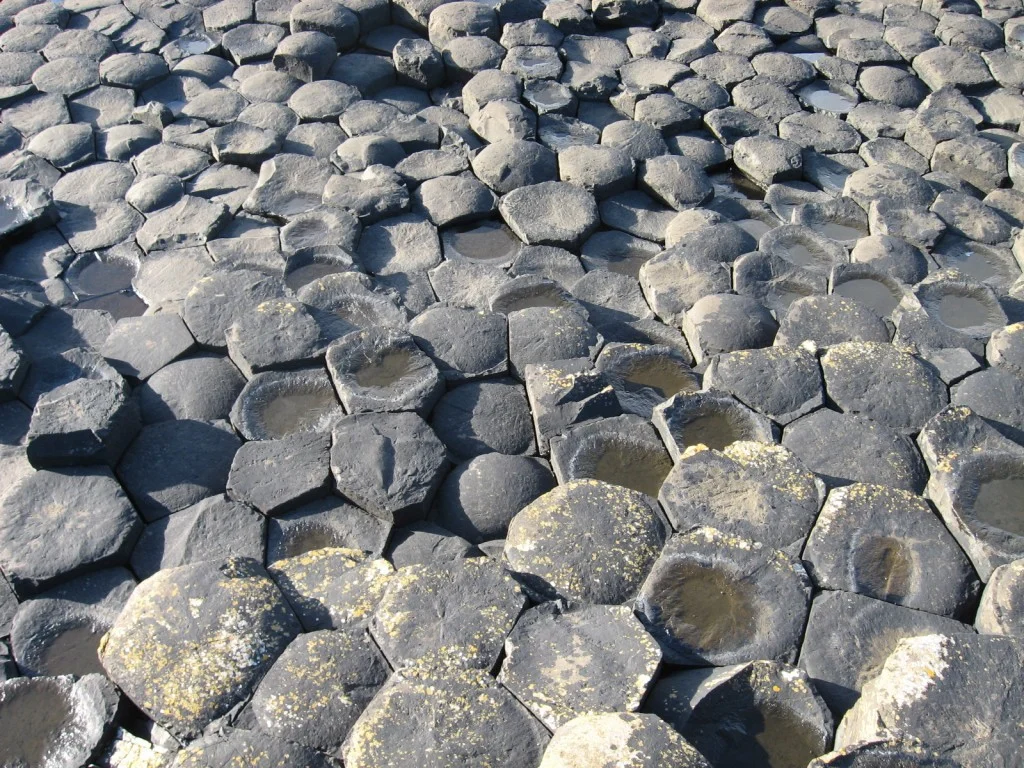
Imaggeo on Mondays: Giants Causeway
Since its discovery back in the late 1600s the origin of the spectacular polygonal columns of the Giants Causeway, located on a headland along the northern coast of Ireland, has been heavily debated. Early theories for its origin ranged from being sculpted by men with picks and chisels, to the action of giants, through to …[Read More]
Mars Rocks – introducing a citizen science project
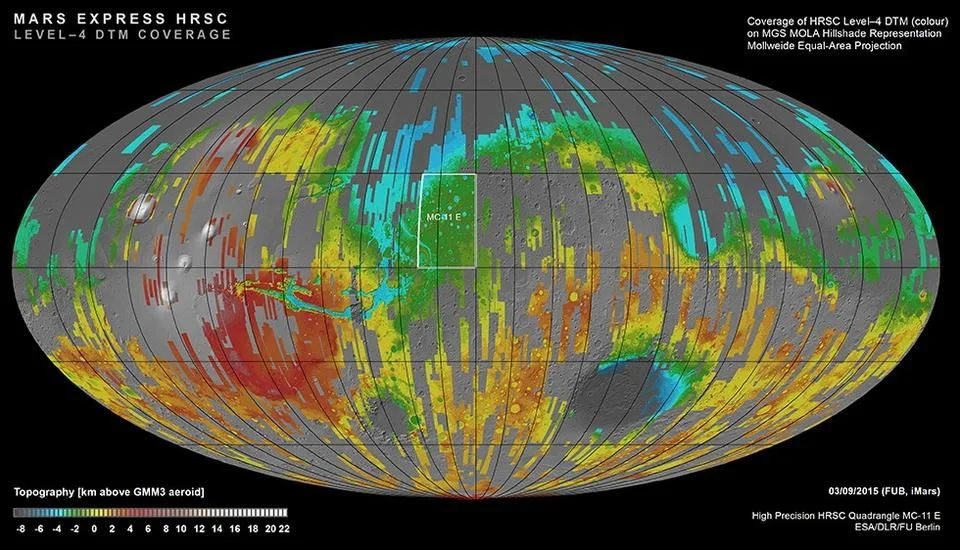
GeoLog followers will remember our previous report on Citizen Geoscience: the exciting possibilities it presents for the acquisition of data, whilst cautioning against the exploitation of volunteered labour. This blog presents a Citizen Science platform that goes beyond data collection to analysis, specifically for geological changes in remote sensing imagery of Mars. Jessica Wardlaw, a Postdoctoral Research Associate …[Read More]