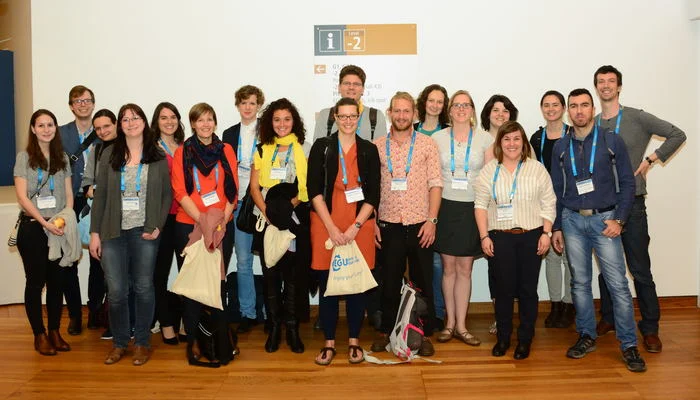
Early career scientists (ECS) make up a significant proportion of the EGU membership and it’s important to us that your voices get heard. To make sure that happens, each division appoints an early career scientists representative: the vital link between the Union and the ECS membership. After tenure of two or four years, a few …[Read More]
1727 search results for "network"
If you didn't find what you were looking for, try searching again.
GeoPolicy: Making a case for science at the United Nations
This month’s GeoPolicy is a guest post by the International Council for Science (ICSU). Based in Paris, the organisation works at the science-policy interface on the international scale. Here, Heide Hackmann, Executive Director at ICSU, highlights key initiatives ensuring science is present within the United Nations (UN) and explains how ICSU and the scientific community …[Read More]
Geosciences Column: Africa’s vulnerability to climate change
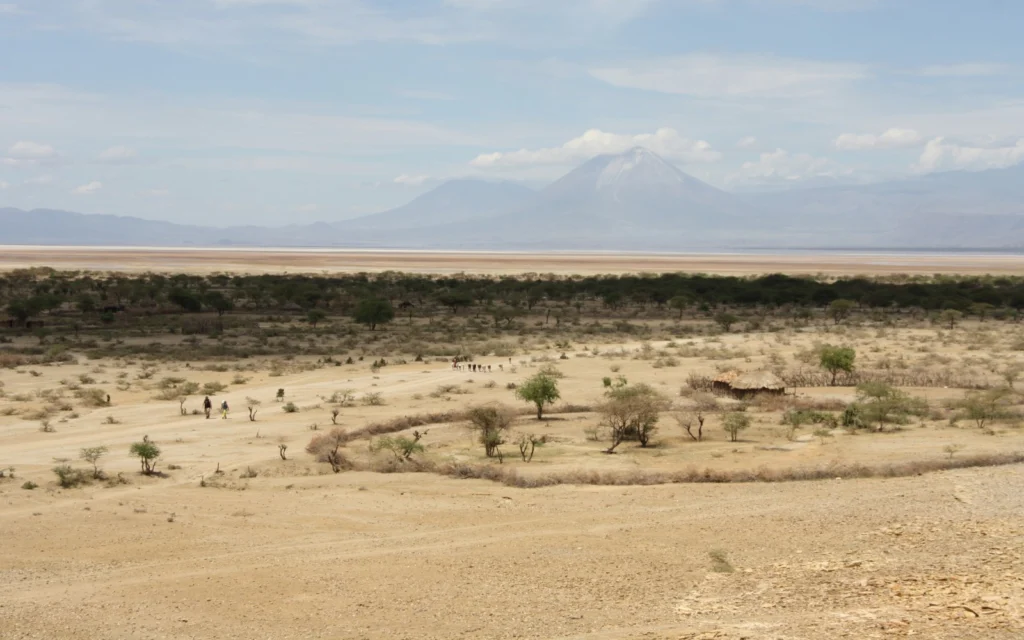
Ravaged by armed conflicts, a deep struggle with poverty, poor governance and horizontal inequality, some parts of Africa and other Global South regions are arguably the most vulnerable to the impacts of climate change. Largely reliant on natural resources for sustenance, current and future changes in temperatures, precipitation and the intensity of some natural hazards …[Read More]
Imaggeo on Mondays: littoral rainforests
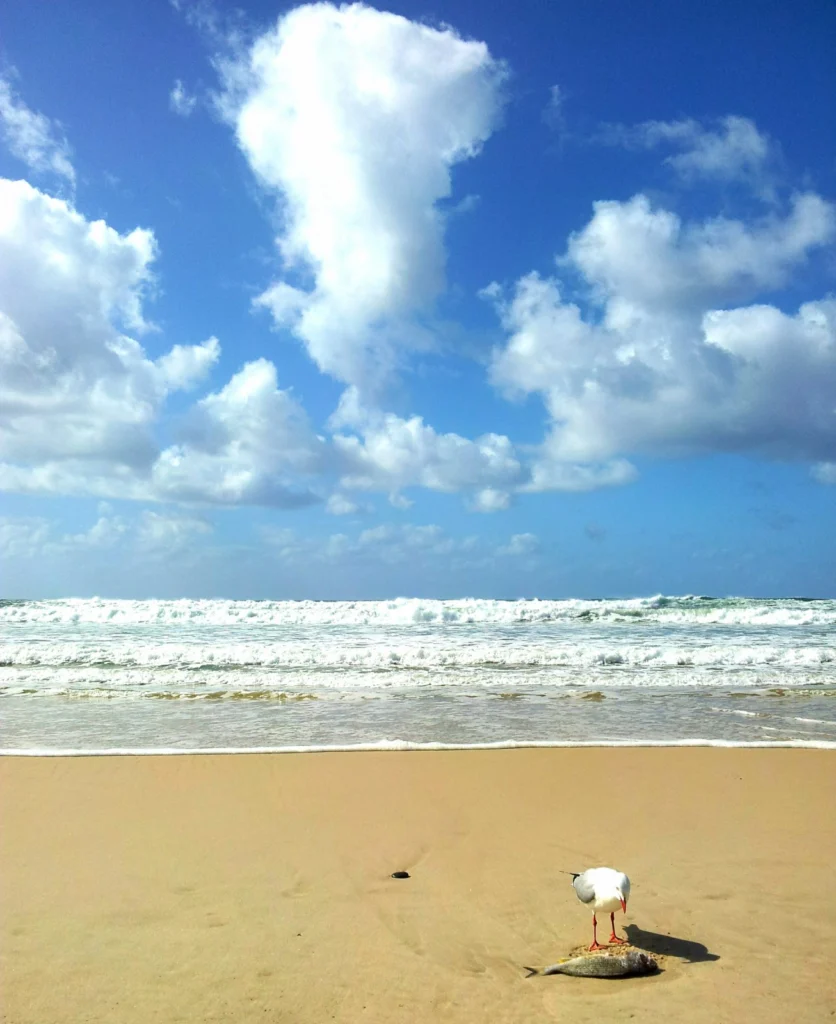
Making room for growing populations, and the resources they demand, comes at the cost of precious natural environments. Rainforests, globally, are under threat from farming, logging and ever expanding cities. It is reported that if current rates of exploitation continue, the world’s rainforests could be lost within the next century. Like almost anything else, rainforests …[Read More]
Announcing the winner of the EGU Best Blog Post of 2016 Competition
There is no doubt that 2016 was packed full of exciting, insightful and informative blog posts. An impressive 360 posts were published across the EGU’s official blog, GeoLog, as well as the network and division blogs! In December, to celebrate the excellent display of science writing across the network and division blogs, we launched the …[Read More]
GeoTalk: Beatriz Gaite on why videos are a great tool for communicating your research to a broad audience
If you’ve not heard about our Communicate Your Science Video Competition before it gives early career scientists the chance to produce a video up-to-three-minutes long to share their research with the general public. The winning entry receives a free registration to the General Assembly the following year. In this GeoTalk interview, Laura Roberts talks to Beatriz …[Read More]
GfGD endorses the ‘Cape Town Statement on Geoethics’
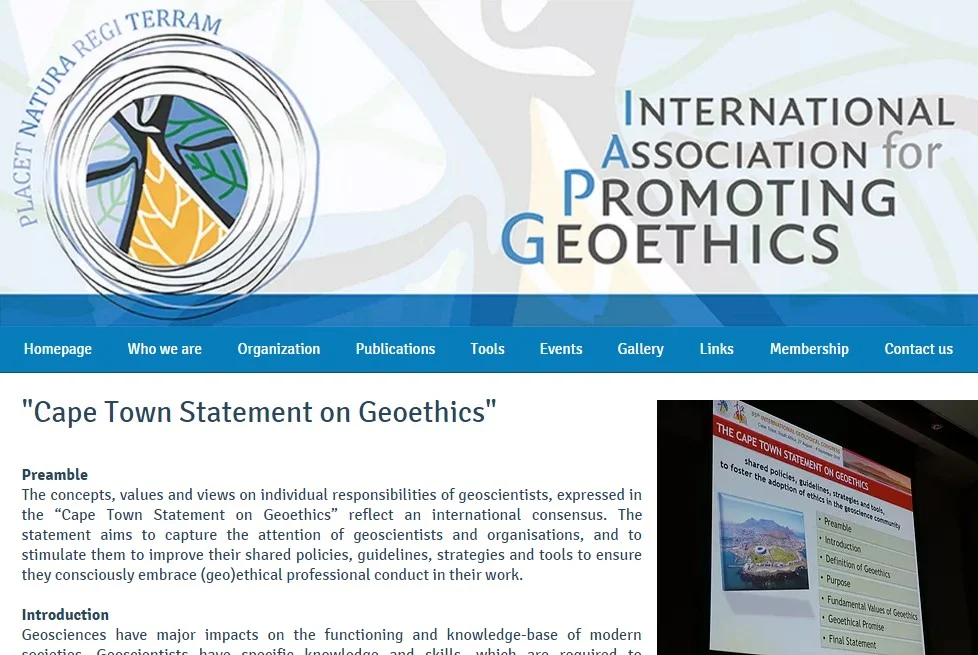
At the start of 2017, the GfGD Board of Trustees formally endorsed the ‘Cape Town Statement on Geoethics‘, joining organisations such as Geology in the Public Interest, the American Geophysical Union (AGU), and the Geological Society of America (GSA). The ‘Cape Town Statement on Geoethics‘ was prepared during the 35th International Geological Congress in Cape Town, South …[Read More]
Looking back at the EGU Blogs in 2016: a competition
The past 12 months has seen an impressive 360 posts published across the EGU’s official blog, GeoLog, as well as the network and division blogs. From a lighthearted Aprils Fools’ Day post featuring an extreme chromatic phenomenon (otherwise known as FIB); through to how climate change is affecting mountain plant’s sex ratios; features on natural …[Read More]
Guest Blog (GfGD Liverpool): Reflections on the GfGD Annual Conference 2016
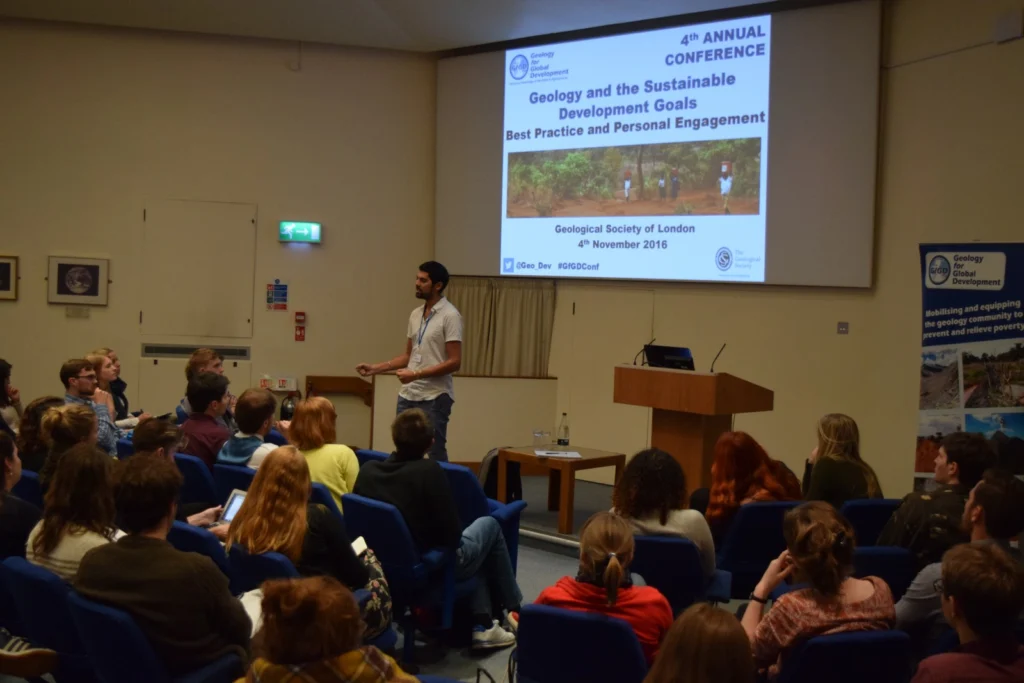
GfGD were delighted to support Clare Spink and Taryn Freeman (University of Liverpool) to attend the recent GfGD Annual Conference. As the new leaders of the GfGD Liverpool University Group they were eager to learn more about GfGD and take that back to Liverpool. On our guest blog today, they share some of those reflections… …[Read More]
Friday Photo: Pressure ridges from the Kaikoura earthquake
This photo was taken by Jack Williams from the University of Otago during mapping of the surface rupture from the recent Kaikoura earthquake. It shows pressure ridges in road from subsidiary strand of Hundalee Fault. You can read more about his field work on yesterday’s blog.