EGU Blogs

1727 search results for "network"

Mexico earthquakes: What we know so far
Mexico earthquakes: What we know so far
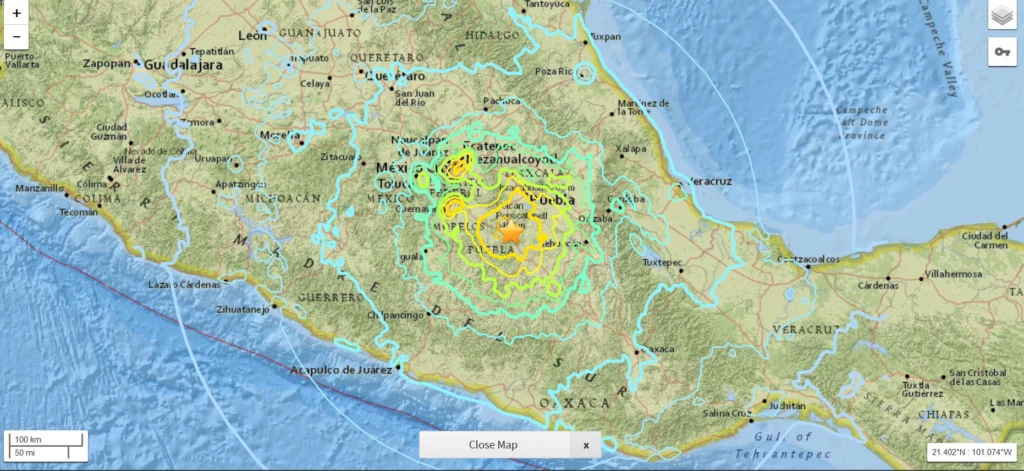
On Friday 8 September 2017 at 04:49 am UTC, a magnitude 8.1 earthquake hit off the coast of Mexico, 87 km SW of Pijijiapan. According to the U.S. Geological Survey, the epicentre was at 15.07 N, 93.72 W at a depth of about 69.7 km. Yesterday, another strong (magnitude 7.1) earthquake hit central Mexico, 55 …[Read More]

Is it an earthquake, a nuclear test or a hurricane? How seismometers help us understand the world we live in

Is it an earthquake, a nuclear test or a hurricane? How seismometers help us understand the world we live in

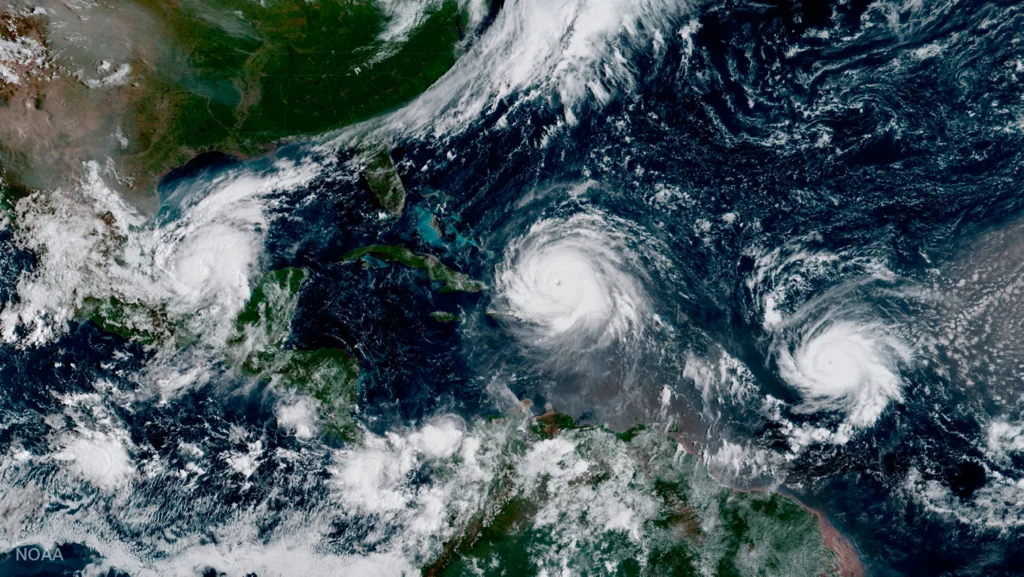
Although traditionally used to study earthquakes, like today’s M 8.1 in Mexico,  seismometers have now become so sophisticated they are able to detect the slightest ground movements; whether they come from deep within the bowels of the planet or are triggered by events at the surface. But how, exactly, do earthquake scientists decipher the signals …[Read More]

Academia is not the only route: exploring alternative career options for Earth scientists

Academia is not the only route: exploring alternative career options for Earth scientists

With more PhD and postdoc positions than there are tenured posts, landing a permanent job in academia is increasingly challenging. For some, years of funding and position uncertainty, coupled with having to relocate regularly is an unwelcome prospect. A changing job market also means that aspiring to the traditional, linear career path might be an …[Read More]

Imaggeo on Mondays: Viñales Valley

Imaggeo on Mondays: Viñales Valley

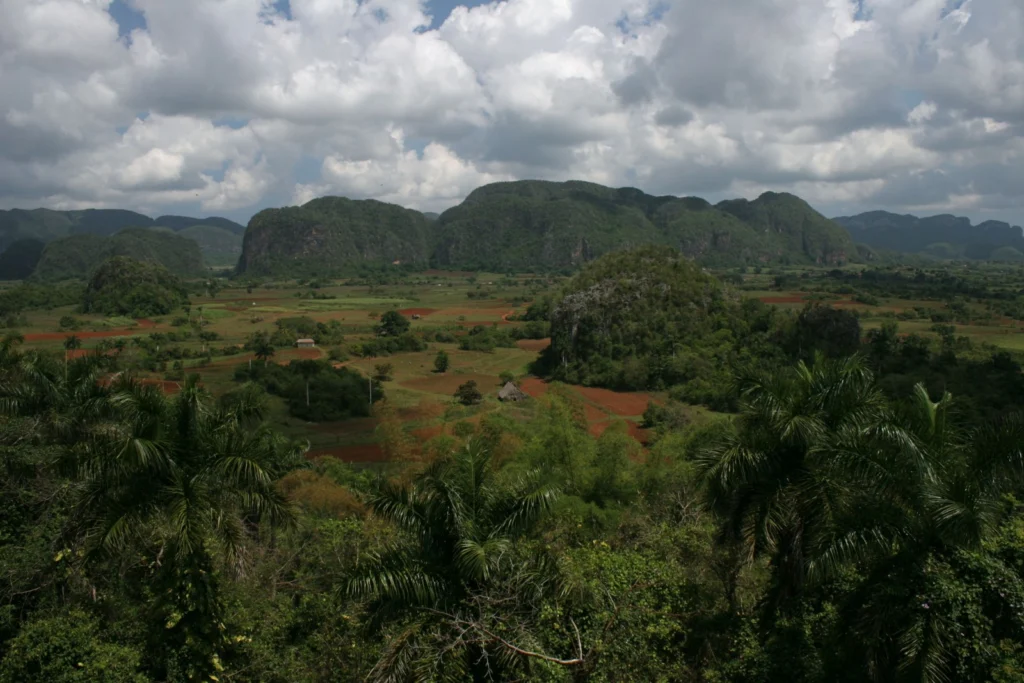
From last week’s unusual desert landscape to this week’s lush valley in Cuba… The picture shows the Vinales Valley, a karstic depression with mogotes in western Cuba. Karst is the general term for landscapes formed when limestone is disolved by carbonic acid, in rain water. This leads, in particular, to the formation of an underground …[Read More]

GeoPolicy: What are European Commission Consultations and how can scientists contribute?

GeoPolicy: What are European Commission Consultations and how can scientists contribute?

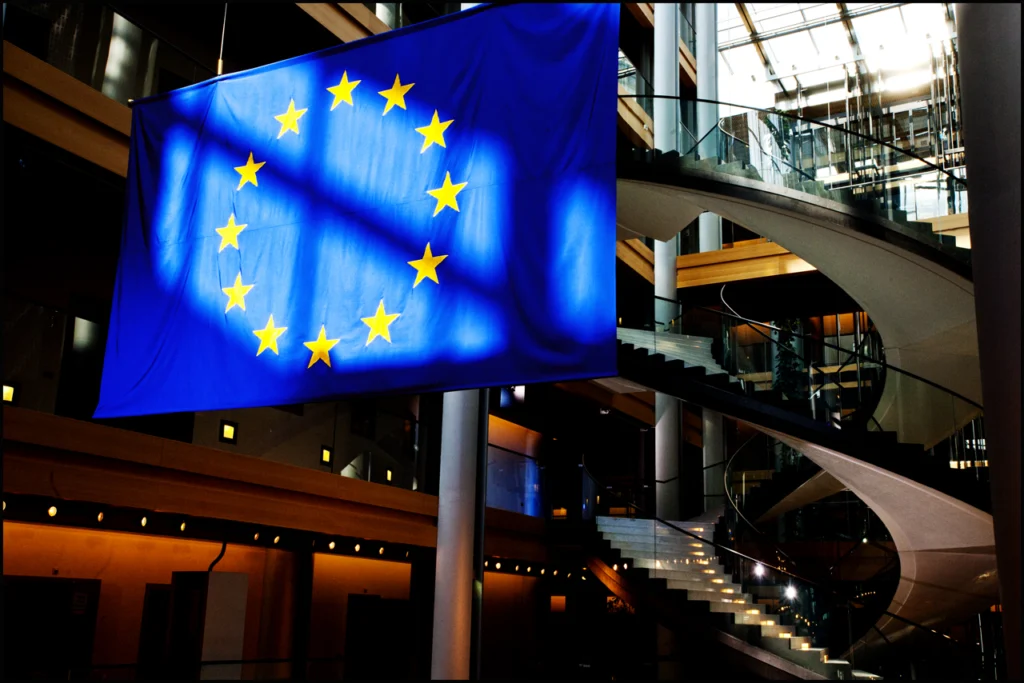
The European Commission requires both expert advice and an understanding of public opinion to steer policy and draft new EU legislation proposals that will be introduced to both the Council and the EU Parliament to debate. The EU Commission regularly hosts hearings, workshops, expert groups and consultations to gain valuable insights, prompt discussion and help …[Read More]

Guest Blog: Geoscience’s Role In Addressing Fluorosis In Tanzania

Guest Blog: Geoscience’s Role In Addressing Fluorosis In Tanzania

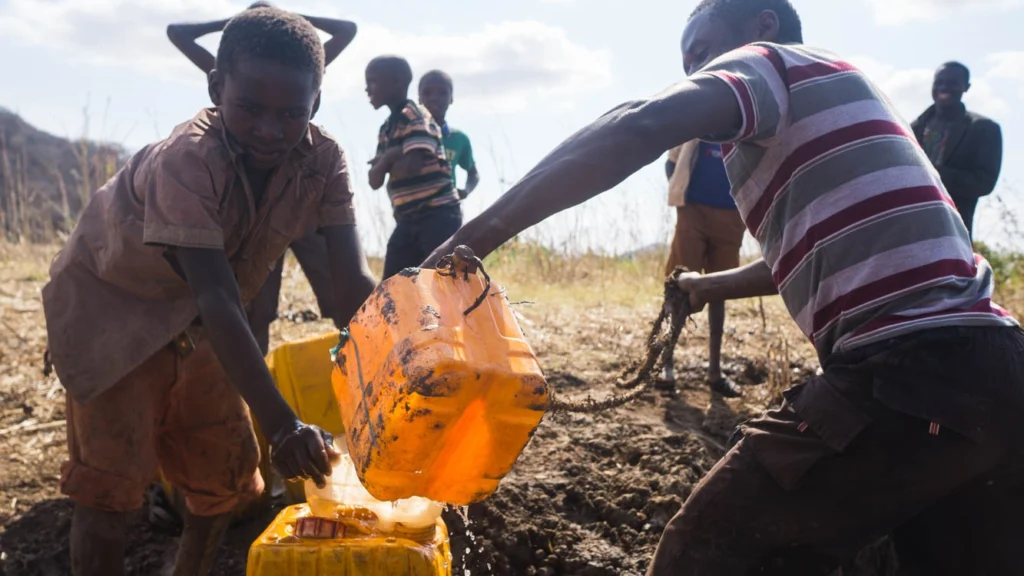
Megan Jamer is a geoscientist from Canada, and an avid cyclist and explorer. Megan is currently travelling around East Africa on bicycle, taking in some remarkable sites and observing first hand the relationship between geoscience and sustainable development. Megan has previously written about agroforestry, landslides, and disaster risk reduction in Rwanda. Her travels have since taken …[Read More]

Crowdfunding Science: A personal journey toward a public campaign

Crowdfunding Science: A personal journey toward a public campaign

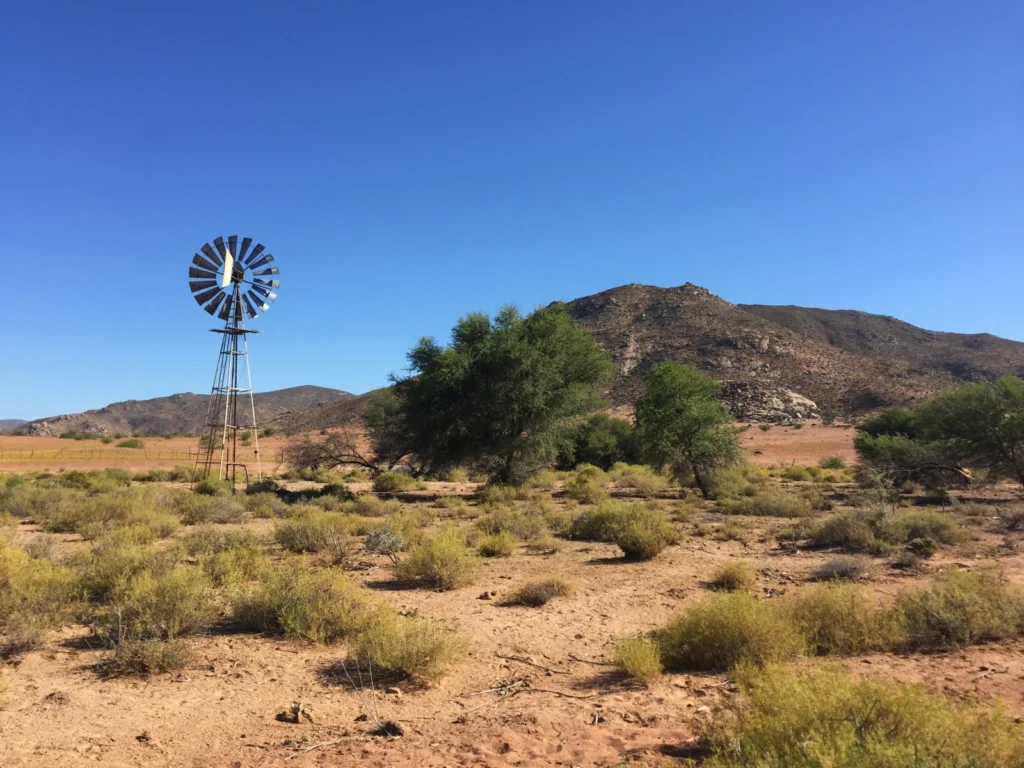
Post by Jared van Rooyen, MSc candidate in Earth Science at Stellenbosch University, in South Africa. Part one of three in a Crowdfunding Science series by Jared. ___________________________________________________________ When my supervisor, Dr Jodie Miller, suggested to me last year that we should look at crowdfunding as a way to potentially to fund my master’s project, I …[Read More]