Do you have an interest in the Earth, space and planetary sciences and love blogging and using social media channels to communicate that passion? Then our latest job opening might be just right for you! We are looking for a Communications Officer to work with the EGU Media and Communications Manager in maintaining and further …[Read More]
1727 search results for "network"
If you didn't find what you were looking for, try searching again.
Robert Emberson: Soil Erosion and Sustainable Development
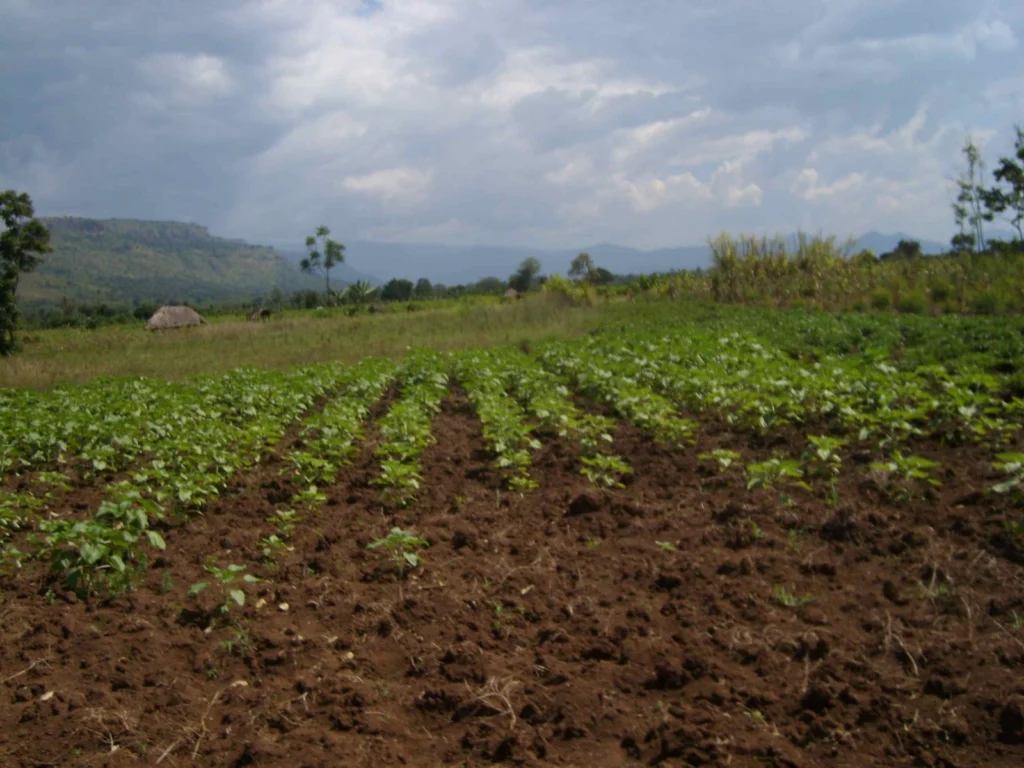
Over the last few weeks we’ve introduced you to some new faces on the GfGD blog, including Robert Emberson, Heather Britton and Jesse Zondervan. Today, Robert (based in Victoria, Canada) writes on the connections between soil erosion and sustainable development, and poses the question – is soil one of our most threatened resources? When we …[Read More]
Heather Britton: India’s Energy-Climate Dilemma
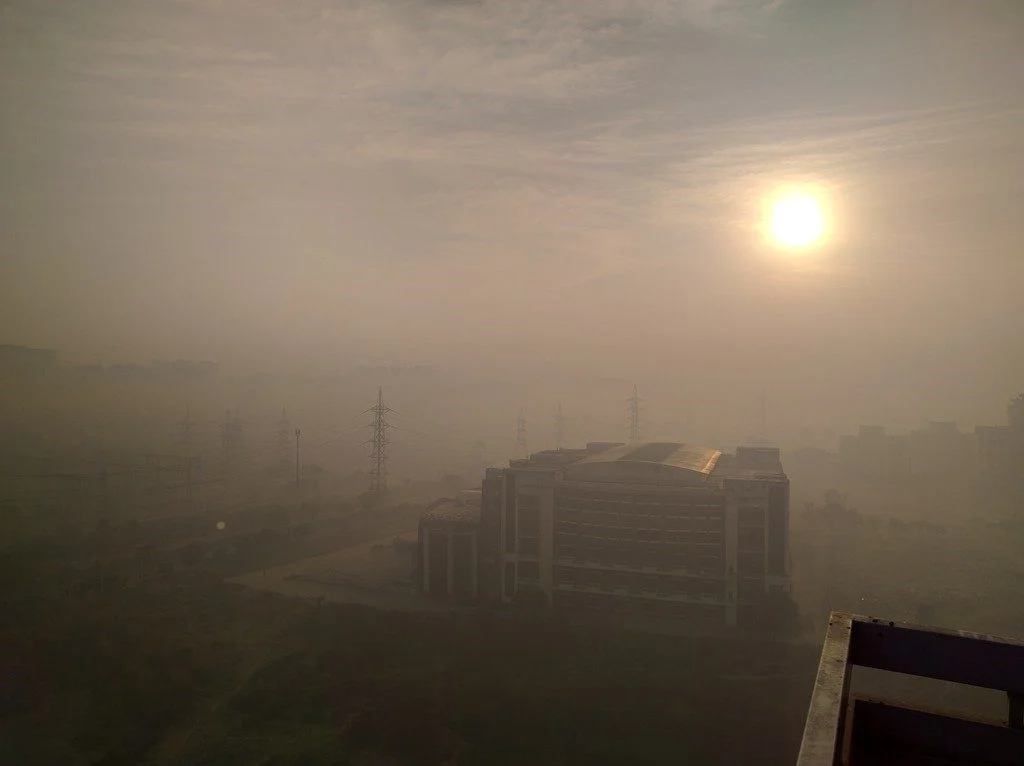
Heather Britton is one of our new writers, today reporting on a summary of this paper by Andrew J Apostoli and William A Gough, covering the difficulties of pursuing reduced greenhouse gas emissions whilst fuelling one of the largest populations on the planet – India. The actions of this country are contributing to the eventual …[Read More]
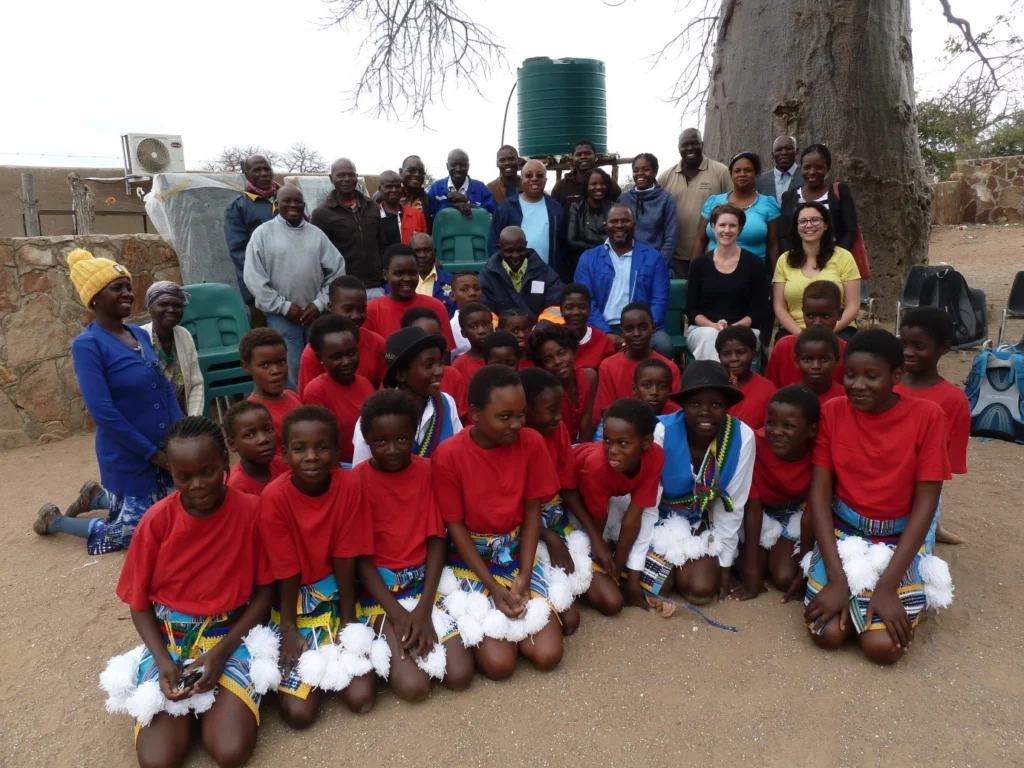
Malawi High School Teacher’s Workshop on Natural Hazards
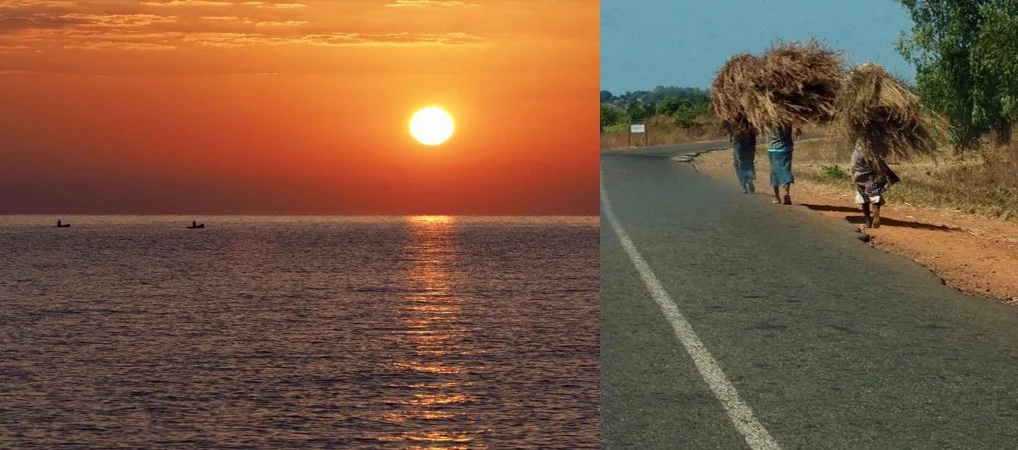
In July 2017, Professor Bruce Malamud and Dr Faith Taylor from King’s College London travelled to Mzuzu, Malawi to work in collaboration with Mr James Kushe from Mzuzu University, Malawi. They delivered an EGU funded workshop at Mzuzu University to high school teachers on natural hazards, with major funding provided by EGU, and also supported …[Read More]
The lost Tethyan seaways: A deep-Earth and deep-time perspective on eastern Tethyan tectonics
Every 8 weeks we turn our attention to a Remarkable Region that deserves a spot in the scientific limelight. Following from the first entry which showcased the Eastern Mediterranean, we move further east, and back in time, to the realm of the Tethys. The post is by postdoctoral researcher Sabin Zahirovic of the EarthByte Group and Basin …[Read More]
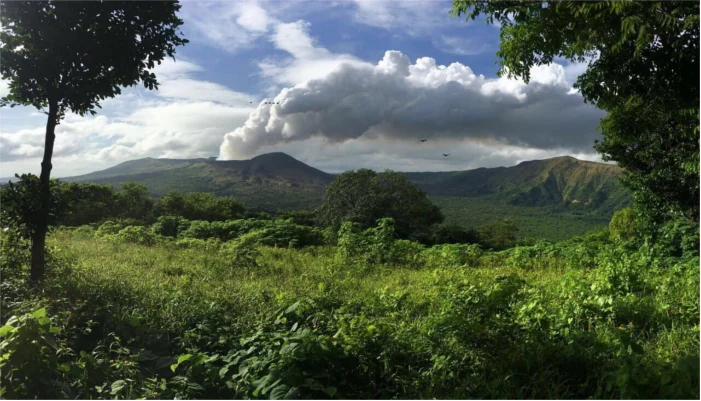
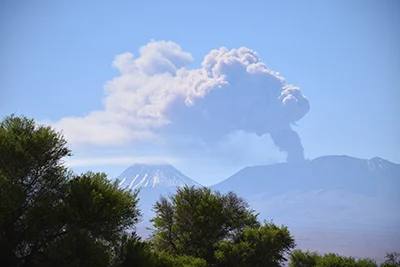
Unseen but not unfelt: resilience to persistent volcanic emissions
The last decade has been inundated with reports of environmental disasters impacting the lives of billions of people around the world. While news coverage of floods, hurricanes, earthquakes or wild fires are always accompanied with spectacular images of destruction that emphasise the speed at which they strike, a myriad of slow and latent hazards have …[Read More]
The EUGEN e.V. meeting – a unique (geological) experience
Extracurricular activities for current and former geosciences students provide great value to early career scientists in terms of networking and broadening their scientific horizon. PhD student Maximilian Döhmann, who studies rock deformation with numerical models based on high temperature and pressure torsion experiments in the Geodynamic Modelling group of GFZ Potsdam, shares his experiences with …[Read More]
Everything is connected
Post by Anne Van Loon, Lecturer in Physical Geography (Water sciences) at the University of Birmingham, in the United Kingdom. __________________________________________________ In recent years the human dimension of hydrology has become increasingly important. Major flood and drought events have shown how strongly water and society are intertwined (see here and here). The hydro(geo)logical research community is increasingly including this human …[Read More]
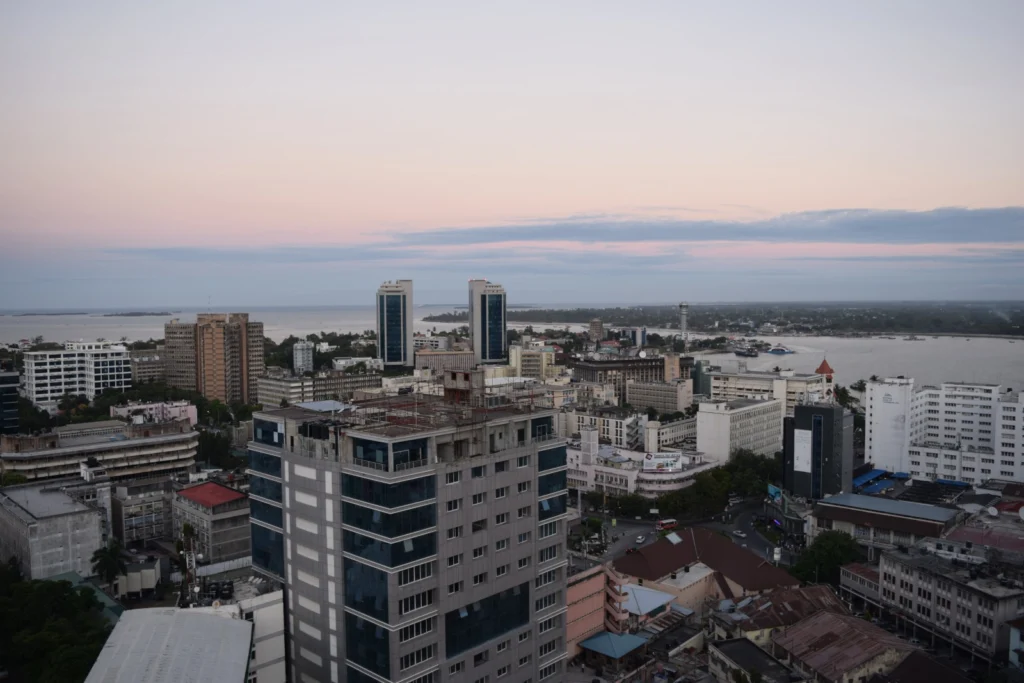
Geoscience and Sustainable Cities (SDG 11) in Eastern Africa
Over the past seven months I’ve had the opportunity to visit four growing cities in eastern Africa: Kampala (Uganda), Nairobi (Kenya), Lusaka (Zambia) and Dar es Salaam (Tanzania). The importance of geoscience in delivering SDG 11 (Sustainable Cities and Communities) was evident. “More than half of the world’s population now live in urban areas. By …[Read More]
Volcanic Ash Particles Hold Clues to Their History and Effects
Volcanic Ash as an Active Agent in the Earth System (VA3): Combining Models and Experiments; Hamburg, Germany, 12–13 September 2016 Volcanic ash is a spectacular companion of volcanic activity that carries valuable information about the subsurface processes. It also poses a range of severe hazards to public health, infrastructure, aviation, and agriculture, and it plays …[Read More]