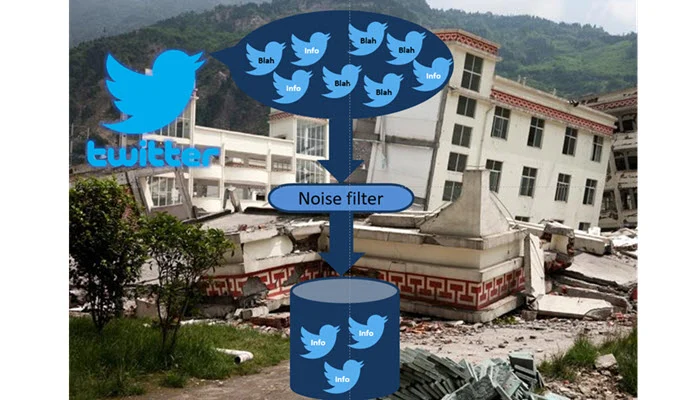
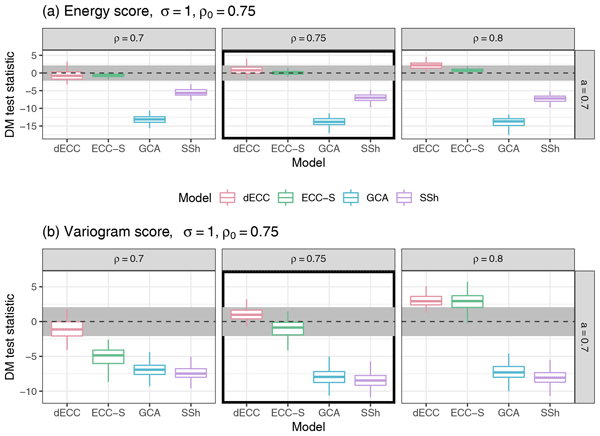
The June 2020 NPG Paper of the Month award goes to Sebastian Lerch and colleagues for their paper “Simulation-based comparison of multivariate ensemble post-processing methods” (https://doi.org/10.5194/npg-27-349-2020). Sebastian Lerch is a researcher at the Faculty of Mathematics of the Karlsruhe Institute Technology (KIT). He has a background in mathematics and statistics, his research interests include probabilistic …[Read More]
2111 search results for "researcher"
If you didn't find what you were looking for, try searching again.
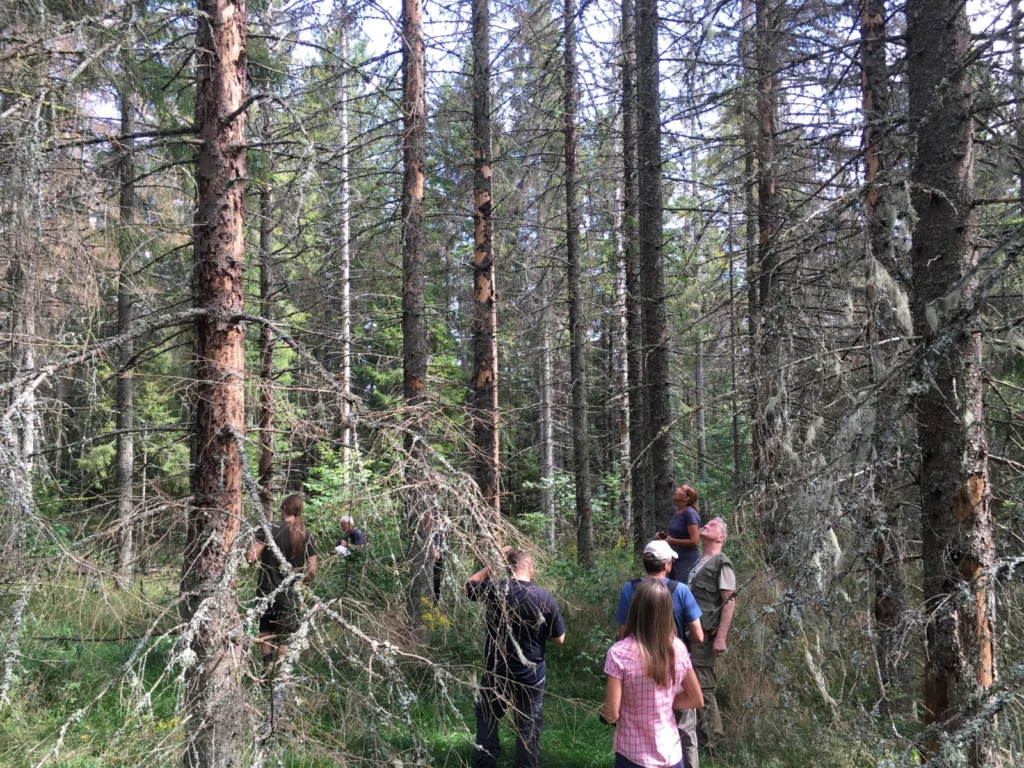
Forests in danger: not only fires!
We often talk about forests for their importance in climate as a carbon sink and oxygen source. For their great role in the preservation of biodiversity, both for vegetation and as habitat for many animal species, for their potential in recreational activities. However, we do not talk a lot about forests in relation to natural hazards. …[Read More]
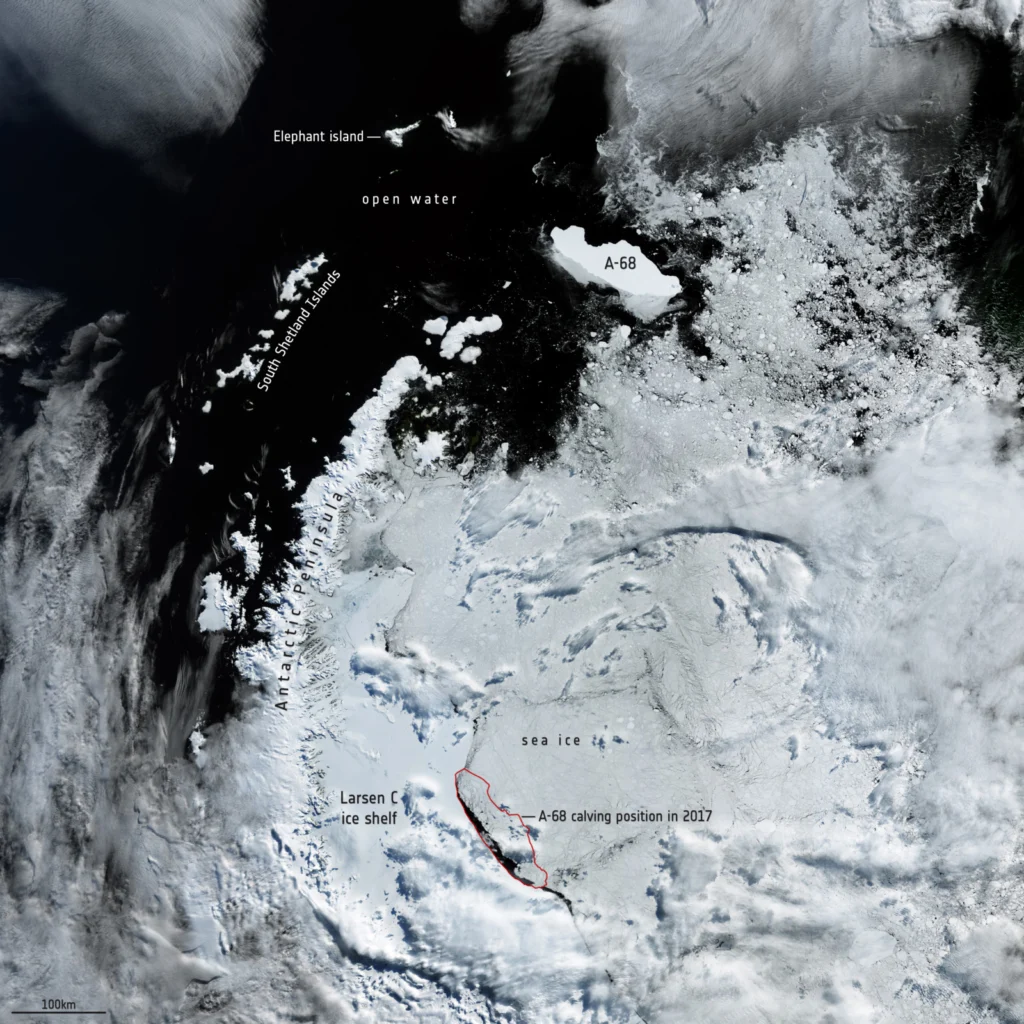
Climate Change & Cryosphere – A brief history of A68, the world’s largest iceberg
In July 2017, the world’s largest iceberg known as A68 calved from the Larsen C Ice Shelf, located in the western Weddell Sea, Antarctica. Since then, A68 has lost two chunks of ice, A68-B and A68-C, but still remains a giant after more than 3 years. How did it feel to be the greatest, A68? …[Read More]
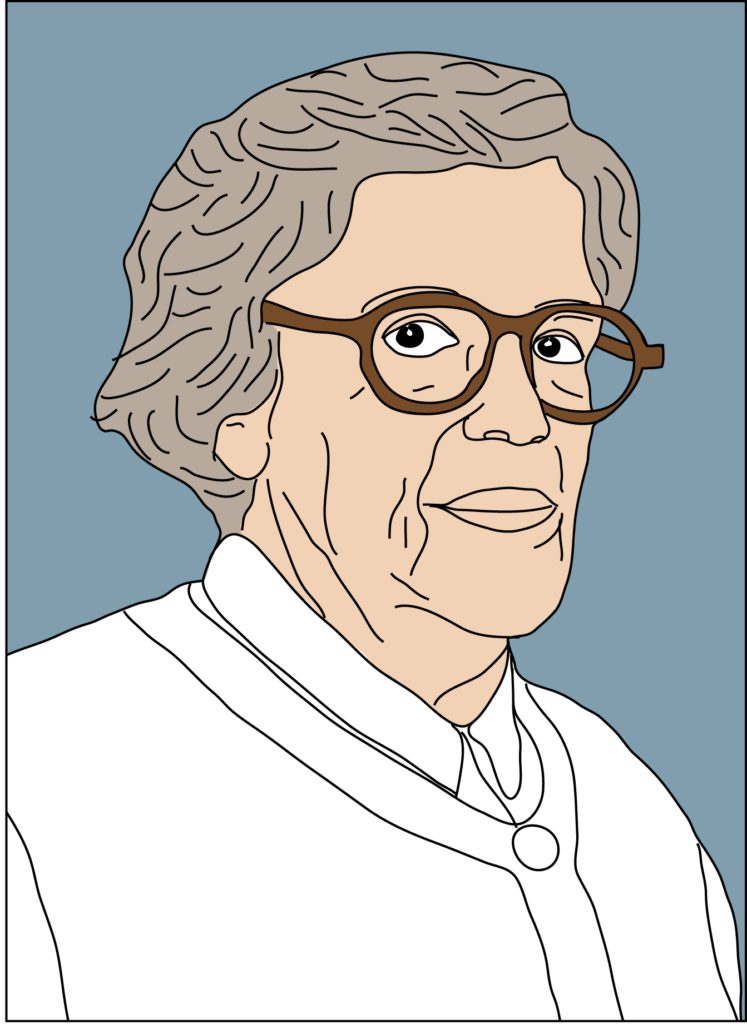
Ana Margarida Neiva – A woman as hard as granite
Ana Neiva was born on May 7 1941 in Cedofeita, Porto, northwest Portugal – a city carved in granite. Her childhood and youth were spent in Coimbra, where her father worked. João Cotelo Neiva was an eminent geologist and professor at the University of Coimbra, one of Europe’s oldest universities. His influence was decisive …[Read More]
Do you know about the 3MT competition? What a challenging experience for a PhD student!
Effective communication plays a vital role in our PhD life. We spend significant amount of time working on a desk or in a lab performing our research for many years. However, if we do not effectively communicate our results and ideas to other scientists and researchers, our research will be unacknowledged. Of course, we all …[Read More]
Venus: science! Today!
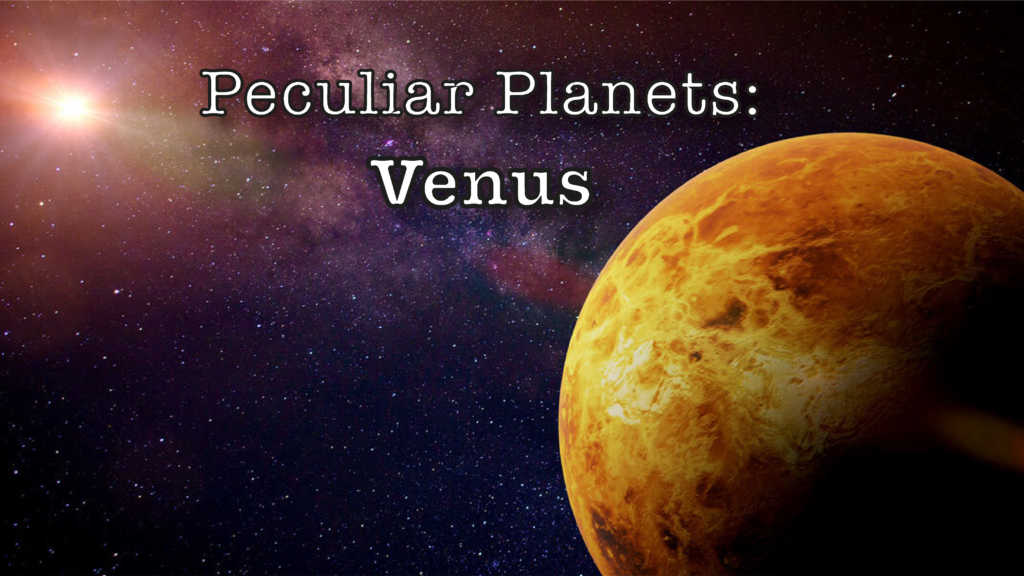
After many (attempted) visits to Venus in an earlier era of space exploration, the focus of terrestrial planet science was shifted towards e.g. our other neighbour Mars. Yet, lately, Venus seems to gain scientific popularity and not without reason – there remains so much to figure out about the puzzling planet. The virtual mini-workshop ‘Venus Science Today’ was …[Read More]
InterArctic project: understanding the interaction between artic environments and societies
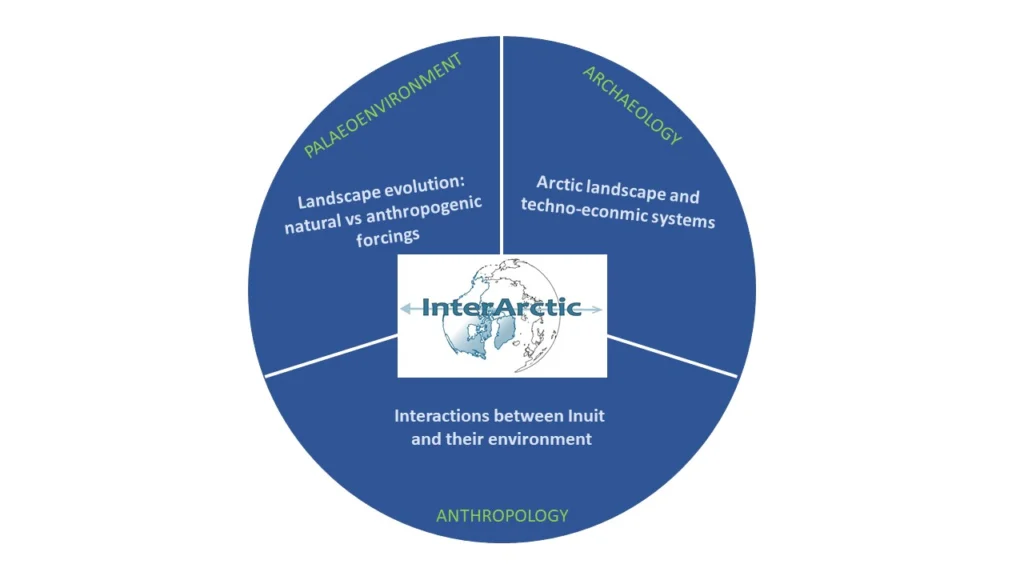
The InterArctic project (Fig. 1) focuses on vulnerability, resilience and adaptation of northern societies facing global change. The current rapid warming of Arctic and Subarctic climates has already produced many changes in the social, economic and cultural behaviour of the populations inhabiting these regions and more changes are expected to come. In this context, looking …[Read More]
Image of the Week – What darkens snow and ice?
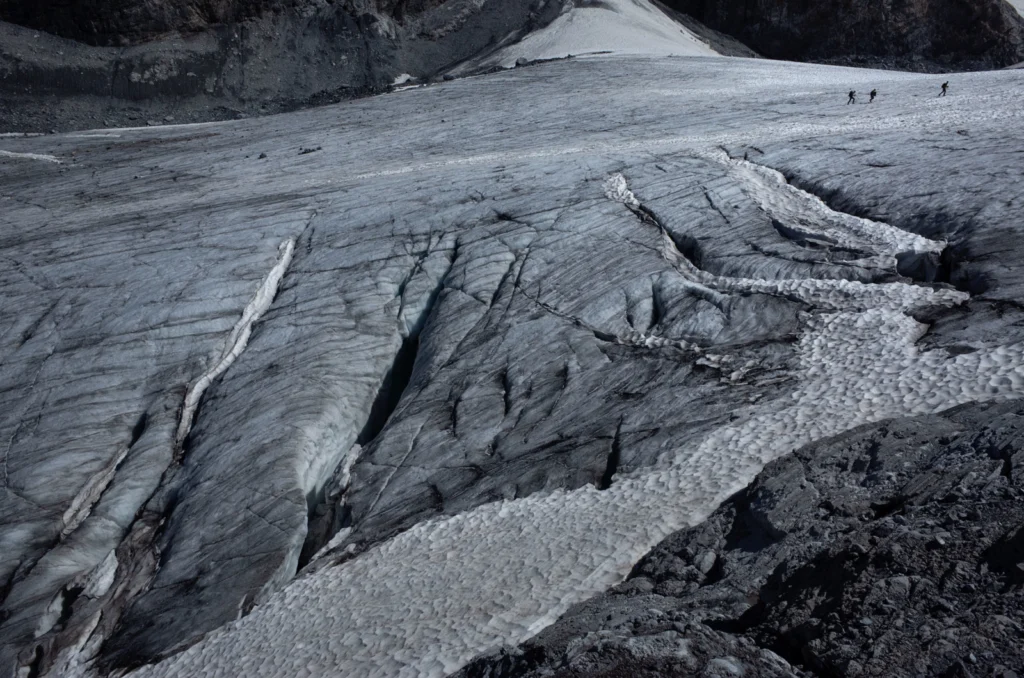
“Be thou as chaste as ice, as pure as snow”. Hamlet, Act 3 Scene 1 (W. Shakespeare) Snow and ice are not always as pristine as one may think. If you have ever walked on a glacier or on a snowfield during summer, you might have already noticed that. In fact, both snow and ice …[Read More]
Atmospheric research in the middle of the Amazon forest: The Amazon Tall Tower Observatory celebrates its anniversary
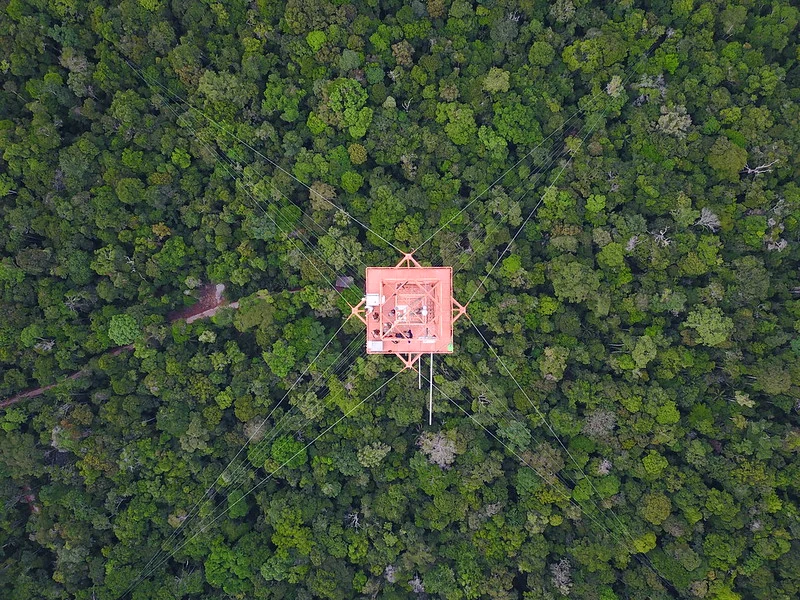
It looks like a spike, orange against the blue sky, sticking out the green ocean of the Amazon forest: Standing 325 m tall, the Amazon Tall Tower Observatory (ATTO) is the highest construction in South America. This tower celebrates its 5th anniversary this year, while the ATTO research site, located ~150 km northeast of Manaus, …[Read More]
TS Must-Read – Wilson (1965) A New Class of Faults and their Bearing on Continental Drift
In 1965, JT Wilson published “A New Class of Faults and their Bearing on Continental Drift” (https://doi.org/10.1038/207343a0). This is one of the papers that led to a paradigm shift in Earth Sciences and would become one of the bases of plate tectonics. The concept of the transform fault, introduced in this paper in a very …[Read More]