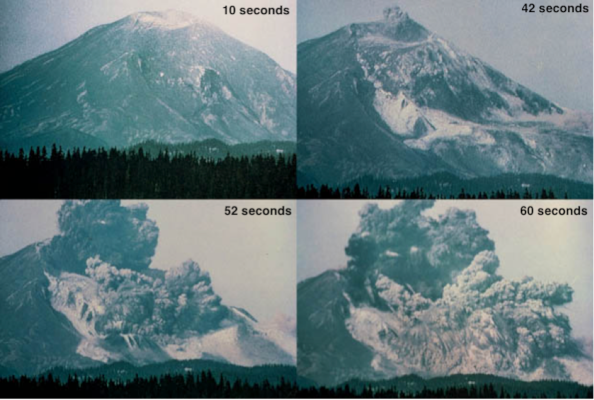
The past 18th May marked 39 years since one of the most emblematic volcanic eruptions in historic times: the 1980 Mt St Helens explosive eruption. With a death toll of 57 victims, it is the deadliest volcanic event in U.S. history. If that wasn’t enough, it also destroyed hundreds of houses and roads. When we …[Read More]
1727 search results for "network"
If you didn't find what you were looking for, try searching again.
“Everything is interaction and reciprocal”
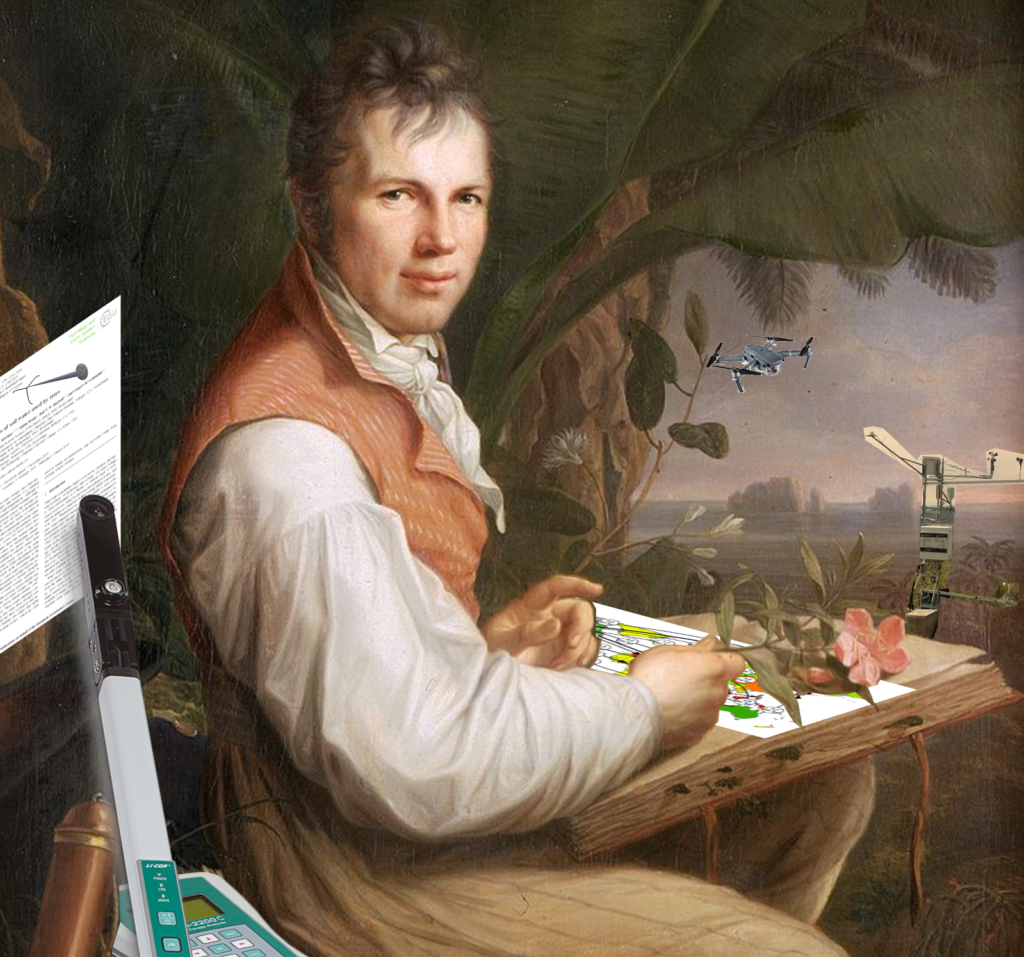
The first time I came across Alexander von Humboldt I was a freshman at the University of Bayreuth. We were proudly told that we were studying environmental science in a region where Humboldt used to work in, prior to his adventures in the Americas. Within EGU, von Humboldt is well known, in connection with the …[Read More]
Data sharing: an update on new and existing initiatives
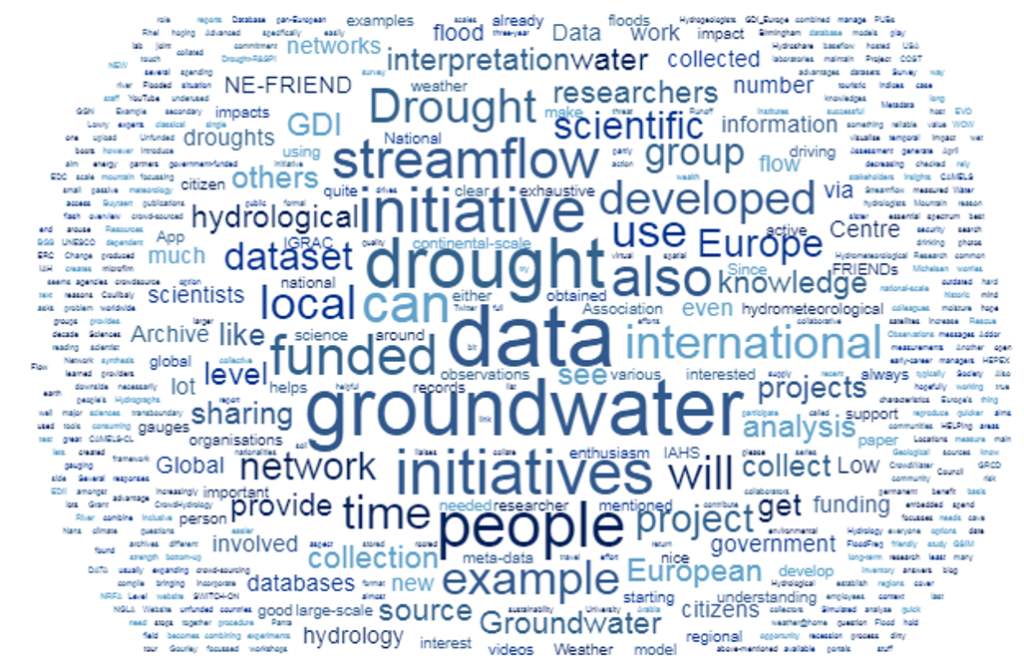
Post by Anne Van Loon, Gemma Coxon, and Bentje Brauns. Last year, Anne Van Loon wrote about data sharing initiatives in hydrology (“Data drought or data flood?” 28 May 2018). This post gives an update on existing and new initiatives. CAMELS (Catchment Attributes and MEteorology for Large-sample Studies) The CAMELS datasets are expanding: from the …[Read More]
Our audience on stage: new NhET blog column
The diffusion of social media such as Facebook, Twitter, etc. in addition to traditional blogging led to a diversification in the impact of science communication. However, as Eryn Brown and Chris Woolston wrote in Nature last January, blogs continue to be effective platforms for disseminating research into the world and increase the discovery of science. …[Read More]
EGU goes greener, let’s go greener to EGU
For those in a rush, here is the conclusion already: EGU is doing great efforts to become more environmentally friendly, but the huge issue of any conference lies in one aspect: participants flying there… Could we, participants, rush into the train next year? I would not have realized all the evolutions of this year’s EGU2019 …[Read More]
Give us your feedback on our blog!
Help us improve the Tectonics & Structural Geology blog and give us your feedback in this short survey! Would you like to be involved in the team, as a guest writer, networker or blog editor? Let us know via this survey and we’ll get in touch! Display content from Crowdsignal Click here to display …[Read More]
Talking hydrology: an interview with Jana von Freyberg on her work in the Rietholzbach catchment
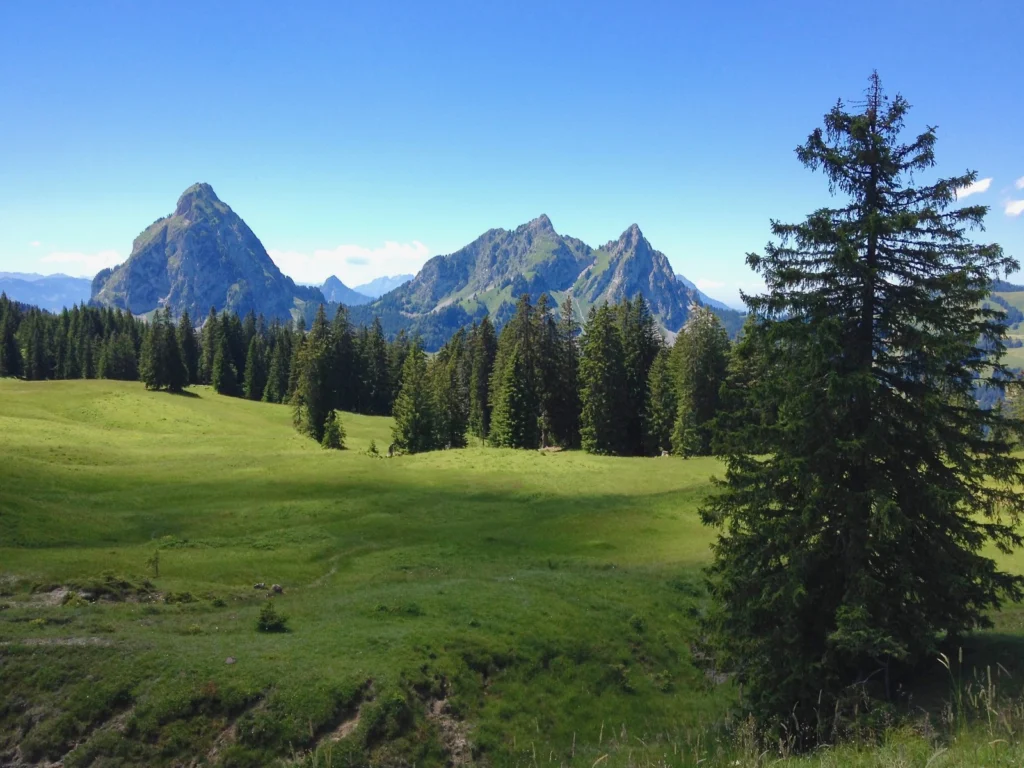
This is the first post of “Talking hydrology”, an interview-based series of posts in the HS Blog that present the experience and personal views of hydrologists and people interested in talking about hydrology. The “Talking hydrology” series is edited by the team of the HS blog together with Leonie Kiewiet (University of Zurich, Switzerland). Here, …[Read More]
How to improve rapid public earthquake information? Listen to eyewitnesses!
by Rémy Bossu, Laure Fallou, Sylvain Julien-Laferrière, Matthieu Landès, Julien Roch, Fréderic Roussel, Sébastian Soriat and Robert Steed I set the area of interest, and then tried to adjust the magnitude threshold. Either the threshold was too high and I did not get information for the earthquakes that I felt, or it was too low …[Read More]
GeoPolicy: What inspires you to be a scientist?
What inspires you to be a scientist? For me, the motivation comes from a strong desire to make the world a better place, to use our skills and knowledge as scientists to help society and shape the future. Increasing our collaboration and involvement is an excellent way to expand our influence, but for early career …[Read More]
Alpine rock instability events and mountain permafrost
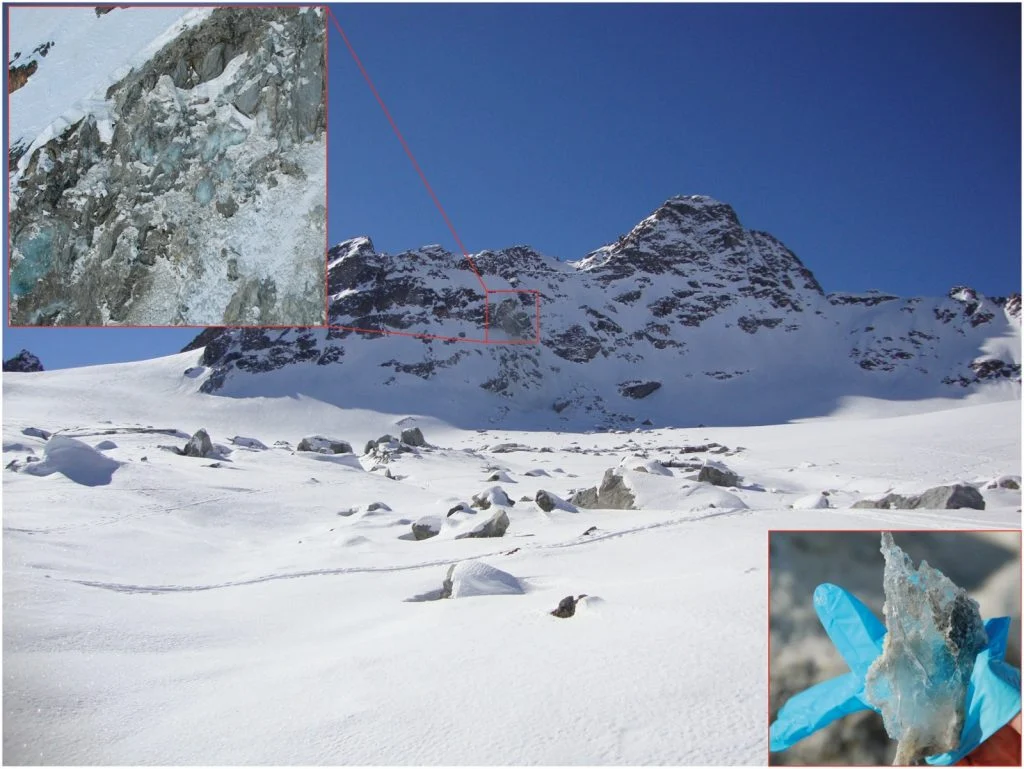
Rockfalls, rock slides and rock avalanches in high mountains The terms rockfall, rock avalanche and rockslide are often used interchangeably. Different authors have proposed definitions based on volume thresholds, but the establishment of fixed boundaries can be tricky. Rockfall can be defined as the detachment of a mass of rock from a steep rock-wall, along …[Read More]