EGU Blogs

Retired blogs

Peat in the Tropics

Peat in the Tropics

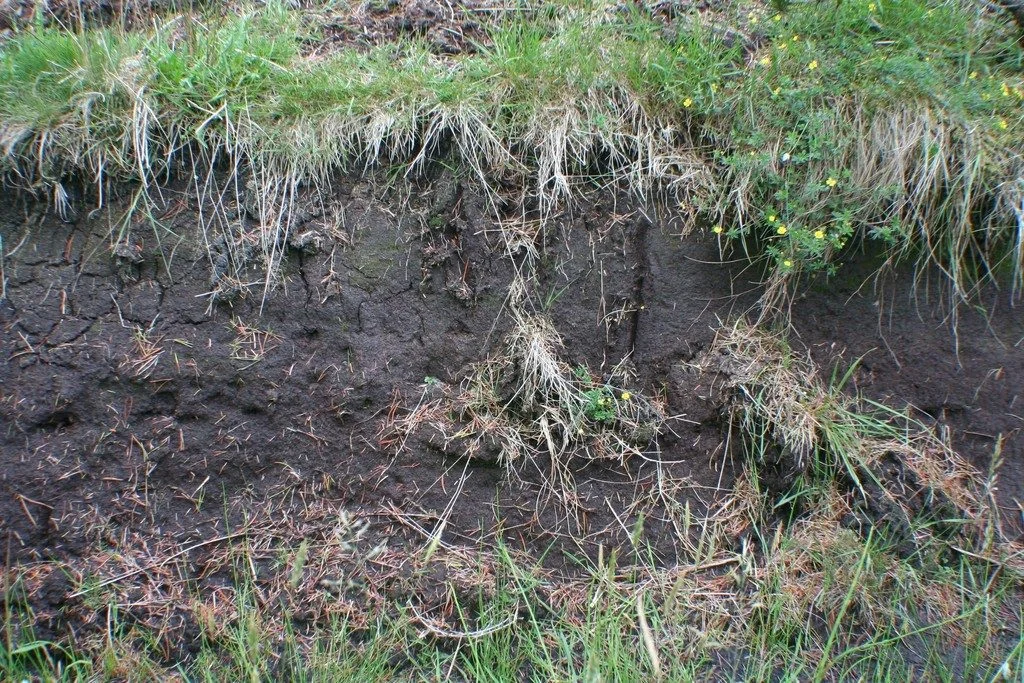
As has been previously discussed in Robert’s blog, fertile soil is an incredibly important resource that is fast running out in many regions of the world. It is true that soil’s importance for agriculture (and sustainable development) cannot be understated, but I wish to focus on another aspect of soil in this week’s blog– its …[Read More]

A Tanzanian groundwater safari through the last 2 million years

A Tanzanian groundwater safari through the last 2 million years

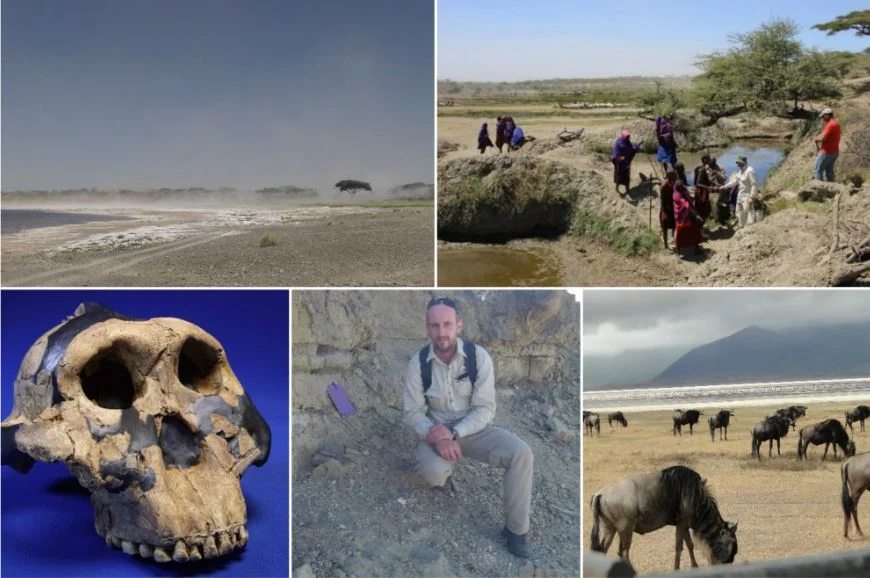
Post by Mark Cuthbert, Research Fellow and Lecturer at Cardiff University, in the United Kingdom, and by Gail Ashley, Distinguished Professor at Rutgers University, in the United States. _______________________________________________ During the dry season, Lake Masek in Northern Tanzania (see map) is a lovely place to be if you’re a hippo or a flamingo, but for humans it’s an inhospitable environment. …[Read More]

Want to contribute to IAHS’ discussion about 23 unsolved problems in hydrology?

Want to contribute to IAHS’ discussion about 23 unsolved problems in hydrology?

Inspired by the famous list of unsolved math problems (hence the header image), the International Association of Hydrological Sciences has an interesting challenge for us all: define 23 unsolved problems in hydrology: The International Commission on Groundwater is going to submit a few problems via the LinkedIn forum. A few of us at Water Underground …[Read More]

How do you monitor an internationally disruptive volcanic eruption? How can you communicate SDGs in an Earth Science class? Jesse Zondervan’s Nov 13 – Dec 13 2017 #GfGDpicks #SciComm

How do you monitor an internationally disruptive volcanic eruption? How can you communicate SDGs in an Earth Science class? Jesse Zondervan’s Nov 13  – Dec 13 2017 #GfGDpicks #SciComm

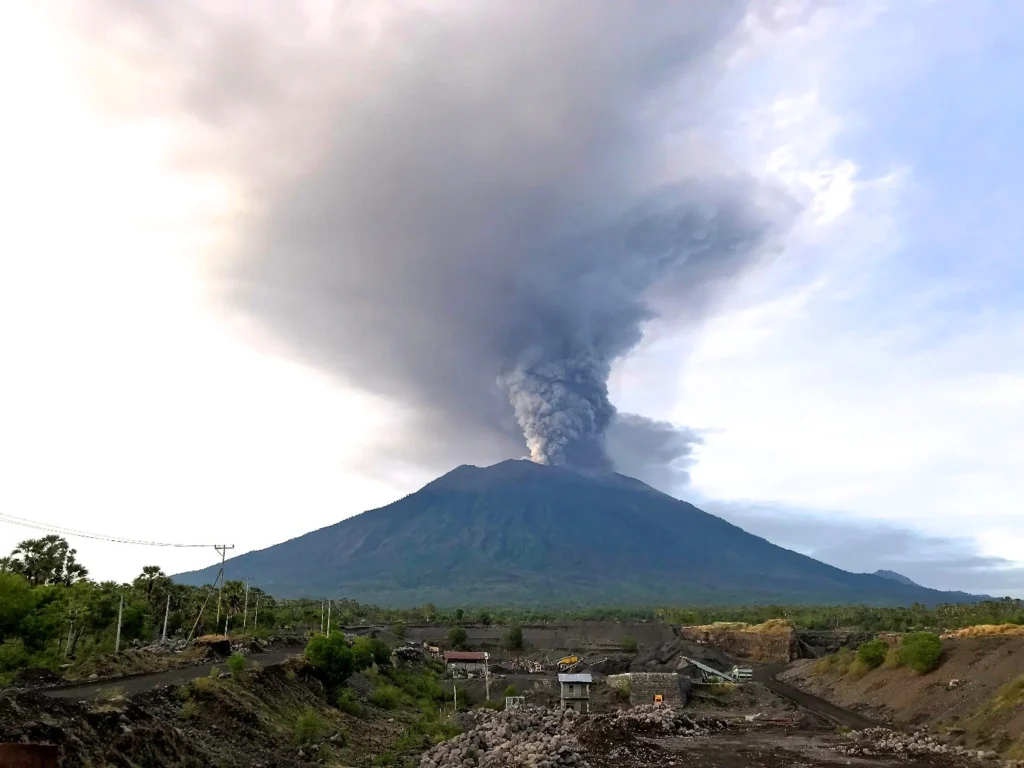
Each month, Jesse Zondervan picks his favourite posts from geoscience and development blogs/news, relevant to the work and interests of  Geology for Global Development . Here’s a round-up of Jesse’s selections for the past four weeks: Bali’s Mount Angung started erupting ash this month, and a post on the Pacific Disaster Center’s website gives you an insight into the …[Read More]

On the social responsibility of water scientists

On the social responsibility of water scientists

Post by Viviana Re, a post-doctoral research fellow at the Department of Earth and Environmental Sciences of the University of Pavia, in Italy. _______________________________________________ Should we feel a moral obligation to engage, if our work has real implications on society? As an environmental scientist, with a PhD in Analysis and Governance of Sustainable development, I grew …[Read More]

Photo Highlights – 5th GfGD Annual Conference

Photo Highlights – 5th GfGD Annual Conference

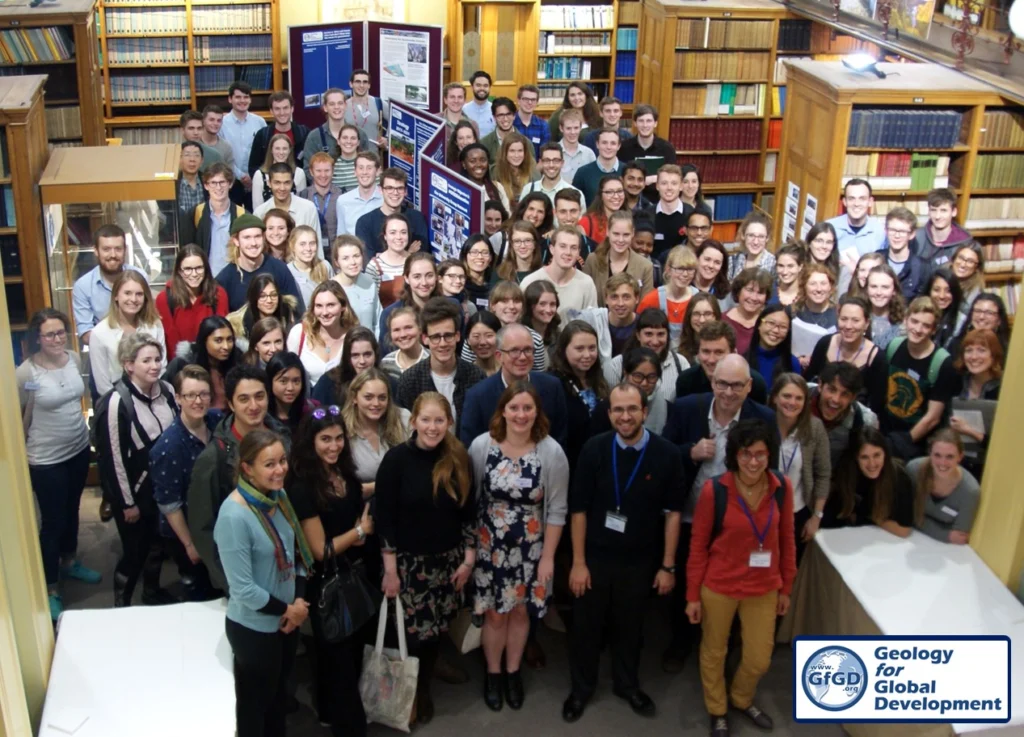
Kindly hosted and supported by the Geological Society of London, our 5th Annual Conference had the theme “Cities – Opportunities and Challenges for Sustainable Development”. The event gathered more than 130 participants, with diverse speakers from the public and private sectors, academia and civil society! Find resources online . Thanks to Jesse Zondervan (Plymouth University) …[Read More]

Lahar: Lost in translation?

Lahar: Lost in translation?

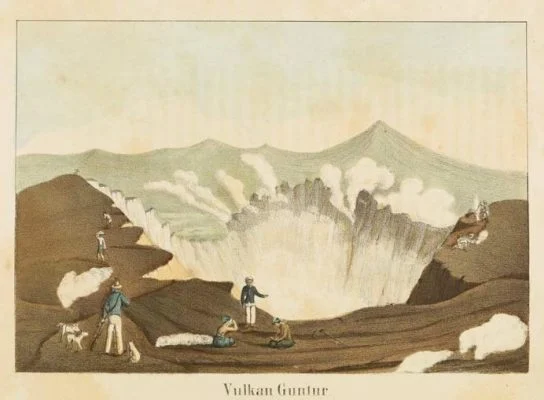
Since late September, the eyes of the volcano world have turned to Gunung Agung. This prominent volcano in Bali last erupted in 1963, when it released enough sulphur dioxide to form a global stratospheric sulphate aerosol layer that led to vivid sunsets, and short-term global cooling. The 1963 eruption was one of the largest and …[Read More]

An alternate career path for Groundwater Science-Engineering PhDs

An alternate career path for Groundwater Science-Engineering PhDs

Post by Jim Roy, Research Scientist at Environment and Climate Change Canada. _______________________________________________ A recent editorial in Nature highlighted the relative scarcity of academic positions available to graduating PhD students (Many junior scientists need to take a hard look at their job prospects; 25 October, 2017). It notes that “it has been evident for years that …[Read More]